
Who Walks with the Groomsman? Discovering Wedding Traditions and Roles
At a wedding ceremony, the processional order is an important part of the event. When it comes to walking down the aisle, the groomsman typically walks with a bridesmaid. This pairing not only adds elegance to the ceremony but also helps to balance out the wedding party.
You might see the groomsmen walking with bridesmaids in pairs or even individually, depending on how the couple wants to arrange their wedding processional. This traditional approach creates a beautiful visual and sets the stage for the bride’s grand entrance.
Knowing who walks with the groomsman can help you better understand the flow of the wedding ceremony.
If you’re planning a wedding, it’s good to think about the roles each person plays in the processional. Whether you choose a formal or relaxed setting, the way your wedding party enters can reflect your style and personality.
So let’s dive into the details of how to make the most of this memorable moment!
Understanding the Wedding Processional
The wedding processional sets the stage for the ceremony, bringing together key members of the wedding party. Knowing the roles and common orders can help you plan a smooth, meaningful event.
Roles and Responsibilities
Each person in the processional has an important role. Starting with the officiant, they typically wait at the altar to guide the ceremony. Next are the parents, who may walk down the aisle first, signifying the beginning of the event.
The groom usually comes next, often with the best man. Following them are the groomsmen and bridesmaids, who walk in pairs. Often, the bridesmaids stand on the left and groomsmen on the right, enhancing the visual balance.
Finally, the bride makes her entrance, often the most anticipated moment. She typically walks down the aisle last, escorted by a parent or guardian, highlighting her journey toward the altar.
Common Processional Orders
There are various orders for the wedding processional, but here is a popular option:
- Officiant
- Parents of the Bride
- Parents of the Groom
- Groom and Best Man
- Groomsmen and Bridesmaids (paired)
- Flower Girl and Ring Bearer
- Bride
This structure helps to guide guests’ attention and creates an emotional build-up. Some couples may modify this order based on personal preferences or family traditions.
Who Walks With the Groomsman?
Deciding who walks with the groomsman is an important part of planning your wedding ceremony. This section will explore the common pairings and the order in which everyone enters.
Groomsman and Bridesmaid Pairings
Typically, groomsmen walk down the aisle with bridesmaids in pairs. This creates a beautiful visual as they make their way to the altar. In a traditional setup, the groomsmen stand on the right while the bridesmaids stand on the left.
You can choose to mix things up, though. Some couples have the groomsmen walk down the aisle alone or in pairs with the bridesmaids. This may allow each groomsman to shine as they are introduced.
Additionally, the maid of honor usually walks last, taking her place beside the bride, making the pairing feel more special. As you plan, think about the relationships and dynamics that might make some pairings more memorable.
Order of Entrance
The order of the entrance sets the tone for the ceremony. Traditionally, the groomsmen enter first, followed by the bridesmaids. The groom and best man may precede the groomsmen, depending on your style.
The ring bearer and flower girl usually come down the aisle after the wedding party. Their role is significant as they add charm and innocence to the procession.
You can also consider having the mother of the bride and father of the bride walk before the bridal party. This adds a warm touch and highlights important family connections. Make sure that your order reflects your preferences and creates the right atmosphere for your special day.
Cultural and Personal Touches
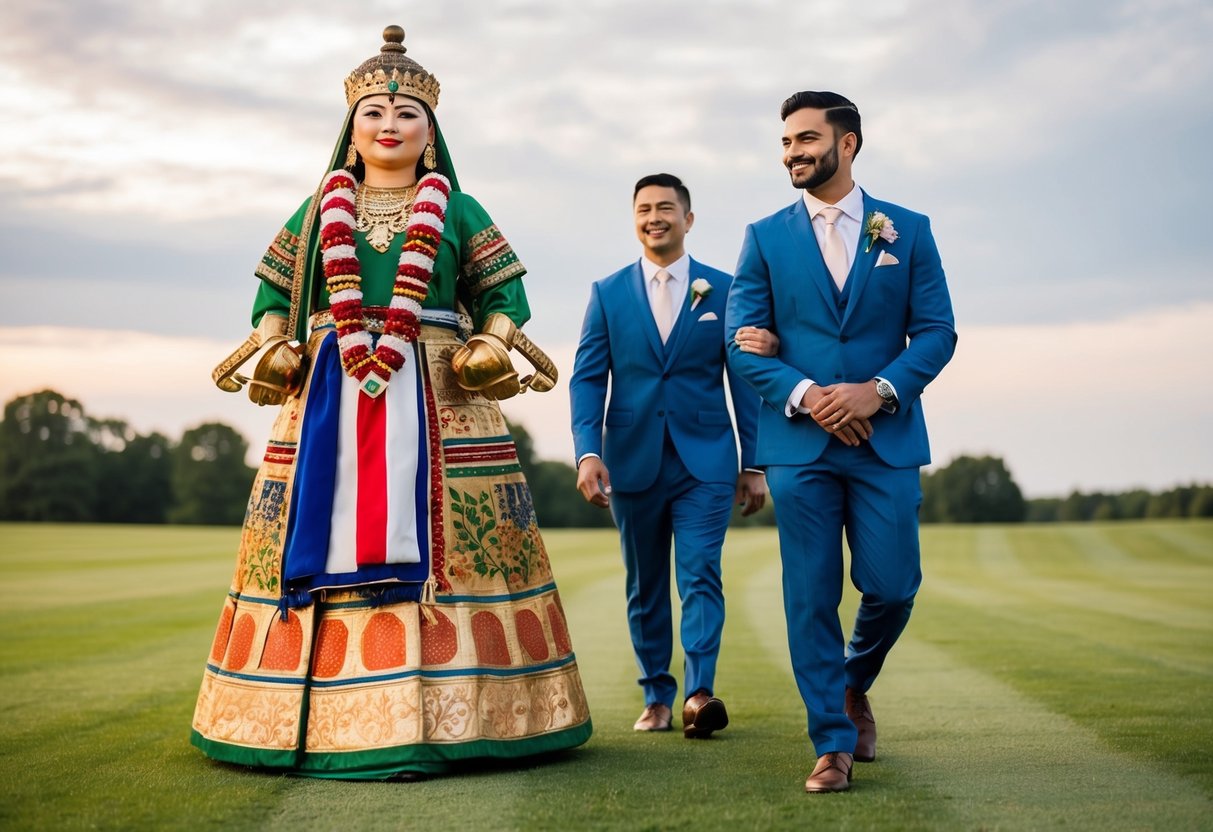
Your wedding ceremony can showcase both cultural traditions and your unique style. This blend makes each event special and reflects who you are as a couple.
Cultural Variances in Processionals
Different cultures have unique customs for wedding processionals. For instance, in a Catholic wedding, the officiant leads, followed by the groom, groomsmen, and bridesmaids. In a Jewish wedding, the groom traditionally walks down the aisle first, followed by his parents, and then the bride with her parents.
Hindu weddings often feature the groom arriving in a grand procession called the Baraat, where he is accompanied by family and friends. In contrast, Christian weddings may blend elements of other traditions, making them more personalized.
LGBTQ+ weddings also incorporate diverse cultural elements, allowing couples to choose a format that resonates with their identities and values. It’s important to consider how these customs can enhance your ceremony.
Personalized Wedding Elements
You can add personal touches to your wedding procession, reflecting your story and values. For example, you might choose to have friends or family members walk with your groomsmen to signify important relationships.
Consider including readings from literature or poetry that matter to you. Music selections can also be tailored to represent your journey together.
Another personal touch could be themed attire. For instance, matching accessories or color schemes can help everyone feel connected.
Remember, this is your day, so embrace what feels right for you! Personalizing elements of your procession can create a meaningful experience for you and your guests.
Ceremony Preparation and Execution
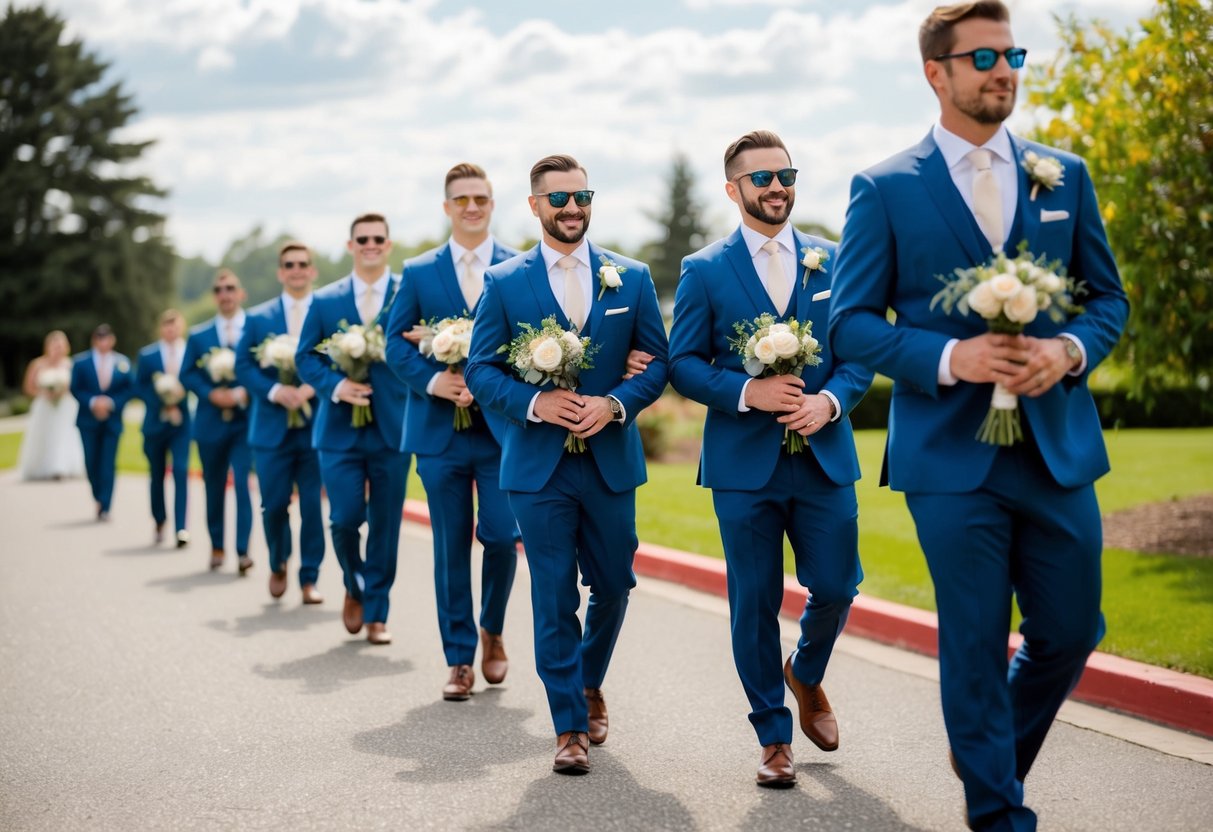
Preparing for your wedding ceremony involves two key areas: the venue setup and managing how everyone walks down the aisle. Paying attention to these details can help ensure a smooth and beautiful experience.
Venue and Setup
Choosing the right venue is crucial for your ceremony. You should consider the layout and how it will accommodate your guests and wedding party. Talk to your wedding planner about the best arrangement for seating and decor.
Think about elements like a wedding chuppah or arch to frame your vows. Make sure it’s positioned where everyone will have a good view. Flower petals can add a lovely touch along the aisle, guiding the bridal party’s way to the altar.
Also, consider where the wedding rings and the bride’s bouquet will be kept before the ceremony starts. Having a designated spot for these items will avoid any last-minute scrambling.
Managing the Processional Flow
Managing the processional flow is key to keeping everything on schedule. Decide whether the groomsmen will enter alone or with a partner. If walking with a partner, they should line up on one side with bridesmaids on the other.
Processional music sets the tone, so choose a song that reflects your style. Discuss timing with your wedding planner to synchronize the music with the arrival of the wedding party.
Ensure everyone knows their cues for walking down the aisle. A rehearsal can help clarify this. Communicate clearly with the officiant, so they know when to start the ceremony as the bride’s entrance draws near.