
Who Was the First Royal to Omit the Word Obey from Her Wedding Vows?
When you think about royal weddings, you might picture grand ceremonies filled with tradition and formality. However, some royals have chosen to break away from these customs, making significant changes to their vows.
Princess Diana was the first royal to omit the word “obey” from her wedding vows, a choice that sparked conversation and changed royal wedding traditions forever.
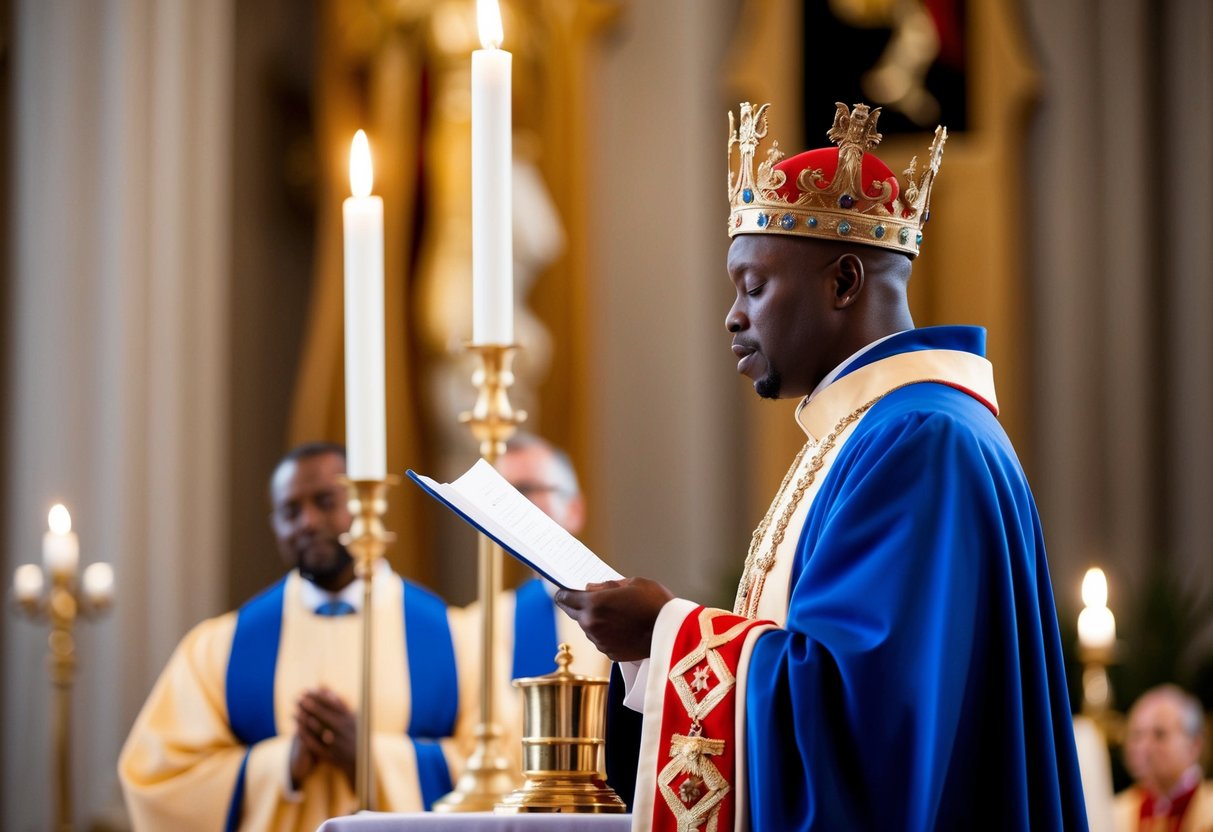
This bold decision resonated with many people and set a new standard for what wedding vows could represent. Other royals, like Kate Middleton and Meghan Markle, followed her lead, choosing vows that reflected modern values rather than just tradition.
By examining this pivotal moment, you can see how it impacted not only royal weddings but also the way couples approach their commitments.
As you explore this topic, you’ll discover how Diana’s choice shaped the conversation around wedding vows, blending personal beliefs with the weight of royal expectations. You might find inspiration in how these changes connect to your own views on love and commitment.
The Trailblazing Bride
Princess Diana made a significant choice that changed royal traditions. By omitting the word “obey” from her wedding vows, she took a bold step that resonated with many.
Princess Diana’s Decision
When Princess Diana married Prince Charles at St Paul’s Cathedral in 1981, she broke from centuries of tradition. All previous royal brides had promised to “obey” their husbands. Instead, Diana chose to focus on love and partnership.
This decision sparked conversation and admiration. It symbolized a shift towards modern values in royal marriages. With her choice, Diana encouraged future brides to express their views on equality.
You can see how this small change echoed in the weddings of others, like Kate Middleton and Meghan Markle. Diana’s bravery set a new path for royal weddings that many admired and embraced.
Vow Variations Across Royal Weddings
Royal weddings often reflect personal beliefs and traditions. Each ceremony has its unique elements that showcase how modern royals adapt historical vows. Let’s look at some notable examples where these vows varied.
Sarah Ferguson and Prince Andrew
When Sarah Ferguson married Prince Andrew in 1986 at Westminster Abbey, her vows included the traditional promise to “obey.” This choice echoed the language in the 1662 Anglican Book of Common Prayer, which outlines classic wedding vows.
Sarah’s commitment to obey displayed a traditional approach, aligning with the expectations of royal brides in that era. While Sarah did follow tradition, many later royal brides would choose to omit this vow, showing how customs can evolve over time.
Meghan Markle and Prince Harry
During her wedding to Prince Harry in 2018, Meghan Markle made headlines for omitting the word “obey” from her vows. This decision was a nod to modern views on marriage equality and partnership.
Meghan’s vows focused on love, support, and honor, similar to those of her late mother-in-law, Princess Diana. By choosing a more contemporary phrasing, Meghan brought a fresh perspective to royal vows, marking a significant moment in royal wedding history.
Kate Middleton and Prince William
On April 29, 2011, Kate Middleton married Prince William, following in the footsteps of Princess Diana. Kate also omitted the word “obey” from her vows during their ceremony at Westminster Abbey.
This choice emphasized partnership and mutual respect. Like Meghan, she focused on love, comfort, and support. By doing so, Kate joined the trend of modernizing royal wedding vows, which resonated with many couples seeking equality in marriage.
Princess Eugenie
Princess Eugenie married Jack Brooksbank in 2018, also at St. George’s Chapel. During her vows, she chose to omit the word “obey,” showcasing a modern approach consistent with her family’s recent wedding traditions.
Eugenie’s vows included elements of love and support but emphasized equality. This decision further reflected the growing acceptance of personalized wedding vows among royal families, marking a continued shift away from older customs found in the Book of Common Prayer.
Comparative Traditions
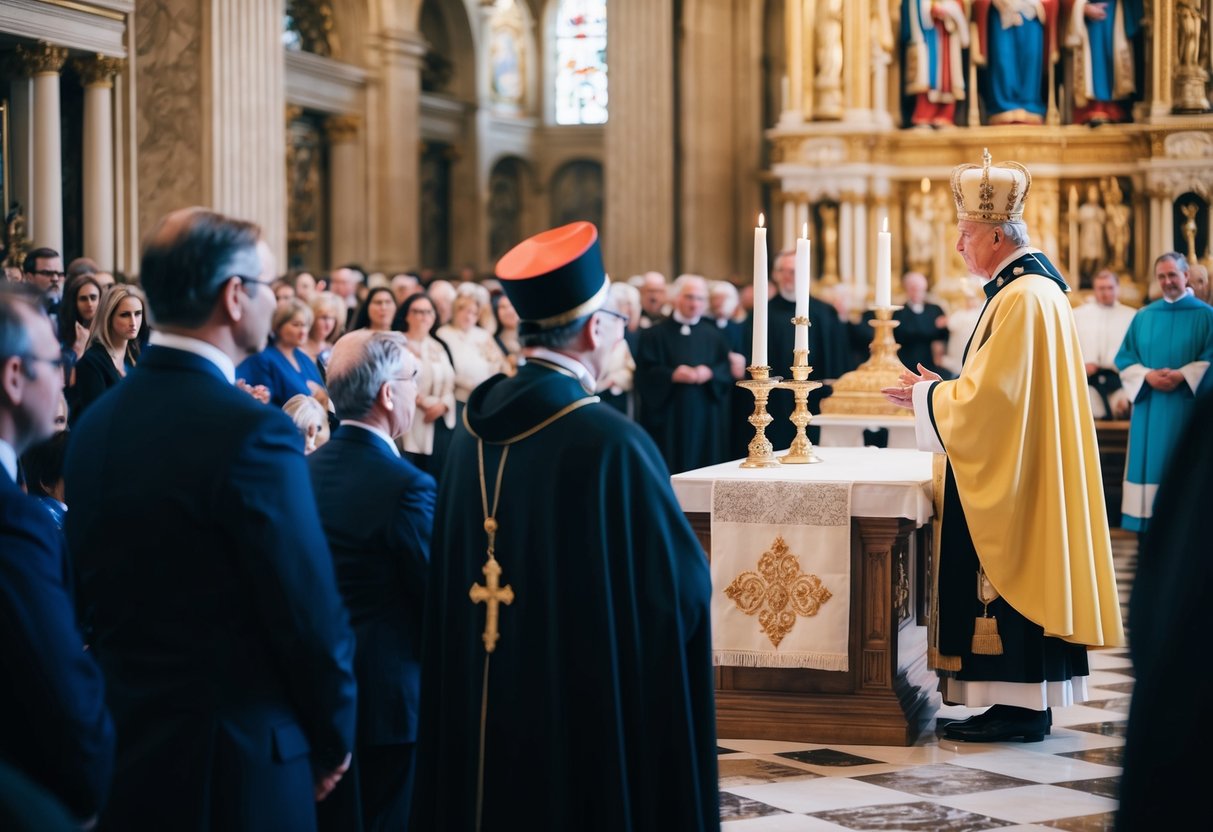
When discussing wedding vows in the British Royal Family, it’s important to look at traditional elements. Different customs have shaped the way royals approach their vows, especially regarding the word “obey.”
Anglican Book of Common Prayer
The Anglican Book of Common Prayer has been a significant influence on marriage vows for centuries. In this book, a wife traditionally promises to “obey” her husband. This wording reflects historical values and social norms regarding marriage.
Princess Diana was the first royal to remove this part from her vows during her wedding to Prince Charles in 1981. This change was groundbreaking and sparked conversation about gender roles. Since then, other royal brides have followed suit, choosing to omit “obey” and create vows that reflect modern values.
Church of England and Buckingham Palace
The Church of England plays an essential role in royal weddings. Traditionally, these ceremonies follow the established liturgy, which includes the Anglican Book of Common Prayer. However, Buckingham Palace has supported adaptations to these vows.
Diana’s choice to change her vows marked a shift in royal wedding customs. After her, Kate Middleton and Meghan Markle chose similar paths, omitting “obey” from their vows. This trend shows how the British Royal Family adapts traditional practices to align with contemporary views on marriage and equality. Adapting traditions helps the royal family stay relevant and connected to the public.
Cultural Impact of the Royal ‘I Do’
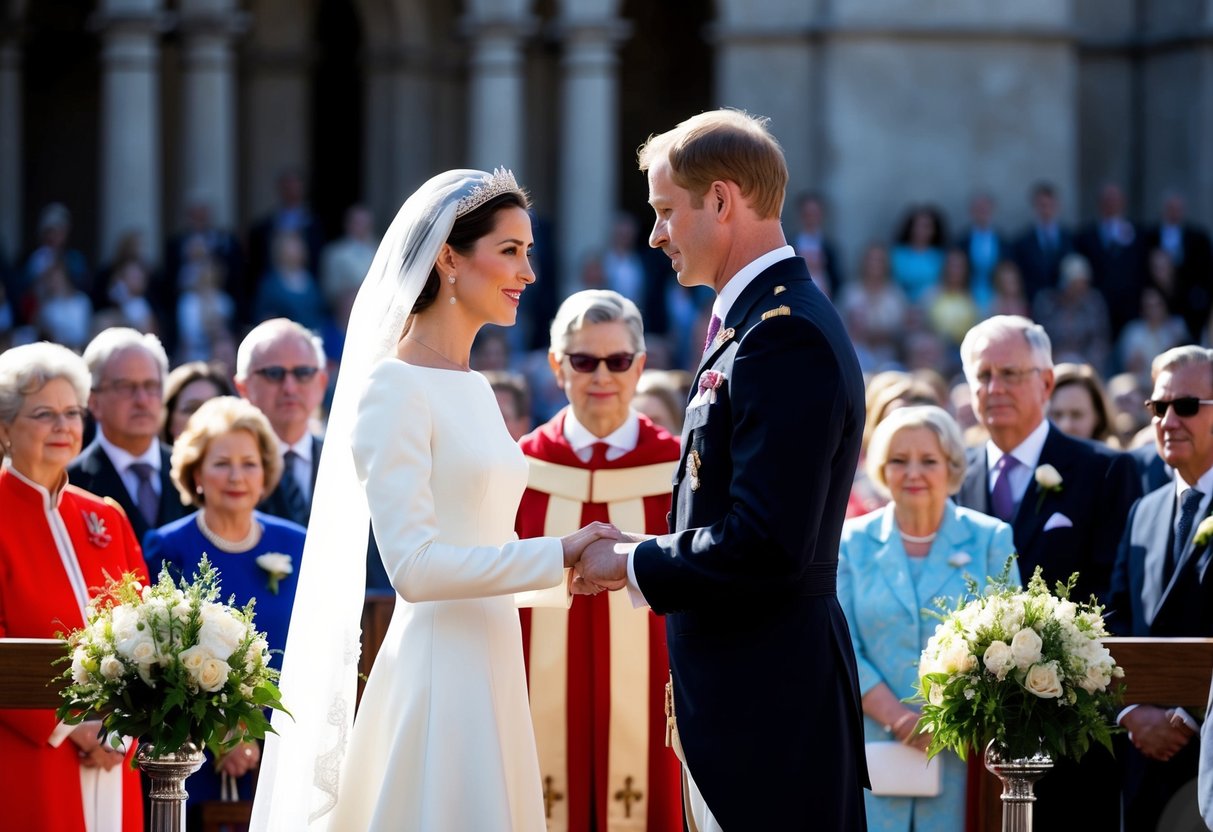
The decision by Princess Diana to omit the word “obey” from her wedding vows changed the way the public viewed royal marriages. It opened up discussions about tradition and helped shape modern relationships, especially among royals. This shift is evident in media portrayals and public reactions, showcasing a blend of admiration and critique.
Media Representations and ‘The Crown’
The Netflix series The Crown has played a significant role in how current and future generations view royal marriage customs. In episodes featuring Diana’s wedding to Prince Charles, the omission of “obey” is highlighted as a bold move.
This portrayal emphasizes a departure from traditional roles within the monarchy and illustrates the emotional weight of her decision. You can see echoes of her choices in how characters navigate marital expectations. The series not only entertains but also sparks conversations about the realities of royal life, leading to more awareness about issues like divorce and personal agency among royals.
Public Perception and Controversy
Diana’s vows received a mixed public reaction. Some saw her as a trailblazer changing the rules of royal engagement, while others viewed it as controversial.
Her marriage to Prince Charles was often under scrutiny, leading to widespread fascination with the royal family.
Critics questioned whether changing such a traditional vow would undermine the values of the monarchy. This scrutiny continues today, with figures like Kate Middleton and Meghan Markle following in Diana’s footsteps, which evokes more discussions about marriage norms.
Even discussions around the late Prince Philip and Queen Elizabeth’s marriage reflect on how royal unions are framed. The inclusion of these modern perspectives helps you understand the evolution of the monarchy’s role in society.