
Why Do Girls Stand on the Left Side at a Wedding? Exploring Tradition and Meaning
At weddings, you might have noticed that the bride traditionally stands on the left side of the altar. This practice dates back to historical times when people believed the groom would need his right hand free to protect his bride. This unique aspect of wedding ceremonies stems from ancient customs of chivalry and reflects how marriage rituals have evolved over the years.
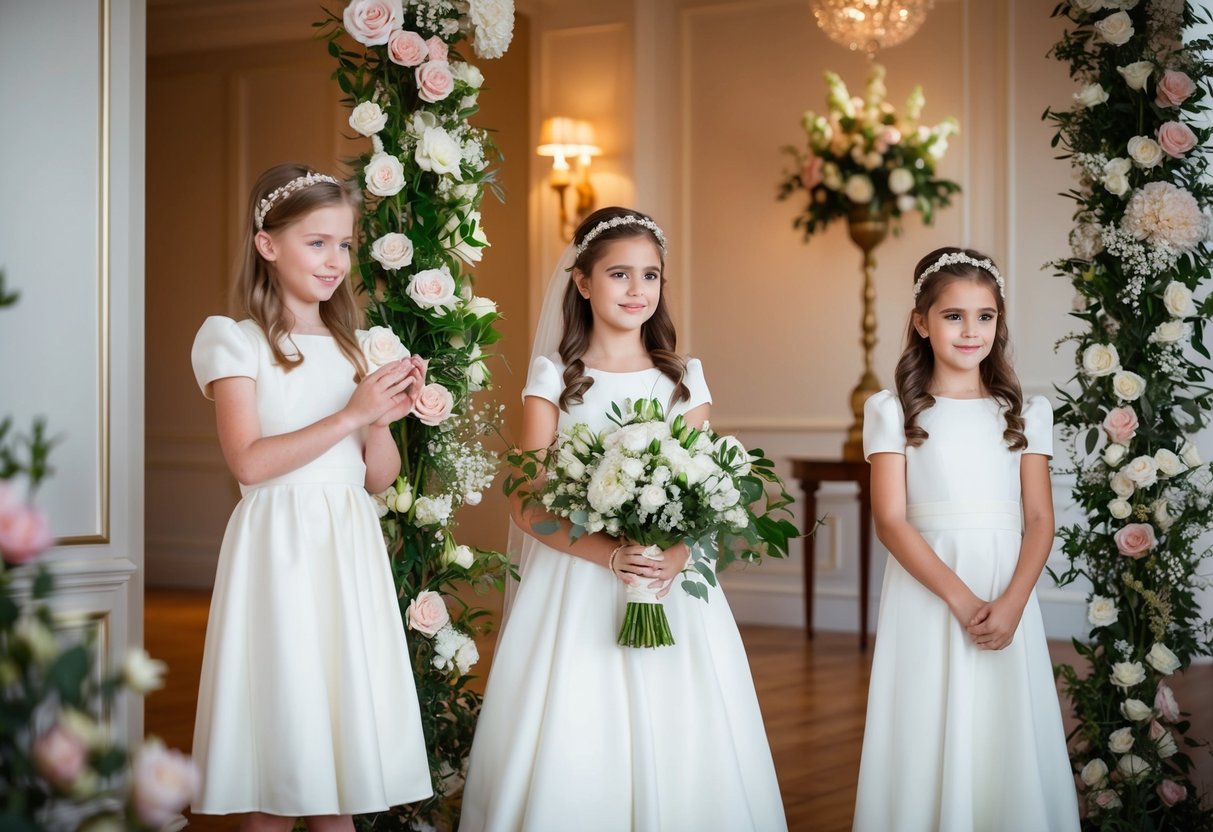
As you explore various wedding traditions, you’ll find that many customs, including this one, have fascinating origins. The bride’s position on the left symbolizes not just protection but also loyalty and devotion. This simple act carries a rich history, linking modern celebrations to the past.
Understanding why the bride stands on the left can deepen your appreciation for the wedding ceremony. It connects you to centuries of tradition, reminding you that every aspect of the celebration holds meaning.
Historical Origins of Wedding Positioning

The way brides and grooms stand during a wedding has deep historical roots. Understanding these origins can add meaning to your special day. Different cultures and traditions have influenced how couples are positioned during the ceremony.
Marriage by Capture and Chivalry
In ancient times, the practice of “marriage by capture” was common. This was when a man would take a woman forcibly, often during a raid. The bride would be placed on the left side. This positioning allowed the groom to have his dominant hand free to protect her from any threats.
During the Middle Ages, chivalry emerged, shaping how men treated women. The left side remained traditional in many Christian ceremonies. It represented the groom’s ability to defend the bride while also being close to her heart.
Christian Ceremonies and Jewish Traditions
In traditional Christian weddings, the bride standing on the left symbolizes her connection to the groom. It reflects a relationship of protection and commitment. Historically, the groom’s left side is said to be closest to his heart.
For Jewish weddings, there is a similar belief. The bride stands to the left of the groom, aligning with the idea that a man’s heart is on the left side. This positioning has spiritual significance, reflecting love and devotion during the ceremony. Each tradition shapes the wedding experience, tying couples to their heritage.
Roles and Significance
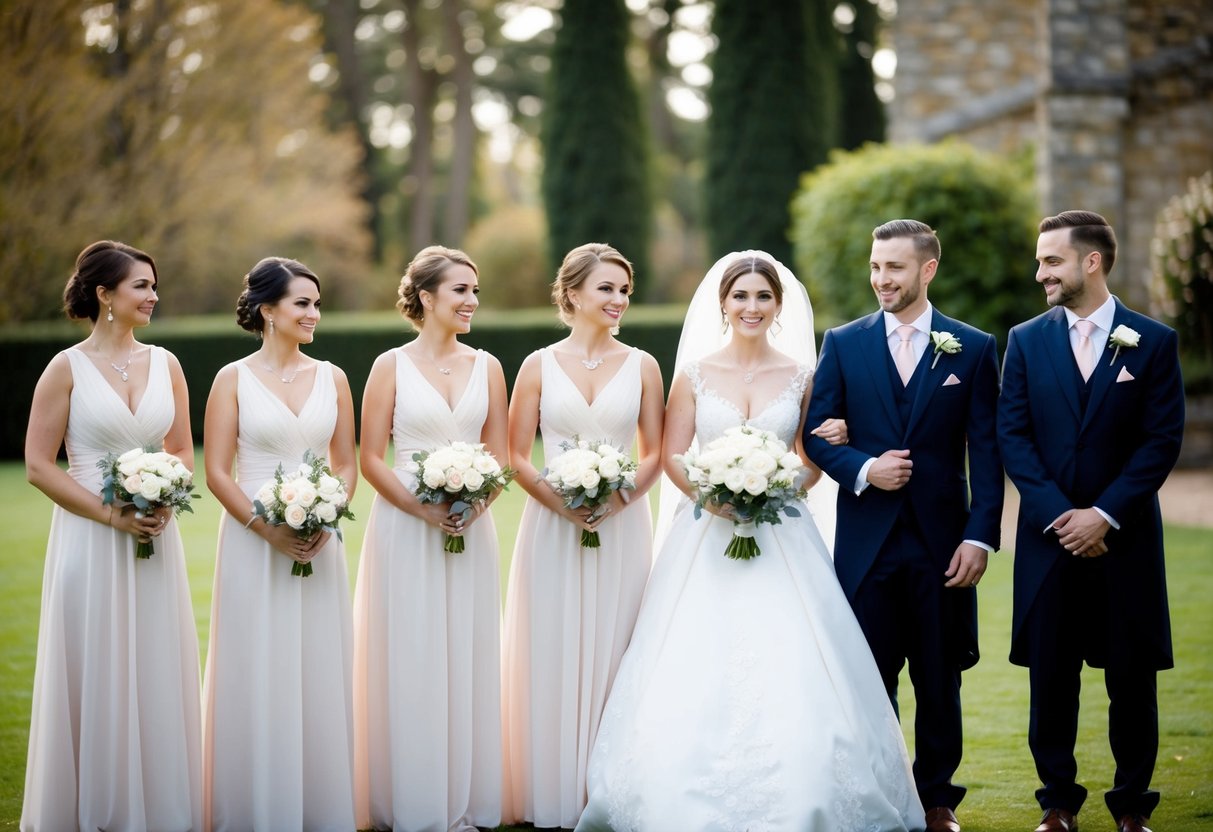
The roles played by the bridal party and the positioning of the bride at a wedding carry deep meanings. Understanding how these roles operate can enrich your appreciation of the ceremony.
Bridal Party and Positioning
In a wedding, the bridal party usually consists of bridesmaids and the bride. Traditionally, the bride stands on the left. This positioning is not just about aesthetics; it signifies her bond with the groom. The groom stands to her right, representing the “position of honor.”
Bridesmaids stand beside the bride for support, both emotionally and physically. This formation ensures that the focus remains on the couple, allowing them to share their commitment publicly.
In essence, this arrangement echoes teamwork and unity. It also symbolizes the bridal party’s role in protecting the bride during the ceremony, making sure she feels supported and loved.
Best Man and Groomsmen’s Duties
The best man and groomsmen have important responsibilities during the wedding. The best man stands beside the groom, offering emotional support. He often carries the groom’s ring, symbolizing trust and commitment.
Groomsmen stand alongside the groom, reinforcing the idea of loyalty and camaraderie. They help keep everything organized, ensuring that the day runs smoothly.
In many ways, the presence of the groomsmen serves to protect the bride as well. By standing close to the groom, they help create an atmosphere of support and respect throughout the ceremony. Each role you see at a wedding plays a part in fostering a loving and secure environment for the bride and groom.
Modern Interpretations and Variations
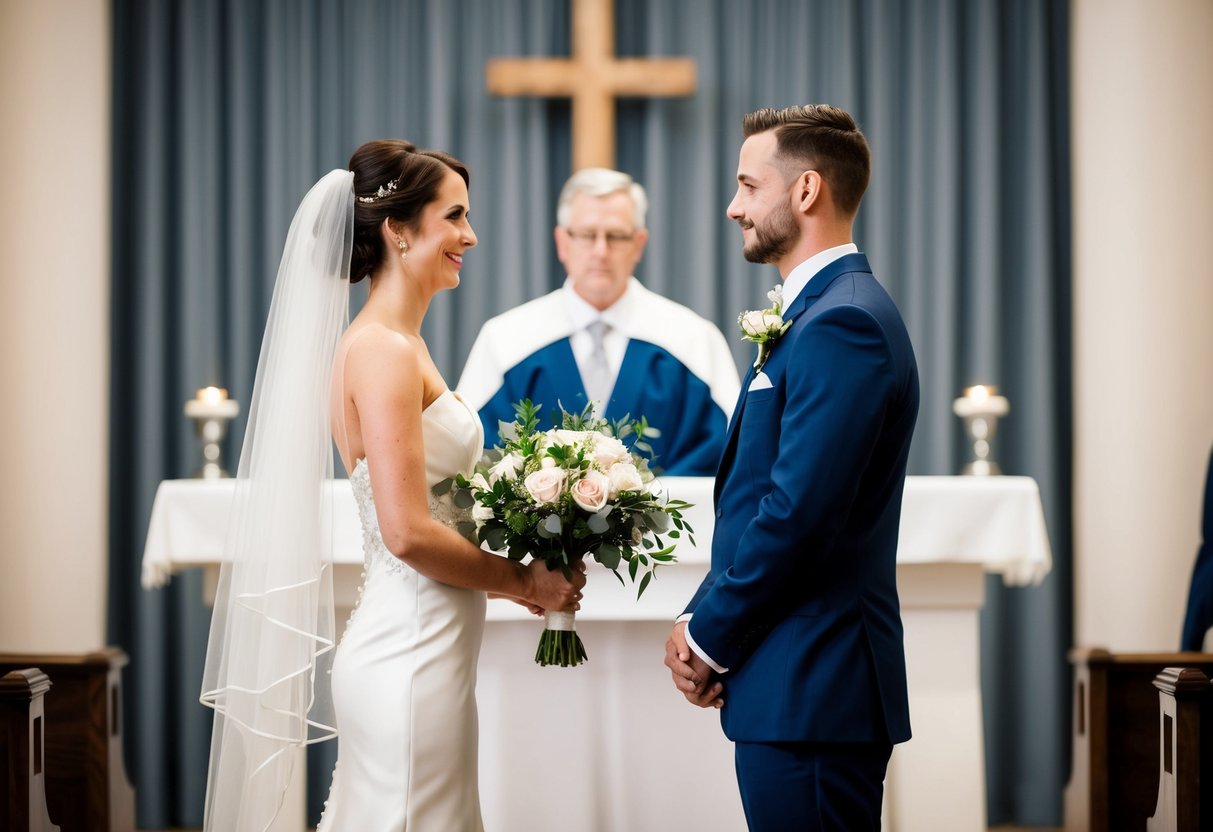
Today, couples have more freedom to choose how they want to celebrate their love. This leads to different interpretations of traditional wedding roles and placements, allowing for personal expression and inclusivity.
Personal Preferences and Emotional Moments
Your wedding day is about celebrating your unique love story. Many couples now choose to prioritize personal preferences over tradition. You might feel more comfortable having the bride on the right side or switching places altogether.
This decision can reflect your emotional connection, making the moment feel special. If the bride prefers standing on the groom’s right, it can symbolize her journey beside him. You may also decide to incorporate family and friends in ways that resonate with your personal journey together.
Inclusive Approaches for Same-Sex Couples
Wedding ceremonies for same-sex couples can break away from traditional norms. Both partners can choose where to stand, based on their feelings and style. Whether you prefer the “bride” and “groom” labels or choose other terms like “partner” or “spouse,” it’s entirely up to you.
Many couples opt for a “man of honor” or “person of honor” to stand alongside them. This shows that love comes in many forms and that every partnership is valid. Embracing these variations not only reflects the couple’s relationship but also celebrates diversity within wedding traditions.