
Why is it Called Stag Do and Hen Do? Unpacking the Origins of These Celebration Traditions
When planning a wedding, you might wonder why the pre-wedding celebrations are called a stag do for men and a hen do for women. The names come from old traditions, where “stag” refers to a male deer, symbolizing a man’s final freedom, while “hen” originally meant birds in general, indicating a gathering for women. These fun events are all about celebrating friendship and enjoying the last days of single life.
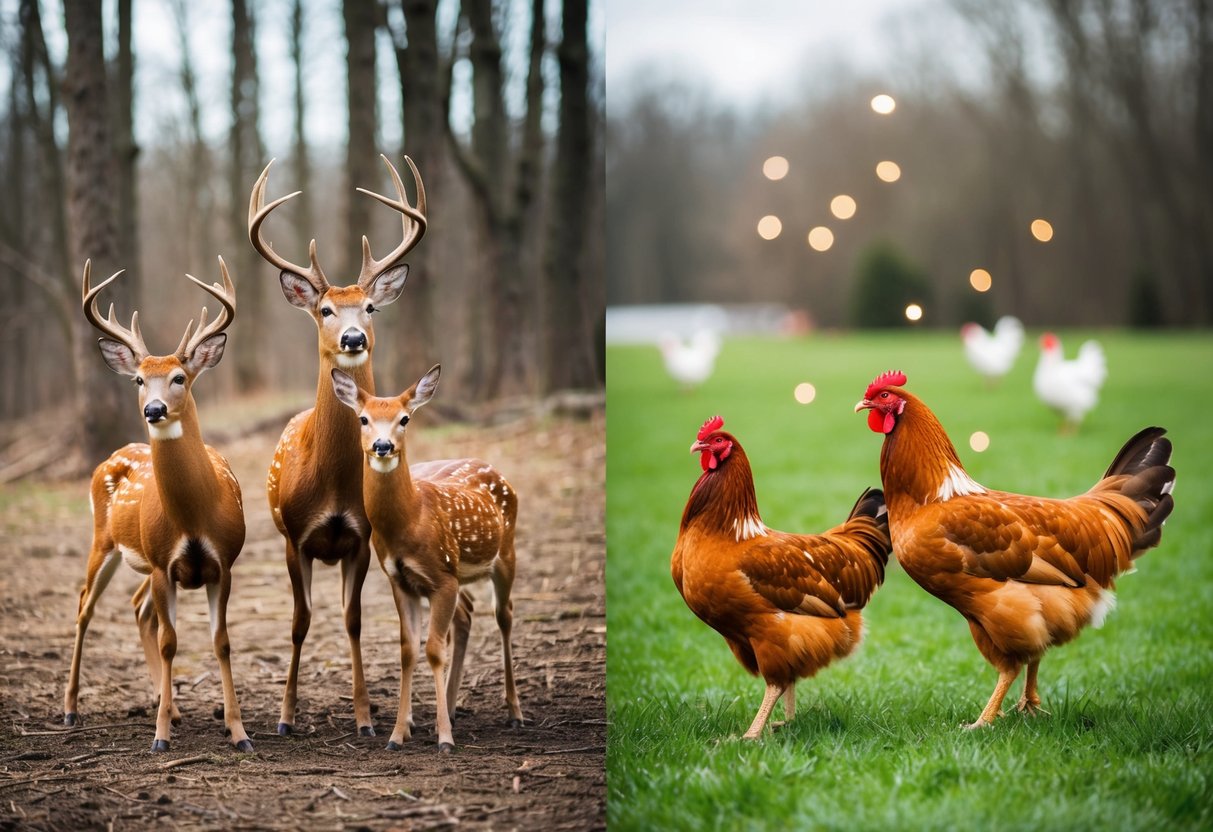
As you dive into the details, you’ll find that these parties have deep roots in history. Both stag and hen dos have evolved over the years, often featuring activities that bond friends and create lasting memories. You might be surprised by some of the traditions and how they have changed.
So, whether you are planning your own celebration or attending a friend’s, understanding the significance behind these names adds an extra layer of fun and meaning to the event. Get ready to explore the interesting history of stag and hen parties!
Historical Origins of Stag and Hen Events
Stag and hen parties have interesting historical roots. These celebrations started as rituals before marriage and have evolved into fun gatherings you see today. Exploring their origins reveals how these events have changed over time.
From Ancient Tradition to Modern Celebration
The tradition of pre-marriage celebrations goes back to ancient times. In Ancient Greece, the proaulia and epaulia were celebrations held for the bride and groom, showcasing the community’s support for their union.
Similar to a hen do today, these events often featured feasting and toasts, marking the transition to married life.
Another early form was found in Roman culture. They honored Gamos with festivities that included special activities for both brides and grooms.
These early customs laid the groundwork for the stag and hen parties you recognize today.
Changing Cultural Significance Over Time
As time passed, the celebrations transformed significantly. During Tudor times, pre-marriage feasts focused more on communal support and celebration.
While men might have gone off to celebrate separately, women had their own gatherings. These changes reflected society’s evolving views on marriage and family.
Over the years, the events became more about fun and adventure. Today, spirited activities like dancing, games, and traveling are common.
You may notice that in some cultures, the focus has shifted entirely to enjoyment and bonding among friends. This change shows how traditions adapt to fit modern lifestyles while keeping the spirit of celebration alive.
Understanding the Terminology
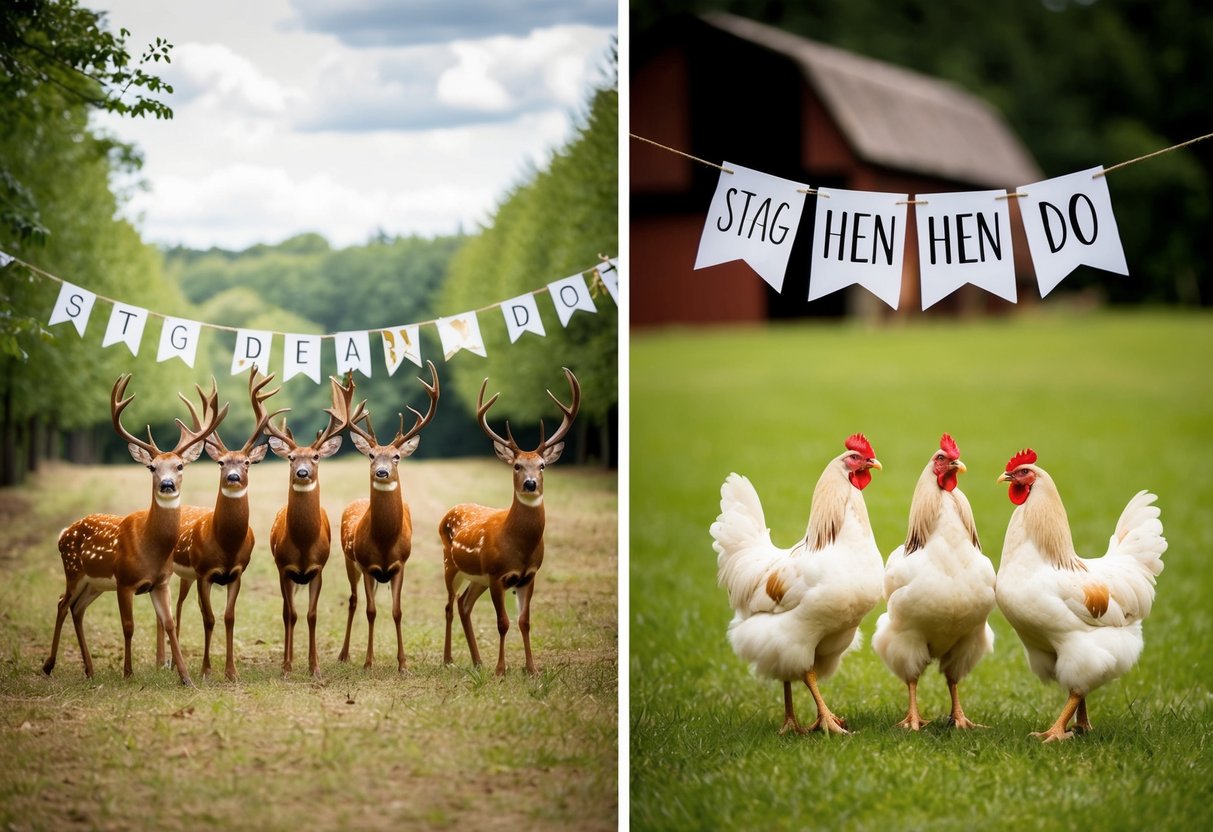
The terms “stag do” and “hen do” are widely recognized in the context of wedding celebrations. Each term carries its unique meaning and traditions specifically tailored for the groom and bride-to-be. Let’s explore these terms and what they represent.
Stag Do: A Celebration for the Groom
A stag do, also known as a stag party, is a lively gathering held for the groom before his wedding. This celebration is usually organized by the best man and includes the groom’s closest friends, often including his groomsmen.
Traditionally, these parties feature various activities. You might enjoy outdoor adventures like paintballing or go-karting. Sometimes, the events include a weekend getaway where you can participate in social activities like pub crawls or fun games.
The focus is on bonding and creating lasting memories with friends. It’s a time for laughter, stories, and celebrating the groom’s leap into married life. Each stag do can vary greatly based on the group’s interests and preferences.
Hen Do: The Bride’s Festive Party
A hen do is the counterpart to a stag do, celebrating the bride-to-be with her friends and bridesmaids. This event is all about female camaraderie and joyful festivities.
Typically, activities include things like spa days, themed parties, or fun classes like cocktail making. Some groups may opt for a weekend trip to a vibrant city, where you can explore nightlife and shopping, making the experience unforgettable.
It’s a moment of escape and celebration before the big day. You’ll share laughs, build stronger friendships, and create lasting memories that honor this special time in the bride’s life. A hen do can beautifully reflect the personality and tastes of the bride.
Planning and Activities for Stag and Hen Parties
Planning a stag or hen party involves choosing fun activities and suitable locations. You want to create unforgettable experiences that suit the interests of the bride or groom while ensuring everyone has a great time.
Popular Destinations and Activities
When planning a hen night or stag do, pick a destination that offers a mix of relaxation and excitement. Popular spots include Magaluf and Las Vegas for their vibrant nightlife and numerous activities.
Consider unusual hen party events like a spa day for relaxation or afternoon tea for a classy touch. For the adventurous, try white water rafting or skydiving to get the adrenaline pumping.
Furthermore, activities like go-kart racing and paintballing can add some friendly competition. Don’t forget interactive options like cocktail mixology classes or chocolate workshops where everyone can learn something new while having fun!
Creating Unique and Memorable Experiences
To ensure your hen holiday or stag night stands out, think outside the box. Consider themes that reflect the personalities of the bride or groom. For example, a perfume creation workshop lets everyone craft a personal scent to remember the occasion.
For those who want a thrill, look into experiences like tank driving or skydiving. These unique activities are great for bonding and create lasting memories.
You can also mix in traditional favorites. A group cooking class or a day of go-kart racing can keep the energy high and the laughter flowing. Tailor your plans to the group’s tastes, and your party will be a hit!
Modern Significance and Varied Interpretations
Hen parties and stag dos have transformed into key elements of wedding customs. They represent modern rites of passage that celebrate significant life changes with friends and family. Understanding their evolution and cultural differences can help you appreciate their importance in today’s society.
The Evolution of the Rite of Passage
Traditionally, both hen parties and stag dos marked the transition to married life. You might think of them as similar to ancient rites of passage. Over time, these events have evolved from simple gatherings to elaborate celebrations.
The sexual revolution played a big role in this change. Now, these parties often embrace themes of freedom and fun. For hen parties, you might enjoy activities like spa days or themed nights, while stag dos may involve adventure sports or nights out. Your choice of activities often reflects your personality and preferences, creating memorable experiences with your friends.
Cultural Differences and Personal Preferences
Cultural norms influence how you celebrate these events. In some cultures, henna is used to mark the bride’s journey, while others may opt for a more casual gathering.
For instance, in the UK, the term “buck party” is commonly used for stag dos, while hen parties are all about celebrating female friendships.
Your budget also plays a vital role in how you plan these events. Some may choose lavish parties, while others opt for intimate gatherings with close friends and female relatives.
Understanding and respecting these diverse practices can help you create a celebration that feels right for you, whether through an all-female gathering or a mixed group atmosphere.