
Beautiful Outdoor Wedding Venues: 2026 Planning Guide
Outdoor weddings give you natural light, fresh air, and a setting that shapes the mood before you add any décor. For couples searching for beautiful outdoor wedding venues, garden estates, botanical gardens, waterfront lawns, and mountain terraces offer the strongest mix of scenery, ceremony space, and guest comfort. Your ideal choice should also match your guest list, budget, travel plans, and backup needs.
Start by choosing the landscape that feels right for your celebration. A garden creates a romantic setting, a beach brings a relaxed coastal mood, and a vineyard or farm adds rustic charm. The best wedding planning decisions connect the view with a practical layout for your ceremony, cocktail hour, and reception.
Use these wedding venue ideas to narrow your search, then ask each outdoor wedding venue about rain plans, permits, lighting, restrooms, parking, catering, and accessibility. A thoughtful venue tour can turn inspiration into a clear booking decision.
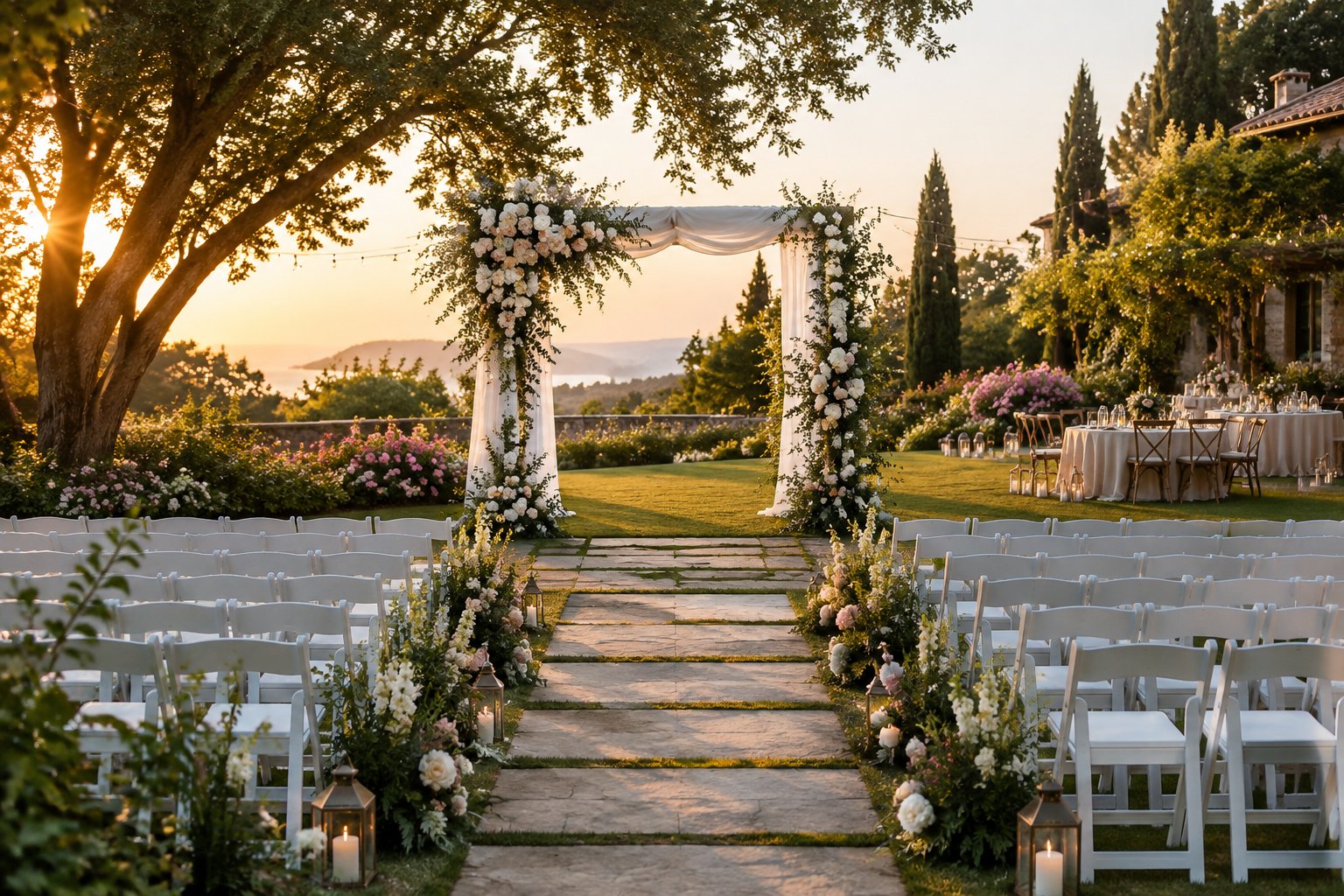
How to Choose the Right Setting for Your Celebration
The right setting combines a landscape you love with a layout that supports your outdoor ceremony, outdoor reception, and guest experience. Focus on the view, capacity, weather plan, and services before you fall in love with styling details.
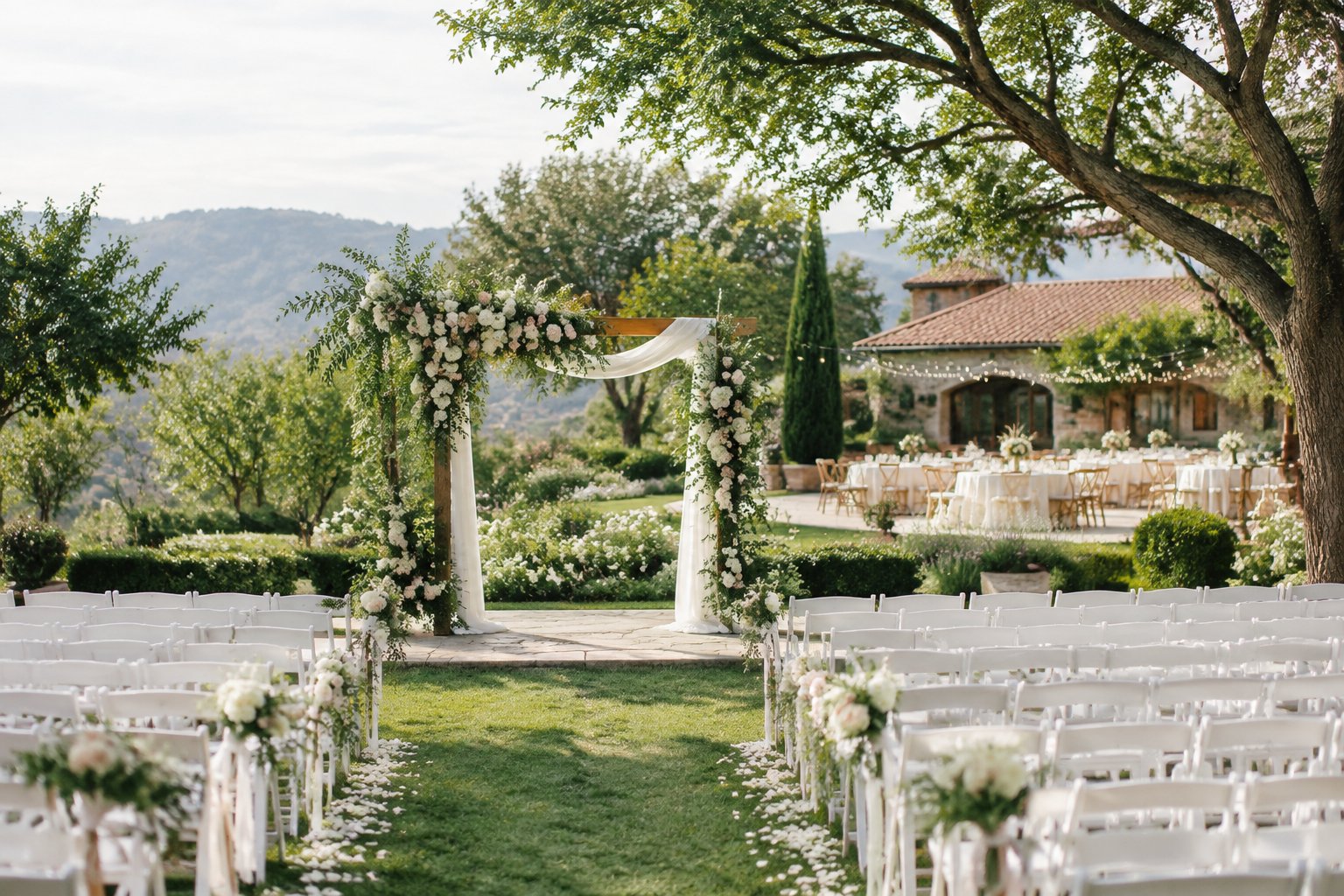
Match the Landscape to Your Wedding Style
Your preferred landscape should reinforce the mood you want guests to feel. Gardens suit romantic wedding ceremonies, while waterfront lawns create a calm, open atmosphere. Farms and vineyards work well for rustic or relaxed receptions, and formal estates fit black-tie celebrations.
Review the property at the time of day you plan to marry. Sun direction affects ceremony comfort and photography, while mature trees, walls, or hills can provide natural shade and privacy. Ask whether the venue permits arches, aisle décor, candles, hanging lights, or amplified music.
Choose a Venue That Fits Your Guest Count
Match the property’s seated capacity to your complete guest list, including the wedding party and vendors who need working space. A venue that fits 150 guests for dinner may feel crowded once you add a dance floor, buffet, bar, stage, and service paths.
Walk between the ceremony site, cocktail area, and wedding reception space. Check whether guests can move comfortably and whether the bridal suite is close enough for an easy processional. For a micro wedding, look for a setting that feels intimate without leaving large unused areas.
Ask what each package includes. Some wedding packages cover tables, chairs, staffing, setup, and cleanup. All-inclusive wedding packages can simplify coordination when the venue also provides catering, bar service, rentals, and event management.
Prioritize a Reliable Weather Backup
A strong weather plan gives you a specific alternate space, a decision deadline, and a clear changeover process. Ask whether the backup is an indoor room, covered terrace, tent, or another event space, and confirm its seated capacity.
Review policies for rain, high wind, lightning, extreme heat, and smoke. Find out who monitors conditions and who makes the final call. A written plan should also cover tent flooring, fans or heaters, lighting, umbrellas, and guest communication.
Check Access, Noise Rules, and Guest Comfort
Visit the property with mobility, transportation, and sound in mind. Look for paved routes, accessible restrooms, nearby parking, rideshare drop-off space, and seating options for older guests.
Ask about amplified music, curfews, nearby homes, generators, candles, and fireworks. Confirm vendor arrival times, load-in routes, insurance requirements, and cleanup responsibilities. These details shape your wedding services and help prevent surprises after you sign.
Garden, Botanical, and Estate Escapes
Garden wedding venues offer built-in color, texture, and ceremony backdrops, while private estates provide privacy and architectural character. Compare bloom timing, guest circulation, rain coverage, and restrictions on décor before choosing among botanical gardens, conservatories, and historic properties.
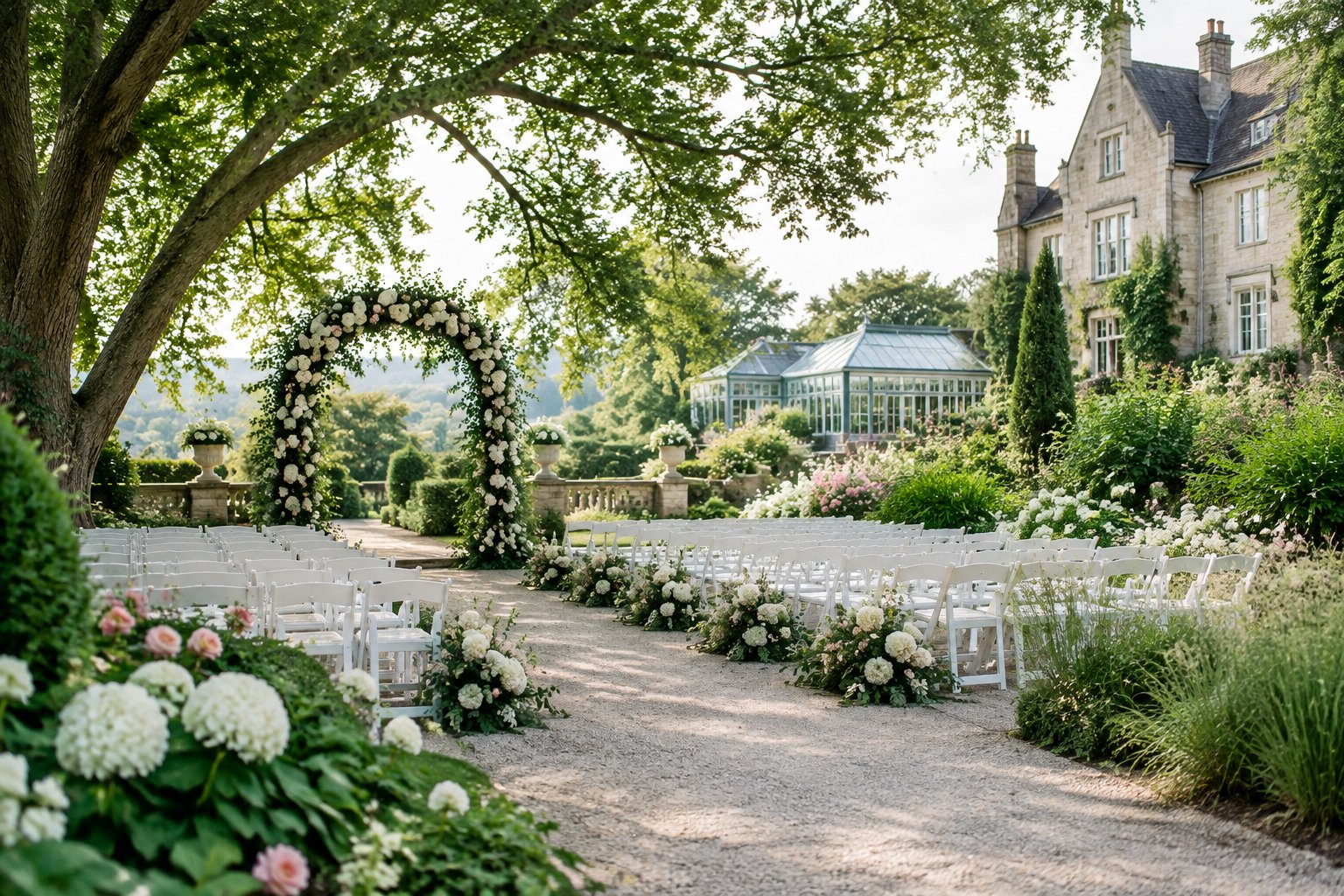
Botanical Garden Weddings With Built-In Beauty
A botanical garden wedding gives you mature planting, designed pathways, and established photo locations. Botanical gardens, conservatories, flower gardens, rose gardens, and tropical gardens each create a different mood, so ask which areas are available for your date and guest count.
Public garden venues may have visitor hours, protected plantings, approved vendor lists, or limits on candles and structures. Ask how the garden looks during your wedding month. A venue that blooms in spring may offer strong foliage and water features during summer, while fall can bring rich color and cooler evenings.
The Gardens at Heather Farm, Chicago Botanic Garden, Brooklyn Botanic Garden, Denver Botanic Gardens, and Cheekwood in Nashville, Tennessee, show how garden settings can work in urban and regional destinations.
Private Estates and Historic Homes for Timeless Romance
Private estates and historic estates pair lawns and gardens with elegant architecture. Properties such as Willowdale Estate, Wadsworth Mansion, Mustard Seed Gardens, Southern House & Garden, and Tryphena’s Garden represent the range from formal mansion grounds to relaxed garden properties.
Ask whether the house includes a bridal suite, getting-ready rooms, restrooms, and indoor dining. Confirm which rooms are available to guests and which areas remain private. Historic properties may also have preservation rules that affect lighting, hanging décor, tent placement, and amplified sound.
How Water Features, Gazebos, and Pergolas Shape the Experience
Water features create movement and a natural sound layer, while waterfalls, ponds, gazebos, and pergolas help define ceremony and reception zones. Use a gazebo for a structured vow setting or a pergola for greenery and overhead lighting.
Check the distance between water features and guest seating. Ask about railings, slippery paths, insects, evening lighting, and child safety. A beautiful feature should support guest movement and photography without blocking service access.
Standout Garden Venues From Coast to Coast
Shortlist venues by region, travel access, and the style of garden you prefer. Chicago Botanic Garden suits guests who want a polished garden setting near a major city, while Cheekwood brings cultivated beauty to Nashville. The Gardens at Heather Farm offers a more intimate garden feel, and estate properties such as Willowdale Estate combine landscaped grounds with dedicated event facilities.
Request a current site map, sample rain layout, catering rules, rental list, and photo gallery from the same season as your date. Those materials reveal how the property functions beyond its ceremony lawn.
Coastal, Waterfront, and Tropical Backdrops
Waterfront venues deliver memorable views when you plan for wind, sun, tides, permits, and guest travel. Beach wedding sites, riverfront lawns, lakefront terraces, and tropical resorts each require a weather and access plan suited to the shoreline.
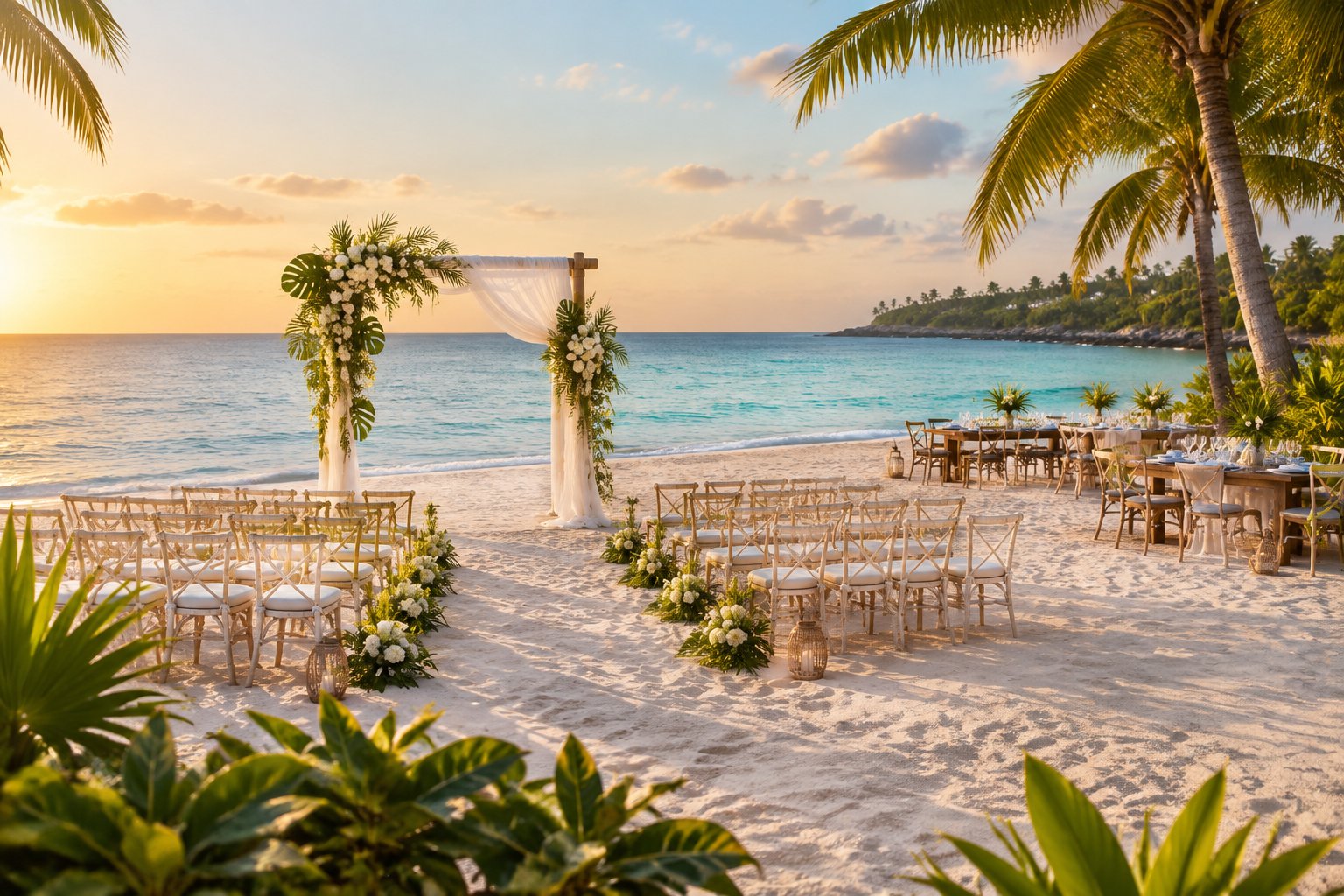
Beach Ceremonies With Ocean Views
A beach wedding creates a relaxed ceremony with the coast as your backdrop. The Pacific Ocean offers dramatic sunsets and cliffs in parts of the West, while Florida and Hawaii provide warm-weather settings with palms and calm water.
Ask about public access, permits, tide timing, sand conditions, wind, parking, and noise rules. Provide a clear path for guests and consider firm flooring, low floral designs, reserved seating, and footwear guidance. Secure every lightweight décor item and plan a shaded reception area for hot afternoons.
Lakeside and Riverfront Celebrations
A waterfront wedding beside Lake Michigan, the Hudson River, or the Payette River can offer wide views with easier access than a remote beach. Lakes and rivers also bring their own conditions, including changing wind, reflective glare, uneven ground, and cooler evening temperatures.
Inspect the shoreline during your ceremony hour. Confirm railings, lighting, restrooms, parking, and the distance between the water and dinner tables. A tent, covered terrace, or nearby indoor room helps protect the reception if conditions shift.
Destination Resorts That Simplify Guest Travel
A destination wedding resort can combine lodging, meals, ceremony spaces, and guest activities in one location. Maui and Aulani, A Disney Resort & Spa in Ko Olina offer tropical settings, while San Diego, Orlando, Florida, and Seattle provide waterfront or coastal choices with broad transportation networks.
Compare room blocks, airport transfers, guest fees, ceremony times, outside vendors, and resort event policies. Ask whether the destination wedding venue assigns a coordinator and what services remain separate from the venue fee.
Coastal Weather and Permit Considerations
Before booking, confirm the local rules for public beaches, amplified sound, structures, alcohol, parking, and cleanup. Shoreline weather can change quickly, so include a firm indoor or covered backup and a communication plan for guests.
Ask who handles permits and when applications must be filed. Review cancellation, postponement, and rescheduling terms in writing, especially for a destination wedding that involves flights and lodging.
Mountains, Farms, Deserts, and Vineyards
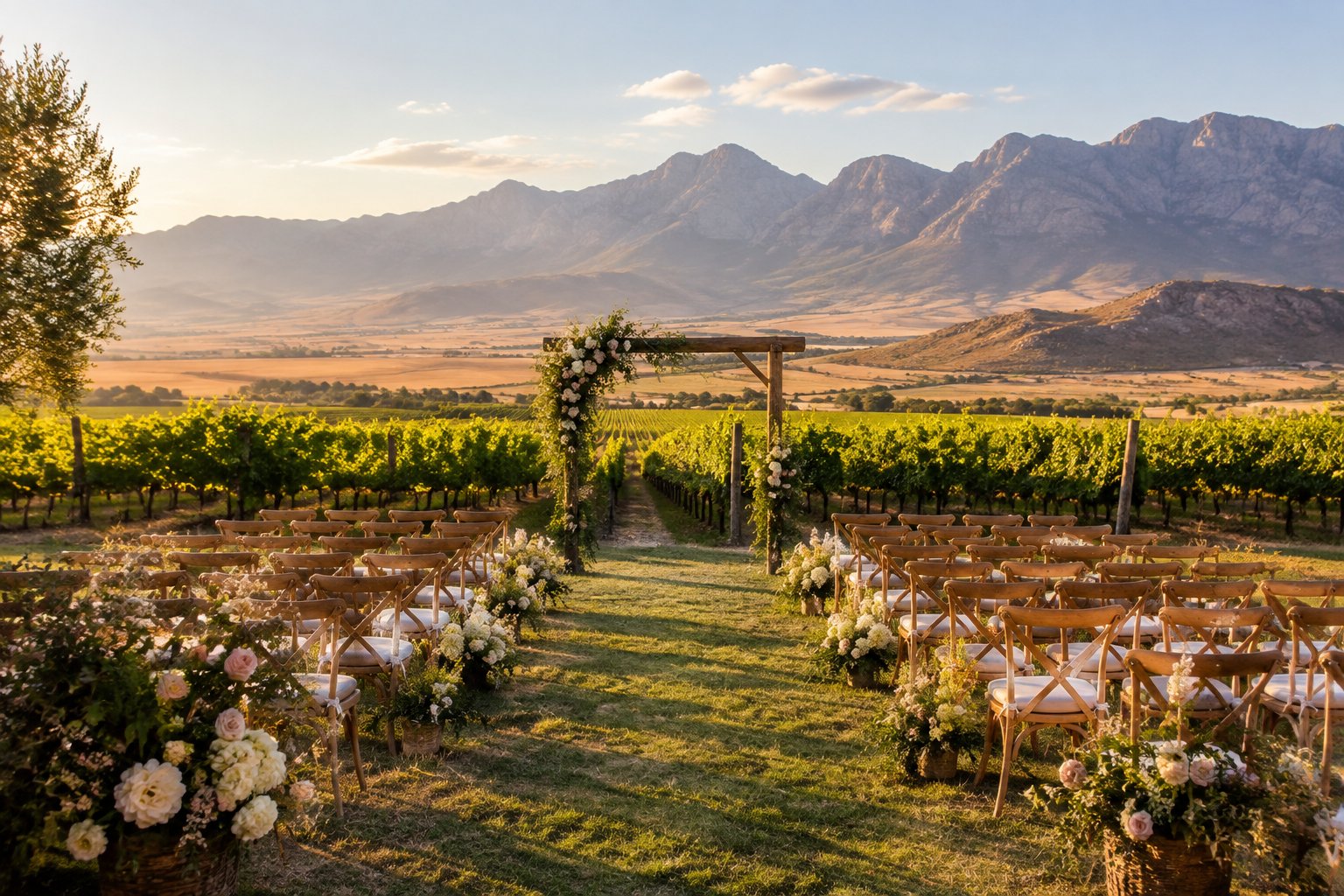
Mountain wedding venues, farms, deserts, and vineyards give you strong regional character and dramatic outdoor views. Their planning needs differ, so check elevation, road access, temperature changes, ground conditions, power, and guest transportation early.
Mountain Views for Dramatic Vows
A mountain wedding venue gives you a powerful ceremony backdrop, from alpine ridges to forested slopes. Mountain lodges and state parks suit couples who want a scenic setting with hiking, cabins, or a relaxed retreat atmosphere.
Ask about elevation, travel time, parking, shuttle access, cell service, restrooms, and weather at sunset. Guests need clear instructions for footwear and layers. Secure an indoor lodge, covered terrace, or tent plan for rain, wind, and temperature drops.
Telluride offers high-country scenery, while venues near Malibu bring mountain views with greater access to coastal cities. Confirm whether photography areas require separate permits or additional travel time.
Farm and Barn Venues With Relaxed Character
A farm wedding or country wedding venue creates an easygoing setting with fields, barns, trees, and open lawns. The look works well for rustic wedding décor, family-style meals, and outdoor dancing.
Ask about working farm activity, insects, uneven ground, restrooms, power, parking, and lighting. A barn can provide a strong reception backup, while a clear lawn may need rented flooring, a tent, or a dance surface.
Deer Creek Valley Ranch, West Mountain, and Ashton Hill Farm in Cedar Rapids, Iowa, show how farm properties range from expansive ranch landscapes to polished event farms. The Manor at 12 Oaks Farm and Dunaway Gardens offer additional Southern-inspired options.
Desert Landscapes for Sunset Celebrations
Desert venues create clean horizons, warm colors, and striking sunset light. The Paseo in Apache Junction pairs event design with views of the Superstition Mountains, while Korakia in Palm Springs brings a courtyard setting near the San Jacinto Mountains.
Plan shade, water stations, cooling fans, and comfortable seating for guests. Check heat forecasts, wind, dust, restroom access, and power for evening lighting. Desert nights can cool quickly, so let guests know what layers to bring.
Vineyard Settings for an Elevated Outdoor Reception
Vineyard wedding venues combine rows of vines with dining areas, tasting rooms, and rolling farmland. The Willamette Valley offers a Pacific Northwest wine-country setting, while California and other wine regions provide their own climate, architecture, and harvest calendars.
Ask whether vines are active on your date and whether harvest or agricultural work affects access. Confirm alcohol service rules, corkage, catering options, rain coverage, shuttle routes, and sunset timing. A vineyard reception works best when the ceremony, dining, and dancing areas connect without sending guests across steep or uneven ground.
City Views and International Destination Ideas
City rooftops and overseas estates suit couples who want a strong sense of place with open-air celebration space. Compare skyline access, historic character, travel time, legal requirements, vendor availability, and lodging before committing to a destination wedding.
Rooftops for an Open-Air City Celebration
A rooftop transforms a city wedding into an evening with skyline views, urban light, and easy access to hotels and restaurants. In Chicago, New York City, and Manhattan, rooftop venues can support ceremonies, cocktails, and dinner within one compact property.
Tribeca Rooftop offers a city setting with historic character and views shaped by its neighborhood. Ask about elevator access, wind limits, rain coverage, sound restrictions, freight access, restrooms, and closing time. Check how nearby buildings affect sunset views and ceremony privacy.
European Gardens and Villas
France and Italy offer villas, historic gardens, courtyards, and estates with architecture that carries much of the visual design. Lebanon also provides mountain, garden, and Mediterranean-inspired settings for couples seeking a destination wedding with a strong cultural backdrop.
Ask whether the property is listed on the national register of historic places or protected under local rules. Preservation status can affect candles, music, floral installations, tents, and guest movement. Request a translated contract when needed and confirm which services are handled locally.
When an Overseas Wedding Is Worth the Extra Planning
An overseas celebration fits couples who want travel, local culture, and a smaller guest list to shape the event. It also works when guests can stay several nights and the venue offers a clear planning team, lodging options, and a reliable rain plan.
Build a budget that includes flights, transfers, welcome events, lodging, currency changes, insurance, guest meals, and vendor travel. Visit before booking when possible, or hire a planner who works in the destination and can explain local contracts and customs.
Questions to Ask About Travel, Lodging, and Local Vendors
Ask the venue for a complete guest travel outline, including the nearest airport, transfer times, hotel blocks, check-in rules, and transportation after the reception. Confirm whether guests need passports, visas, vaccinations, or special documents.
Request a list of approved local vendors and clarify who manages contracts, payments, permits, setup, and cleanup. Confirm ceremony legality, officiant rules, marriage documents, backup space, cancellation terms, and the local time zone for planning calls. These answers help you compare wedding venues in the US with an international property using the same practical standards.