
Can You Say No to a Destination Wedding? Navigating Friendships and Finances
Destination weddings can be exciting, but they aren’t always easy to attend. If you find yourself facing an invitation to a wedding far from home, you might wonder if it’s alright to say no. Yes, you can say no to a destination wedding, especially if it’s not feasible for you financially or logistically.
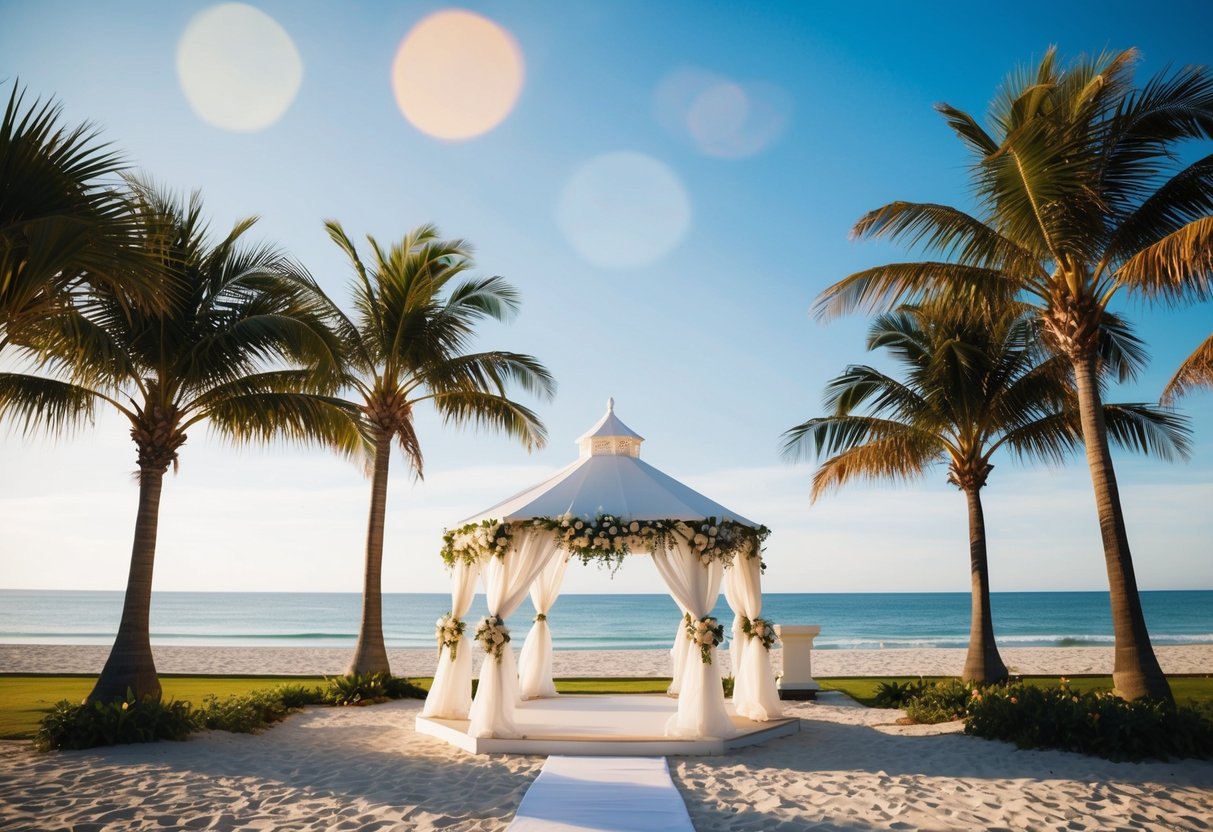
Communicating your decision should be done with care. You can express your gratitude for being included while politely declining the invitation.
It’s important to be honest about your reasons without feeling guilty. Remember, a wedding is a special occasion, but it’s okay to prioritize your own circumstances.
You’re not alone in feeling this way, as many guests struggle with whether or not to attend destination weddings. The key is to approach the situation with kindness and clarity. This way, you’ll maintain your relationship while making a choice that’s right for you.
Understanding Destination Weddings
Destination weddings are unique events that combine a wedding ceremony with an adventurous location. They usually attract a smaller guest list and offer a chance to create unforgettable memories.
Let’s break down what a destination wedding really means and why couples are drawn to celebrate their vows away from home.
What Is a Destination Wedding?
A destination wedding is a wedding held in a location away from the couple’s hometown. This can be on a beach, in a historic castle, or at a beautiful resort.
Couples often choose destinations that hold special meaning or offer picturesque settings.
Planning for a destination wedding involves a lot of details. You’ll need to send out save-the-dates early since guests often need to book travel and accommodations.
A smaller guest list is common, usually including close friends and family. This helps create an intimate atmosphere for the ceremony and celebrations.
The Appeal of Saying ‘I Do’ Away From Home
Couples often find destination weddings appealing for several reasons.
First, these weddings allow you to celebrate in a stunning location that might be more memorable than a traditional venue. You get the chance to mix travel with the wedding festivities, turning the event into a mini-vacation for you and your guests.
Additionally, a destination wedding can simplify the planning process. Many resorts offer wedding packages that include everything from the ceremony to the reception.
This can help you focus on enjoying your big day while creating memorable wedding events. Choosing a unique spot can also lead to extraordinary photos and experiences that you and your guests will cherish for years to come.
Evaluating Your Situation
When deciding whether to attend a destination wedding, it’s important to consider your personal circumstances. Understanding your budget and any prior commitments will help you make a thoughtful decision.
Assessing Your Budget
Before you respond to the wedding invitation, take a close look at your finances. Destination weddings often come with extra costs. You need to account for:
- Travel expenses: Flights or gas can add up quickly.
- Accommodation: Will you stay in a hotel or rent a place?
- Other costs: Consider meals, activities, and gifts.
If attending is going to strain your budget, it’s okay to say no. Be honest with yourself about what you can afford. If it feels too much, your friend will likely understand.
Considering Family and Prior Commitments
It’s also essential to think about your family situation and any other commitments.
Do you have obligations that could conflict with the wedding date? If you have family events, work, or travel planned, these may take priority.
Also, consider how important it is to you to be there for the couple. If you’re close friends or family, attending might be more meaningful.
Think through how missing their special day could impact your relationship. If you decide you can’t make it, let them know as soon as possible so they can plan accordingly.
RSVP Etiquette

When you receive a wedding invitation for a destination wedding, it’s important to understand the etiquette around RSVPing. Knowing how to politely decline and the importance of responding in a timely manner can help maintain good relationships with the couple.
How to Politely Decline
If you need to decline a wedding invitation, do so kindly. A simple, respectful message is key.
Start by expressing your gratitude for the invite. For example, say, “Thank you so much for inviting me to your wedding. I truly appreciate it.”
Clearly state that you will not be able to attend. You can mention a reason, such as prior commitments or travel costs, but keep it brief.
Sending your response quickly is also part of good etiquette. This allows the couple to adjust their plans if needed.
A handwritten note can be a lovely touch, but an email or message is perfectly acceptable too. Just ensure your tone is warm and sincere.
The Importance of Timely Responses
Responding promptly to a wedding invitation is crucial. Couples often incur costs based on how many guests they expect.
By replying quickly, you help them make important decisions about their special day.
Typically, you should respond by the date specified on the invitation. If there’s no specific date, aim to reply within a week or two of receiving the invitation.
For destination weddings, timely responses are especially important due to travel arrangements and guest lists. If your plans change, inform the couple as soon as possible. This shows respect for their planning efforts and allows them to reconfigure their guest list if necessary.
Navigating Pre-Wedding Events
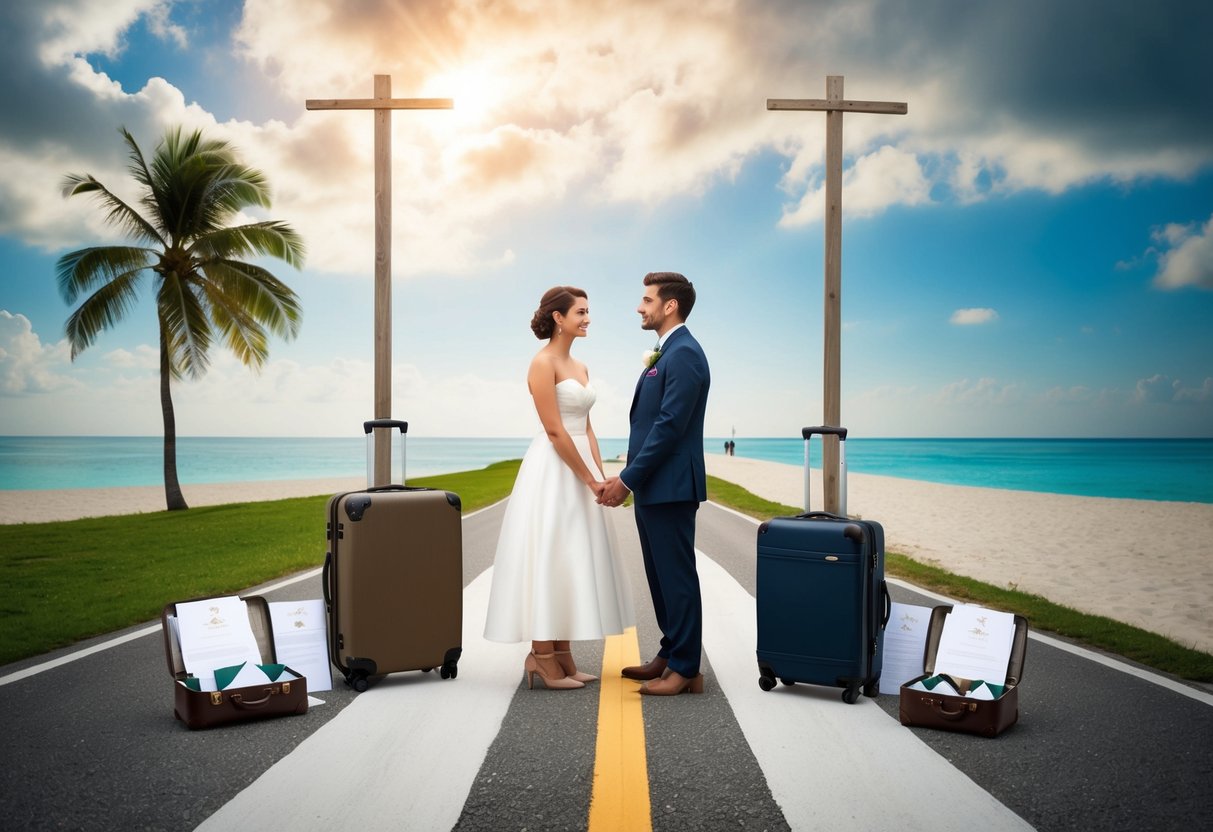
Pre-wedding events can be a delightful part of the wedding experience, but they also require careful thought, especially if you are unable to attend. Understanding how to approach these events can help you maintain relationships while keeping your feelings in check.
Bridal Shower and More
You might receive invitations to various pre-wedding events, like a bridal shower or engagement party. If you can’t make it, make sure to express your gratitude for the invitation.
Consider sending a small gift, like a heartfelt card or a personalized item. This shows you care, even from afar.
Make sure to check if there’s a wedding website for sharing RSVP details or gift registries. This way, you can participate in the celebration meaningfully, even if you’re not physically there.