
Does It Matter If the Bride Is on the Left or Right? Exploring Wedding Traditions
When planning your wedding ceremony, you might wonder, does it matter if the bride stands on the left or right? The position actually has roots in tradition and culture, but ultimately, it comes down to personal choice.
Many people believe that the bride typically stands to the left of the groom. This is said to be because it allows the groom to keep his sword hand free in case he needed to protect his bride.
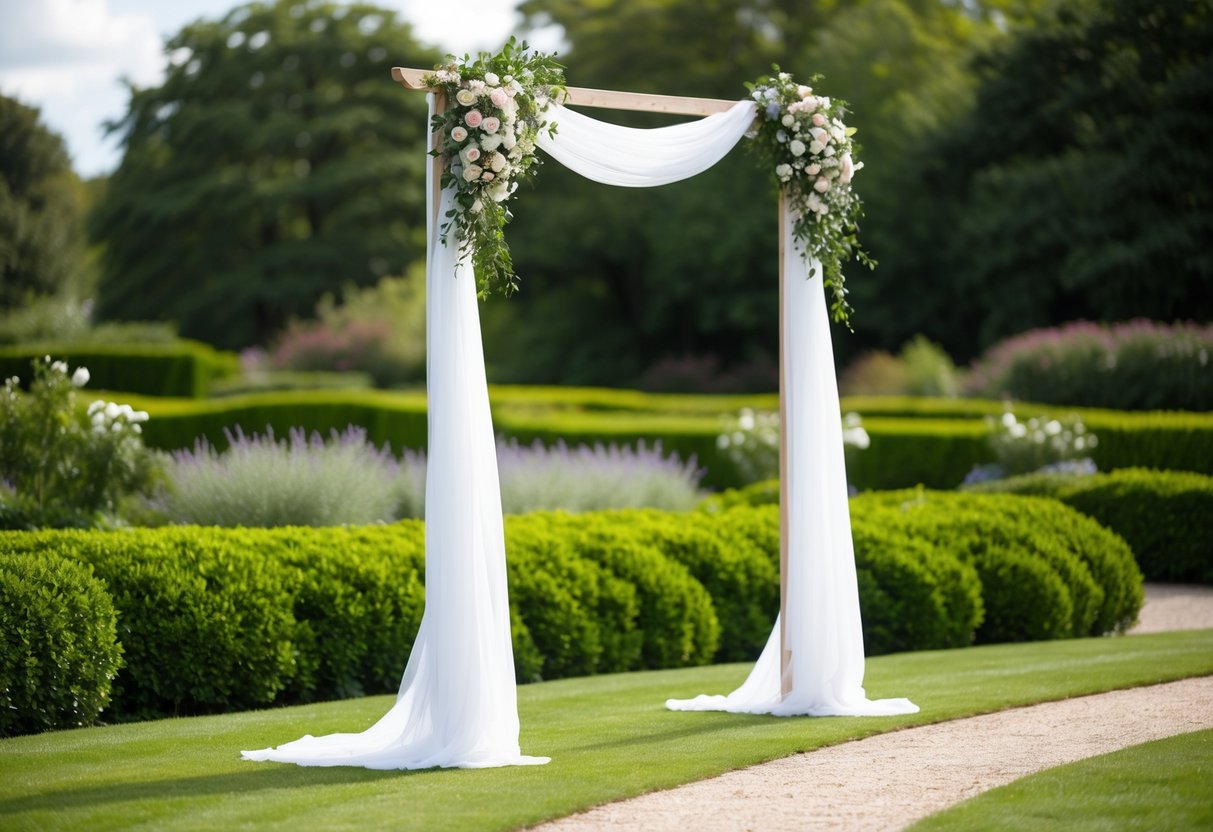
In different cultures, these positions can vary. For example, in Jewish weddings, the bride stands on the right side of the altar while the groom is on the left. These customs add unique touches to the ceremony and reflect the rich history behind wedding traditions.
Understanding these differences can help you make an informed decision about what feels right for you.
Ultimately, what matters most is the meaning of your union, rather than which side you choose. Your wedding day is about celebrating your love and partnership, no matter where you stand during the ceremony.
The Role of Tradition in Wedding Ceremonies

When you think about weddings, traditions play a huge role in how the ceremony unfolds. These customs help shape the experience and carry meaning that connects generations. Here’s a closer look at the historical and cultural aspects of wedding traditions.
Historical Perspectives
Traditions in wedding ceremonies have deep roots. For many, the placement of the bride and groom is significant.
Historically, the bride often stood on the left and the groom on the right. This practice is believed to date back to medieval times when the groom needed his right hand free to wield a sword.
The term “vena amoris,” which means “vein of love,” also ties into this layout. In ancient beliefs, it was thought that this vein ran directly from the heart to the fourth finger on the left hand. Thus, having the bride on the left symbolizes the groom’s affection for her.
Cultural Significance
Wedding traditions vary across cultures and can alter the positioning of the bride and groom. For example, in Jewish ceremonies, you’ll find that the bride stands on the right and the groom on the left while under the chuppah. This reversal highlights the bride’s importance during the ceremony.
Other cultures may have unique practices that emphasize family roles or community values. The specific placement can reflect different customs and beliefs about love, commitment, and partnership.
Understanding these traditions can add personal meaning to your wedding day, making it special and memorable.
Wedding Ceremony Structure
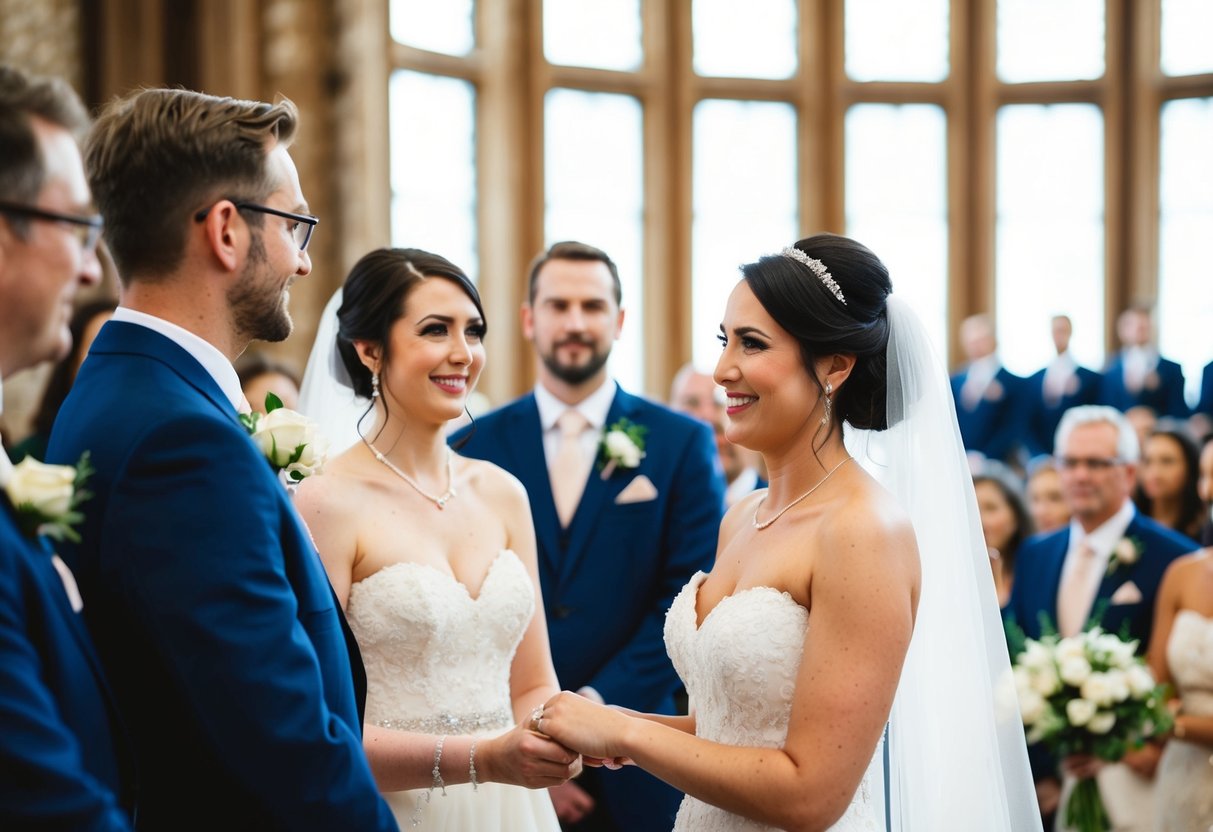
In a wedding ceremony, the way people are positioned and the order of events is important. Knowing how these elements fit together will help you plan a smooth and meaningful ceremony.
Walking Down the Aisle
The wedding procession marks the start of your ceremony. You and your wedding party walk down the aisle to the altar. Traditionally, brides walk down the aisle last. This moment sets the tone for the entire event.
During the processional, music often plays to create a special atmosphere. The officiant usually waits at the altar, ready to lead the ceremony. Family members and friends are typically seated beforehand to witness this important moment.
It’s also common to have the wedding party enter before you. This includes bridesmaids, groomsmen, flower girls, and ring bearers. Each person has a role that adds to the significance of the day.
Altar Placement and Roles
Altar placement plays a key role in the wedding ceremony. Traditionally, the bride stands to the left of the officiant, while the groom stands to the right. This setup allows for a clear view of both of you during the vows.
The officiant guides the ceremony and helps you exchange vows. They are crucial in making sure everything flows smoothly. Depending on your traditions, family members might stand near the altar too.
Jewish ceremonies often have the bride and groom reversed in placement. The roles may shift based on cultural or religious customs, so choose what feels right for you. Regardless of placement, this structure creates a focal point for your union and helps personalize the experience.
Cultural Nuances in Wedding Positions

Understanding the positions of the bride and groom can vary greatly based on cultural backgrounds and traditions. Each culture has its own significance for which side each person stands on during the ceremony.
Jewish and Hindu Traditions
In Jewish weddings, the bride typically stands on the right side of the altar while the groom stands to her left. This arrangement is meaningful and highlights the bride’s importance in the ceremony. Under the chuppah, both families are often present, and this setup symbolizes unity and respect.
In Hindu weddings, the positioning is also symbolic. The bride and groom stand together in front of a sacred fire, the agni, during the ceremony. They often circle the fire seven times, which represents their seven vows or promises. Here, both partners are equally honored, emphasizing partnership and commitment.
Christian and Orthodox Observances
In traditional Christian weddings, the groom stands on the right side, with the bride on his left. This position is said to relate back to the belief that the groom’s heart is on his left side, symbolizing the love he holds for his bride.
In Orthodox Christian weddings, the ceremony may slightly differ. The couple often stands together throughout the event without clear divisions of left or right. This inclusivity reinforces their unity as they take their vows, showing that both are equally important in the sacred union.
Customization and Personal Preferences
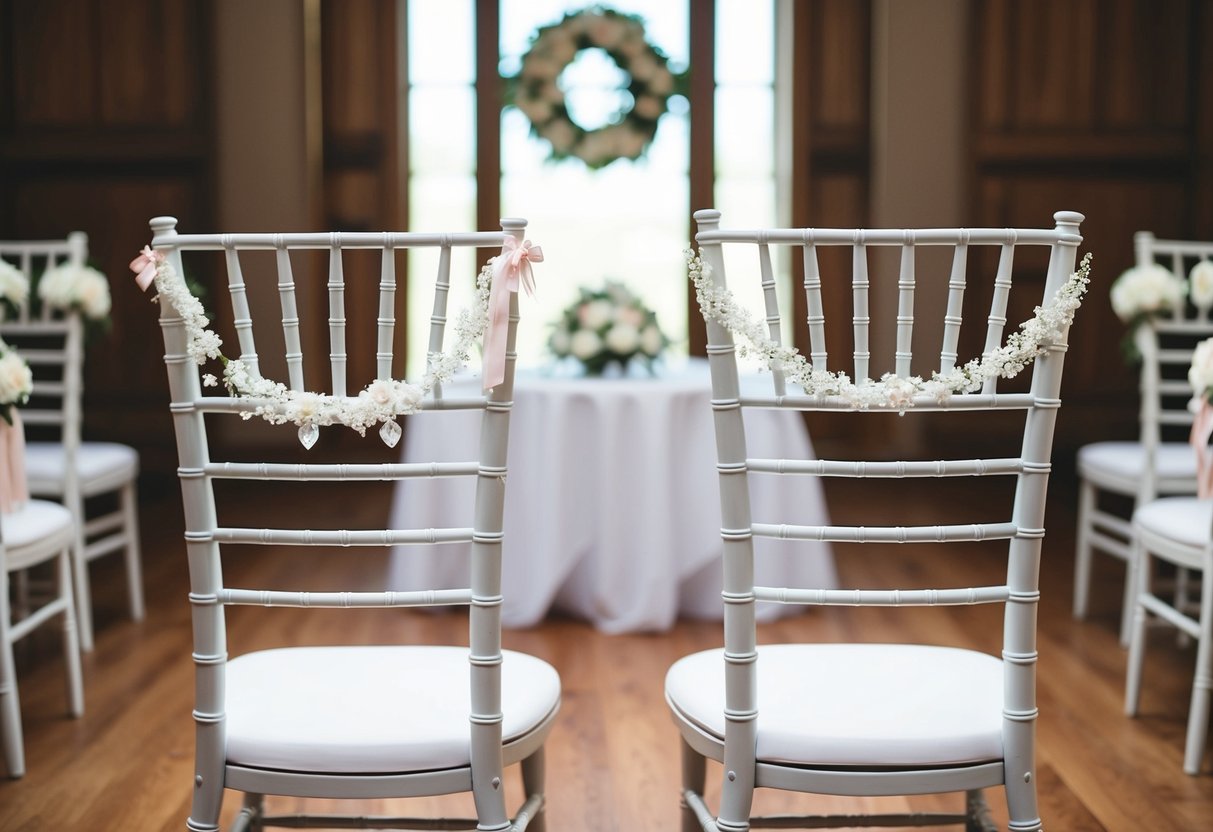
Your wedding day is a reflection of your unique relationship. The choice of whether the bride stands on the left or right side is very much about personal preference and how you want to shape the ceremony.
Modern Adaptations
Traditionally, the bride is on the left side of the altar. However, many couples today are breaking away from these norms.
Placing the bride on the right allows for a fresh perspective and can symbolize a change in roles.
You can choose to have your own reasons for this arrangement. Maybe you want to highlight the groom or give a personal nod to a family tradition. Whatever you decide, it’s important to communicate it to your families and bridal party so everyone understands and supports your choice.
Seating Arrangement and Bridal Party
The placement of the bridal party can also reflect your personal style. Traditionally, the groom stands next to his groomsmen on the right, while the bride is with her bridesmaids on the left.
You might want to mix it up. Perhaps you prefer to have a combination of genders in your party or want to create a specific seating arrangement that feels right.
There’s also the consideration of parental seating. Discussing these preferences early with your wedding officiant can ensure that everyone is comfortable and aware of the flow on your big day.