
Holiday Wedding Venue Near the Beach: Planning Guide
For a holiday wedding venue near the beach, choose an oceanfront hotel or resort with shoreline ceremony access, indoor reception space, and guest rooms on-site. That setup gives you a coastal backdrop while keeping your ceremony, reception, and lodging close together.
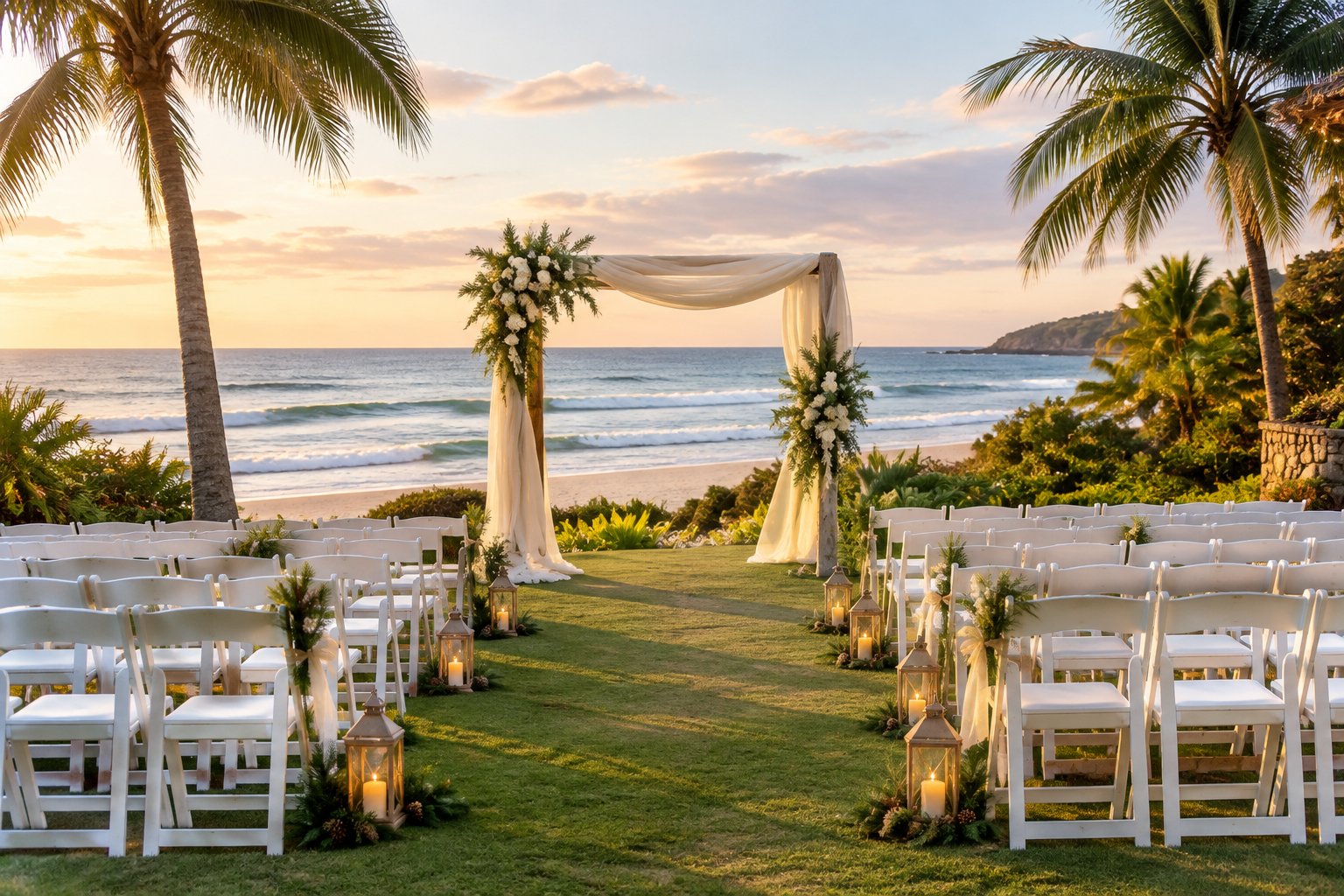
A beach celebration adds travel plans, weather decisions, and guest comfort to your venue search. If Surfside Beach suits your plans, you can ask the Holiday Inn Oceanfront wedding team about ceremony dates, guest rooms, and event spaces.
How Do You Choose a Beach Wedding Venue for a Holiday?
Start with your guest list, budget, and travel needs, then compare the privacy, services, and rules at each property. Your choice affects how guests move between the beach wedding, reception, and overnight accommodations.
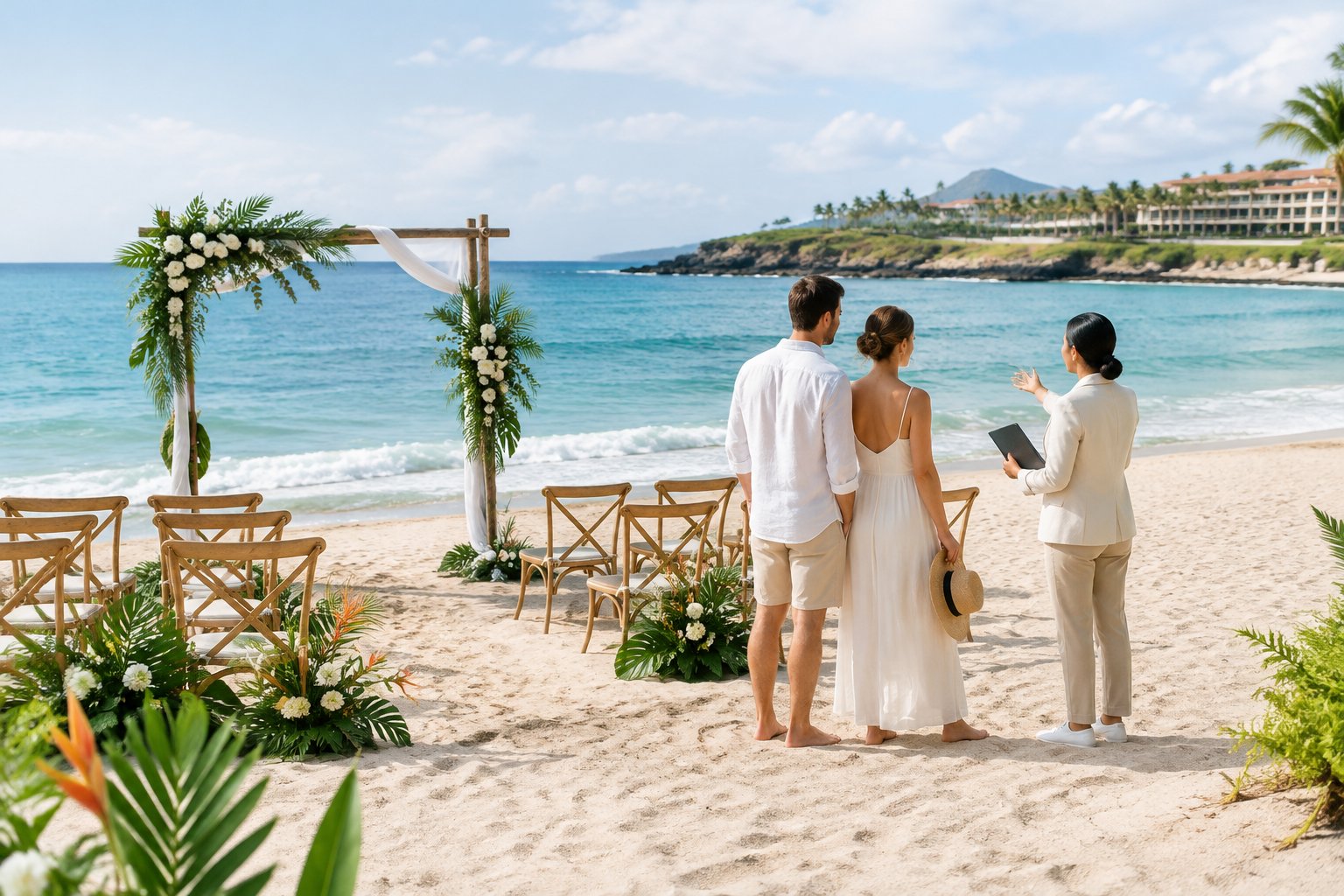
Set Your Guest Count, Budget, and Travel Priorities
Set a realistic guest count before you request quotes. A small beach wedding may fit a public shoreline and nearby restaurant, while a larger guest list calls for enough seating, restrooms, and space for dinner and dancing. If you want a more intimate setting, use these tips for choosing a small wedding venue to focus your search.
Build your budget around the full celebration. Ask for a written estimate that lists the rental fee, food and beverage costs, required rentals, service charges, taxes, and any beach permit costs. If you are keeping expenses tight, compare affordable wedding venues near the beach with hotels that bundle rooms and event services.
For a destination wedding, check flight options and drive times from the nearest airport. Consider the amount of time your guests will need away from work, and share travel details early. Your date, travel access, and celebration style can guide how you pick a wedding location.
Compare Private Beaches, Resorts, and Oceanfront Hotels
A private beach venue gives you a defined event area and more control over setup. Resorts and oceanfront hotels add services such as catering, guest rooms, and on-site event staff. A public beach may suit a simple ceremony, though local rules can limit group size, décor, sound, and setup time.
Ask who handles permits and what the venue provides for the ceremony. Confirm whether your rental includes chairs, an arch, sound equipment, setup, and cleanup. Check the schedule for guest access and vendor arrival so the ceremony space is ready on time.
Check Guest Access, Accommodations, and Venue Rules
Ask whether guests can reach the ceremony area by a paved route or need to walk across sand. Check for accessible restrooms, shade, nearby parking, and a clear route between the ceremony and reception.
Get room-block details in writing, including rates, booking deadlines, minimum stays, and the number of rooms held. Review the venue rules for outside vendors, amplified music, candles, alcohol, and event end times. If your plans include several gatherings, confirm that the spaces you need are available across the full weekend.
Which Venue Features Matter Most?
Choose a venue with a ceremony setting you love and an indoor event space that works for your guest count. A strong coastal layout gives you ocean views while providing a practical plan for dining, dancing, and weather changes.
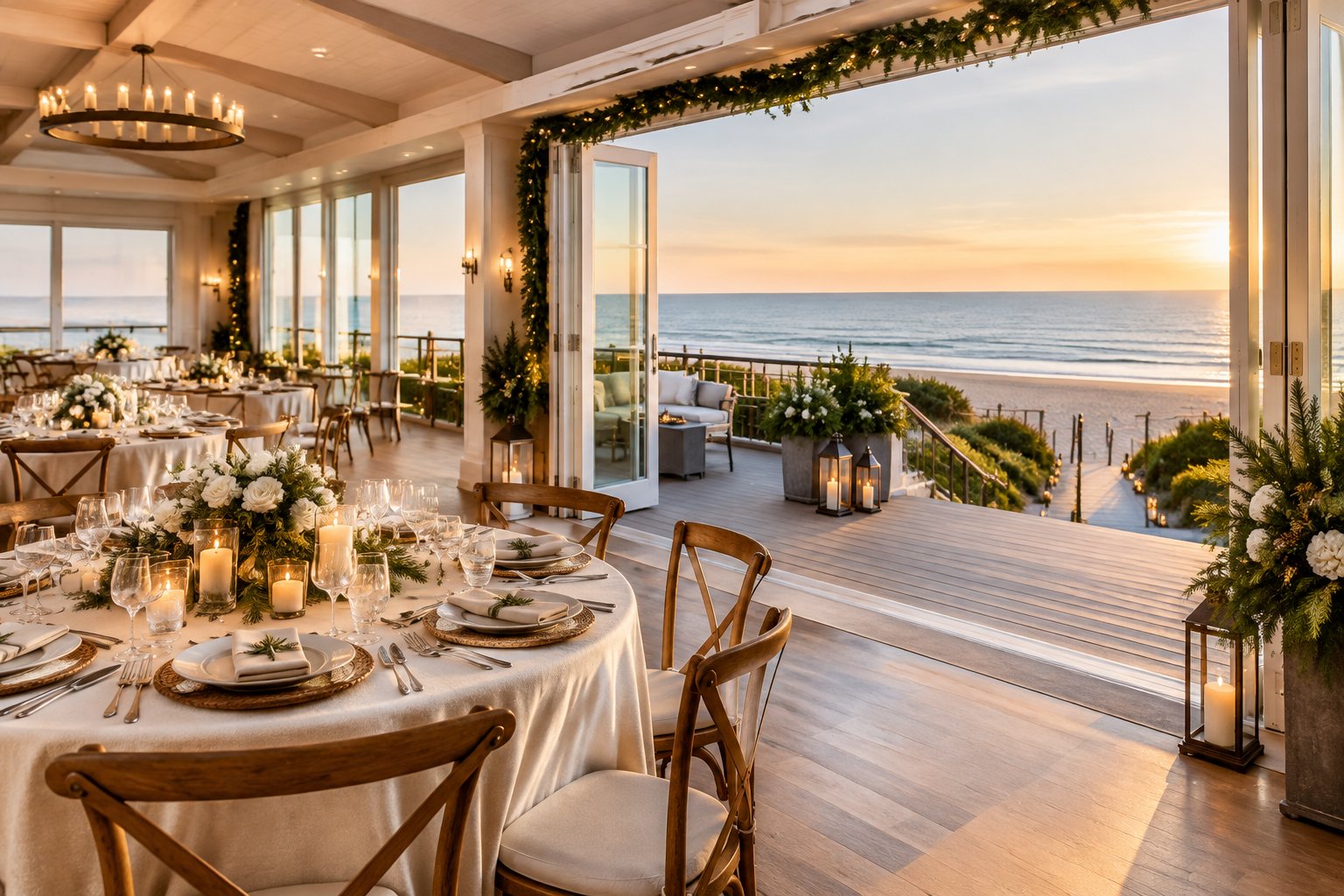
Ceremony Spots with White Sand Beach or Ocean Views
A white sand beach gives you a classic shoreline setting, while a deck, lawn, or terrace can offer ocean views with firmer footing. Visit the ceremony area at the time of day you plan to use it. Note the sun’s direction, wind exposure, nearby public access, and distance to restrooms.
Ask about tide schedules and the space available for chairs and an aisle. For a beach wedding ceremony, confirm whether the property manages permits and how staff will set up the area. Your sound plan deserves the same attention: waves and wind can make vows hard to hear, so ask which amplification options the venue allows.
Use beach wedding ideas to shape your décor around the setting. Choose weighted pieces and secure any loose items so the breeze does not disrupt the ceremony.
Indoor Event Space for Receptions and Bad Weather
An indoor event space gives you a defined plan for dinner and dancing when coastal weather shifts. Check the room’s capacity with your actual layout, including tables, a dance floor, a bar, and space for vendors to work.
Ask how the venue moves the event indoors if rain or high wind affects your plans. Confirm who makes the weather call, when the decision happens, and whether the indoor room will be set before guests arrive. If the reception stays outdoors, ask about tent options, lighting, power, and flooring.
Room for a Beach Wedding Ceremony and Reception
A venue with several event areas lets you move from the wedding ceremony to cocktails and dinner with less travel. Walk the route from the beach to the reception space and check for steps, narrow paths, and places where guests can pause in shade.
Review a floor plan with your guest count. Ask where the band or DJ will set up, where dinner service will enter, and how guests will reach restrooms. If your reception is on the sand, confirm the venue’s plans for stable tables, chairs, and accessible paths.
Which Beach Destinations Suit Your Wedding?
Destin, Myrtle Beach, and the Outer Banks offer distinct coastal settings, while Vail gives you a mountain backdrop for a non-beach celebration. Compare scenery and access with the season you have in mind and the travel time your guests can manage.
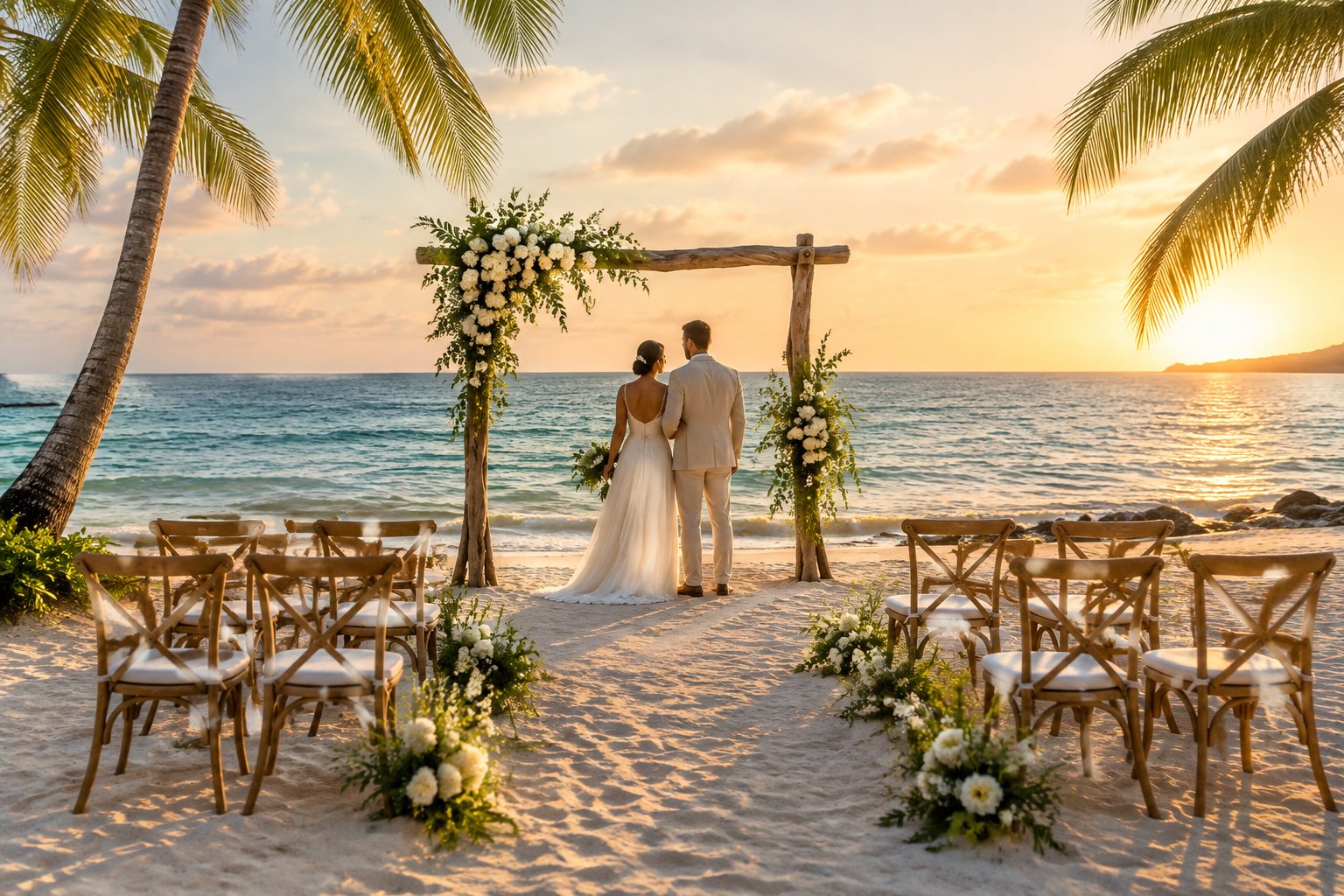
Destin for Gulf Coast Scenery
Destin gives you Gulf Coast views and pale sand for a relaxed oceanfront wedding. Look for a venue that connects your ceremony area with guest rooms and reception space, then ask about its indoor backup and seasonal weather policies.
Check flight and driving options for your group, along with nearby lodging for guests who prefer to stay off-site. If you are weighing several destination wedding locations, compare the travel route and event spaces as carefully as the beach itself.
Myrtle Beach and the Outer Banks for Atlantic Shorelines
Myrtle Beach suits a wedding weekend with hotel choices, dining, and activities close to the shoreline. The Outer Banks offers a more spread-out coastal setting, where a rental home or local venue may give your group room to gather. For either destination, check beach access, parking, event rules, and travel times between lodging and the ceremony.
If guests will arrive from different areas, share the best airport and ground-transport options on your wedding website. Ask your venue about local restrictions for chairs, tents, music, and commercial photography before you book vendors.
When to Consider a Mountain Destination Like Vail
Vail offers a mountain setting instead of an oceanfront backdrop. Consider it when you prefer alpine views, mountain air, and a different kind of destination wedding. Check seasonal access, travel time, and indoor event options before choosing a date.
If you are set on a beach, keep your search focused on coastal wedding destinations. If your priority is a scenic getaway with a distinct landscape, Vail can give you a memorable setting for your ceremony and reception.
What Do Wedding Packages and Planning Services Cover?
Wedding packages differ in what they include, so request a written list of services, fees, and exclusions before you compare prices. Look closely at catering, rentals, the coordinator’s role, and any spaces available for events beyond your wedding day.

Compare Catering, Rentals, and Reception Inclusions
Check whether the package covers your ceremony setup, reception space, chairs, tables, linens, catering, bar service, and cleanup. Ask about service charges, taxes, overtime, and costs for outside vendors. Compare the final estimate for your guest count, not just the package’s starting price.
At the Holiday Inn Oceanfront at Surfside Beach, the venue lists 3,978 square feet of event space, oceanfront areas, wedding packages, and catering menus. Ask which spaces and services are included in the package you are considering. If you want bundled services, compare all-inclusive wedding venues near the beach and check each venue’s itemized inclusions.
Ask What the Wedding Planner or Coordinator Handles
Ask who will manage your schedule, vendor arrival, setup, and ceremony flow. A venue coordinator may oversee property logistics, while a wedding planner can help organize the wider event. Confirm the person’s duties, availability, and contact method in writing. If you are deciding what level of help you need, clarify what it means to hire a wedding planner.
Request a planning timeline with key dates for menu choices, room blocks, vendor details, and final payments. You will have a clearer picture of what remains on your to-do list when each task has an owner and deadline.
Plan a Rehearsal Dinner, Including at Saltaire Coastal Kitchen & Bar
A rehearsal dinner gives you a relaxed way to gather with family and your wedding party before the ceremony. Ask about private or reserved dining space, menu choices, guest capacity, and the time you can use the room.
At the Holiday Inn Oceanfront at Surfside Beach, Saltaire Coastal Kitchen & Bar is an oceanfront restaurant and lounge listed as an option for rehearsal dinners. Ask the venue team about current availability and dining arrangements, then share the location and start time with guests in your weekend schedule.
How Can You Plan a Smooth Beach Wedding Weekend?
A smooth beach wedding weekend comes from a clear weather plan, organized guest travel, and practical guidance about the shoreline. Give guests key details early so they can prepare for the setting and follow the schedule with ease.
Choose a Season and Backup Plan for Coastal Weather
Check typical local weather patterns and ask the venue about its policies for rain, wind, heat, and severe weather. Choose a ceremony time that gives you comfortable conditions and useful daylight for photos. Your backup should name a specific indoor space or tent, the person who makes the weather decision, and the time guests will be notified.
Review tide schedules if your ceremony is on the sand. Ask the venue how tides affect the available setup area and confirm that the aisle and seating will remain clear during the event.
Coordinate Guest Travel and the Wedding-Day Timeline
Send save-the-dates early when your guests need to arrange flights, time off, or lodging. Share airport information, driving directions, parking details, and room-block deadlines on your wedding website. If you are planning events across several days, decide how many days you need for a destination wedding based on travel time and the gatherings you want to host.
Build your wedding-day schedule around guest arrival, the ceremony, photos, dinner, and transportation. Leave time for moving between spaces and let guests know where to go next. Confirm the timeline with your venue coordinator and vendors before sharing the final version.
Share Dress, Footwear, and Beach Etiquette Tips
Tell guests if the ceremony takes place on sand and name the dress code on your invitation or wedding website. Suggest flat shoes, sandals, or footwear that feels steady on soft ground.
Remind guests to bring sun protection and a light layer if the ceremony runs into the evening. Ask guests to respect posted beach rules and keep walkways clear.
If you provide a shoe station or shaded seating, include its location in your welcome details so guests know what to expect.