
How Long Is Too Long Between Ceremony and Reception? Timing
A ceremony and reception can feel like one celebration when guests know where to go and what happens next. How long is too long between ceremony and reception? More than two hours is a stretch unless you give guests a clear, comfortable plan for the break.
A 60- to 90-minute window works well for many weddings, especially when you use it for photos, travel, and a hosted gathering. If your schedule needs a longer pause, you can help guests feel at ease with clear timing and a few useful options. Start by drafting your ceremony end time, travel time, and reception start, then share the plan with your venue team or planner.
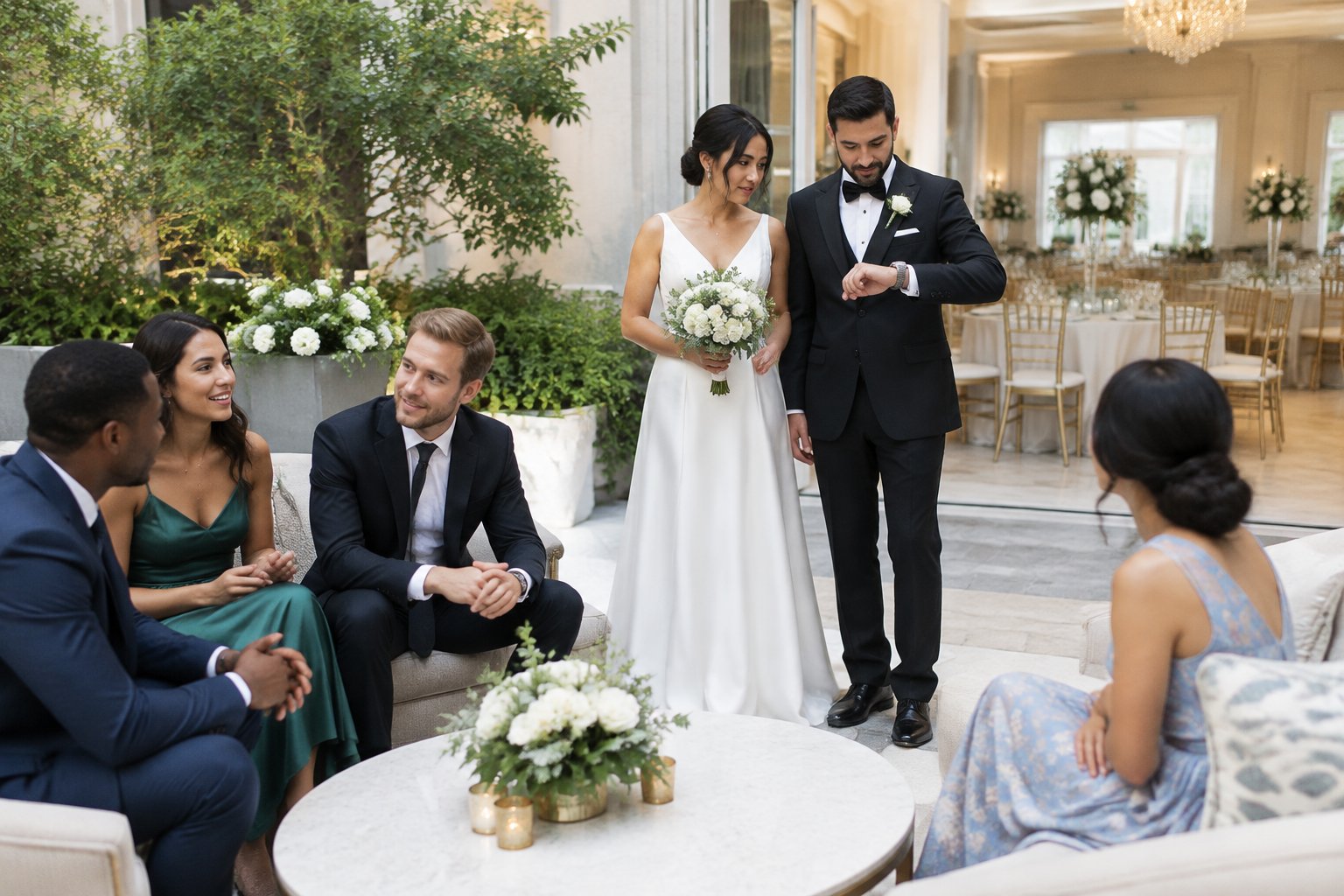
The 60–90-Minute Rule—and When It Works
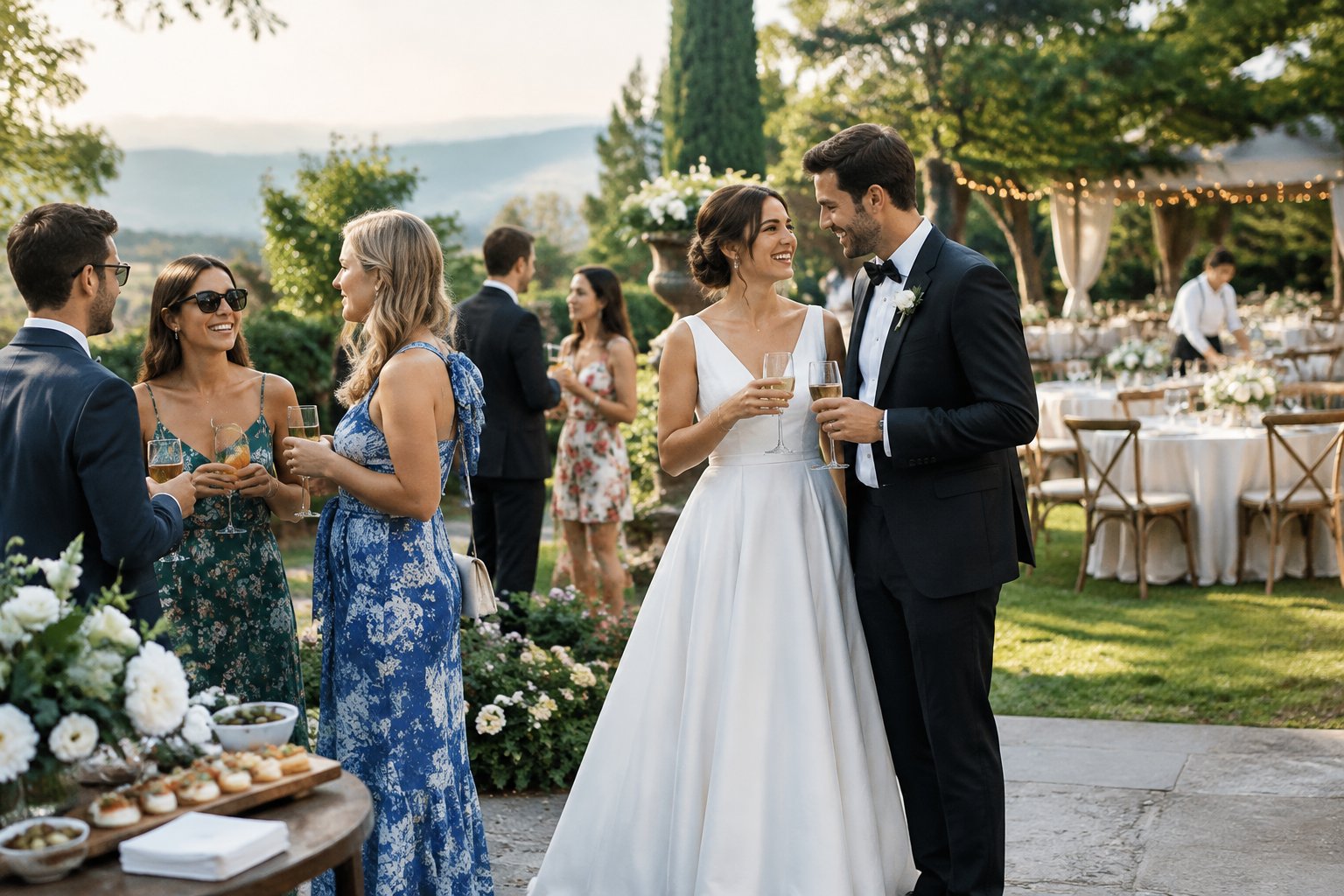
A 60- to 90-minute transition gives you room for photos and guest mingling without leaving a long stretch of unplanned downtime. Your venue setup and schedule will shape how much of that time guests spend waiting.
Why an Hour to an Hour and a Half Usually Feels Comfortable
An hour gives guests time to move from the ceremony, settle in, and enjoy a drink or snack. It also gives you a useful block for family portraits and wedding-party photos.
If you need closer to 90 minutes, fill the extra time with a hosted activity or a relaxed cocktail hour. A written wedding timeline helps you see whether each part fits. Give your photographer and venue coordinator the same schedule, including when guests can enter the reception space and when you plan to make your entrance.
How to Distinguish the Schedule Gap From Guests’ Waiting Time
Your schedule may show an hour between the ceremony and reception, while guests experience that hour as a hosted cocktail period. Those feel very different.
If the ceremony ends at 4:30 and drinks begin at 4:30, guests have a continuous event, even if dinner or the reception program starts at 5:30. Count the time guests spend without a place to go or something planned. Travel, check-in, and a short wait for the doors to open all add to that unhosted time. Make sure your invitation and wedding website explain when each part begins.
Which Details Should Set Your Schedule?
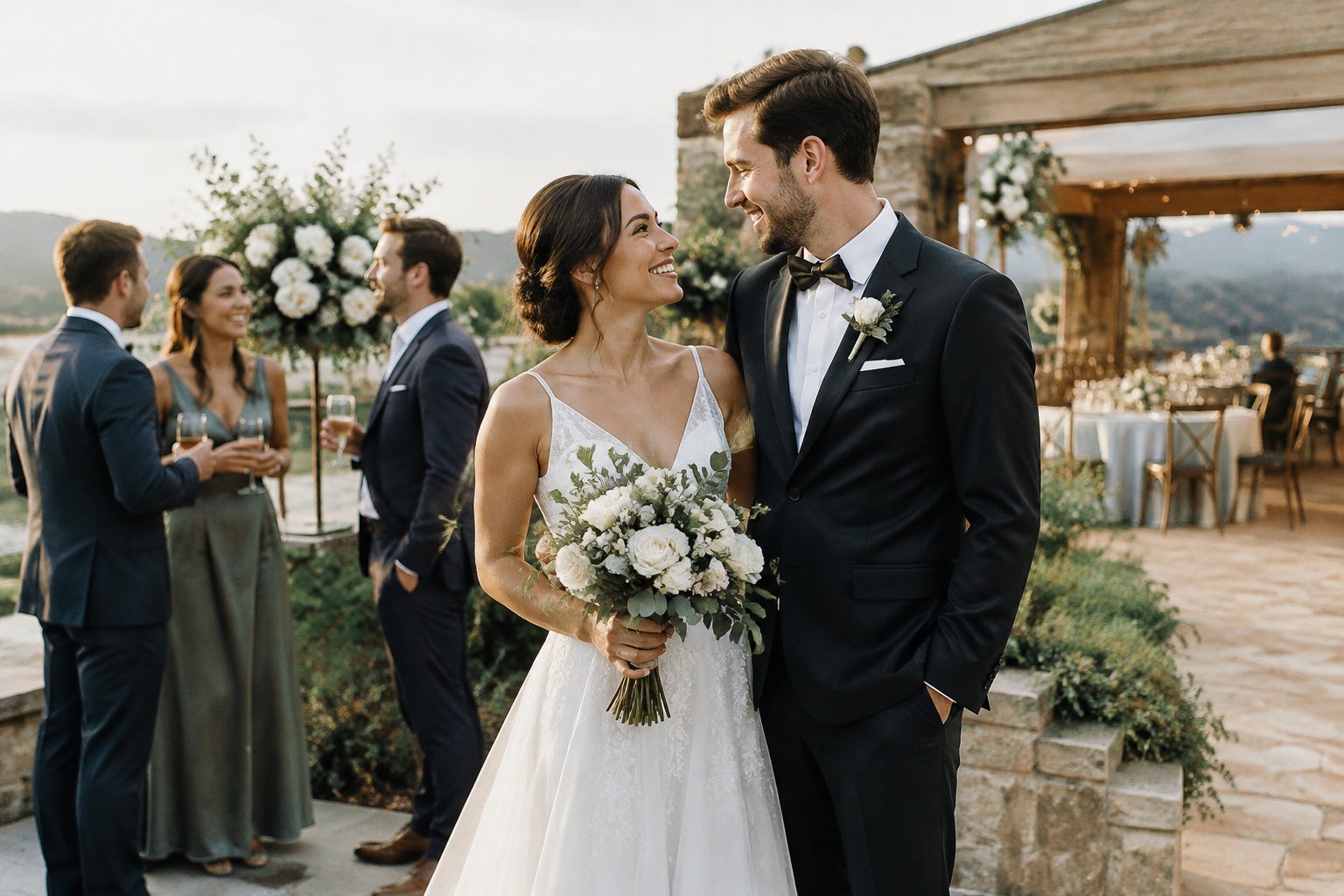
Set your schedule around the actual travel time, the length of your ceremony, your photo plan, and the meal service. These details help you create a realistic transition and decide whether your guests need a hosted gathering.
How Venue Distance and Travel Time Affect the Gap
Allow time for guests to leave the ceremony site, reach the reception, park, and find the entrance. A 25-minute drive can take longer when guests travel in a group or navigate an unfamiliar area.
Check the route at the time of day your wedding will take place, then add a buffer for traffic and parking. If you arrange shuttle buses, give guests clear pickup times and locations. For out-of-town guests, include directions and transportation details on your wedding website. A guide to activities for destination wedding guests can also help you plan for a longer break.
How Ceremony Length and Family Photos Fit In
A short ceremony leaves more room for a relaxed transition, while a longer religious or cultural ceremony may shift your reception later. Ask your officiant for a realistic estimate and include time for the processional and recessional.
Family photos need a firm plan. Give your photographer a list of the group combinations you want, and ask a relative to gather family members when it is their turn. Your wedding schedule should show when portraits happen and where guests can gather during that time. If you take most portraits before the ceremony, you can shorten the post-ceremony photo block.
Why Meal Timing and Reception Start Time Matter
Think about when guests last ate and when dinner will be served. If your ceremony ends in the late afternoon and dinner is several hours away, offer substantial appetizers or a planned meal during the break. A small snack may not satisfy guests through a long pause.
Also define what you mean by “reception start.” Guests might enter for cocktails at 5 p.m., while your introductions and dinner begin at 6 p.m. Make those times clear in your schedule so guests know when to arrive and when the meal begins.
How Can You Keep Guests Comfortable During the Wait?
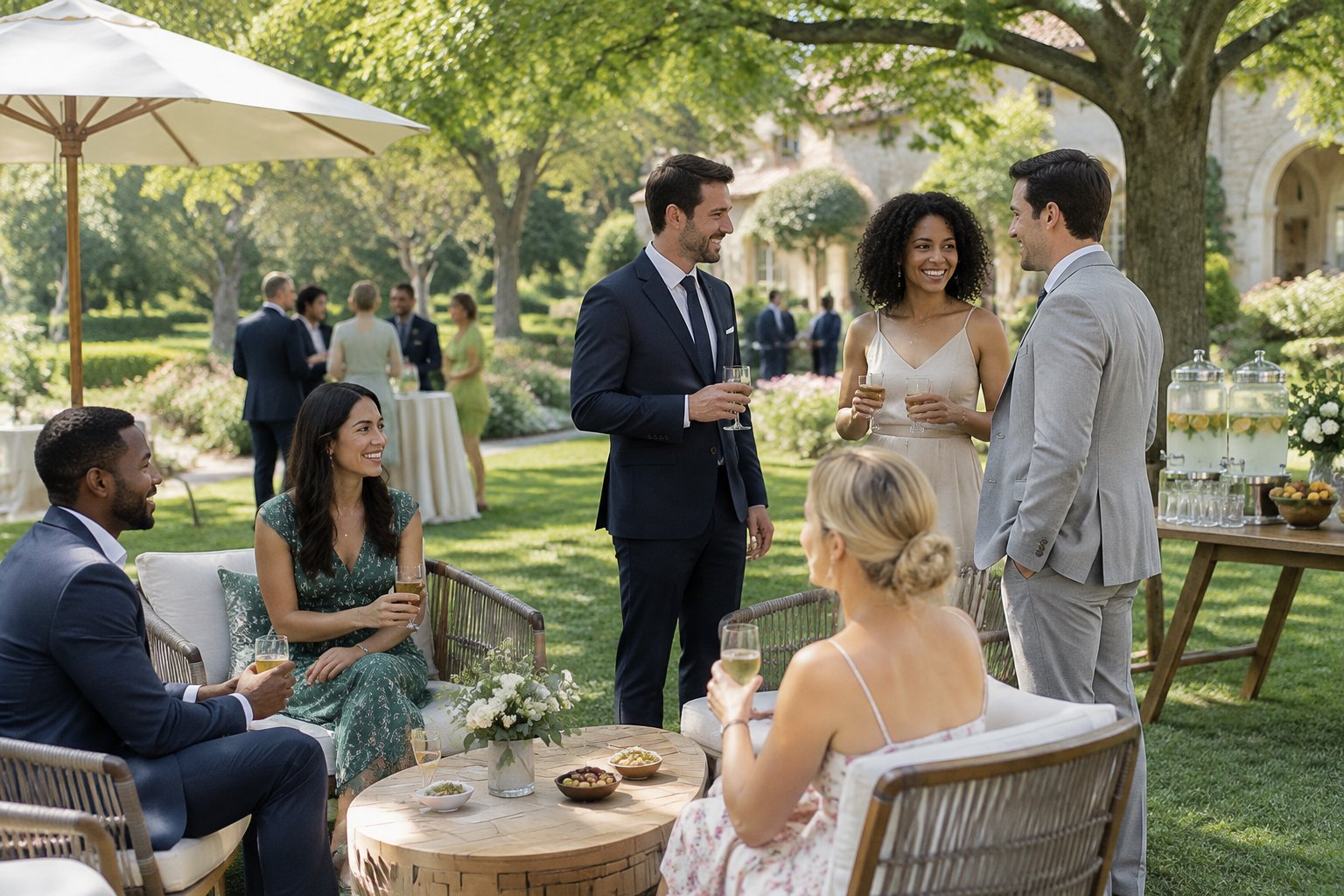
A hosted cocktail hour or pre-reception gathering gives guests a place to relax while you finish photos or prepare the reception room. Add clear directions, refreshments, and seating so guests can settle in without searching for the next step.
Use a Cocktail Hour to Keep the Celebration Moving
A cocktail hour works well when it starts soon after the ceremony and continues at the reception venue. Guests can mingle and enjoy drinks and appetizers while you complete portraits. Ask your catering team when food service begins and make sure there are nonalcoholic drinks available.
Provide a few seats for older guests and anyone who needs a break from standing. If the reception room needs time to be reset, tell guests where to wait and when the doors will open. Your planner or venue coordinator can manage that transition while you take photos.
When a Pre-Reception Gathering Makes Sense
A pre-reception gathering can bridge a longer gap when guests are staying at the same hotel or when the ceremony site has a comfortable gathering space. A casual lounge, hotel patio, or hosted coffee stop gives guests somewhere to reconnect before the main event.
Choose a spot that is easy to find and works for the length of the break. If guests need to leave and return later, share the exact return time and address. You can include a simple schedule in your wedding website or printed program.
Offer Seating, Refreshments, and Clear Directions
Guests feel more at ease when they can sit, get water, and understand where to go. Make sure your signs point toward restrooms, the cocktail area, and transportation pickup points. If the reception is at another venue, include the address and parking details with your directions.
If guests need help finding their seats when the reception begins, assign ushers or ask your coordinator to guide them. Share when guests should be seated with the people helping you manage the room.
How Do You Make a Multi-Hour Break Work?
A multi-hour break works best when guests know how long it lasts and have a comfortable way to use that time. Give them options in advance, then make the return plan easy to follow.
Give Guests a Clear Return Time and Plan
Tell guests when the reception venue opens and when you expect the program to begin. If the break lasts several hours, avoid leaving people to guess whether they should stay nearby or return later.
Put the schedule on your wedding website and repeat key details on a printed card or sign. Include a contact person for day-of questions, such as your planner or a trusted family member. You can also announce the next steps before guests leave the ceremony site.
Share Nearby Options for Out-of-Town Guests
Offer a short list of nearby cafes, parks, or hotel lounges that suit the amount of time available. Include addresses, estimated travel times, and notes about whether guests need reservations. Keep the options close enough that guests can return on time.
If guests will be wearing formal clothes, choose suggestions with indoor seating and easy access. A quiet place to rest can be more useful than a packed list of attractions. A 3 p.m. wedding timeline can help you think through an afternoon ceremony followed by an evening reception.
Consider Transportation, Comfort, and Food
For a long gap between venues, plan how guests will get from one place to the next. A shuttle can help guests who do not know the area, and a clear pickup schedule can prevent people from missing the ride. Include the pickup point and departure time in your directions.
Consider the weather and the needs of guests with mobility concerns. In warm weather, provide shade and water; in cold or rainy conditions, make sure guests have an indoor place to wait. If dinner is several hours away, plan a substantial snack or meal so guests arrive ready to enjoy the reception.
What Could a Smooth Wedding-Day Timeline Look Like?
Same-Venue Example With a One-Hour Cocktail Hour
For a same-venue wedding, you can begin the cocktail hour as soon as the ceremony ends. Guests stay on-site while you take family portraits and finish couple photos.
- 4:00 p.m. Ceremony begins
- 4:30 p.m. Ceremony ends; cocktail hour begins
- 4:30–5:15 p.m. Guests mingle while you take photos
- 5:15 p.m. Guests are invited into the reception space
- 5:30 p.m. Reception entrance and welcome
- 6:00 p.m. Dinner service begins
A 4 p.m. wedding itinerary can help you adjust the rest of the day around this start time. If dinner service begins later, let guests know whether cocktails and appetizers will continue.
Two-Venue Example With Travel and Photo Time
For two venues, build travel into the schedule and tell guests when to leave. In this example, the full time from ceremony end to reception entrance is 90 minutes, including the drive and cocktail hour.
- 3:00 p.m. Ceremony begins
- 3:30 p.m. Ceremony ends; family photos begin
- 3:45 p.m. Guests depart for the reception venue
- 4:15 p.m. Guests arrive and cocktail hour begins
- 4:15–5:15 p.m. You finish portraits while guests mingle
- 5:15 p.m. Reception entrance
- 5:45 p.m. Dinner begins
Share the driving and parking details with guests before the wedding, and keep your photographer and transportation provider on the same timeline. If you want to adjust the evening’s length, use a guide to how long a reception should last as you set the dinner and dance-floor schedule.