
If I Invite 120 People to My Wedding, How Many Come? Explained
If you invite 120 people to your wedding, plan for about 96 to 102 guests to attend, using an 80–85% attendance estimate. Your final wedding guest count will depend on who you invite, how far they need to travel, and whether your count includes plus-ones and children.
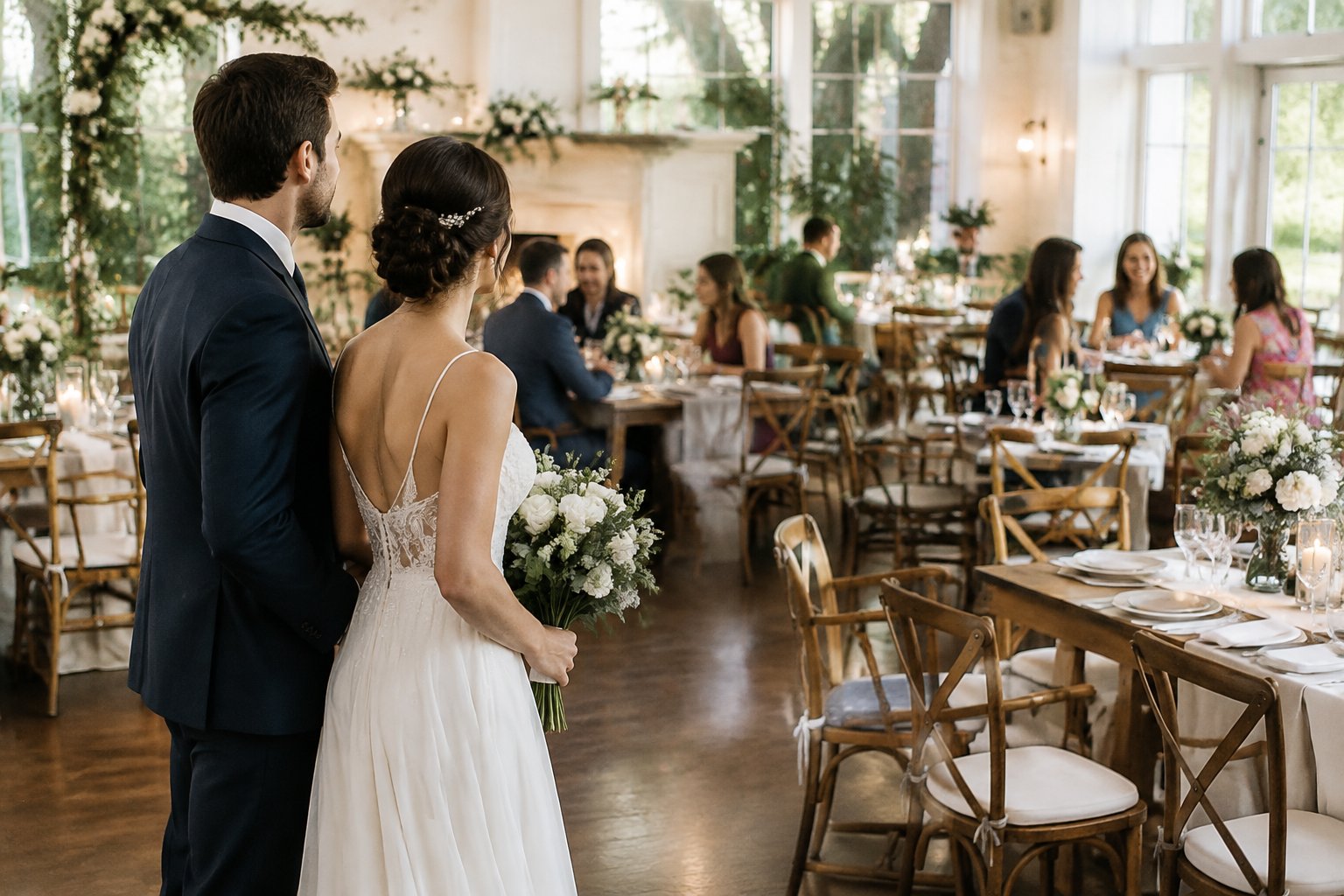
Treat that range as a starting point, then adjust it to fit your guest list. Begin by sorting your invitees into groups and noting who lives nearby, who must travel, and who has a plus-one. That gives you a more useful expected attendance estimate for wedding planning.
Use the RSVP Rate to Build a First Estimate
For 120 individual invitees, an 80–85% RSVP yes rate gives you a first estimate of 96 to 102 attendees. Your guest mix can move the count up or down, so use the percentage as a planning baseline.

What Does an 80–85% Attendance Rate Mean for 120 Invitees?
An 80–85% rate means roughly 15 to 20 out of every 100 invited people decline. For a list of 120 people, that works out to about 18 to 24 declines, leaving 96 to 102 guests expected to attend. You can compare this range with estimates for what percentage of invited guests come to a wedding.
Keep the unit clear as you count. If your list has 120 names, use 120 as the starting number. If you mean 120 invitation envelopes sent to households, count each person named on the invitation separately before applying an attendance rate.
How Do You Calculate Expected Attendance?
Multiply the number of people invited by the attendance rate you expect. For example, 120 × 0.80 = 96, while 120 × 0.85 = 102. If you want one working estimate, the midpoint is 99 guests.
You can calculate the number yourself or use a simple spreadsheet with columns for invited people, expected yes responses, and confirmed RSVPs. For a closer estimate, apply a separate rate to meaningful groups, such as local friends and guests traveling from out of state, then add the results. This approach follows the basic steps for calculating your wedding guest count.
Adjust the Estimate for Travel and Wedding Date
Travel distance and the day of the week can change your expected attendance. Use your 96–102 estimate as a starting range, then consider how much effort each group needs to make to be there.

How Does Out-of-Town Travel Affect RSVPs?
Guests who need flights, hotel rooms, or time off work face more planning steps, which can lead to more declines. A large out-of-town group may pull your estimate below the 80–85% starting range, especially if travel costs are high or the wedding involves a long trip.
Separate local guests from those traveling, then make a reasonable estimate for each group based on what you know about them. For example, consider whether relatives have already said they plan to attend or whether travel arrangements could be difficult. For a wedding where most guests must travel, use guidance for estimating attendance at a destination wedding.
Does a Saturday Wedding Usually Draw More Guests?
A Saturday wedding often makes attendance easier because many guests have more flexibility around work and travel. Your date still shares the calendar with holidays, school breaks, major local events, and other weddings, so check those details before settling on your forecast.
If your wedding falls on a weekday or holiday weekend, review the list for guests who may need extra time off or face a longer journey. You can also ask close family and friends about date conflicts before you send invitations. Their feedback helps you adjust the expected attendance estimate while changes are still easy to make.
Account for Relationships and Plus-Ones
Your relationship with each guest gives you useful clues about attendance, while household and plus-one rules determine who belongs in the count. Review each invitation as a set of people, not just an envelope.

Which Guests Are Most Likely to Attend?
Close family, wedding party members, and nearby friends may be more likely to attend because they have strong ties to you or a central role in the day. Distant acquaintances and guests facing travel costs may be less certain. Use your knowledge of each person instead of assuming every guest in a category will respond the same way.
For a more realistic count, mark guests as high, medium, or uncertain attendance, then review those groups against the 80–85% starting estimate. Keep the categories simple so your list stays easy to update. Your personal estimate should reflect the people you invited, not just a broad average.
How Should You Count Households, Children, and Plus-Ones?
Count every person who could attend. One invitation addressed to two adults represents two invitees; an invitation that includes children or a plus-one represents additional possible attendees. Track the named guests and any permitted additions in separate fields so your RSVP count stays accurate.
Set your plus-one rules before invitations go out, then apply them consistently. If you are limiting plus-ones, make each invitation clear about who is invited. Your count should include children only when they are welcome at the event. A consistent policy for limiting plus-ones at a wedding helps you keep your guest list within its intended size.
Turn the Forecast Into a Practical Guest Count
Use your forecast to guide early wedding planning, while keeping a small range for responses you have yet to receive. A working estimate helps with early choices, and confirmed RSVPs should replace it as your wedding day gets closer.

How Much Room Should You Leave for RSVP Uncertainty?
Keep a range, such as 96 to 102 guests, until your invitations produce a clear response pattern. Your venue and budget should allow for the possibility that attendance lands near either end of that range. If your guest list includes many travelers, consider planning with a wider range while you wait for replies.
Avoid inviting extra people just to fill seats unless you are comfortable hosting them if they all accept. The RSVP estimate is useful for planning, while your invitation list sets the maximum number of people who could attend. For help turning your list into a practical forecast, use the same steps involved in estimating how many people will come to your wedding.
When Should You Replace the Estimate With Actual RSVPs?
Update your forecast as responses arrive, and use the final RSVP count once your deadline passes and you have followed up with guests who have not replied. Keep a separate list of confirmed yes responses, declines, and unanswered invitations so you can see exactly where the count stands.
Set your RSVP deadline early enough to contact late responders and meet your venue’s or caterer’s headcount deadline. Ask those vendors when they need the final number, then work backward to set the date on your invitations. After the deadline, use confirmed responses for seating and meal counts, and check any late changes with your vendors.
Use the Headcount to Guide Key Wedding Decisions
Your expected attendance gives you a working basis for venue and budget choices, while the confirmed RSVP count guides your final arrangements. Keep both numbers visible so early estimates do not get mistaken for final commitments.
How Does Attendance Affect Your Venue and Budget?
Venue capacity, food, drinks, rentals, and table layouts all depend on how many people you expect. A gap of 10 guests can affect costs when charges are based on each person, so use a realistic range when comparing venues or setting your budget.
Review the venue’s capacity and payment rules before deciding how many invitations to send. If your budget has a firm limit, plan your guest list around the number you can afford to host at the high end of your estimate. A clear plan for allocating your wedding budget can help you reserve enough for guest-related costs.
When Should You Confirm Catering and Seating Numbers?
Confirm catering and seating figures by the deadlines your vendors provide. Your caterer may set a final meal count date, while your venue may have separate rules for room capacity, rentals, or table setup.
Ask for each deadline early and keep it on your wedding planning calendar. Use confirmed RSVPs as the basis for table assignments, meal selections, and place cards.
Add vendor meals to the catering count when required, and tell the caterer about dietary needs collected with the RSVP. If a guest changes plans after you submit the final count, contact the relevant vendors promptly to ask what updates they can accept.