
Is 70 People a Big Wedding? Guest Count Guide
Is 70 people a big wedding? At 70 guests, your celebration sits in the medium-size range and can feel intimate compared with a large event.
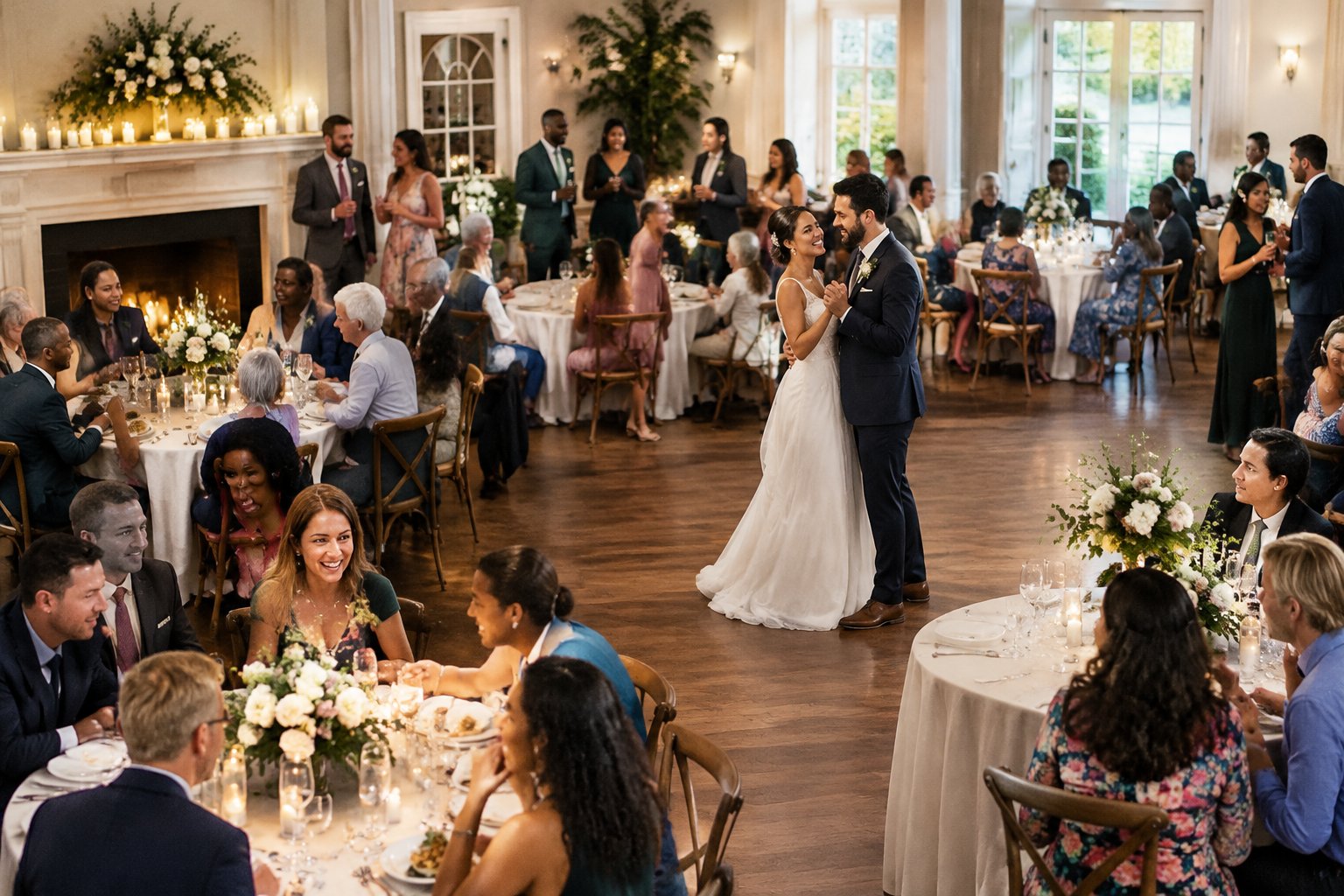
Your guest count shapes the atmosphere, venue options, and cost of your day. Start by listing the people you most want beside you, then use that number to guide your plans.
Where Does a 70-Guest Celebration Fit?
A 70-person celebration is commonly considered a medium wedding, though it can feel intimate in a close-knit group. Your setting and social circle influence whether it feels small, lively, or spacious.
What Guest Counts Usually Define Small, Medium, and Large Weddings?
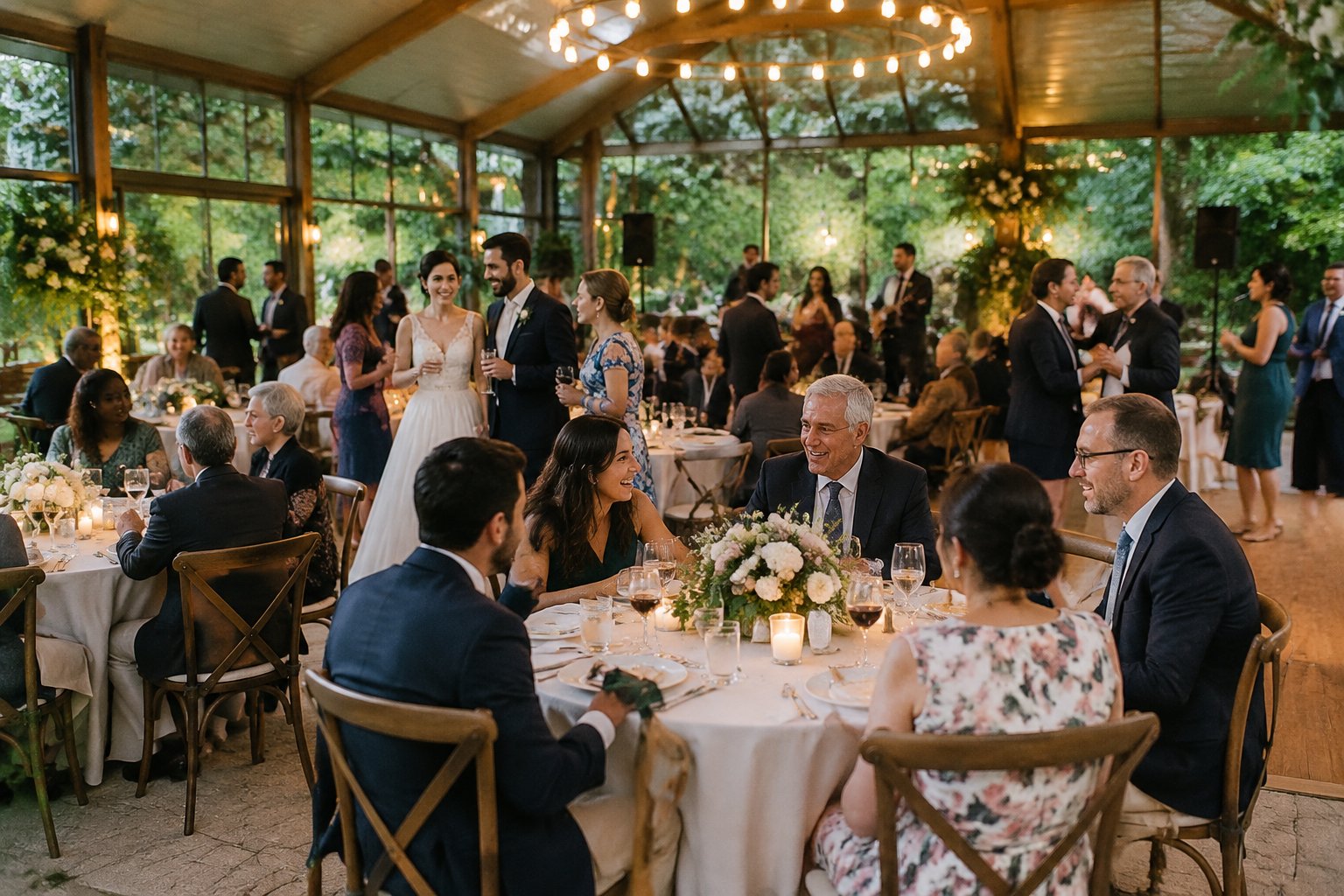
A common guide places small weddings at 50 guests or fewer, medium weddings at 50 to 150, and large weddings above 150. With 70 people, your list falls within the medium range and stays well below the large-wedding mark.
These labels are flexible. Some planners call celebrations with more than 100 guests large, while other couples view 70 as a big gathering because their usual events are smaller. If you want a closer look at the lower end of the range, explore how big a small wedding is.
Your experience will also depend on the people you invite. A list of 70 close friends and family can create an intimate wedding atmosphere, while a broader mix of relatives, coworkers, and friends can make the reception feel more social and energetic.
How Do Micro Weddings and Minimonies Compare?
A micro wedding usually has fewer than 50 guests, with some definitions setting the limit closer to 20. A minimony is a small ceremony that gives you a chance to celebrate with a few loved ones before a larger gathering later.
Your 70-person wedding sits above many micro-wedding ranges, yet it can still offer personal moments and plenty of time with guests. If you want a smaller event, trimming your list to immediate family and close friends can bring the count closer to a micro wedding.
How Does 70 Compare With the Average Wedding Size?
A 70-person wedding is smaller than the recent U.S. average, which was 117 guests in The Knot’s 2025 study. That gives you a useful point of comparison while leaving room to shape the day around your own priorities.
Why Do Wedding Size Labels Vary?
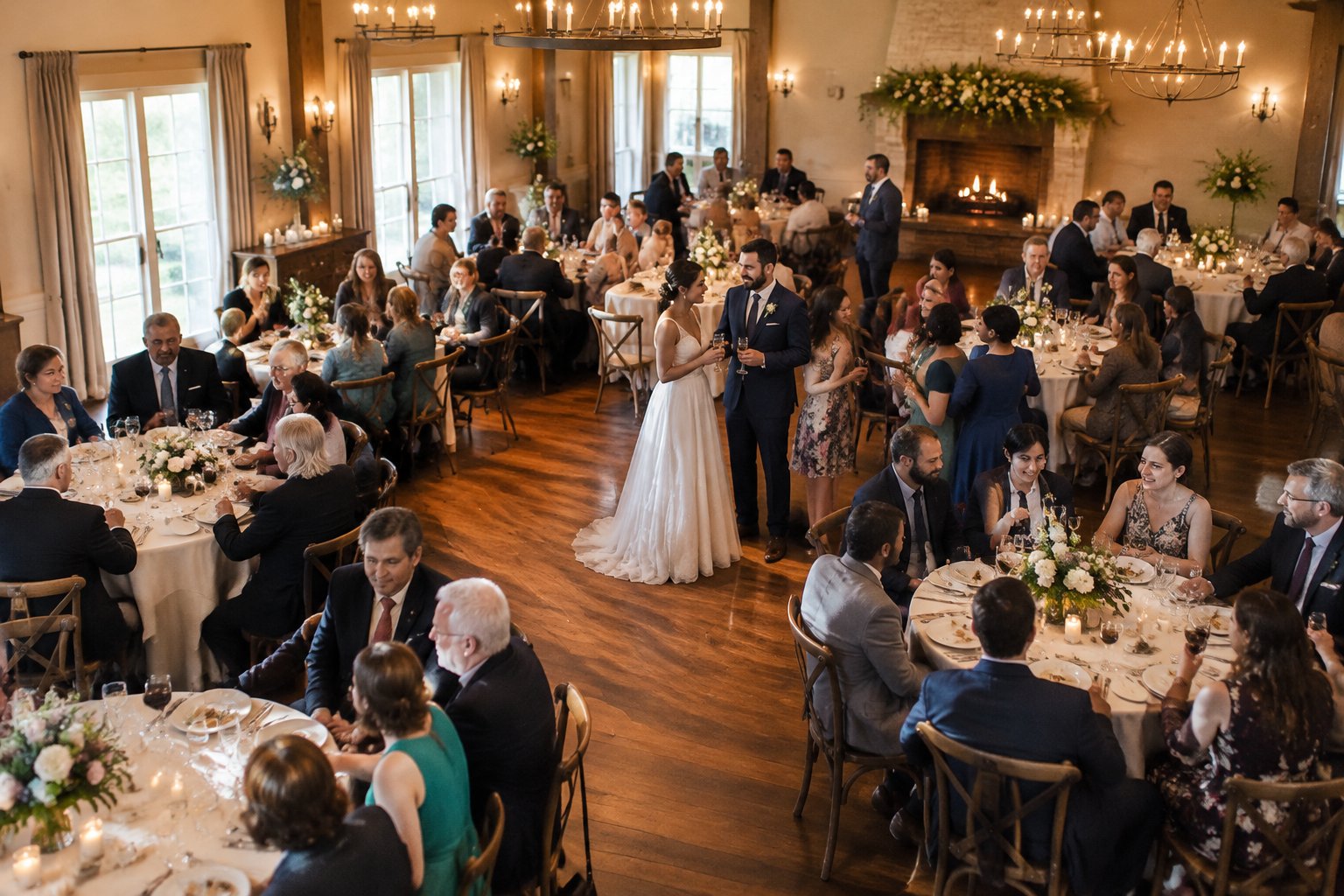
Wedding size labels shift because people use different cutoffs and compare celebrations with their own experiences. A guest list of 70 may feel large to you if you want a very intimate day, while it can feel modest if you come from a large family.
The national average offers context, not a target. You can compare your plans with the average size of a U.S. wedding to see where your count falls. Averages also change with location, budget, and the kind of celebration you choose.
How Can Family and Cultural Expectations Affect the Guest Count?
Family traditions and cultural expectations can shape who you feel should be invited. In some families, a wedding brings together a wide circle of relatives and community members; in others, the guest list focuses on close family and friends.
Talk with your partner about the people you both want present, then discuss any family expectations early. If relatives are helping pay for the wedding, agree on a clear guest limit and how many invitations each side can suggest. You can use how many guests are considered a big wedding as another reference point when you explain your intended scale.
What Does a 70-Person Guest List Mean for Your Plans?
With 70 guests, you have room for a lively reception and a guest list centered on people you know well. Keeping the list organized helps you balance your priorities with the event’s practical limits.
How Can You Set Priorities for the Guest List?
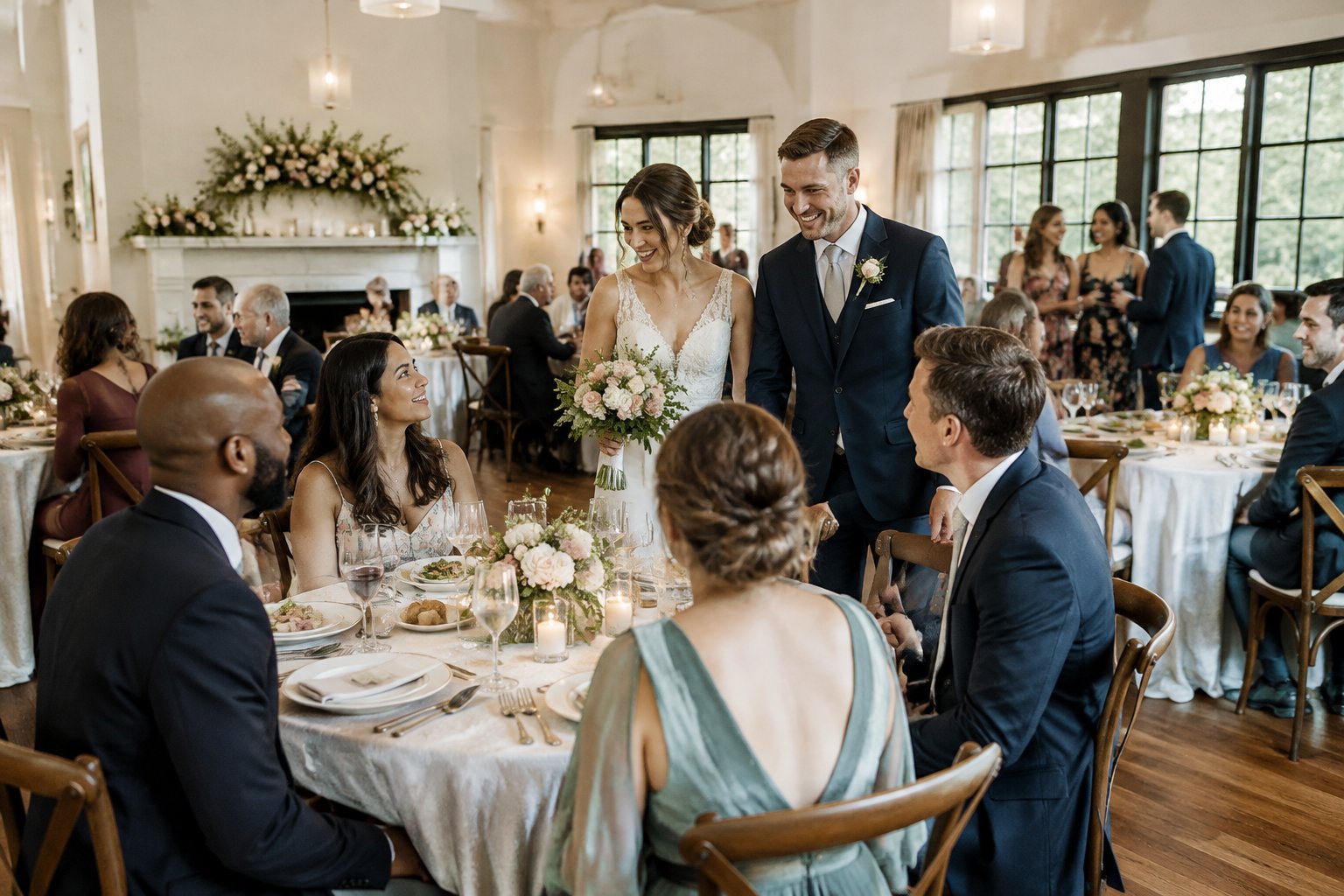
Start with the people you would feel disappointed to celebrate without. You and your partner can each make a must-invite list, then combine the names and check the total against your budget and venue plans.
Next, decide how you will handle extended family, coworkers, children, and plus-ones. Consistent rules make decisions easier to explain. A guest list manager or spreadsheet can track names, contact details, invitations, and RSVPs in one place.
If your first draft is larger than 70, sort guests into priority groups and review each group together. You can also use how many guests you need for a wedding as a prompt to think about the kind of celebration you want.
When Might a Destination Wedding Suit a Smaller Group?
A destination wedding may suit you if you want to celebrate in a specific place with a close circle of guests. Travel time and costs can affect attendance, so share the location and schedule early to help guests make plans.
Build your guest count around the people you hope will join you, and make room in your budget for travel-related needs such as group transportation or welcome plans. You can also estimate attendance with a destination wedding guest count plan, while keeping your invitations and RSVP dates clear.
How Do Guest Count, Budget, and Venue Fit Together?
Your guest count connects directly to your wedding budget and the space you need. A list of 70 gives you more venue options than a large celebration, while still calling for careful planning around dining, dancing, and guest flow.
How Can 70 Guests Affect Your Wedding Budget?
Each guest adds costs for food and drinks, plus possible increases in rentals, stationery, and favors. Your final budget also depends on the venue’s pricing, the menu, and the level of service you choose.
Ask vendors which costs are fixed and which change with your headcount. A smaller list can leave more of your budget available for details you care about, such as photography or a special meal. Set a spending limit before invitations go out so you have a clear way to assess extra requests.
What Venue Capacity Works for This Crowd?
Choose a venue with comfortable seated capacity for 70 guests and enough room for the features you want. A space’s maximum occupancy may not account for tables, a dance floor, a bar, or clear paths between seating areas.
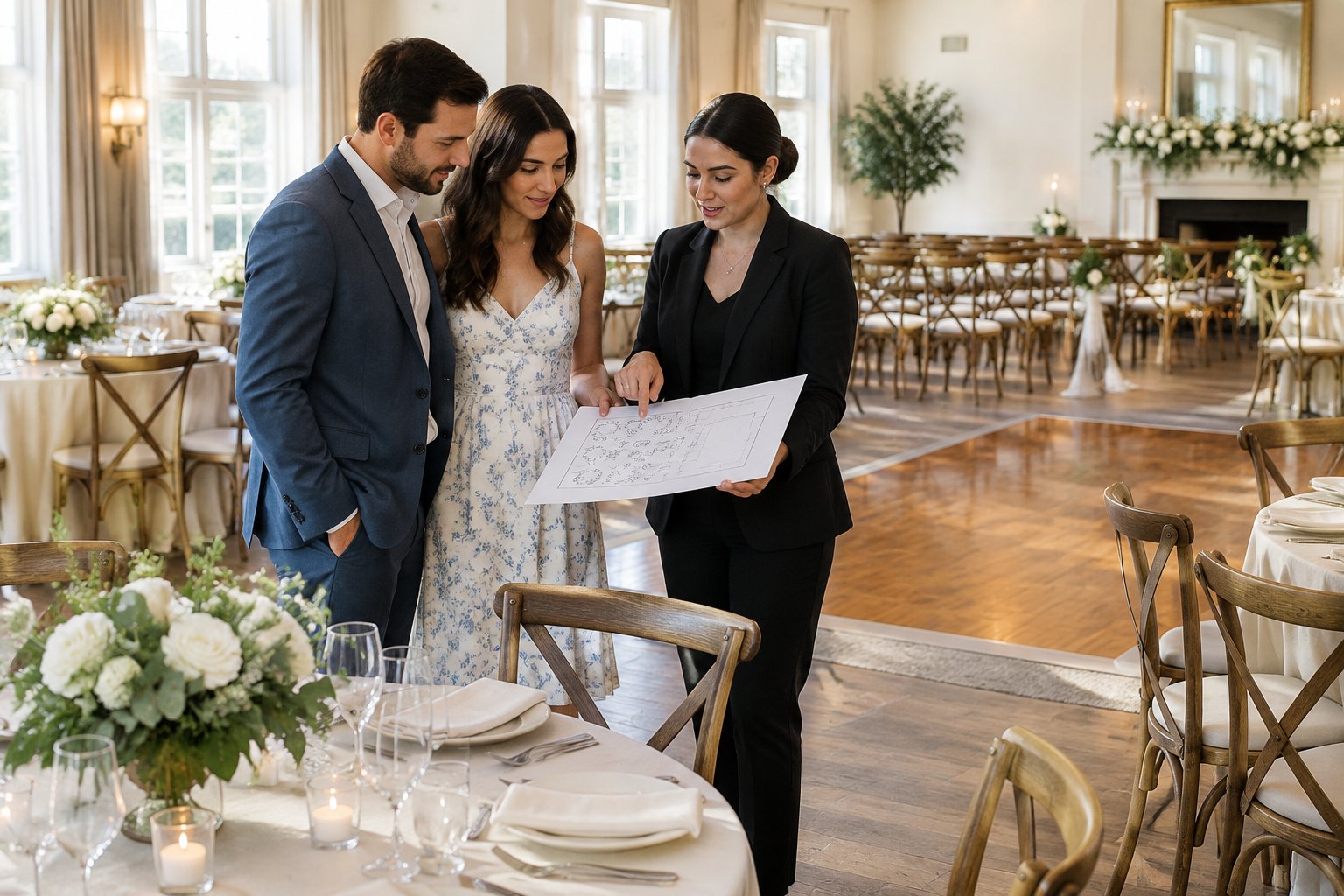
Ask for a floor plan showing your guest tables, couple’s table, dance floor, and service areas. If your ceremony and reception use the same room, check how the layout will change between events and where guests can gather during the transition.
Would a Banquet Hall Feel Right for 70 Guests?
A banquet hall can work well for 70 guests when its layout suits your reception style. Smaller halls can feel warm and connected, while a large room may need a more compact layout to keep the celebration feeling welcoming.
Ask the venue about seated capacity, table options, and minimum spending requirements. If you like the hall but its space feels generous for your headcount, use lighting, décor, or a lounge area to make the reception feel more inviting.
How Can You Make the Reception Feel Comfortable?
Thoughtful seating arrangements and clear pathways help 70 guests feel at ease throughout the reception. Your layout should support conversation, dining, and movement around the room.
What Seating Arrangements Work Well for 70 Guests?
Round tables encourage conversation within small groups, while long banquet tables create a shared, communal feel. For 70 guests, you might use several round tables or a mix of long and round tables, depending on the venue’s shape.
Place guests with people they know or share interests with, and keep family groupings in mind. Your seating chart should also leave open routes to the dance floor, bar, restrooms, and exits. For more guidance on seating guests at a wedding, focus on both social comfort and easy movement through the room.
When Can a Wedding Planner Help?
A wedding planner can help you match the guest count to the venue layout and coordinate details with vendors. Their support is especially useful if your reception space has unusual features, your ceremony and reception share a room, or you are managing a destination event.
You can ask a planner to review your table plan, timeline, and vendor setup before the wedding day. Share your confirmed guest count and venue floor plan so they can recommend a practical arrangement for the celebration.