
Luxury Outdoor Wedding Venues: Choosing the Right Setting
Luxury outdoor wedding venues give you a naturally beautiful setting with the privacy, attentive service, and practical support that help your celebration feel polished. The right property also gives you a clear plan for guest comfort and changing weather.
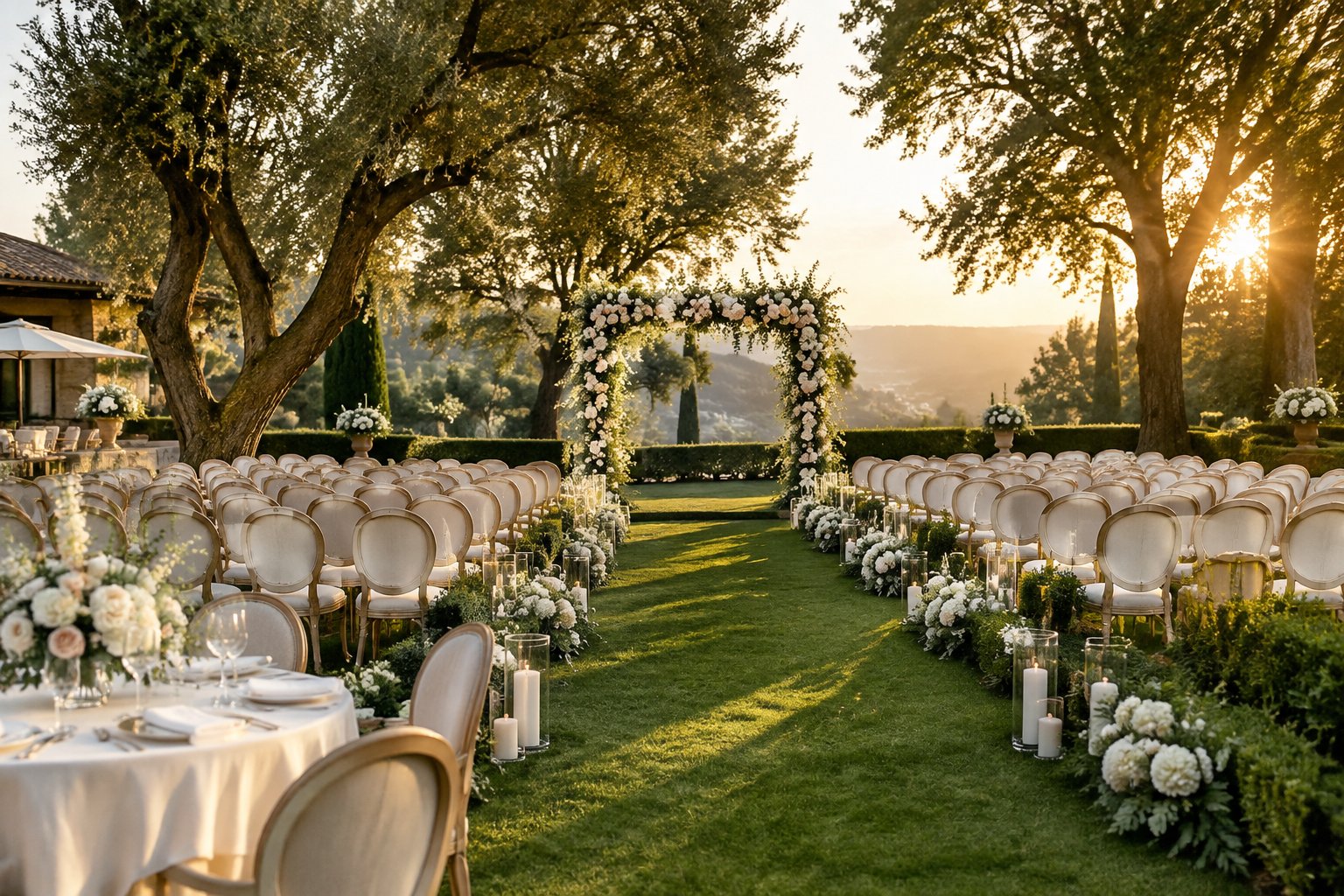
As you compare locations, focus on how the full day will work, from guest arrival through the last dance. Start by choosing a few priorities, then arrange tours with venues that fit your vision and guest count.
What Makes an Outdoor Venue Feel Luxurious?
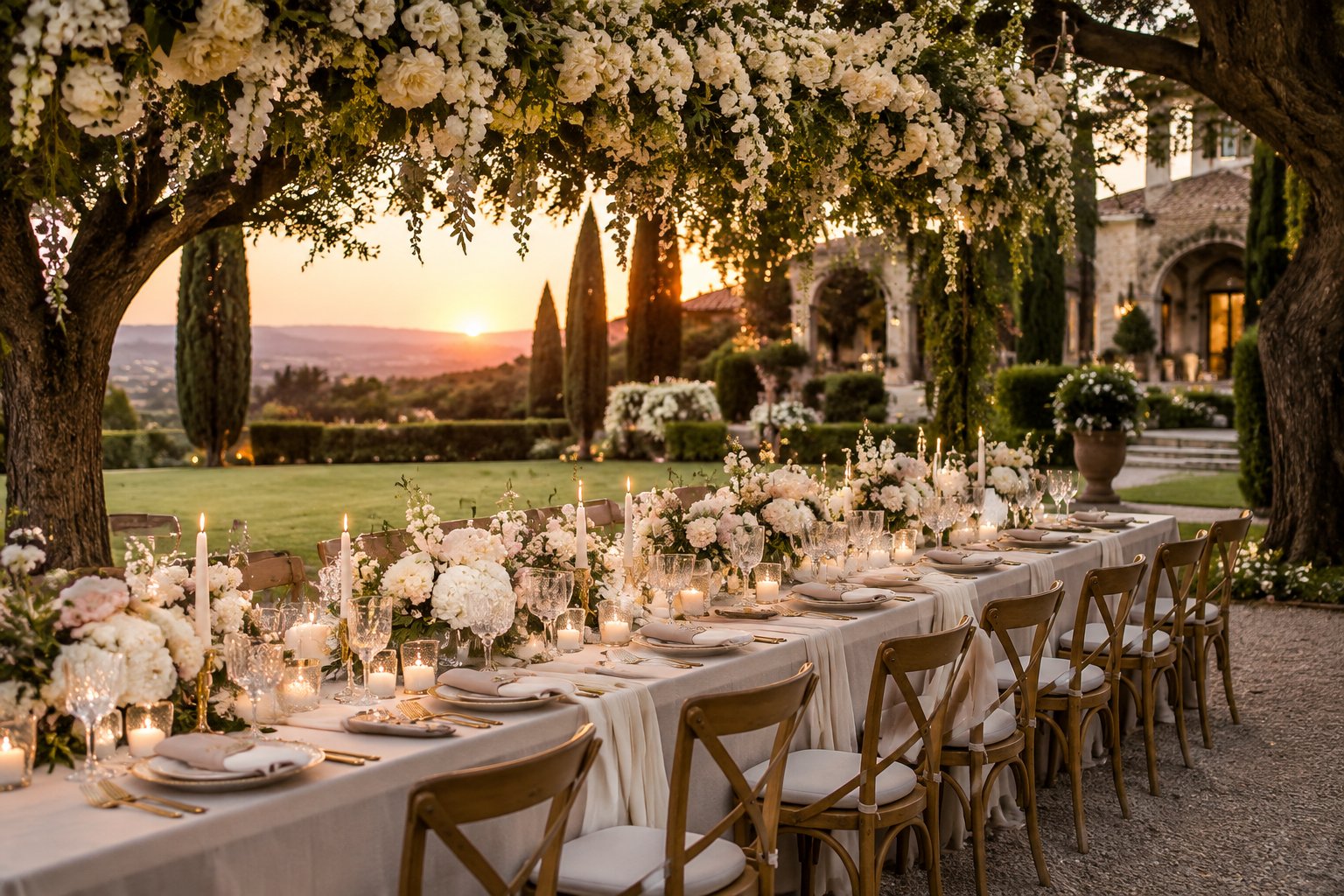
An outdoor venue feels luxurious when its setting, service, privacy, and event spaces work together with care. Look for a property that feels complete before you add décor and gives you a thoughtful plan for each part of the celebration. You can compare the service and amenities at luxury wedding venues while deciding which features fit your priorities.
How Do Service and Privacy Shape the Experience?
Attentive service helps your day feel calm because you know who is managing setup, vendor arrivals, transitions, and questions. Ask who your main contact will be and what that person handles before and during the wedding. Clarify whether the venue team works with your planner or expects your planner to manage every detail on site.
Privacy also shapes how guests experience the property. Ask whether another event will take place nearby, and walk the route between the ceremony, cocktail hour, and reception. Hedges, trees, distance, or separate event areas can give each part of your celebration its own sense of arrival.
For a polished feel, look for graceful landscaping, clear paths, comfortable seating, and lighting that suits the setting. A restrained décor plan can complement features already on the property. If you want more ideas for creating an elevated atmosphere, consider what makes a wedding feel luxurious.
Why Do Indoor Options Matter at an Outdoor Venue?
An indoor or covered space gives you a reliable place to move the celebration if weather or temperature changes. Ask to see the specific backup area and how it will fit your guest count, ceremony layout, dining plan, and music setup.
Check whether the indoor option is reserved for your event and whether moving there changes the schedule or adds fees. Indoor-outdoor wedding venues can give you flexibility while keeping the celebration connected to the landscape.
Which Landscape Best Matches Your Wedding Vision?
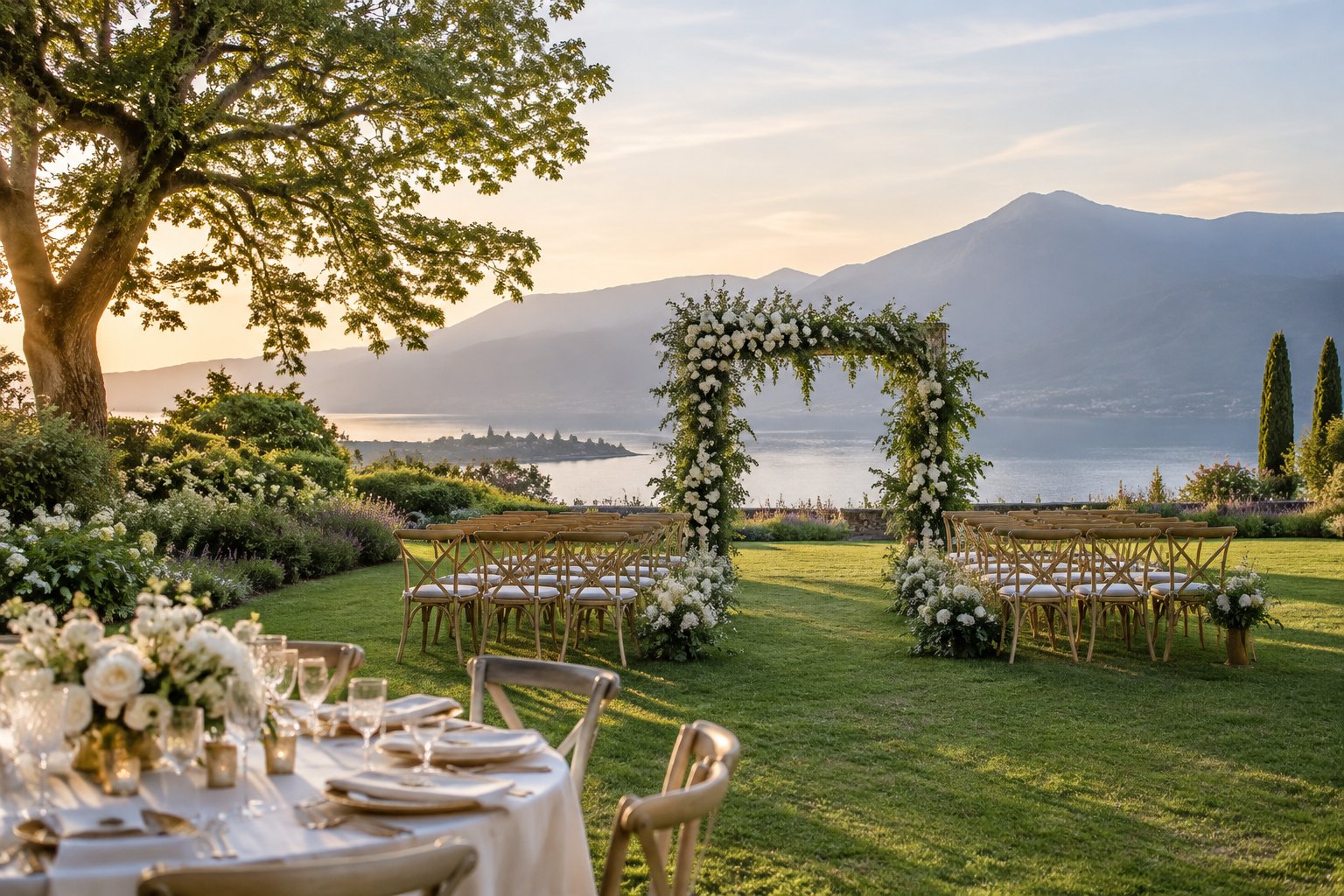
The landscape sets the mood and influences your ceremony layout, photography, and guest experience. As you tour wedding venues, picture your full schedule on the property and consider how its natural features support the style you want.
Gardens, Estates, and Historic Properties
A garden setting suits you if you want flowers, greenery, and a romantic ceremony backdrop close at hand. Mature trees and established planting can bring character to the space, while a terrace or courtyard can create a natural gathering area for drinks. Explore flower garden wedding venues if blooms and lush surroundings sit at the heart of your vision.
Estates and historic properties offer architectural details alongside outdoor spaces. Look at how the lawn, gardens, and buildings connect, and ask which areas are available to your guests. Historic sites may have rules for décor, candles, amplified sound, or installations, so get those details before making design plans.
Waterfront, Mountain, and Golf-Course Settings
Waterfront sites bring open views and a breezy feel. Ask about wind exposure, shoreline access, and where guests will gather if conditions shift. Mountain venues offer dramatic scenery and a strong sense of place; consider travel time, temperature changes, and walking routes across slopes.
Golf-course properties often have open lawns and carefully maintained grounds. Confirm which areas are private to your event and how guests will travel between spaces. For more location ideas, browse beautiful outdoor wedding venues and note the landscape features that appeal to you.
When Is a Farm Wedding Venue the Right Fit?
A farm wedding venue fits your plans when you want a countryside setting with open space and a relaxed connection to the land. Farms range from refined estates with gardens to working properties with barns, fields, and gravel paths, so ask what each area looks like during your chosen season.
Find out how guests will move across the property and whether ceremony, dining, and dancing happen in separate spaces. Ask about available restrooms, accessible routes, and any areas that remain in use during your event. These details help you choose a farm setting that suits your design and guest needs.
How Can You Assess Guest Comfort and Service?
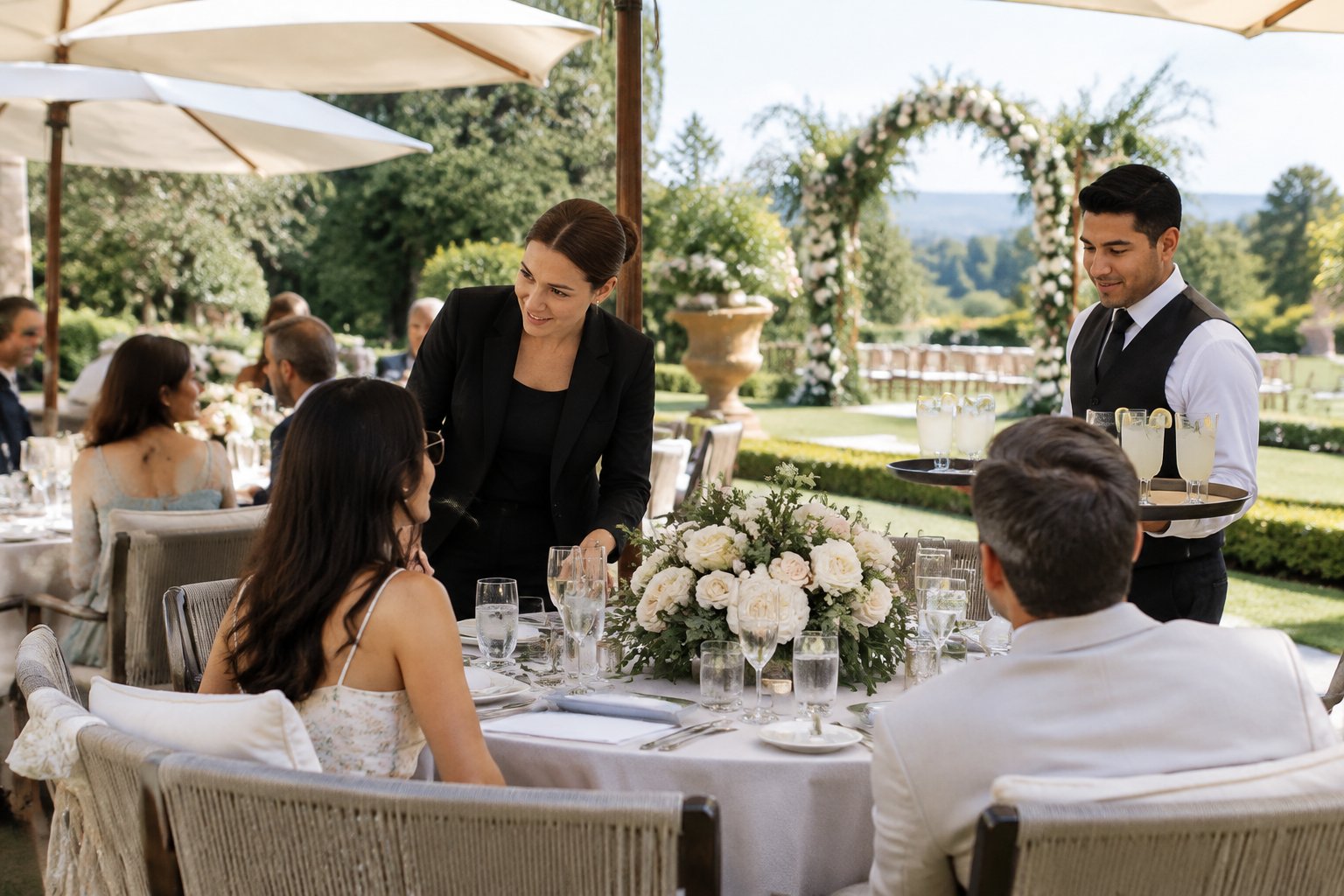
You can assess comfort by walking the full guest route and reviewing the service plan with the venue team. Ask for a floor plan that reflects your guest count, and check what support is included from setup through cleanup.
Check Capacity, Guest Flow, and Accessibility
Ask for the comfortable capacity for your planned layout, including ceremony seating, dining tables, and a dance floor. A maximum guest number alone does not show whether guests will have enough room to move or whether servers can reach tables easily.
Walk from parking to the ceremony, then continue to the reception and restrooms. Check surfaces such as grass, gravel, or stone, and ask about accessible paths and seating. If guests have mobility needs, share them early so the venue can explain the available routes and accommodations.
Consider where guests will wait before the ceremony and gather during transitions. Shade, water, nearby seating, and clear signs help guests feel cared for throughout the day.
Ask What Catering and Coordination Include
Ask whether catering is provided by the venue, supplied by an approved vendor, or arranged by you. Confirm what the catering team can access, including preparation space, power, water, and a service route. For hotel properties, compare how guest rooms, event service, and reception spaces fit your plans; hotel outdoor wedding venues offer one type of setting to consider.
Clarify the coordinator’s role. Ask who manages the event timeline, directs vendors, oversees room or site changes, and answers questions during the celebration. Get a written list of included services so you can plan for any duties your wedding planner or vendors will need to cover.
What Should You Confirm About Weather and Logistics?
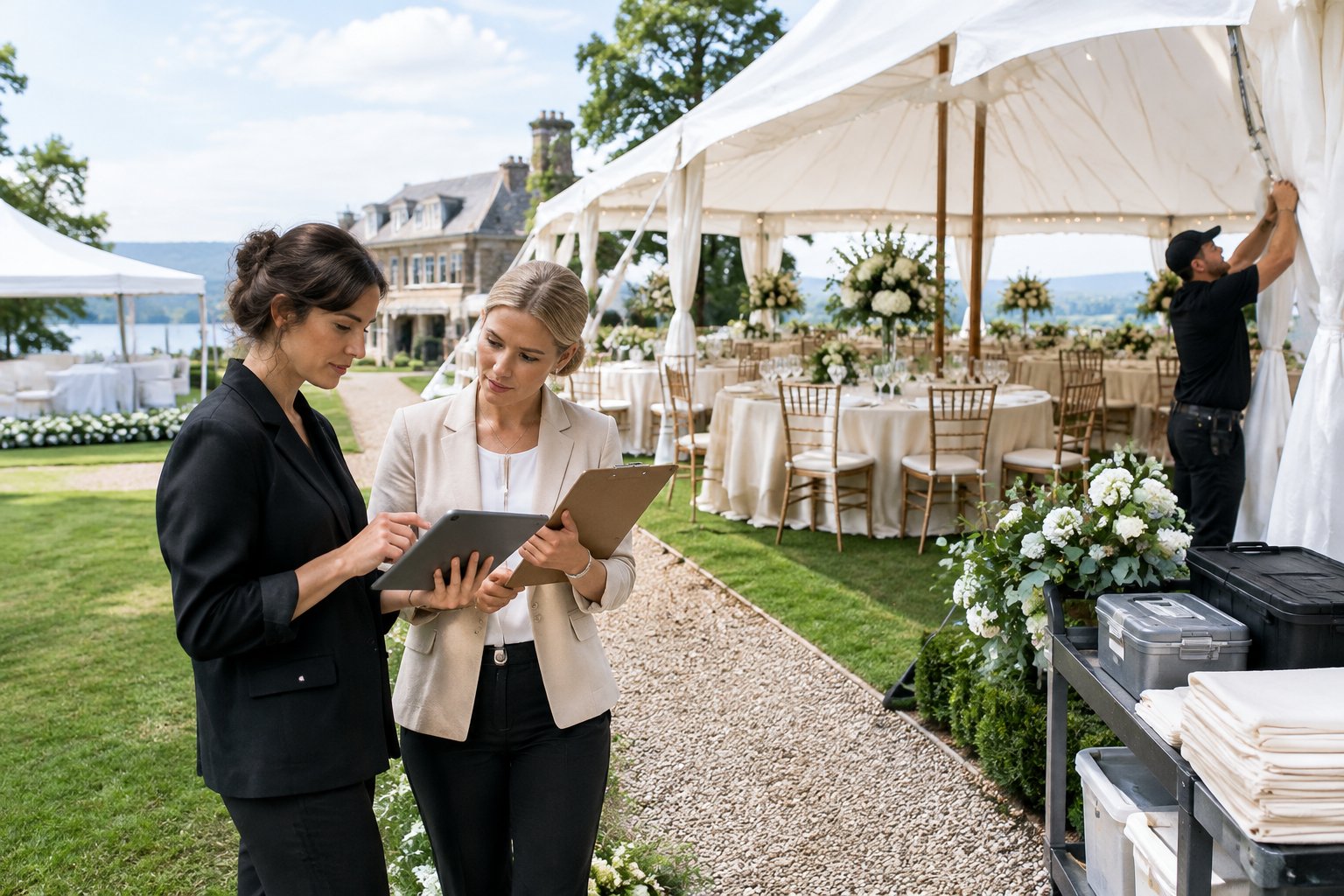
A strong outdoor plan names the backup space, the person who makes weather decisions, and the steps for moving guests and vendors. Confirm these details alongside the property’s seasonal conditions and event rules.
Review the Rain Plan and Seasonal Conditions
Ask to see the exact indoor or covered space used if the forecast changes. Check that it can hold your guest count and planned setup, then find out when the decision is made and who shares updates with vendors. Ask whether a tent is available, who arranges it, and what rental costs or setup deadlines apply.
Plan for sun, heat, wind, cool evenings, and wet ground as well as rain. Find out where guests can find shade or shelter and how paths are lit after dark. If you are considering outdoor wedding lighting ideas, confirm which fixtures and power sources the venue permits before you finalize a design.
Clarify Parking, Lodging, Sound, and Vendor Rules
Ask where guests will park and how far they will walk to the event spaces. If the route crosses uneven ground or a large property, check whether the venue offers transportation or accessible drop-off areas. For guests traveling from out of town, ask about nearby lodging and travel times.
Confirm sound limits, music end times, power access, and vendor arrival windows. Ask whether you can choose your own caterer, rental company, or entertainment team, and request a written list of any restrictions. Share those rules with your vendors before they prepare proposals.
How Do You Compare Costs and Package Inclusions?
Compare each venue’s full estimated cost and written inclusions for the same guest count and schedule. A clear breakdown helps you see what you are paying for and which services still need a separate budget.
Calculate the Full Cost Beyond the Venue Fee
Start with the rental fee, then add required staffing, catering, bar service, taxes, and any service charges. Include rentals, transportation, décor, and weather backup costs when they apply. Ask for an itemized estimate that separates required charges from optional upgrades.
Compare the estimates using the same event length and guest count. If one venue includes setup or chairs and another charges for them separately, include those costs before you judge the difference. A side-by-side review of comparing luxury wedding venues can help you organize the details you gather.
Compare Rentals, Staffing, and Overtime Policies
Ask which tables, chairs, linens, lighting, and setup services are included. Confirm who handles delivery, setup, breakdown, and cleanup.
Check whether the venue provides staff for guest support or vendor coordination. Review the access window, music cutoff, and overtime rates.
Ask what happens if vendor breakdown runs late or the event schedule changes. Before you book, request a written estimate and contract that list the included services, extra fees, and weather-related costs.