
Mountain Resort Wedding Venues: How to Choose the Right Setting
A mountain resort wedding gives you dramatic scenery alongside event spaces and lodging in one destination. The best mountain resort wedding venues fit your preferred setting, guest count, travel needs, and weather plan.
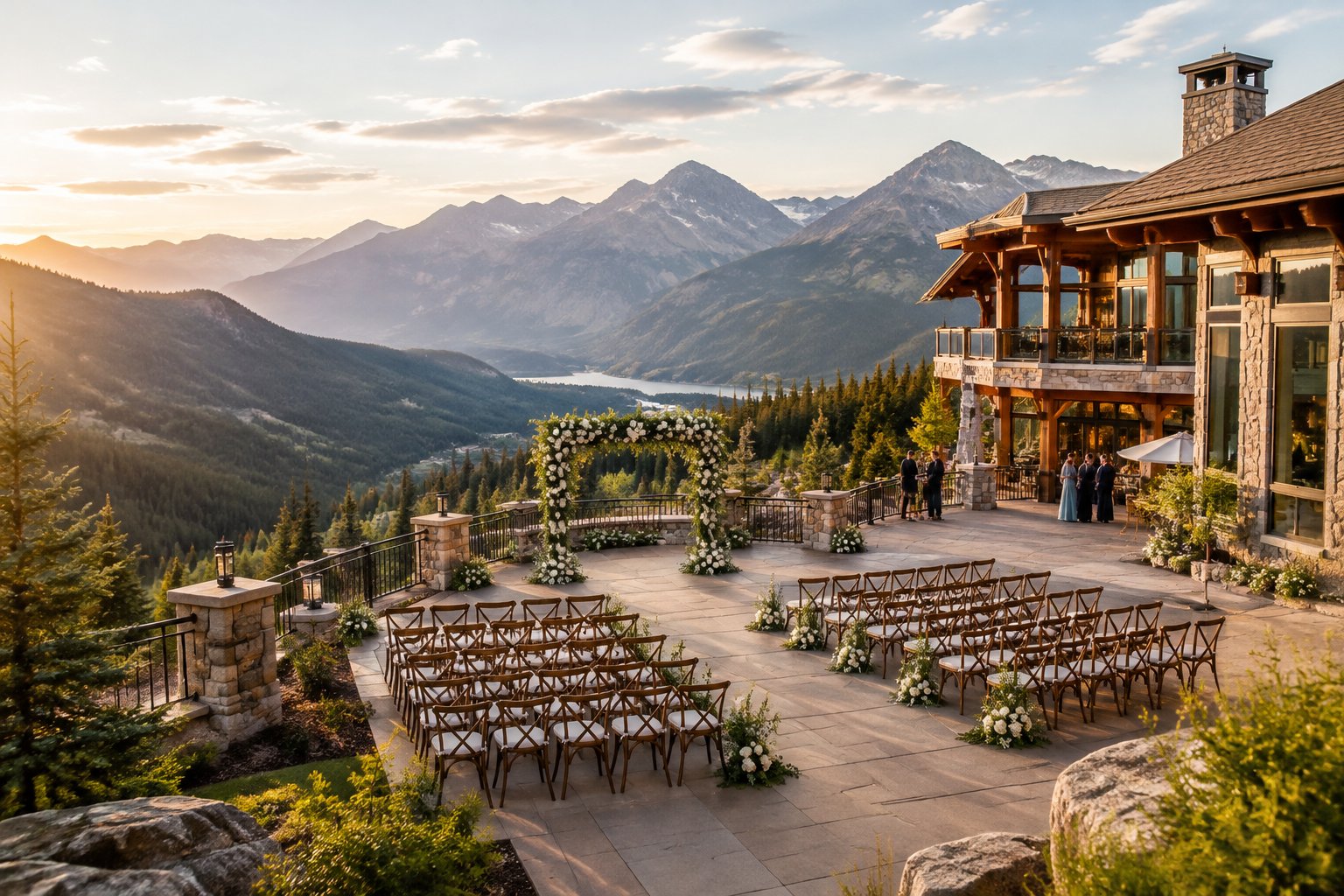
Before you book, check how the venue works across the full celebration: where your ceremony and reception will happen, how guests will get around, and what your package includes. If a resort is on your shortlist, contact its event team to ask about available dates and arrange a site visit.
How Do You Choose a Mountain Setting That Fits Your Wedding?
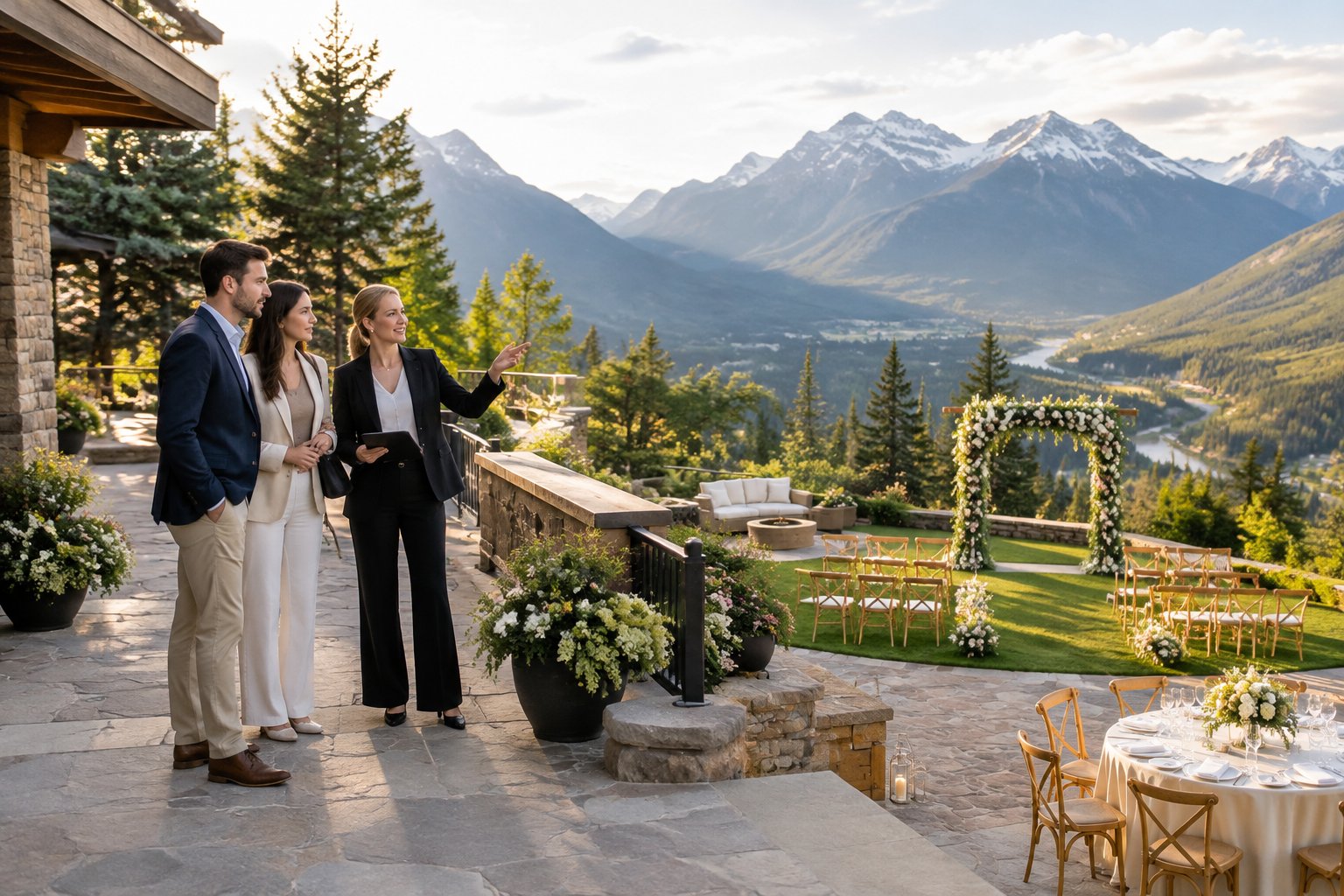
Choose a setting that supports the atmosphere you want and works for your guests in the season you plan to marry. Compare the actual event locations, access details, and backup options before you make a decision.
If you’re weighing a destination wedding in the Blue Ridge Mountains, you can explore Blue Ridge Mountain wedding venues to get a feel for the region’s range of settings.
Match the Scenery and Season to Your Vision
Start with the landscape you want in your ceremony and reception photos. A forested slope, an open meadow, and a wide mountain overlook each create a different feel, so ask to see examples from the specific site you would use.
Then check the seasonal conditions for your date. Ask about typical temperatures, sunset time, foliage, and how weather affects outdoor access. A fall date may offer colorful leaves in some regions, while a spring celebration may bring changing weather and muddy paths.
For your preferred season, confirm which outdoor areas are open and what indoor space serves as a backup.
Compare Indoor and Outdoor Ceremony Sites
A resort with indoor and outdoor ceremony choices gives you flexibility when the forecast shifts. During a site visit, look at the outdoor ceremony location and the indoor backup, then compare guest seating, sightlines, and the walk between the two spaces.
Ask who makes the weather call and when the decision must be made. Confirm whether the backup space is reserved for your event, how quickly the room can be reset, and whether your ceremony layout will fit comfortably indoors.
Check Guest Capacity and Accessibility
Match the venue’s stated capacity to your guest list and preferred layout. Ask whether the number includes a dance floor, buffet, and space for a band or DJ, since each affects the room you have for tables and seating.
Walk the route from parking to the ceremony and reception spaces. Check for stairs, steep paths, uneven ground, and accessible restrooms.
If guests will move between locations, ask whether the resort offers a shuttle or other assistance. These practical details help you assess how to pick a wedding location that feels comfortable for your whole group.
What Spaces Can a Resort Wedding Include?
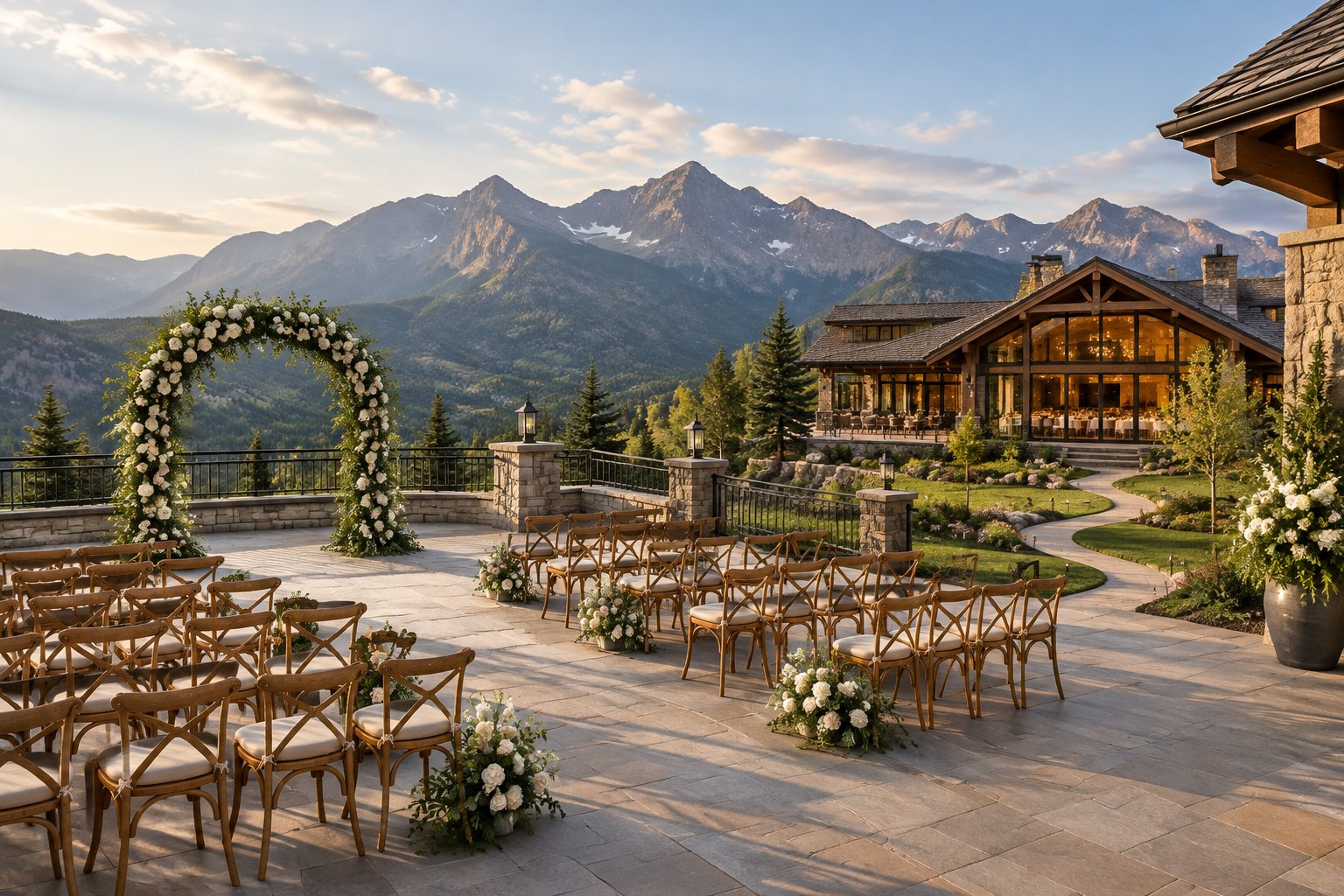
A resort wedding venue may include separate locations for the ceremony, cocktail hour, and reception, with indoor and outdoor options. Ask to see the exact spaces available for your date and how guests will move between them.
Beautiful mountain wedding venues can offer very different event layouts despite similar scenery.
Ceremony Meadows, Overlooks, and Decks
Meadows give you room for rows of chairs and a broad view of the landscape. Overlooks and decks can place the mountains prominently in the background, though they may have tighter seating areas or more exposure to wind.
Check the surface underfoot and the space available for an aisle, arch, musicians, and guest seating. Ask whether the ceremony site has shade, nearby restrooms, and power access for sound equipment.
If your ceremony is outdoors, confirm what the venue provides for sun or light rain.
Reception Rooms and Cocktail Spaces
A reception room should fit your guest count, meal service, and dancing without making the layout feel crowded. Ask to see sample floor plans and confirm where the head table, dance floor, bar, and cake table can go.
A porch, terrace, or lounge can give guests room to gather during cocktail hour. Check how far it is from the reception room and whether it remains usable if the weather changes.
If the venue has separate spaces, ask who handles moving chairs, décor, or sound equipment between events.
A Look at Nantahala Village’s Venue Options
When you consider Nantahala Village as a wedding venue, ask its events team for a current list of spaces and their capacities. Request photos or a tour of each location, plus details about indoor backups, setup times, and any access limits for guests or vendors.
Compare the options against your plan for the day. A ceremony space with a strong view may suit your vows, while a nearby room may work better for dinner and dancing.
Ask how the venue handles transitions so you can build enough time into your schedule.
How Can On-Site Lodging Shape the Wedding Weekend?
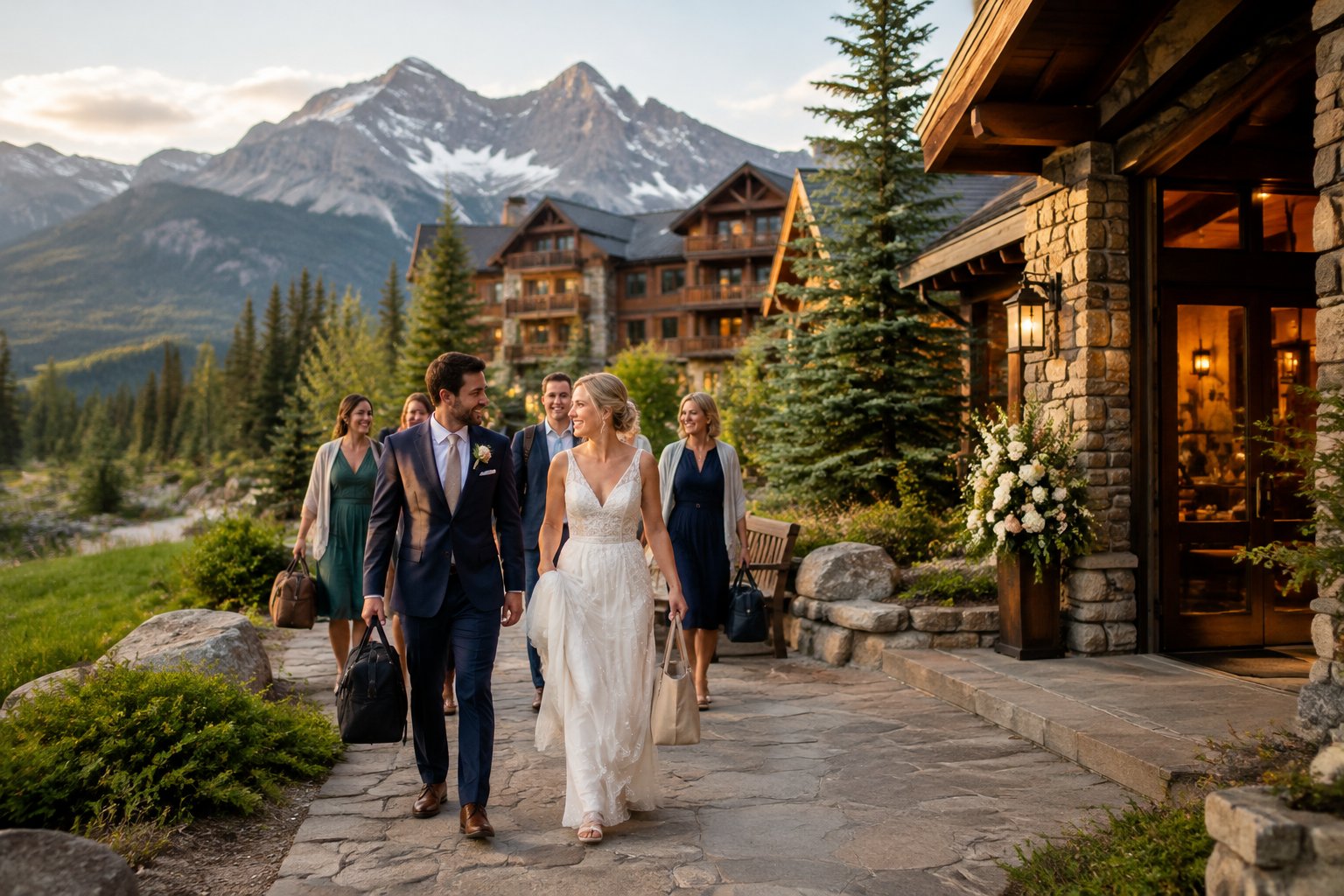
On-site lodging gives guests a convenient place to stay near the celebration and makes a multi-day wedding weekend easier to organize. Compare the resort’s room types, booking process, and travel connections with your guest list.
Full-weekend wedding venues can help you consider how lodging fits into the event plan.
Make Travel Easier for Guests
Share clear arrival instructions with guests, including the nearest airport, driving routes, parking details, and any shuttle options. Mountain roads can take longer to travel, so give guests realistic timing and note whether cell service or rideshare access may be limited near the property.
Ask the resort about room blocks, booking deadlines, and any minimum stay rules. If rooms are spread across a large property, find out how guests will get from lodging to the ceremony and reception after dark.
You can then share the key details on your wedding website.
Consider Cabins, Lodges, and Tiny Homes
Different lodging styles suit different guests. Cabins can offer more privacy, while lodge rooms keep guests close to shared amenities. Tiny homes may appeal to guests who want a compact, separate place to stay.
Ask what each option includes, how many people it sleeps, and whether it has steps or other access limits. Check the distance to event spaces and learn whether guests book directly with the resort or through a room block.
For a closer look at the connection between lodging and event planning, compare all-inclusive wedding venues with lodging.
Plan Time for Resort Activities
Build open time into the schedule so guests can enjoy the property and nearby area. Ask the resort which activities are available during your wedding dates, whether reservations are needed, and what costs guests should expect.
Keep group plans optional and easy to join. A casual welcome gathering or a shared activity can help guests connect, while unplanned time gives them space to rest or explore at their own pace.
What Should You Look for in Wedding Packages?
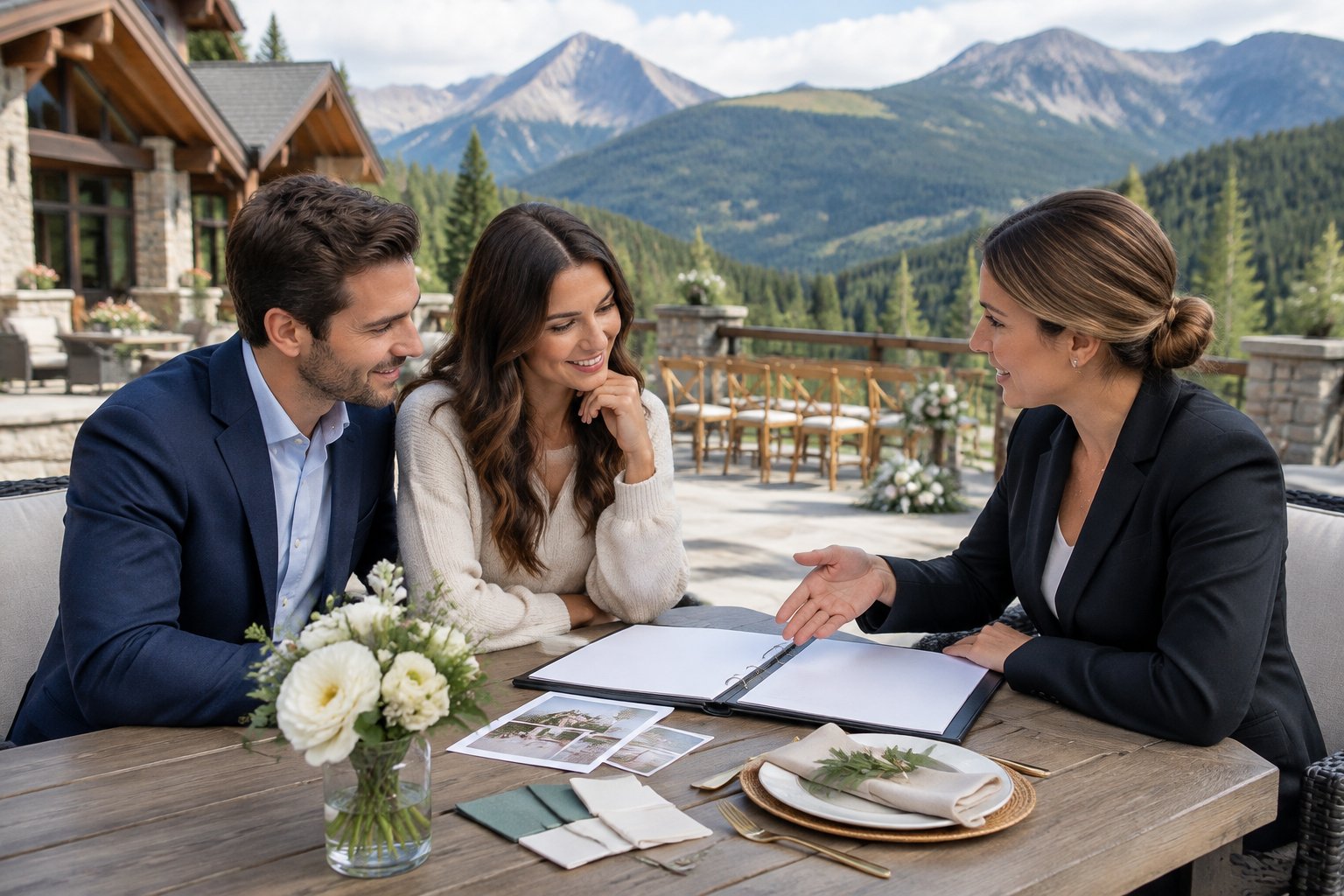
Compare wedding packages by listing what each price includes, what costs extra, and which choices you need to make yourself. Resorts that offer bundled services can simplify coordination, so review all-inclusive resort wedding venues as you compare package details.
Compare Venue Rentals and Included Services
Ask whether the package covers the ceremony site, reception room, tables, chairs, linens, setup, and cleanup. Confirm the event hours and whether the rental includes time for vendor arrival and décor installation.
Request an itemized quote that separates required charges from optional upgrades. Check for service fees, taxes, minimum guest counts, and overtime rates.
A written list makes it easier to compare two packages with different inclusions.
Review Catering, Wedding Cake, and Vendor Options
Find out whether the resort provides catering or works with approved outside vendors. Ask about menu choices, meal service styles, bar options, and accommodations for dietary needs.
If a wedding cake is included, confirm its size, flavors, and delivery or serving fees. Check which vendors the venue requires you to use and which you may select.
Ask about vendor insurance rules, arrival times, and access to power or preparation areas. For any service that is not included, request a price estimate before you sign.
Ask About Deposits, Payment Timing, and Room Blocks
Review the deposit amount, payment dates, cancellation terms, and refund rules before you commit. Ask when your final guest count and menu choices are due, and confirm how changes affect the bill.
For room blocks, check the booking deadline, rate, and number of rooms reserved. Ask whether guests must book by a certain date and what happens to unbooked rooms.
Put every key date and payment term in writing.
How Do You Plan the Events Around the Ceremony?
Plan the surrounding events with a simple schedule that gives guests clear times and places to gather. A rehearsal dinner, the wedding day, and a farewell brunch can create an easy rhythm across your wedding weekend.
Use a wedding weekend itinerary to organize the timing.
Host a Rehearsal Dinner in a Comfortable Gathering Space
Choose a space where your guests can talk comfortably and where the meal fits your plans. Ask about private dining rooms, casual gathering areas, food service, and the time available for the event.
Keep the rehearsal dinner schedule focused. Share the start time and location in advance, and leave room for the wedding party to practice the ceremony before dinner if the venue permits it.
Arrange a Farewell Brunch Before Guests Head Home
A farewell brunch gives guests one last chance to visit before traveling home. Ask whether the resort offers breakfast service or a private brunch setup, and confirm the time window, menu, and guest count deadline.
Make the event easy to attend by choosing a convenient location and sharing directions with guests. If people have long drives or flights, set a clear end time so they can depart without rushing.
Build a Simple Timeline for the Full Celebration
Write one schedule for the full weekend and share the relevant parts with guests, vendors, and the resort team. Include arrival times, setup windows, transportation details, and the key events on each day.
Add extra time for walks between resort spaces and for weather-related changes. Confirm who will make announcements and who will contact vendors if the schedule shifts, then give guests a clear way to find updates.