
Outdoor Wedding Venues Area: Find a Setting That Fits
You can find an outdoor wedding venue near you by matching the guest capacity, weather plan, accessibility, and setting to the celebration you want. When you search “outdoor wedding venues area,” start with places within a comfortable travel distance, then compare what each site includes and how it handles changing weather.
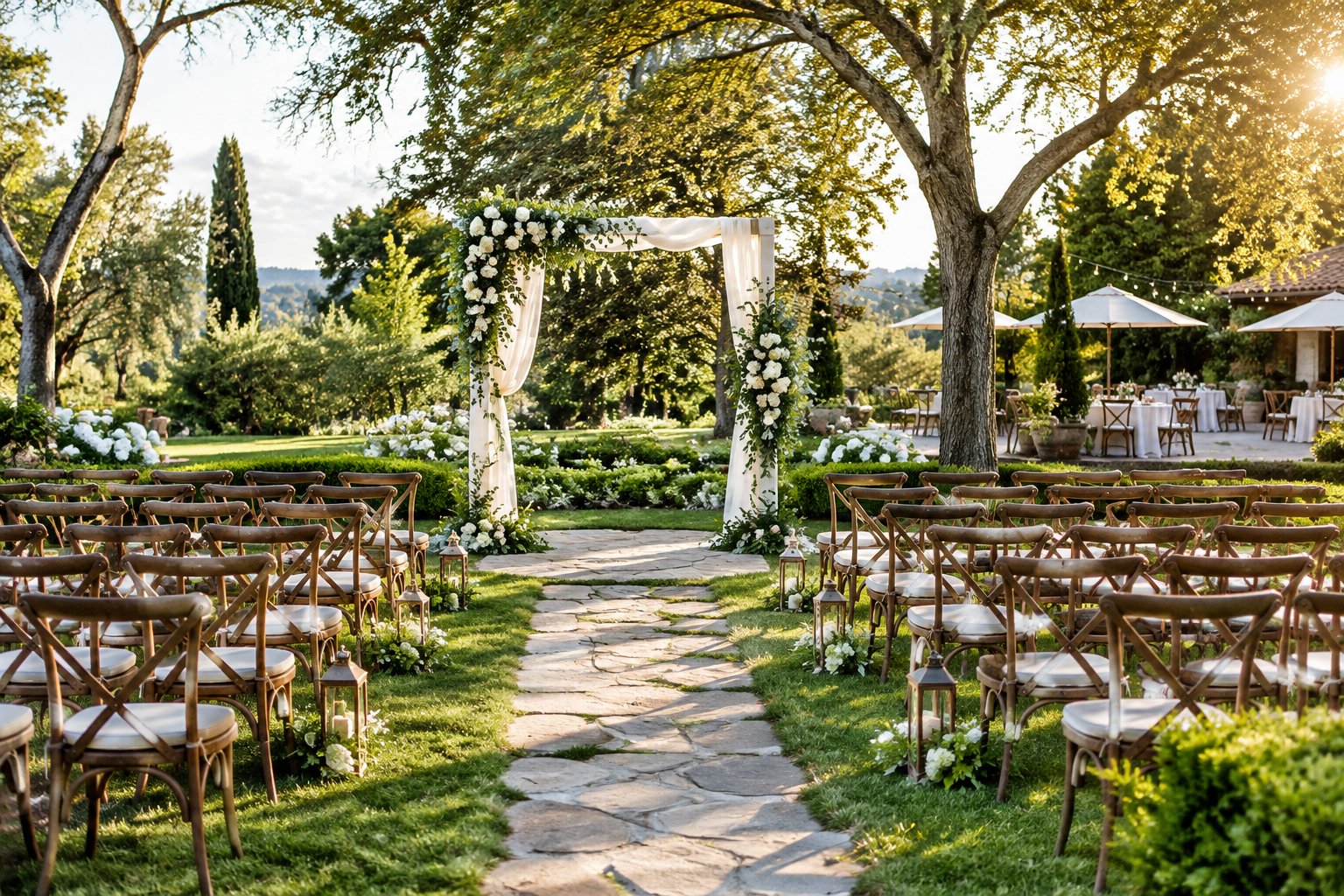
Your venue shapes the guest experience as much as the backdrop. If you’re ready to begin, make a shortlist of local outdoor wedding venues and book tours at the places that fit your guest count and preferred style.
What Should You Look for in a Nearby Venue?
The strongest choice gives you enough room for your guests, a clear weather plan, and a comfortable route through the event. As you compare outdoor wedding locations, look beyond the ceremony lawn to the full guest experience.
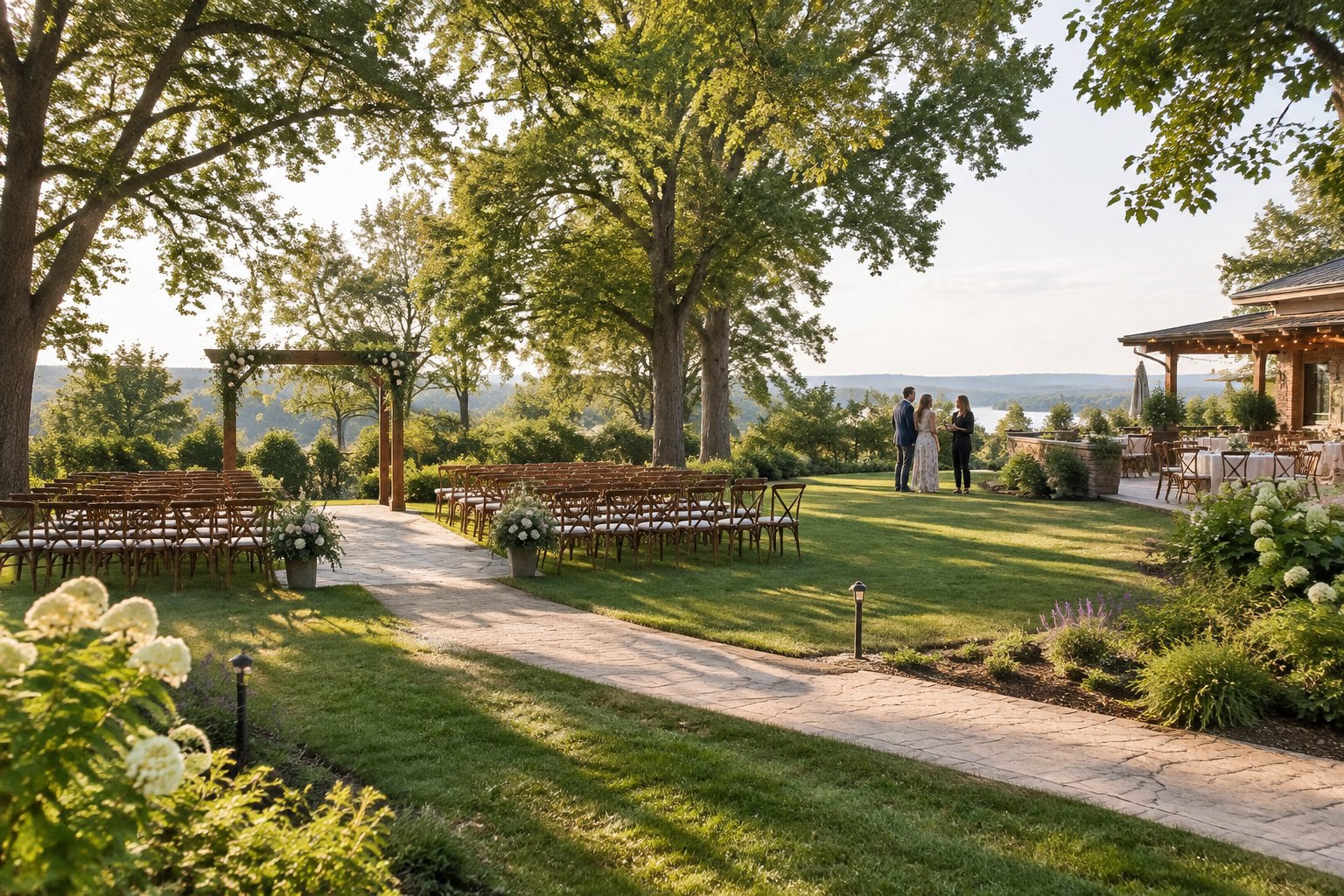
A useful venue visit lets you check the layout, ask practical questions, and see how the site works in person. Use a wedding location checklist to keep your priorities clear during tours.
How Many Guests Can the Space Accommodate?
Ask for the seated capacity for both the ceremony and reception. A lawn that fits your ceremony chairs may have a smaller dinner capacity once you add tables, a dance floor, catering stations, and paths for guests.
Request a sample layout for your expected headcount. Check whether the venue has separate spaces for the ceremony, cocktail hour, and dinner, and whether guests can move between them without crossing a service area. If your guest list is still in progress, ask how the layout changes at different counts.
Also confirm which areas are part of your rental. A property might have several lawns or gardens, while your event access may cover only one.
What Is the Weather Backup Plan?
A reliable backup plan names the exact space, decision deadline, and staff member who will make the call. Ask whether the venue offers an indoor room, a covered pavilion, or a tent option, then confirm the backup’s capacity and cost.
Find out when the venue decides to move the event indoors or under cover. Ask what happens if wind, heat, or heavy rain affects the ceremony area. For guest comfort, check for shade, water access, fans or heaters, and a firm surface for walking. These details are useful additions to your outdoor wedding planning checklist.
How Accessible Is the Location for Guests?
Check the full route from parking or drop-off to the ceremony and reception areas. A garden path, beach approach, or grassy lawn can be difficult for guests using mobility aids, walking with young children, or wearing formal shoes.
Ask about accessible restrooms, nearby parking, shuttle options, and the distance between event spaces. If the venue is outside town, share the travel time and transport plan with guests before they book lodging. You can also ask whether the property has lighting along paths for evening departures.
Which Outdoor Setting Fits Your Wedding Style?
Choose a setting that supports the mood you want and works for your guests’ comfort. Across the outdoor wedding venues in the US, you’ll find gardens, coastlines, working farms, and dramatic desert or mountain scenery.
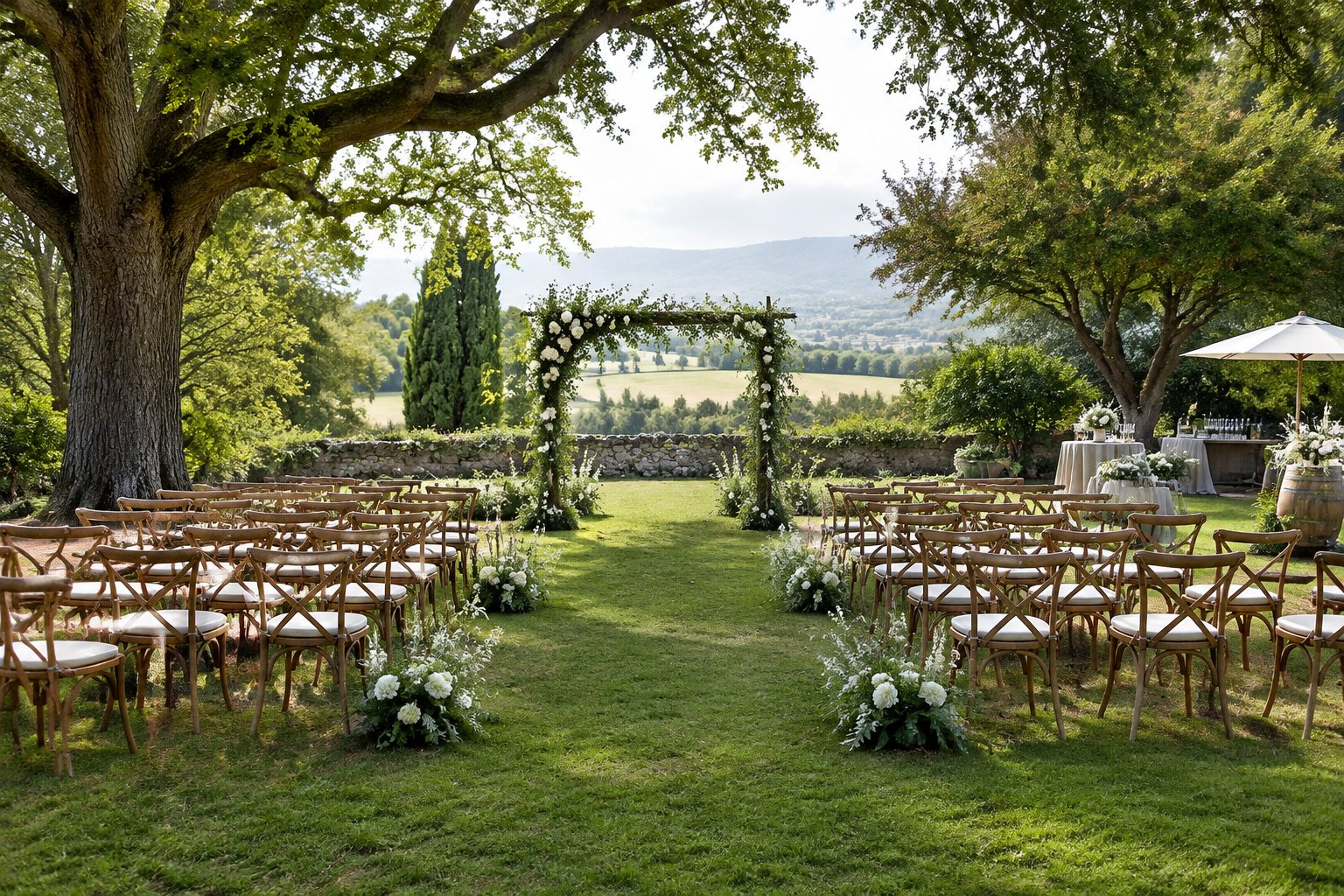
Start with the landscape you want in your ceremony and photos, then consider travel, climate, and the facilities you’ll need. Browsing different wedding venue ideas can help you narrow your preferred look before you schedule tours.
Gardens and Historic Estates
A garden or estate gives you a ceremony backdrop with established plants, paths, and architecture. If you love flowers and greenery, explore garden wedding venue options and ask how the grounds look during your chosen month.
Historic properties can bring character to your celebration, with lawns or courtyards for outdoor events. Ask which areas you can use, whether the grounds stay open to the public during your event, and what restrictions protect historic features. Check for a nearby indoor room or covered area that suits your guest count.
Coastal and Waterfront Celebrations
A coast or waterfront setting puts the water at the center of your day. You might choose a sandy beach, a lawn beside a lake, or a terrace with a shoreline view. For a coastal search, compare beach wedding venues in your area and confirm any local rules about access, sound, décor, and setup.
Wind, sun, and soft sand can affect seating and guest comfort. Ask about shade, sturdy ceremony décor, accessible routes, and the distance from parking to the event space. If the venue is near the water, clarify which parts of the property are reserved for your celebration.
Farms, Ranches, and Woodlands
A farm or ranch can give your wedding a relaxed, countryside feel, while a woodland site surrounds the ceremony with trees and shade. If you’re drawn to a barn setting, compare barn wedding venues near you and ask whether the barn is included in your rental or serves as a backup space.
Check the ground conditions, restroom access, lighting, and distance between the ceremony area and reception. At a working farm, ask which areas are off-limits and whether equipment or animals may be present during your event.
Desert, Mountain, and Resort Backdrops
Desert landscapes, mountain views, and resort grounds offer distinct scenery and a sense of place. A desert site calls for a plan for heat and shade; a mountain venue requires attention to travel time, elevation, and changing temperatures. At a resort, ask which spaces are private for your event and whether guests have convenient lodging nearby.
Check the ceremony time against the sun and local weather patterns. Ask how guests will reach the site, where they can wait before the ceremony, and what indoor or covered areas are available if conditions shift.
Which Standout Venues Should You Explore?
A useful shortlist starts with venues whose location and style suit your plans, then narrows through direct questions about availability and event details. Treat the names below as leads to investigate, and confirm current wedding options with each venue.
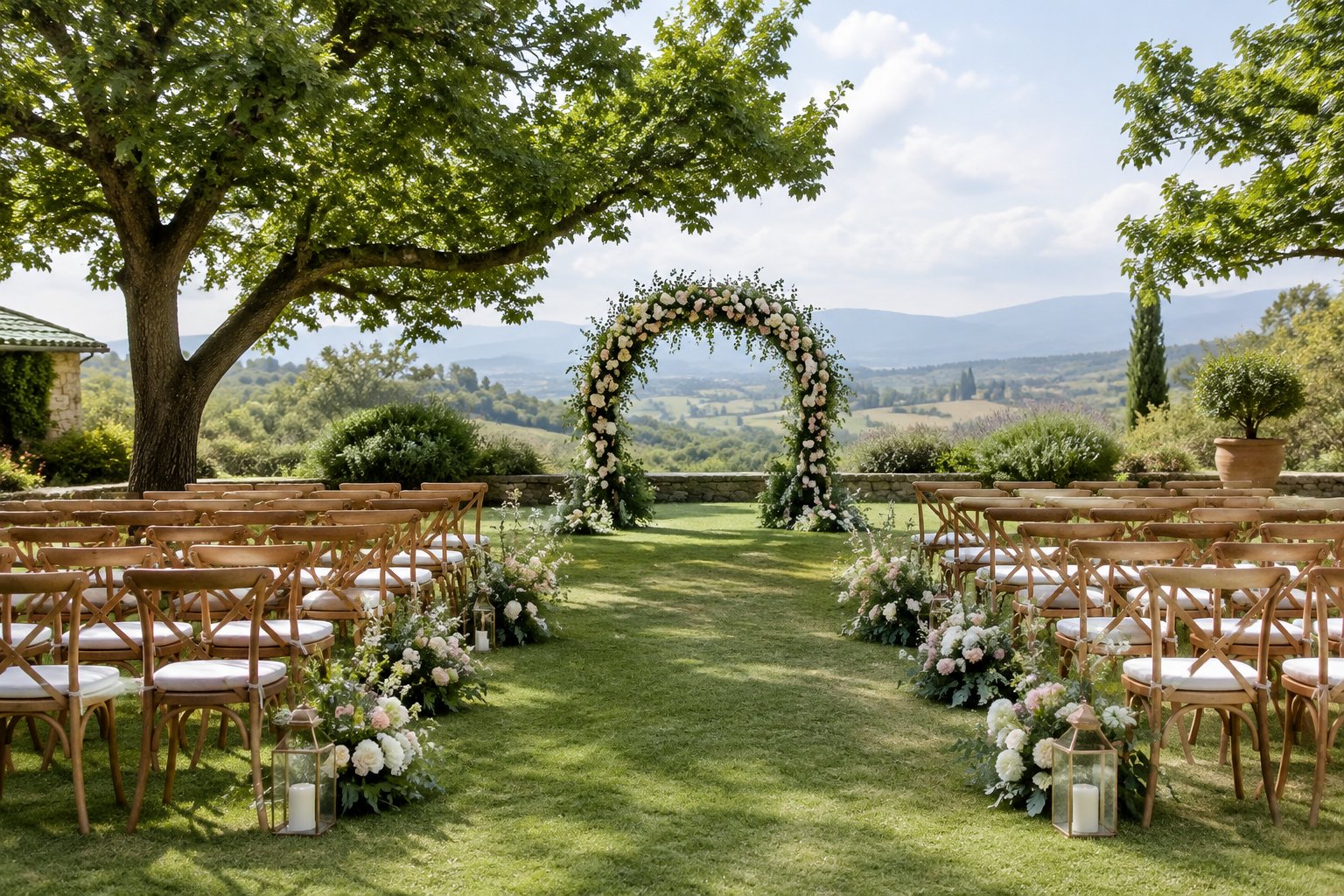
Your tour can help you check the grounds, guest routes, and event spaces in person. When you visit, use wedding venue open house questions to guide your conversation with the staff.
Philadelphia-Area Gardens and Historic Spaces
For a Philadelphia-area search, put Seventh Place, the American Swedish Historical Museum, Curtis Arboretum, and HollyHedge Estate on your list. Each name gives you a different starting point for comparing garden, museum, arboretum, or estate settings.
Wadsworth Mansion is another historic property to consider in the broader Northeast. Confirm the location, outdoor event areas, guest capacity, and travel needs directly with each venue before making plans.
West Coast and Desert Retreats
For desert and resort-style leads, explore The Paseo and Korakia. Aulani, A Disney Resort & Spa, offers a Hawaii-based option if you’re considering a destination celebration. No Business Lodge and Tryphena’s Garden are additional names to research for a nature-focused venue search.
For every property, ask which outdoor spaces host weddings, what indoor backup is available, and whether your guests can stay nearby. Confirm event dates and travel details before comparing quotes.
Midwest Farms and Woodland Settings
For a farm or countryside search, look into Little Piney, Ashton Hill Farm, Mustard Seed Gardens, Oak Hill Gardens, and White Oak. Deer Creek Valley Ranch is another name to explore if you’re considering a ranch setting.
Ask each venue to describe its ceremony and reception areas, included furniture, and available weather backup. A site visit can show you how the grounds connect and whether the walk between spaces suits your guests.
Southern Estates and Island Resorts
For a Southern celebration, research The Manor at 12 Oaks Farm and Southern House & Garden. If an island event appeals to you, add Aulani, A Disney Resort & Spa, to your destination shortlist.
Check the travel plan, lodging, event-day access, and seasonal weather for each choice. Confirm current wedding policies with the venue before you make travel arrangements.
How Much Should You Budget, and What Should You Ask?
Build your budget from an itemized quote that covers the site fee, required services, rentals, and backup plan. A lower rental price may come with more setup needs, so compare the full event cost using a wedding budget plan.
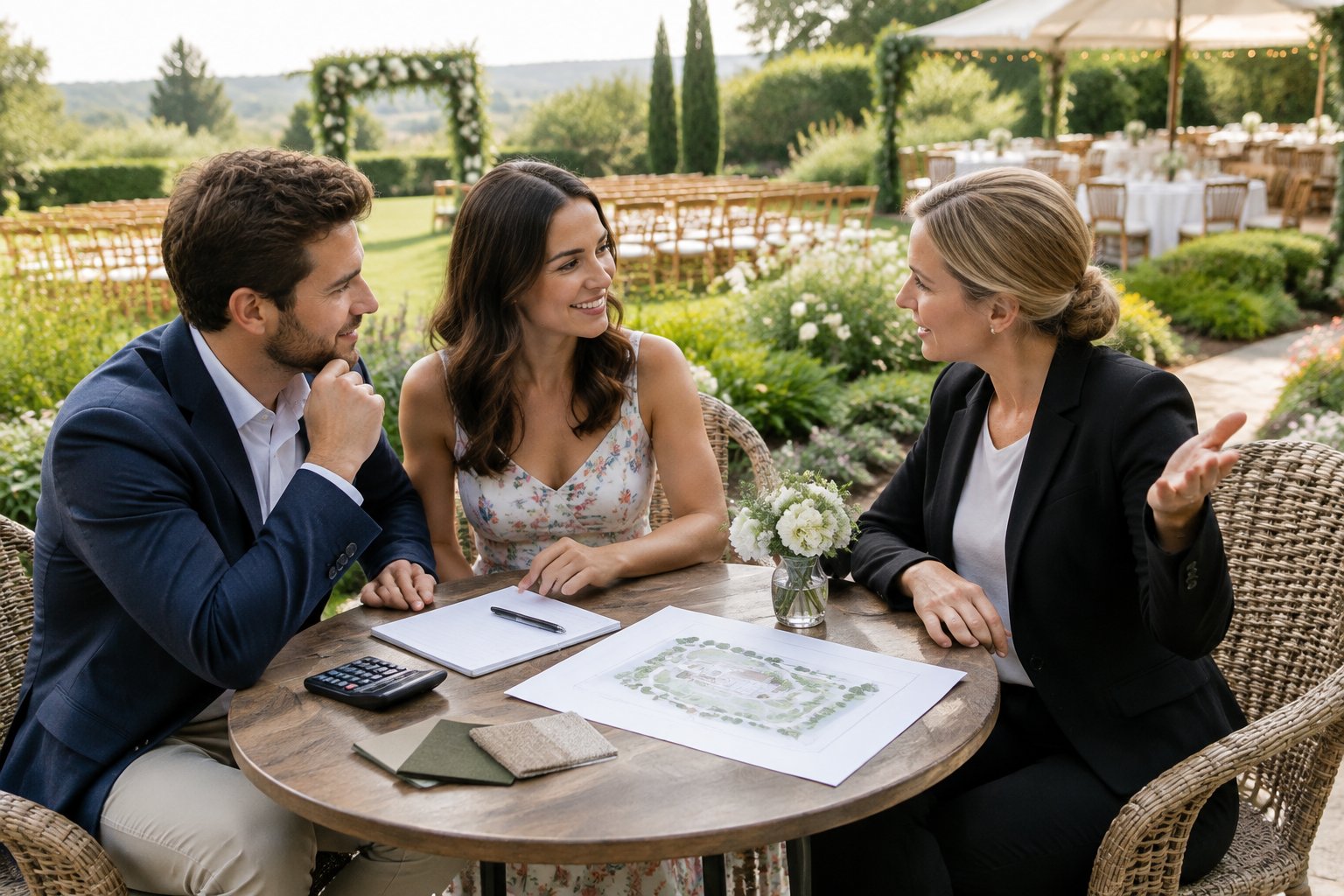
Ask each venue the same questions and record the answers in one place. That gives you a fair comparison when you review contracts and quotes.
Which Costs Are Included in the Rental?
Request a written list of what the rental fee covers. Check for ceremony and reception access, chairs, tables, setup, cleanup, staff, parking, restrooms, and event insurance requirements. Ask whether the fee changes by date, day of the week, guest count, or rental hours.
Clarify the deposit, payment schedule, overtime fees, and cancellation terms before signing. If you need a tent, portable restrooms, a generator, or extra lighting, get those costs in writing as well. Add each required item to your full wedding budget.
What Should You Confirm About Catering and Rentals?
Ask whether you must use an in-house caterer or choose from an approved list. If outside vendors are allowed, check for kitchen access charges, vendor fees, corkage fees, and delivery rules.
Confirm who supplies linens, dinnerware, tables, and chairs, and whether the venue has a place for caterers to prepare and store food. Ask when vendors can arrive and how much time they have for setup and breakdown. A clear schedule helps you avoid extra labor or overtime charges.
How Do Venue Rules Affect Your Plans?
Review rules for music volume, event end time, candles, sparklers, décor attachments, alcohol, and parking. Ask whether the venue needs permits for your event and who handles them. Find out how the rules apply to both the outdoor area and any backup space.
Check what the contract says about rain, severe weather, and a change of event space. If your plans include a tent, ask who arranges installation and whether the venue must approve its size and location. Keep written answers with your contract.
When Should You Visit and Book?
Tour venues while your preferred dates are still available, and book early if you want a popular Saturday during peak season. Your timeline will depend on location, date flexibility, guest count, and the season you have in mind.
How Does the Season Change the Setting?
The same venue can look and feel different across the year. Spring may bring fresh blooms, summer offers long evenings, and fall can add colorful foliage. Local weather also shapes the experience, so ask the venue which months bring comfortable temperatures and what conditions affect outdoor events.
Visit during the season you’re considering when possible. If that isn’t practical, ask for recent photos from the same month and discuss sun exposure, shade, rain, wind, and sunset time. Check whether the ground stays firm after rain and whether the backup space is available for your date.
When Do Popular Dates Typically Fill Up?
For a peak-season Saturday, start touring about 12 to 18 months ahead. Popular venues and sought-after dates can book earlier, so contact your favorites as soon as you have a rough date and guest count.
A Friday, Sunday, weekday, or off-season date gives you more choices. If you have a short planning window, ask venues for current openings and stay flexible about the month or day.
Before you pay a deposit, confirm the date, event hours, included spaces, and all major contract terms in writing.