
Should You Over-Invite to a Wedding? A Practical Guide
Over-inviting can seem like an easy way to fill empty seats, but it puts your celebration at risk if more people accept than you planned for. You should not invite more people than your venue can legally and safely accommodate or your budget can cover.

You can estimate attendance to shape your plans, but no estimate guarantees that some guests will decline. Set your invitation limit around the number you can host, then check your venue capacity and budget before sending invitations.
If you are still choosing your target count, consider how many guests to invite to a wedding based on the space and spending limit you have.
Why Can Over-Inviting Backfire?
Over-inviting creates a risk that your guest count will exceed your venue capacity, your approved occupancy, or your budget. Even a small gap between the number you invite and the number you can host can cause problems if more guests accept than you expect.
What Happens If Everyone Accepts?
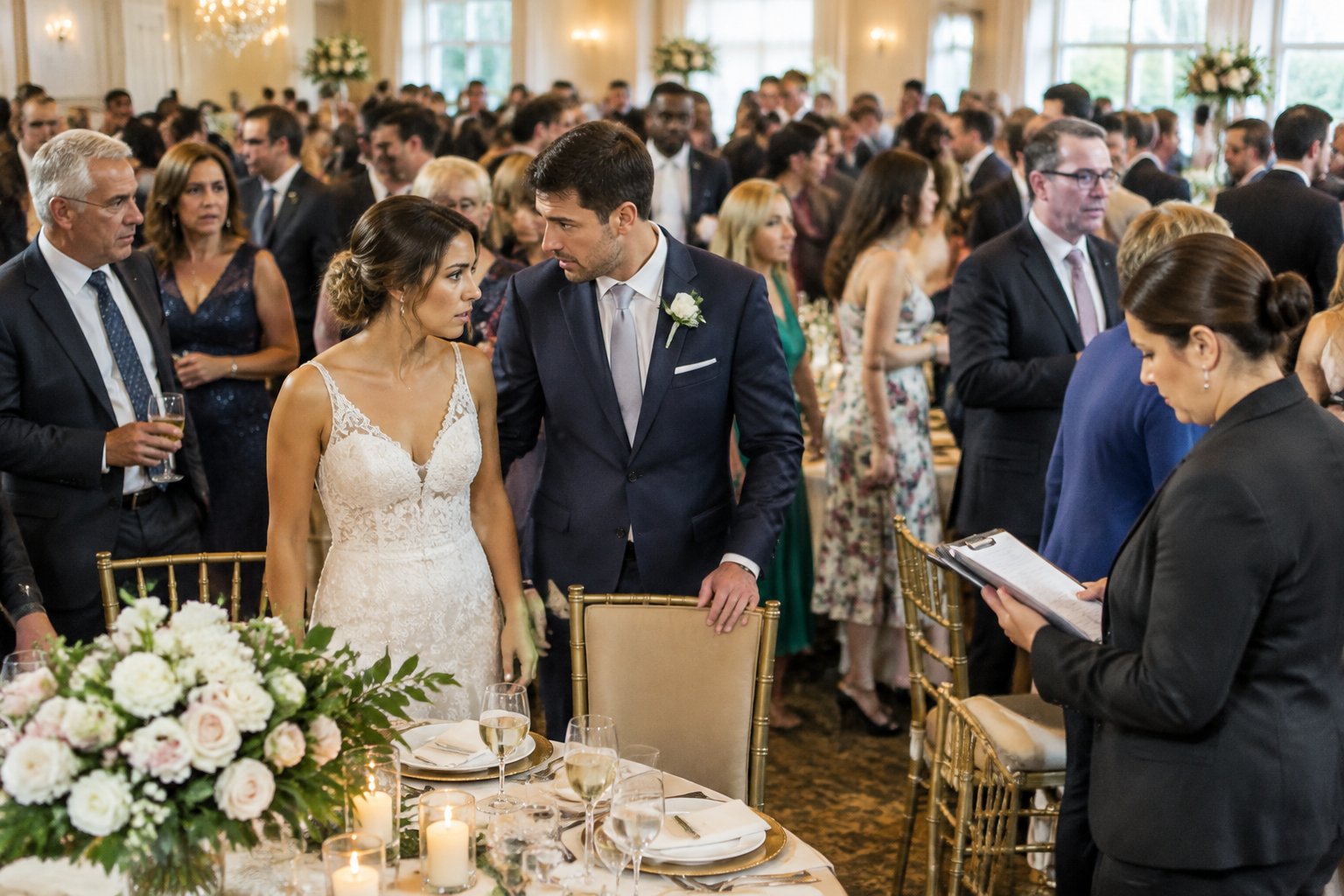
If everyone accepts, you need to host every guest you invited. You cannot assume that a few people will change their plans or fail to show up. You may face a rushed search for more seats, meals, or space, and guests could feel uncomfortable if the room is crowded.
Include every person named on an invitation when you count potential attendees. A household invitation, a plus-one, or a child included on the guest list adds to the total. Keep a clear count of the people each invitation covers.
Why Venue and Legal Limits Are Nonnegotiable
Your venue’s maximum capacity is a firm limit, not a target you can exceed if some guests decline. Fire and safety rules, venue policies, and room layouts all affect the number of people allowed in the space. Ask your venue which capacity applies to your ceremony and reception, especially if they take place in different locations.
Miss Manners makes the same practical point: neither the law nor the venue changes its limit because you expected some guests to say no. If you want to invite more people, get written approval for a space or layout change before sending invitations.
How Extra Guests Affect Your Budget
Each additional guest can add costs for food, drinks, rentals, service, and seating. Your final bill may also include per-person taxes or service charges, so check your vendor contracts before deciding how many invitations your budget can support.
Set a spending limit based on the maximum number of people you invite, not on a hoped-for decline rate. If you want to host more guests, decide which planned expenses you can reduce before expanding the list.
How Many Guests Are Likely to Attend?
Your RSVP count depends on your guests and their plans, so use attendance estimates as planning aids rather than guarantees. A common rough estimate is that 75 to 85 percent of invited guests attend, though your own list may land outside that range.

Why RSVP Estimates Can Be Unreliable
An estimate can help you set a working budget, but it cannot tell you who will say yes. A close friend may have a schedule conflict, while a distant relative may be eager to attend. Your wedding date, location, guest relationships, and travel needs all affect replies.
Use a cautious estimate when you plan, then replace it with confirmed RSVPs as they arrive. You can use a wedding guest attendance estimate to think through likely attendance, while keeping enough room and money for every invited guest to accept.
How Travel Distance May Affect Attendance
Guests who live nearby face fewer travel costs and planning steps than guests who need flights, lodging, or time off work. A destination wedding can bring more declines, though you should not count on a set share of invitees staying home.
Consider each guest group separately. Think about travel time, access to lodging, and whether your date falls near a holiday or major event. Give traveling guests enough notice to plan, and keep your maximum invitation count within your venue’s approved capacity.
Can A- and B-Lists Help Manage Your Guest Count?
A- and B-lists can help you invite additional people when confirmed declines create room, as long as you manage the second wave with care. Your first list should fit within your capacity and budget; your reserve list should include people you would be glad to invite if seats open.

Who Belongs on Your A-List?
Your A-list includes the people you want at your wedding even if no one else declines. Start with close family, your wedding party, and friends whose absence would affect your day. Add their partners or other invited household members to the same list.
Keep entire households and close friend groups together when you organize invitation waves. If people in the same circle receive invitations at different times, they may notice the difference and feel ranked.
When and How to Invite B-List Guests
Invite B-list guests only after you receive clear declines and know how many seats are free. Send the next invitations promptly, while leaving enough time for guests to reply and make travel plans. If the timeline no longer gives them a fair chance to attend, leave those seats open.
Choose B-list guests who are unlikely to compare invitation timing with your first group. Avoid sending a second wave to one person in a tight-knit family or friend group. A thoughtful A- and B-list plan for wedding guests can help you organize invitees and track available seats.
What Wedding Etiquette Advisers Say About Over-Inviting
Miss Manners recognizes that people decline invitations, but points out that once you invite someone, you are committed to hosting them. Her advice is to keep your plans within the law and venue requirements, then use an A- and B-list approach to manage extra invitations.
A reserve list works best when the first group receives invitations early and you can invite the next group with reasonable notice. Be considerate of guests who need time to arrange travel, lodging, or childcare. If you cannot invite someone without making the second wave obvious, a smaller guest list may feel kinder.
How Should You Handle Plus-Ones and Children?
Set clear, consistent rules for plus-ones and children before you send invitations. Each extra person affects your headcount, so include every guest you intend to welcome in your capacity and budget calculations.
Setting a Consistent Plus-One Policy
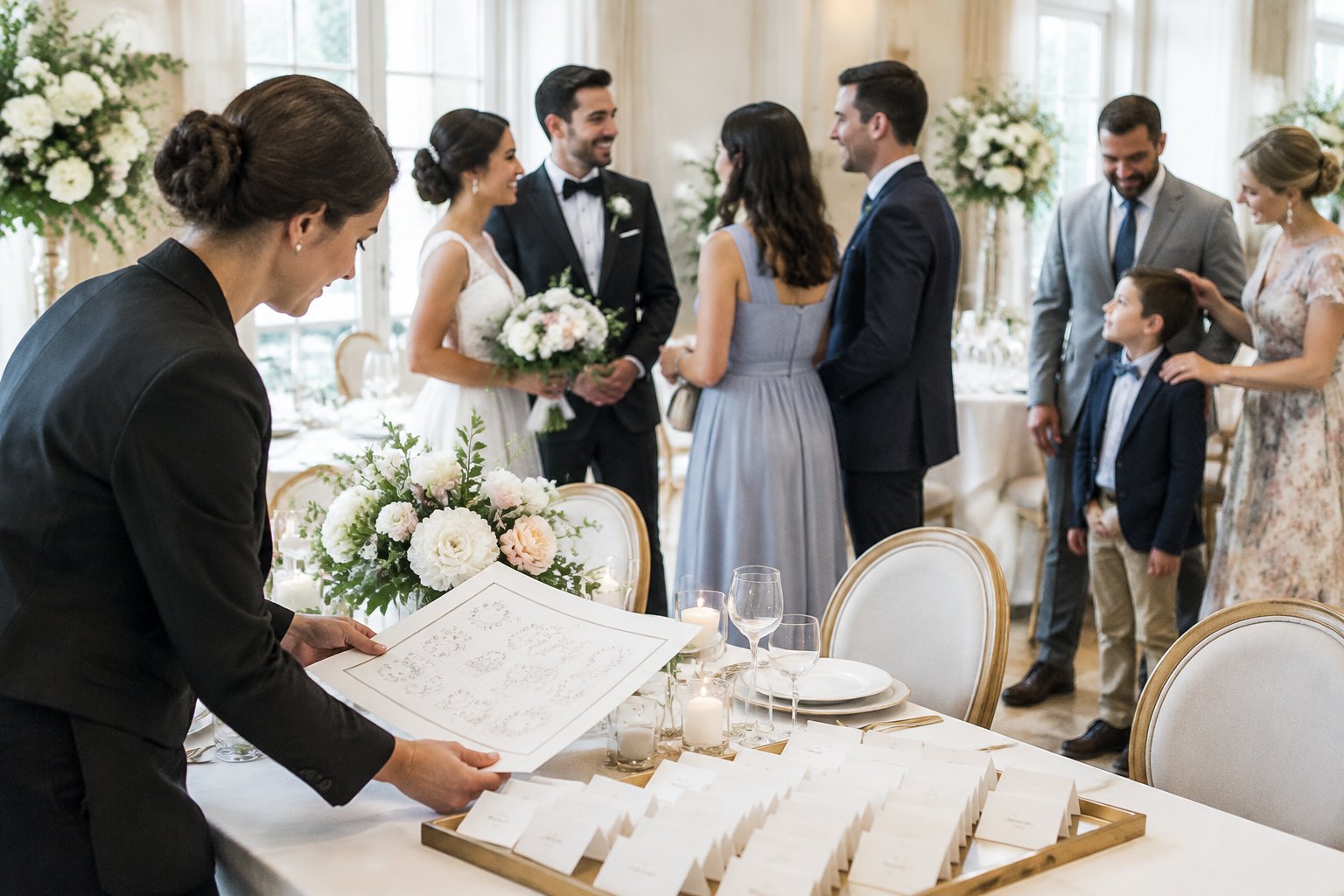
Decide who receives a plus-one based on your budget, venue capacity, and the kind of celebration you want. You may choose to include spouses and established partners, then set a consistent rule for single guests. Apply the same policy to guests in similar situations.
Address invitations to the people you are inviting, and make each plus-one clear by name or with “and guest.” For more guidance on setting a fair policy, consider whether you should give all guests a plus-one.
Making Your Children Policy Clear
Decide whether children are invited before you send invitations, then apply the rule consistently across households. Name the children who are invited on the invitation, and make your RSVP form match the names and number of seats reserved for that household.
If you are hosting an adults-only event, share the policy privately and politely when guests ask. Avoid leaving room for guesswork, since an unlisted child can change your final count and seating plan.
What If More Guests Accept Than You Can Accommodate?
If more guests accept than you planned for, confirm your count quickly and contact your venue and caterer before changing the guest list. Keep the venue’s approved capacity as your limit while you look for workable adjustments.
Recount RSVPs and Confirm Unclear Replies
Review every reply and count each invited person, including named partners and children. If a guest’s response does not say how many people are attending, contact them directly to confirm. Follow up with guests who have not replied before you give their seats to anyone else.
Track replies in one guest list so you can spot missing responses and avoid counting the same person twice. If you need a polite follow-up, use these tips for what to do when guests do not RSVP.
Ask Your Venue and Caterer About Safe Options
Tell your venue and caterer the confirmed number and ask what they can support within their rules. They may approve a revised table layout or another room, provided the change meets capacity and safety requirements. Check any separate ceremony or cocktail-hour location as well.
Confirm what your vendors need for their final headcount and when they need it. Do not add guests based on a layout idea until the venue approves the change.
Find Budget Adjustments Without Uninviting Guests
If the venue can accommodate your confirmed count but your budget feels tight, ask your vendors which changes could lower costs. You might adjust meal options, bar service, décor, or guest favors, depending on your contracts and priorities.
Once someone accepts your invitation, avoid withdrawing it because the guest count grew. Focus on approved space changes and budget choices, and update other vendors whose plans depend on your headcount, such as transportation or cake service.