
Small Micro Wedding Venues: 2026 U.S. Guide
Small micro wedding venues give you a right-sized setting for a celebration with roughly 50 guests or fewer, plus room for the moments you want to share. The smaller guest list lets you spend more time with each person and choose a setting that feels personal, from a garden to a private dining room. If you’re still defining the format, learn what a micro wedding includes.
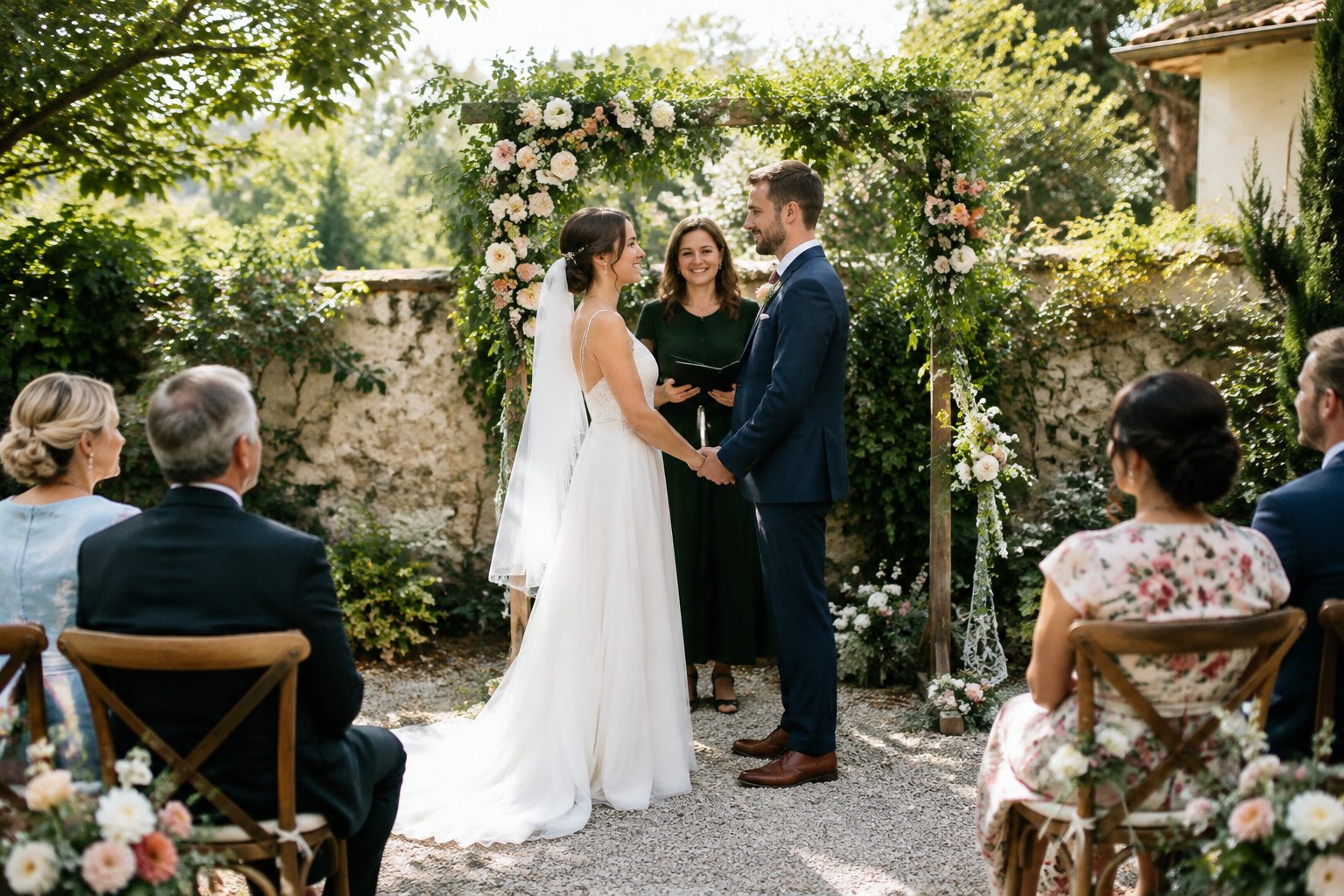
Your venue shapes how guests move through the day, where you gather for dinner, and how your ceremony feels. Start with your guest count and the kind of setting you want, then compare venues that fit both.
What Makes a Venue Right for a Micro Wedding?
A venue suits a micro wedding when its layout feels comfortable for your guest count and supports the parts of the day you care about. A smaller room, a defined ceremony area, or a shared table can help everyone feel connected.
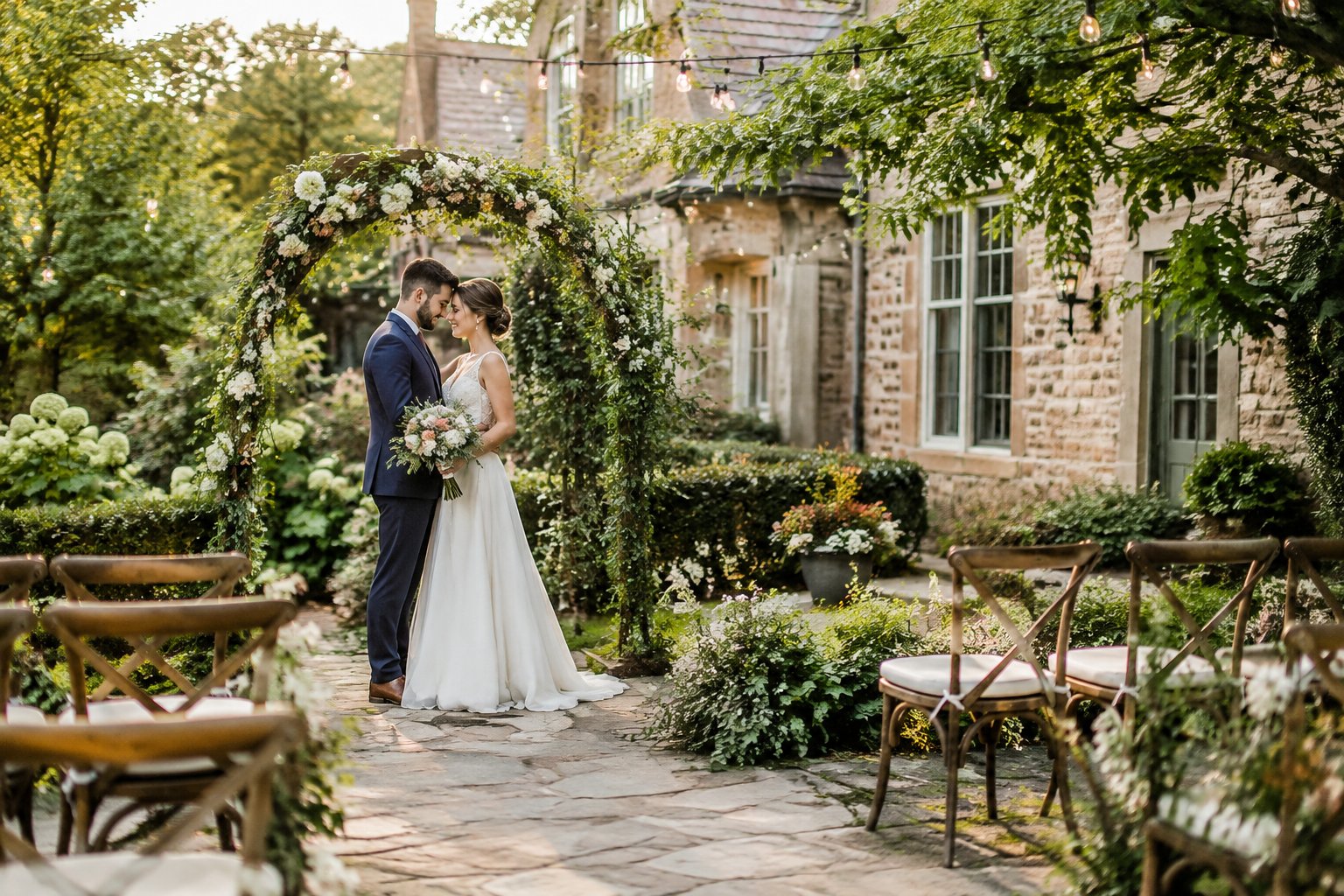
How Many Guests Do Micro Wedding Venues Usually Accommodate?
Many micro weddings have 50 guests or fewer, though venues set their own capacity and event packages. Some small wedding venues suit a gathering of 10 or 20, while others can host a larger intimate celebration.
Check capacity for the layout you plan to use. A seated dinner, ceremony chairs, buffet, and dance floor each take space, so a venue’s maximum count may differ from its comfortable seated capacity. To settle your guest range, use this guide to how many people a micro wedding can include.
How Do Small Weddings Differ From Elopements?
A small wedding brings invited guests together for a shared celebration, while an elopement centers on the couple’s ceremony and may include only a few witnesses. With a micro wedding, you can plan a ceremony, meal, and reception for loved ones while keeping the gathering compact.
Your day can include traditions, music, and a full dinner, or stay relaxed with a short ceremony and a toast. The guest count shapes the scale, while you choose the pace and style.
How Do You Choose a Venue That Fits Your Celebration?
Choose a venue that works for your headcount, event flow, and guest needs, then compare the details that affect the full experience. A floor plan and a clear list of inclusions help you assess wedding venues on more than appearance.
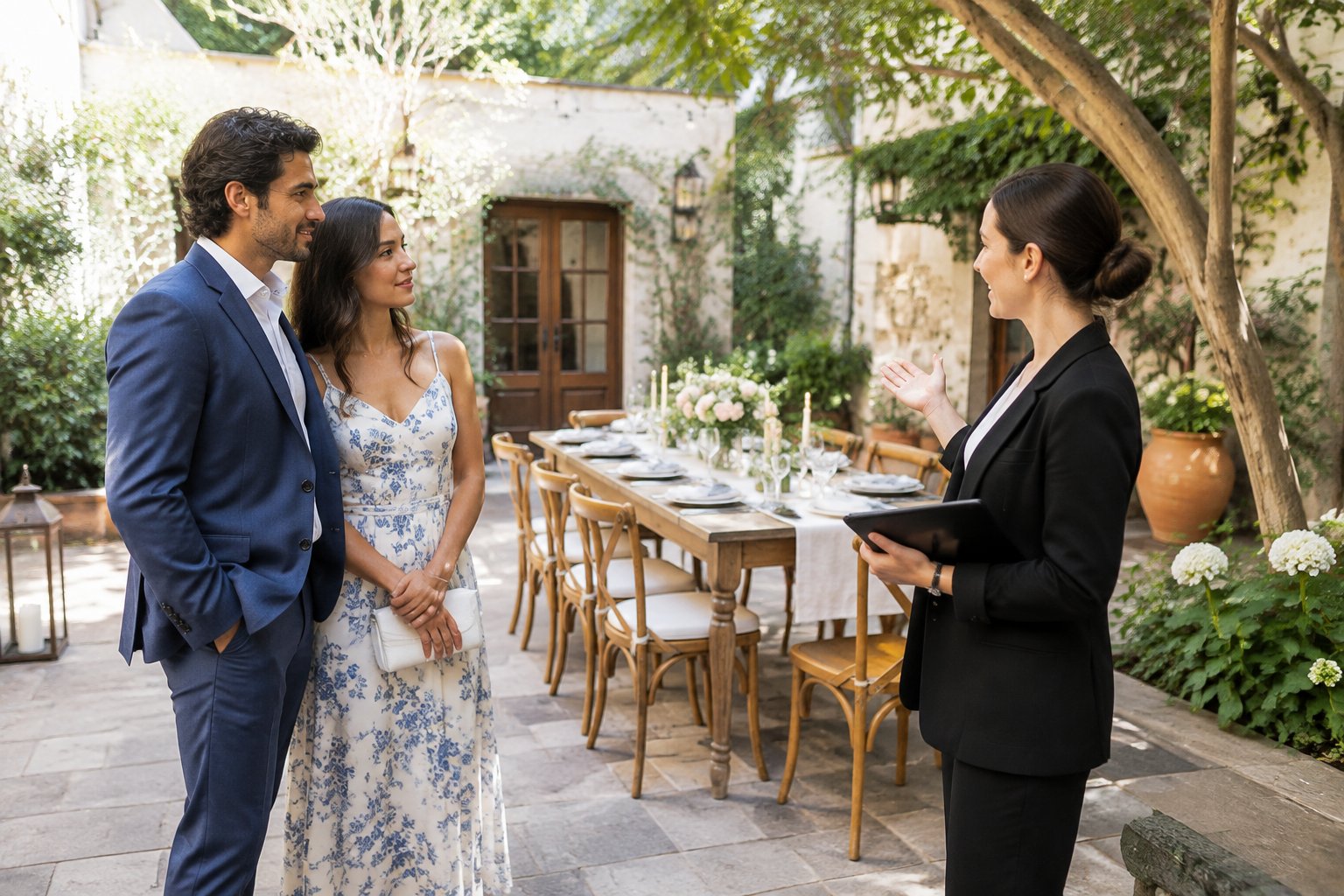
What Should You Check About Capacity and Layout?
Ask for a floor plan showing your planned ceremony and reception setup. Check the seated capacity, space for dining tables, and routes guests will use between the ceremony, cocktail hour, and dinner.
If the same room hosts several parts of the day, ask who handles the reset and how much time it takes. A thoughtful arrangement can make a larger property feel intimate, while a room that is too large may leave guests spread out. Use a wedding location checklist to compare access, setting, and travel needs.
Which Amenities Make Planning Easier?
Venue amenities can reduce the number of rentals and vendors you need to arrange. Ask whether your rental includes tables and chairs, setup and cleanup, a getting-ready space, sound equipment, and on-site staff.
Food and drink service also affect your plans. Confirm whether the venue provides catering, allows outside caterers, or requires you to choose from an approved list. If you want fewer separate bookings, compare all-inclusive small wedding venues and review exactly which services their packages cover.
How Can You Compare Venue Policies and Accessibility?
Ask each venue for its rules in writing, including rental hours, vendor requirements, décor limits, alcohol service, and cancellation terms. Confirm that the ceremony and reception spaces work for guests with mobility needs, and ask about accessible routes, restrooms, and parking.
For outdoor events, get the weather plan in clear terms. Find out where the ceremony moves in case of rain, who makes the call, and whether a backup space carries an extra charge. When you compare intimate wedding reception venues, check the same details at every location.
Standout U.S. Venues for Intimate Celebrations
The best micro wedding venues in the U.S. give you a distinctive setting while making the event flow easy for a small group. These examples span woodland, coastal, garden, and getaway styles; confirm current capacities, packages, and policies directly with each venue.
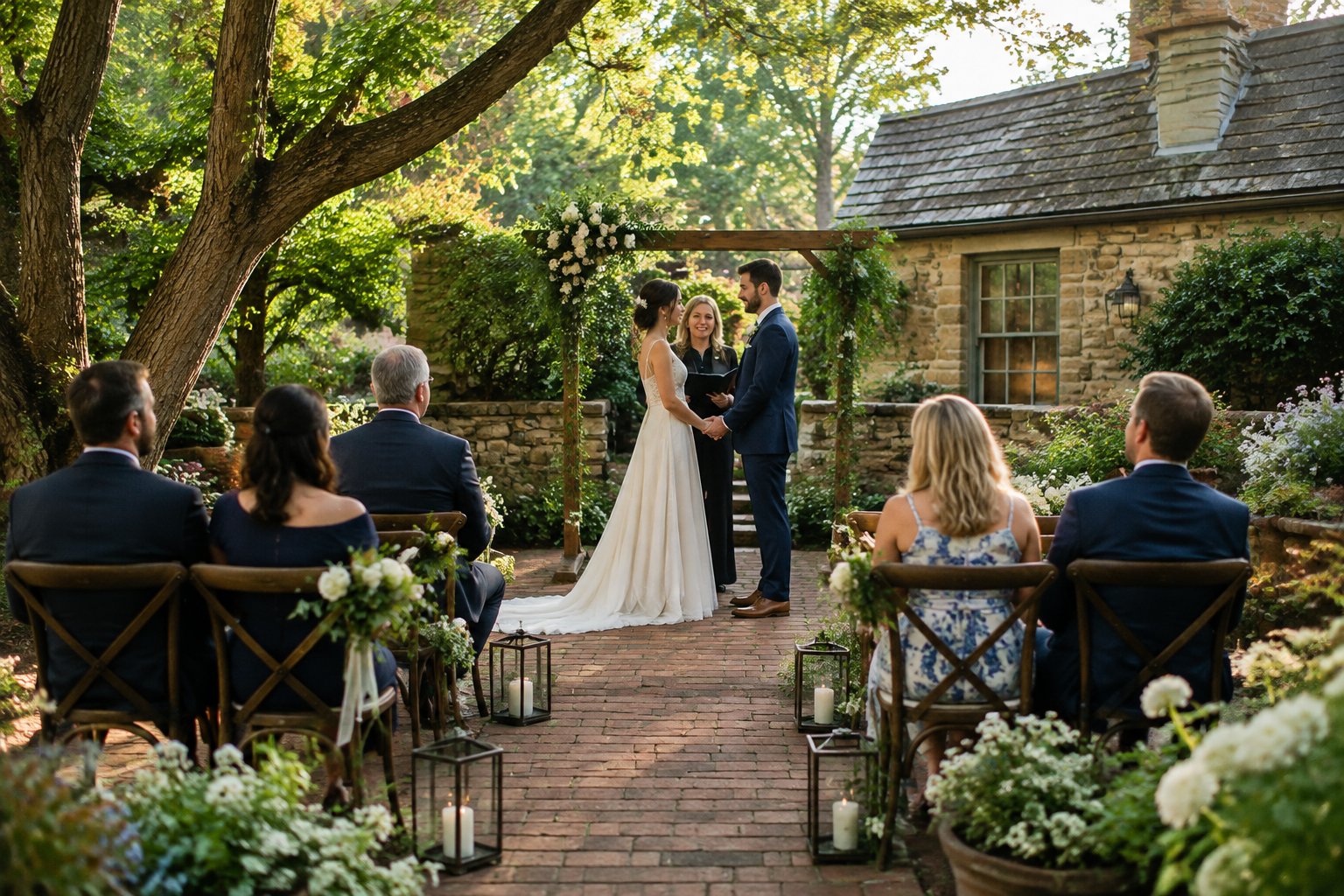
Treehouse Point and The Emerald Forest for a Woodland Setting
Treehouse Point in Washington offers a forested setting near the Seattle area, while The Emerald Forest is another name to explore if you picture a wooded celebration. These venues speak to a nature-focused style, where the setting can shape the ceremony and guest experience.
Ask about the exact event spaces, guest limits, lodging, and transportation. Tree-lined paths and outdoor areas can add character, while guests may need clear directions and a plan for changing weather.
Crook Point and 16 Bay View for Coastal Views
Crook Point in Oregon sits along the southern Oregon coast, a fit for couples drawn to ocean scenery and an open-air celebration. 16 Bay View in Camden, Maine, offers a different coastal atmosphere in a waterfront town setting.
Ask how each venue handles ceremony locations, indoor dining, and weather changes. For guests traveling in, check nearby lodging and how they’ll get between accommodations and the event.
Male’ana Gardens and Green Haven for Garden Celebrations
Male’ana Gardens in Hawaii brings a garden setting to a celebration, while Green Haven offers another option to consider for a garden-inspired day. Gardens give you a natural backdrop for vows and portraits, with room to style the tables and ceremony area to suit your guest count.
Check which areas are included in the rental and what happens if weather changes. Ask about shade, seating, restrooms, and lighting for an event that continues into the evening.
Salted Roots and Under Canvas for a Getaway Feel
Salted Roots in Seward, Alaska, and Under Canvas locations offer getaway-style settings where the destination becomes part of your celebration. Under Canvas operates at multiple destinations, so check the location that fits your plans and guest travel.
For a remote or overnight celebration, review lodging options, meal service, transportation, and the schedule for setup and cleanup. Add personal touches that suit the setting with these micro wedding ideas.
Where Can You Find Micro Wedding Venues in Washington and Oregon?
Washington and Oregon offer micro wedding venues ranging from wooded properties to coastal locations and lodge settings. As you compare options, confirm how each venue handles guest capacity, lodging, and weather plans.
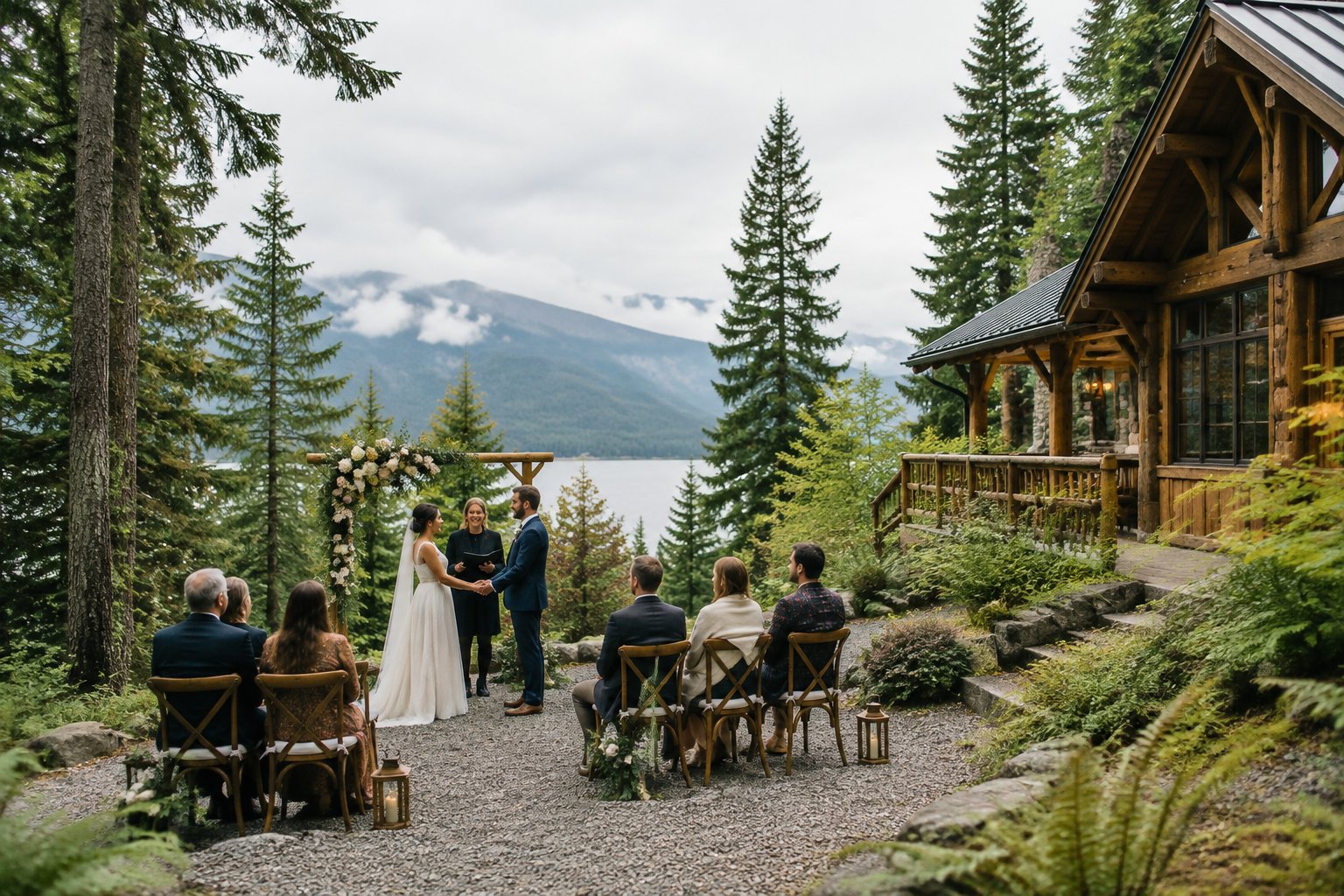
Washington Options, Including Treehouse Point
Treehouse Point in Issaquah gives you a forest setting within reach of the Seattle area. When you explore Washington micro wedding venues, look at travel time, on-site lodging, and how guests will move between ceremony and reception spaces.
Ask about the venue’s current guest limit for your preferred setup, along with seasonal access and backup arrangements. A venue tour helps you assess paths, parking, and the distance between gathering areas.
Oregon Options, Including Crook Point and Loloma Lodge
Crook Point offers a coastal setting near Pistol River, while Loloma Lodge in Camp Sherman provides a lodge-style option in Central Oregon. Both can suit a small gathering that makes the location part of the experience.
Check whether your booking includes overnight stays, event areas, and time for setup. For coastal venues, ask about wind and rain plans; for a lodge, confirm room availability and transportation for guests.
What Should You Budget and Confirm Before Booking?
Your venue budget should include the rental, required services, and any added costs for food, rentals, staffing, or setup. Compare written quotes for your date and guest count so the price reflects the celebration you plan.
How Do Venue Costs and Packages Vary?
Venue costs reflect factors such as location, date, event length, and included services. Some venues charge a site fee, while others bundle food, staff, rentals, or planning support into a package.
Ask for an itemized estimate that lists taxes, service charges, deposits, payment dates, and possible overtime fees. Compare weekday and weekend quotes, and check what happens if your guest count changes. If you’re watching expenses, compare affordable small wedding venues by total cost, including required add-ons.
What Should You Know About Rooftop Terraces, Gardens, and Wineries?
Rooftop terraces, outdoor gardens, and wineries offer distinct settings, and each comes with practical details to check. Rooftops call for clear plans around weather, access, and sound. Gardens need a rain backup, guest shade, and a plan for uneven paths. Wineries may have rules for outside alcohol, catering, or use of shared areas.
Ask how the venue handles setup and whether the rental includes furniture, lighting, and restrooms. For each setting, check the end time and any limits on music or decorations.
Which Questions Should You Ask Before Signing?
Before signing, get the complete price, event hours, and cancellation or date-change terms in writing. Confirm the guest capacity for your chosen layout and review every vendor, catering, alcohol, and décor rule.
Ask who will be on-site during your event and who handles setup, cleanup, and room changes. Check the weather backup, accessibility details, and deposit schedule, then make sure the agreement reflects the answers you received.