
Small Wedding Venues Elopement: A Guide to Finding Your Fit
A small wedding or elopement gives you room to focus on the ceremony and the people closest to you. Choose a venue that fits your guest count, your plans for the day, and the services you want included.
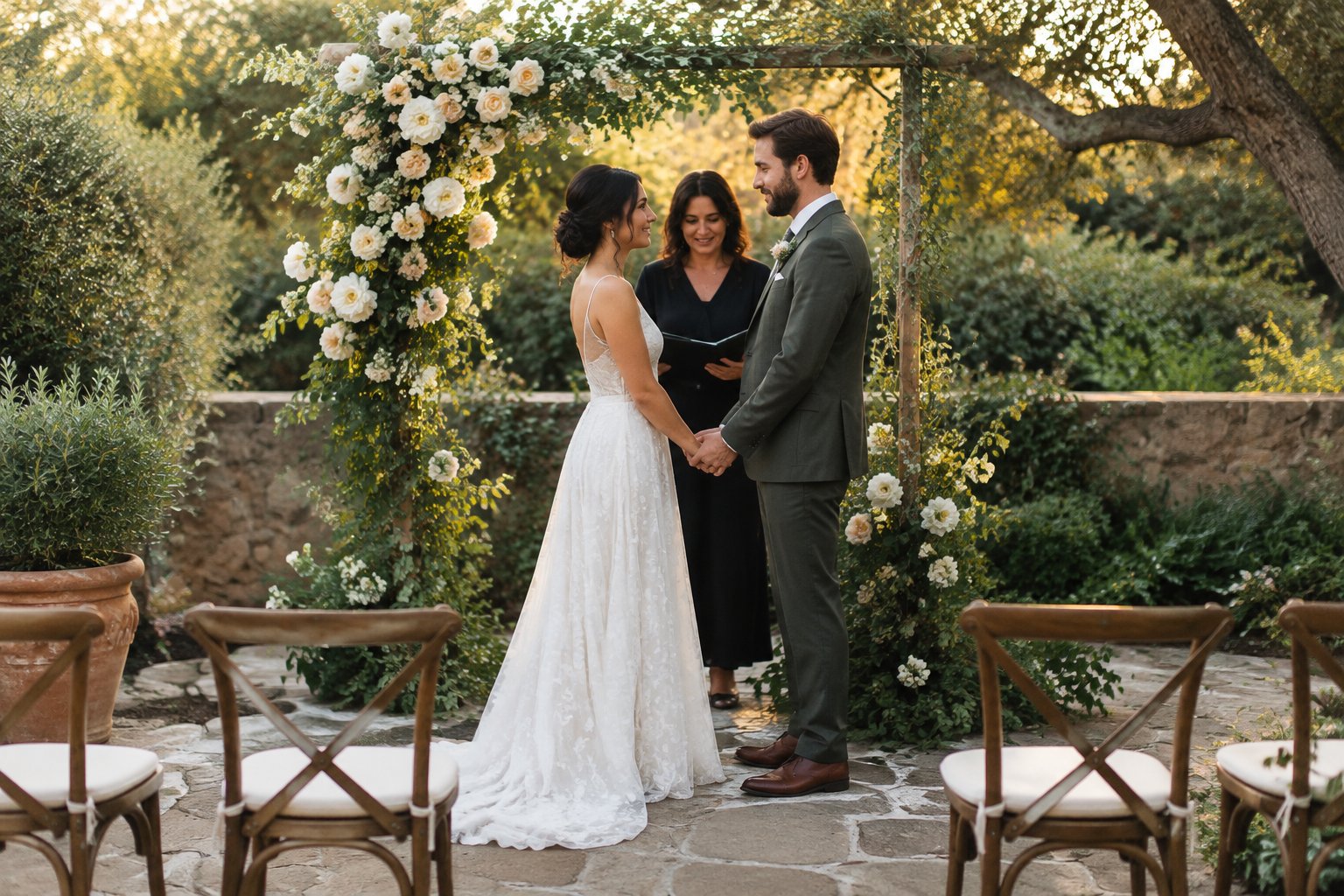
Your guest list helps you decide whether you want a private ceremony for two, a handful of guests, or a full micro wedding with dinner and a reception. Once you set that number, you can compare venue types and ask for clear pricing. Start by writing down your guest count and the parts of the day you want to make room for.
What Counts as a Small Wedding or Elopement?
An elopement centers on the couple’s ceremony, while a micro wedding brings a small guest list into a fuller wedding celebration. Guest-count definitions vary, so set a number that works for your plans before you search for a venue. If you want a clearer starting point, you can compare what counts as a small wedding with your own guest list.
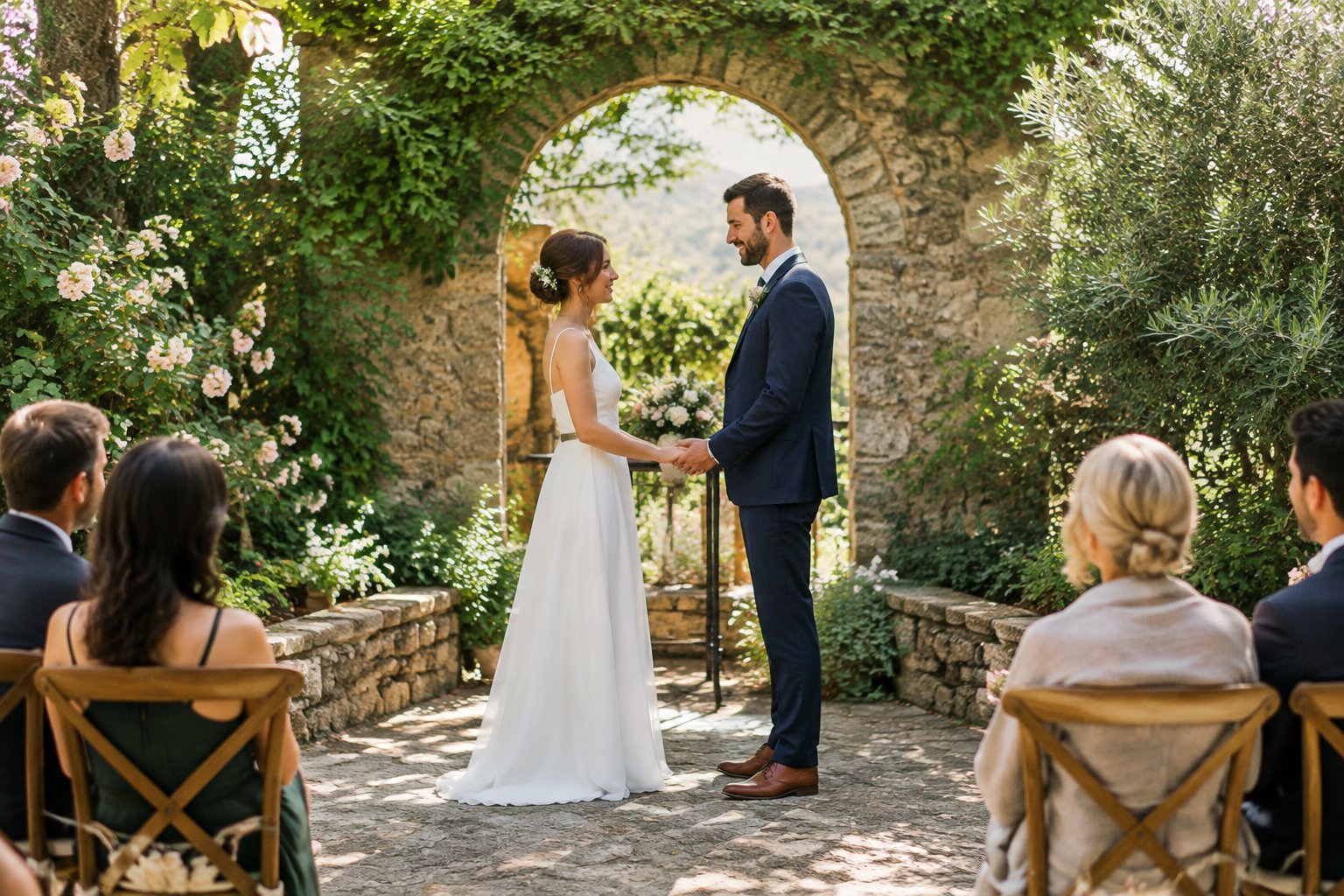
The difference shapes what you need from the space, from a quiet place to exchange vows to a room that can hold a meal and time together. An intimate wedding venue can support either style when its layout and rules fit your plans.
How Does an Elopement Differ From a Micro Wedding?
An elopement often includes just you, your partner, and the people needed for the ceremony, such as an officiant and witnesses. Some couples invite a few close family members or friends. A micro wedding, also written as microwedding or micro-wedding, keeps the guest list small while including familiar wedding moments such as a ceremony, meal, toasts, or dancing.
There is no single guest count used by every venue. One venue may define an elopement as a couple and a few guests, while another may offer an elopement package for a larger group. If you are weighing both formats, consider how a micro wedding differs from an elopement alongside the guest count you have in mind.
What Can a Small Wedding Venue Offer?
Small wedding venues may offer a ceremony space, chairs, tables, and a private room for dinner. Some include an on-site coordinator or connections to local vendors. You might also find a garden, inn, cabin, or private dining room that suits a short ceremony without requiring a large event space.
Check whether the venue can support the whole plan you have in mind. Ask about setup time, a rain backup, food service, and where guests can gather before and after the ceremony. The right fit gives you enough space to move through your day comfortably.
Which Venue Types Work Best for Intimate Celebrations?
The best intimate wedding venues have a layout, atmosphere, and set of services that suit your guest count. A restaurant room can simplify the meal, while a garden or cabin can give your ceremony a distinct setting. Explore intimate wedding venues for small weddings with your priorities in mind.
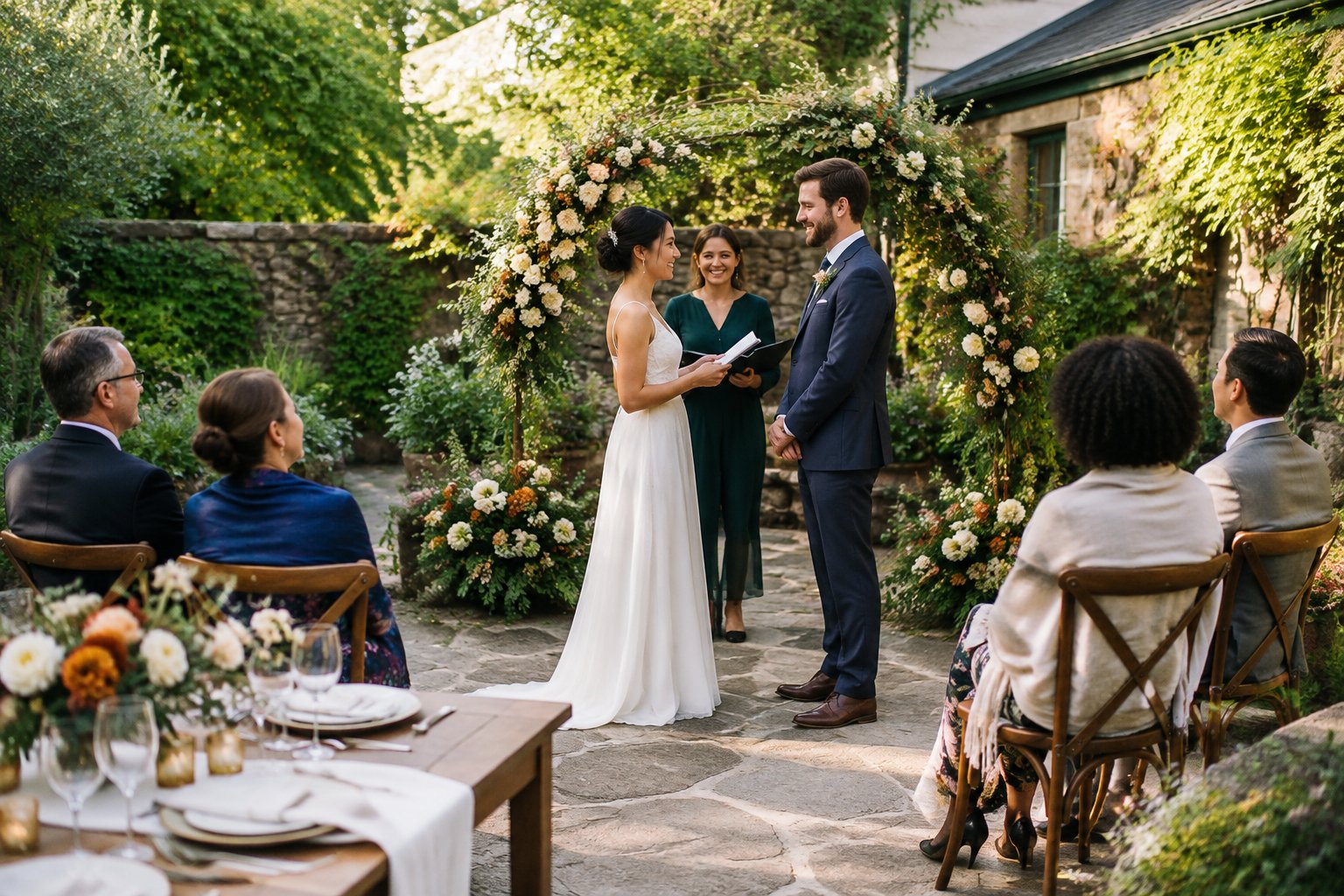
Micro wedding venues range from private dining rooms and boutique inns to gardens and small event spaces. Compare access, privacy, food options, and weather plans as you decide which setting works for your celebration.
Are Inns, Gardens, and Cabins a Good Fit?
Inns offer a home-like setting, and some have guest rooms on-site for people traveling to your wedding. Ask how much of the property you can use, whether other guests will be nearby, and what is included in the rental.
Gardens give you a natural ceremony backdrop and space for guests to mingle outdoors. Ask about a rain location, restroom access, seating, and any rules for flowers or decorations. Cabins can work well for a small group that wants a relaxed gathering, especially when there is room for a meal and lodging. Confirm the property’s event rules and parking limits before booking.
Can You Host a Wedding at an Airbnb or Peerspace?
Airbnb wedding venues and Peerspace listings can offer distinctive places for small celebrations, but you need clear permission before planning an event. A listing that allows overnight stays or hourly rentals does not automatically allow a wedding or reception.
Read the current event policy and get written approval from the host or property manager. Confirm the guest limit, noise rules, vendor access, cleanup terms, and any added event fees. Ask whether the fee includes access to the spaces you need, such as a yard, kitchen, or indoor room. Keep a copy of the approval with your booking details.
What Do Elopement and Micro-Wedding Packages Include?
An elopement package bundles selected services under one booking, while micro-wedding and wedding packages may add more time, guests, and event support. The exact list depends on the venue or provider, so ask for a written breakdown before you compare prices.
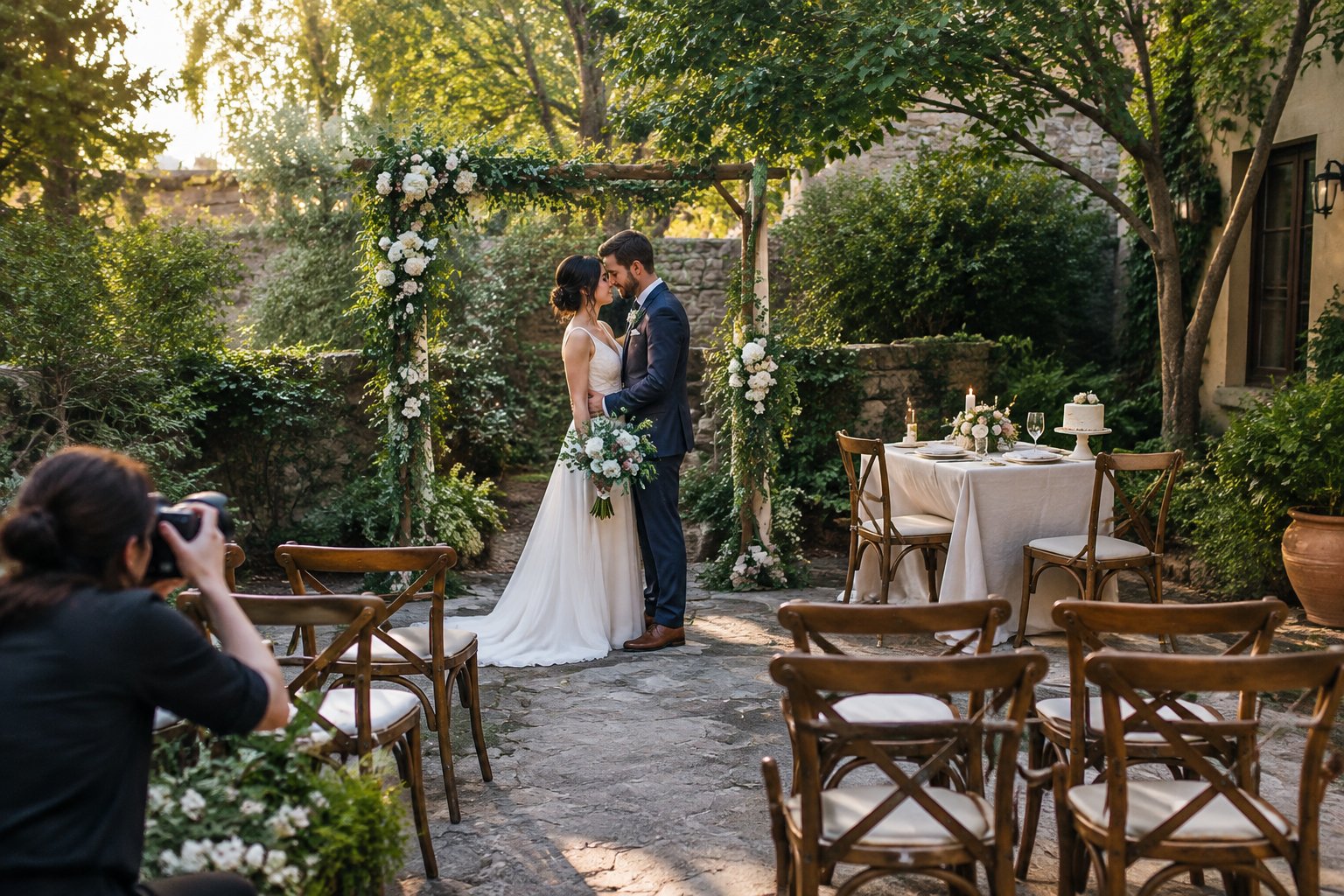
Packages can bring several vendors or services together, which may make planning easier. You can also compare all-inclusive small wedding venues if you want the location and key services coordinated in one booking.
Which Services Are Usually Bundled?
A package may include use of a ceremony space, an officiant, photography, simple flowers, a cake, or a venue host. A micro-wedding package may add chairs, tables, a set number of event hours, or a meal. Check each item for quantities and timing: “photography included” should come with a stated number of coverage hours and details about image delivery.
Ask which costs remain separate. Common extras include the marriage license, permits for public land, meals beyond a small cake or toast, travel, lodging, and added guests. Confirm who handles setup and cleanup, and whether vendor tips or service fees are part of the quoted price.
When Is a Package Better Than Booking Vendors Separately?
A package can suit you when you want fewer vendor agreements and a coordinated plan for a short celebration. It is especially useful when the venue’s team already works with the vendors you need. Review each service and its price so you know what the package replaces and what you still need to arrange.
Booking separately gives you more choice over each vendor and lets you adjust services to your priorities. For example, you might choose longer photography coverage and keep decor simple. Compare the package total with separate quotes for the same services, hours, and guest count before you decide.
How Much Do Small Wedding Venues Cost?
Small wedding venue prices depend on the space, date, guest count, and services in the booking. Publicly listed venue packages in the supplied examples range from hundreds of dollars to several thousand, with more services and longer events adding to the total. Compare common wedding venue costs with quotes for your location and plans.
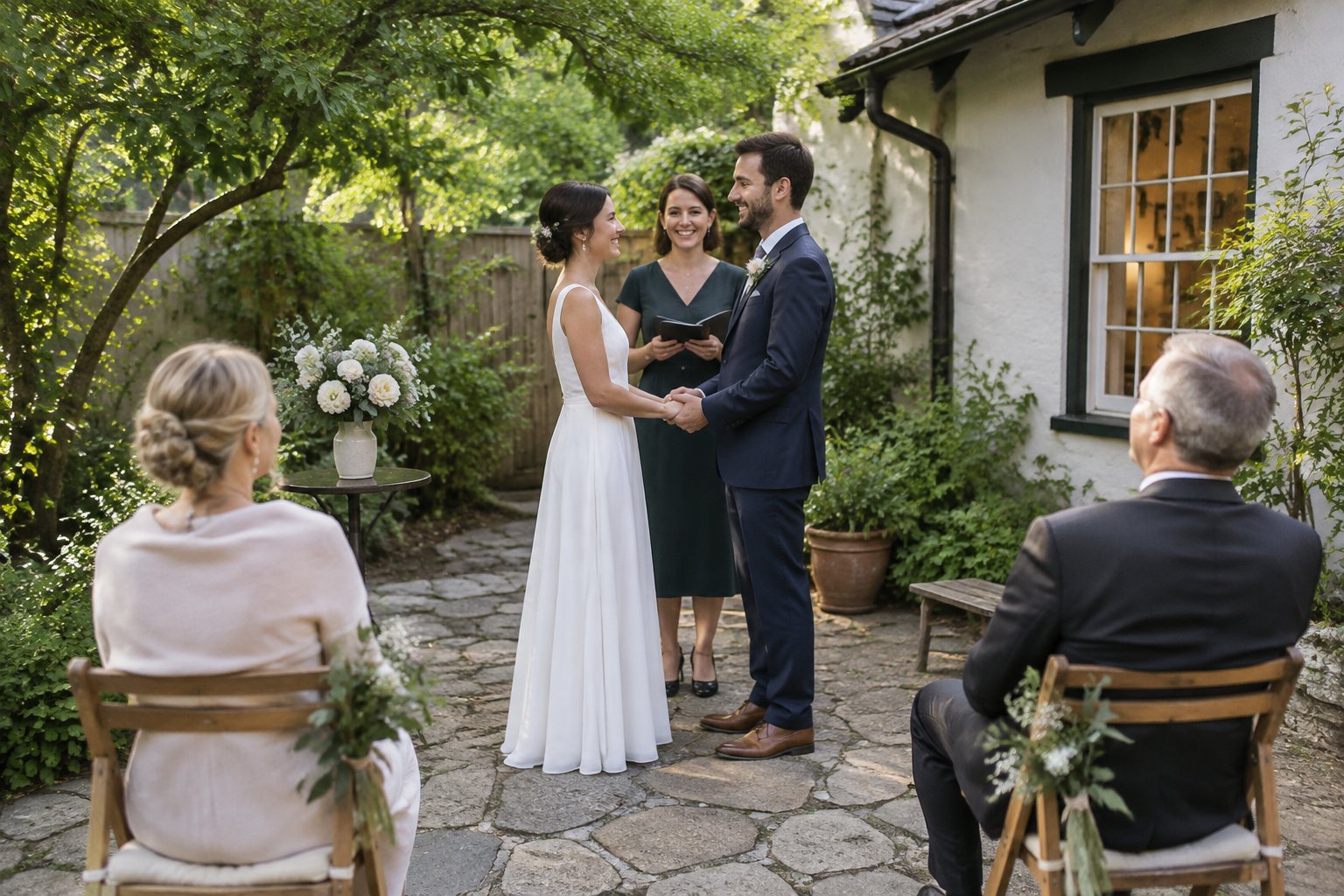
A lower rental fee may leave you arranging more details on your own, while a package may group several services into one price. Your final budget should include the venue, food, staffing, rentals, and any fees tied to your date or guest count.
What Affects the Total Price?
Your guest count influences food, drinks, chairs, and table settings. The venue’s location and date also affect the quote, along with the length of the booking and whether you need exclusive use of the property. Outdoor venues may have separate permit needs, while indoor spaces may charge for setup, cleanup, or additional event hours.
Ask for a quote that matches your actual plans. Include the ceremony and reception spaces you need, your guest count, and any meal or bar service. If a venue requires a food or beverage minimum, confirm the amount and whether taxes, service charges, or gratuities are added.
What Can Sample Venue Prices Tell You?
Published prices give you a starting point, not a full budget. A package listed at one price may cover only a short ceremony, while another includes photography, an officiant, or a meal. Read the included services and guest limit before comparing the numbers.
If you are considering Crook Point, request a quote for your date and event details, then ask what the listed price includes. You can also compare lower-cost small wedding venues while checking for required rentals, service fees, and event minimums. Keep the same guest count and service list across quotes so you can compare like with like.
How Do You Choose the Right Venue?
Choose an intimate wedding venue by checking guest comfort, total cost, location, and the rules that shape your day. A space that feels welcoming at your actual headcount will make it easier to plan the ceremony and gathering around it. For more location-planning guidance, consider how to pick a wedding location.
How Many Guests Can the Space Comfortably Accommodate?
Ask for separate capacity numbers for a ceremony, seated meal, and standing reception. A room that fits a certain number of chairs may feel tight once you add tables, a photo area, or space for guests to move around. If you plan to use one room for both the ceremony and dinner, ask how staff will reset it and how long that takes.
Think about guest needs as well as the room’s maximum capacity. Check for comfortable seating, accessible entrances and restrooms, nearby parking, and a place for guests to wait if they arrive early. For an outdoor event, ask where guests can go if the weather changes.
Which Policies and Practical Details Should You Check?
Review the contract and venue policies before paying a deposit. Confirm the date, booking hours, payment schedule, cancellation terms, insurance requirements, and any fees for extra time. Ask who will be your day-of contact and when vendors can arrive to set up.
Check rules for outside catering, alcohol, music, candles, decorations, pets, and cleanup. Ask whether the venue requires approved vendors or a coordinator, and confirm the noise limit or music cutoff time. If a detail matters to you, get it in writing before you sign.