
Small Wedding Venues: Types, Costs, and How to Choose
Small wedding venues give you a comfortable setting for a close-knit celebration, with space for meaningful time together and details that feel personal. You’ll find options ranging from private dining rooms and historic inns to gardens and small estates.
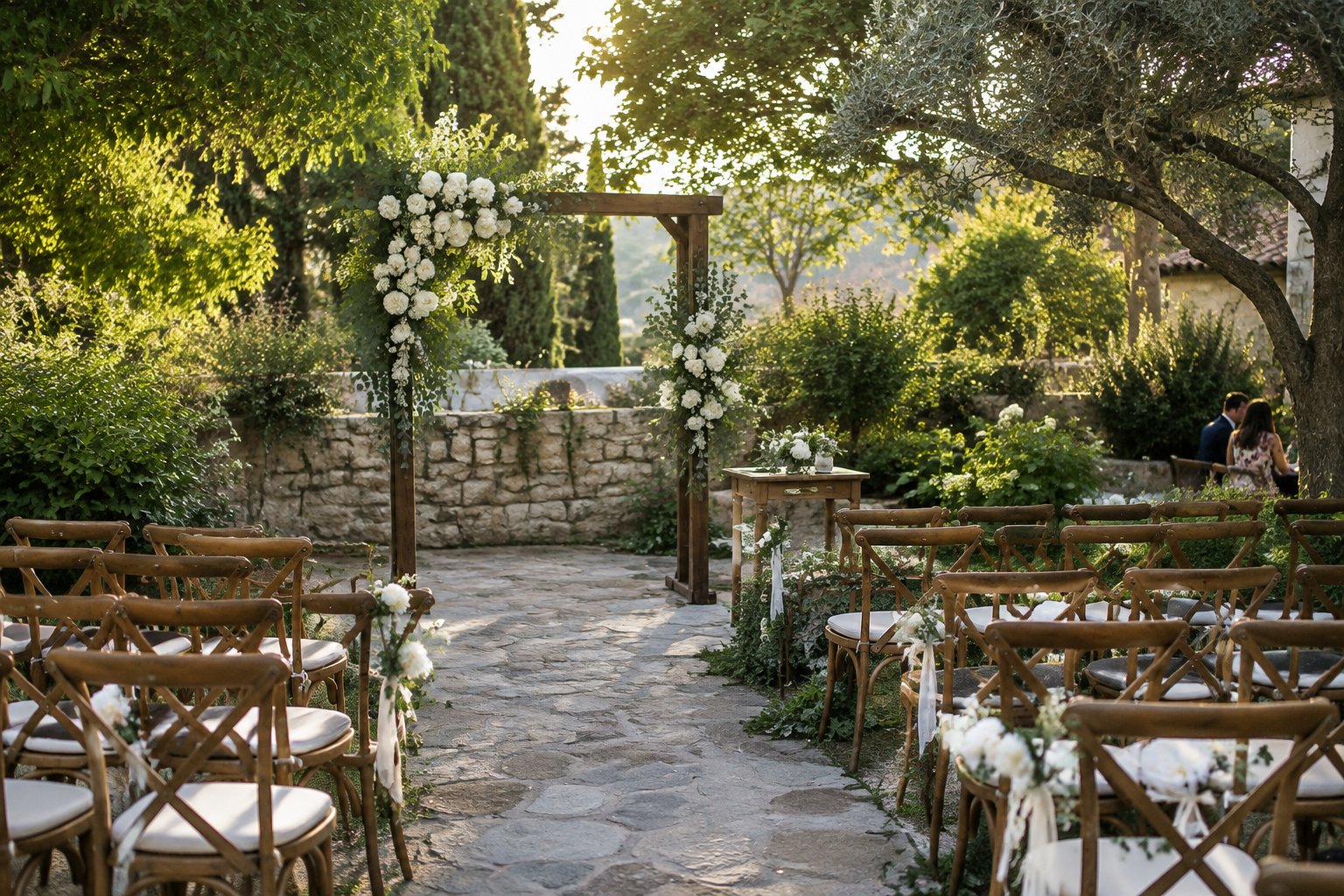
Small weddings often have fewer than 50 guests, while intimate wedding venues and micro wedding venues can suit celebrations with even smaller guest lists. Start by choosing the people you most want beside you, then make a shortlist of spaces that fit your headcount, style, and budget.
What Counts as a Small Wedding?
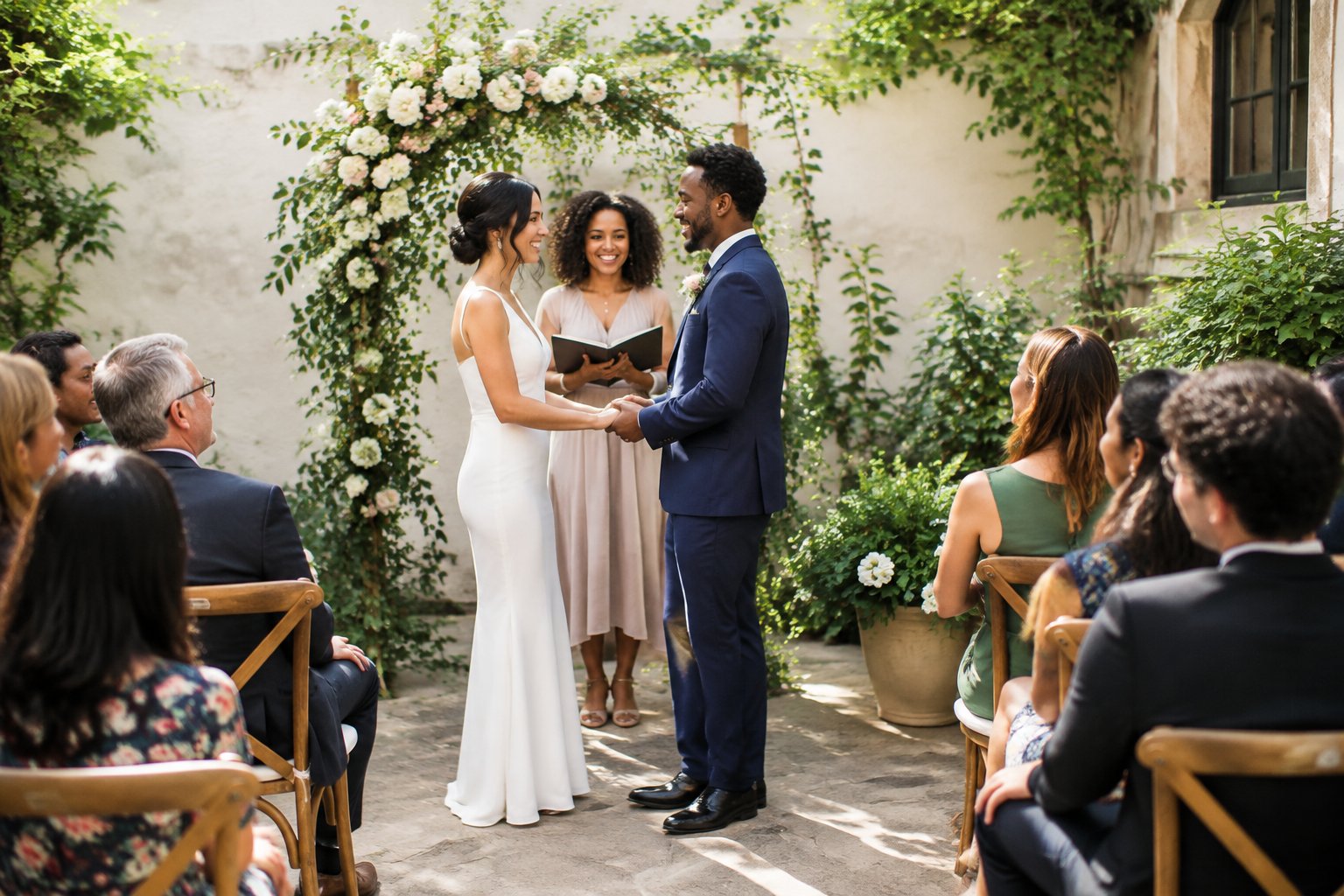
A small wedding commonly has fewer than 50 guests, though you can set a different limit that feels right for your celebration. Your guest count shapes the venue size, meal plans, and the amount of time you’ll have to connect with each person.
How Many Guests Usually Attend?
Many couples use “small wedding” for a celebration with fewer than 50 guests. An intimate wedding may include 50 to 75 people, while a micro wedding often has 15 to 50 guests. These labels are flexible, so you can define your wedding by the experience you want to create.
For a closer look at common guest-count ranges, read about how many people are considered a small wedding.
Set your guest list before touring venues. Write down the people you want to celebrate with, then make a separate list of guests you’d invite if space and budget allowed. That gives you a firm headcount for comparing room capacity and catering minimums.
How Does a Micro Wedding Differ From an Elopement?
A micro wedding is a small, planned gathering with guests, a ceremony, and often a reception. An elopement usually focuses on the couple’s ceremony, with no guests or a very small group. You can add dinner, photos, or a larger celebration later to either format.
Your plans can blend these styles. You might exchange vows with a few loved ones, then host a meal at a restaurant. Or you can keep the ceremony private and invite guests to a reception afterward.
Which Venue Styles Suit a Small Celebration?
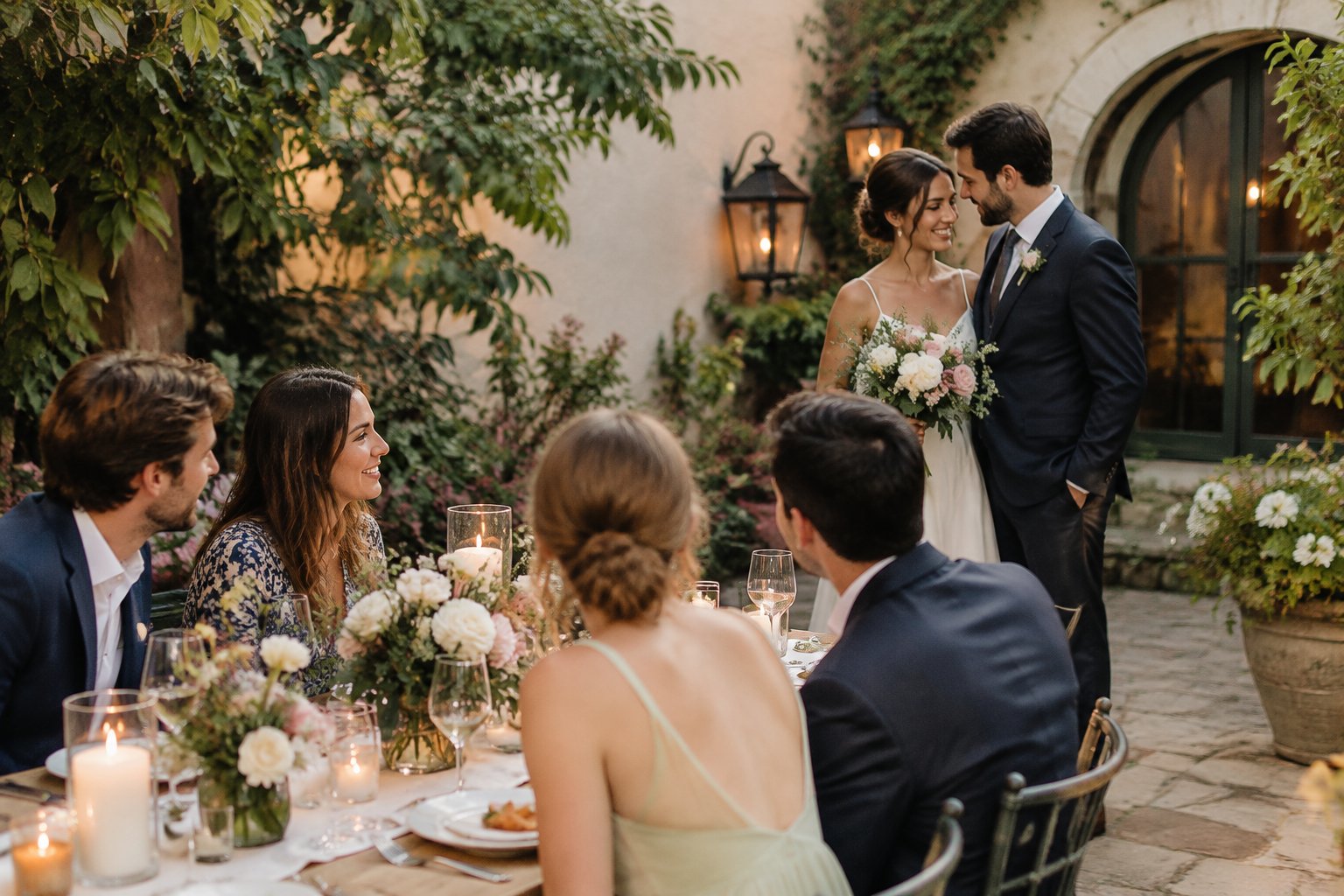
The best venue style gives your guest list room to gather while matching the mood you want for the day. Inns, gardens, private dining rooms, lofts, and historic homes all work well for smaller celebrations, with different levels of service and privacy.
Are Inns, Hotels, and Resorts a Good Fit?
An inn, hotel, or resort can make planning easier when you have guests traveling from out of town. You can host the ceremony and reception in one place, and lodging may be available on-site. Boutique hotels also offer intimate rooms and shared spaces that suit a smaller guest count.
Browse boutique wedding venues if you want a property with character and guest accommodations. Ask whether the venue books more than one event at a time and whether you can reserve a private area. Check for food and beverage minimums, room blocks, and any required packages.
What Outdoor and Nature Settings Can You Choose?
Gardens, vineyards, wineries, farms, and waterfront spaces bring natural scenery into your celebration. A small group can gather around an arbor, share a meal outdoors, or enjoy a view without needing a large event footprint. A barn venue suited to a small wedding adds a rustic setting, with indoor space that can help if the weather changes.
For an outdoor event, ask about shade, restrooms, lighting, and a rain plan. Confirm whether the venue has chairs and tables, or whether you’ll need to rent them.
Could a Loft, Gallery, or Restaurant Feel Right?
A loft or gallery suits a modern celebration, especially when the space itself provides a strong visual style. A restaurant’s private room works well if you want the meal to be a central part of the day. Restaurants may include tables, chairs, and staff as part of a food-and-drink package.
Check how the layout changes between ceremony, drinks, and dinner. A compact venue can feel welcoming when guests have clear paths between each part of the event.
Are Historic Homes and Private Rentals Worth Considering?
A mansion, manor, or historic home gives your event built-in character and a sense of place. A private estate offers room for a ceremony and reception, while a vacation rental may suit a casual weekend gathering. For rentals listed as airbnb wedding venues, get written permission for an event before you book.
A standard overnight reservation may not include permission to host a wedding. Confirm guest limits, noise rules, parking, cleanup duties, and access times. Ask whether the owner requires event insurance or approved vendors.
Where Can You Find Standout Small Venues?
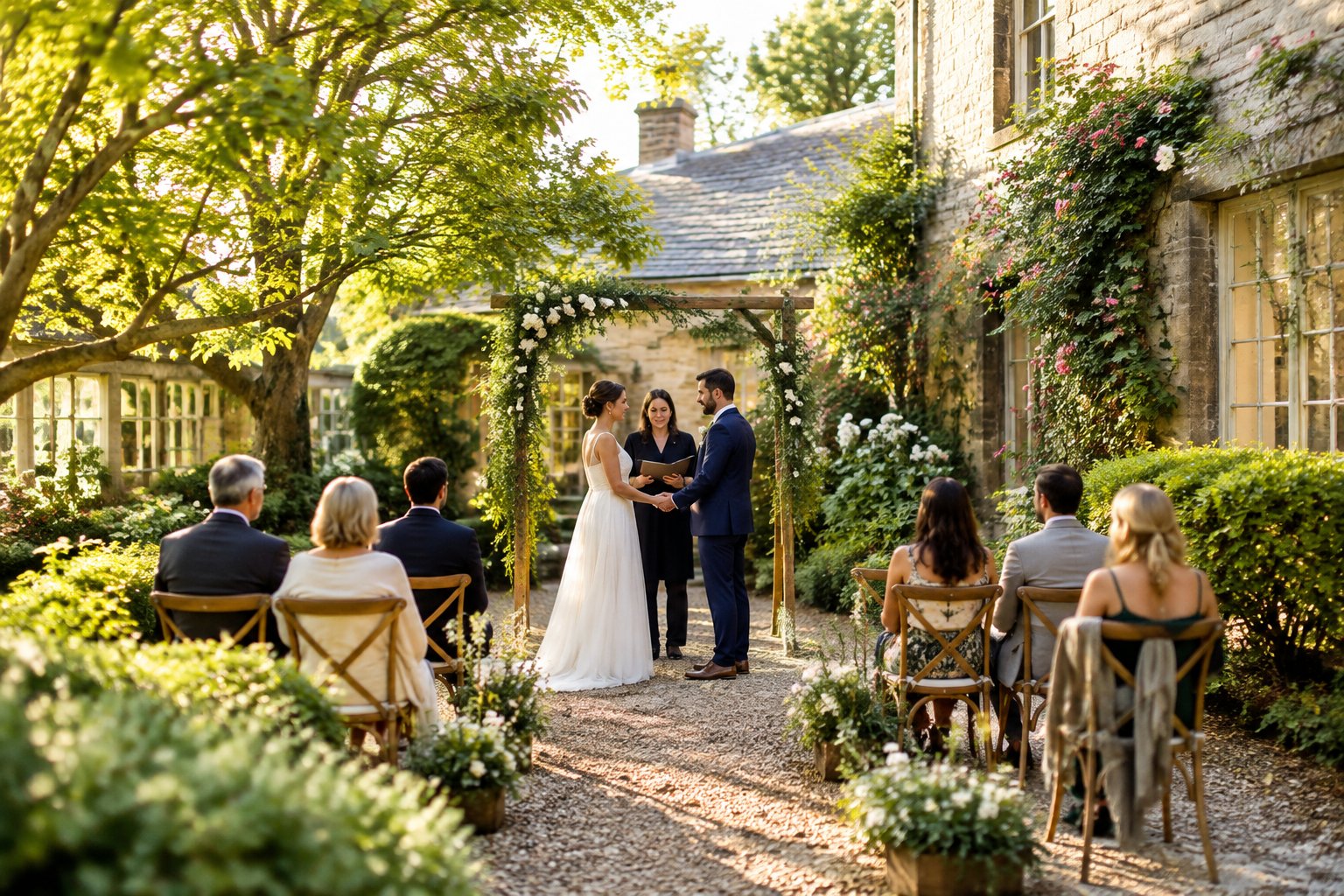
You can find standout small venues across the U.S. in boutique hotels, outdoor retreats, and independent event spaces. Compare locations by capacity, setting, guest travel needs, and available dates, then confirm each venue’s current event details directly.
What Are Some Notable U.S. Micro Wedding Venues?
Names to add to your early search include The Emerald Forest, Treehouse Point, Crook Point, Salted Roots, Under Canvas, Green Haven, 16 Bay View, and Wythe Hotel. They offer starting points for exploring different types of stays and settings, from outdoor retreats to city hotels.
Treat any list of the best micro wedding venues as a way to build ideas, not a final ranking. Venue offerings, event policies, and availability can change, so ask about the specific date and guest count you have in mind. For micro wedding venues in the U.S., look for recent event photos and details about ceremony and reception spaces.
Where Should You Look in Washington and Oregon?
Washington micro wedding venues and Oregon micro wedding venues include options for forest, coastal, and city celebrations. Treehouse Point and The Emerald Forest are names to research in Washington, while Crook Point and Salted Roots are options to explore in Oregon and the Pacific Northwest. Under Canvas has outdoor lodging locations, so check which property suits your travel plans.
Use regional directories and local wedding professionals to find more choices near your preferred area. A local small wedding venue search can help you build a list to compare by guest capacity, setting, and price.
How Can You Search for Wedding Venues Near You?
Start with a location and a realistic guest count when searching for wedding venues near me. Add terms for the style you want, such as “garden,” “private dining room,” or “historic inn.” Then narrow results by date, capacity, and budget.
Look beyond wedding-only listings. Restaurants, museums, community spaces, and small hotels may host events and offer rooms that suit a close-knit group. Ask each venue for a current quote and a floor plan for your headcount.
How Much Does a Small Wedding Venue Cost?
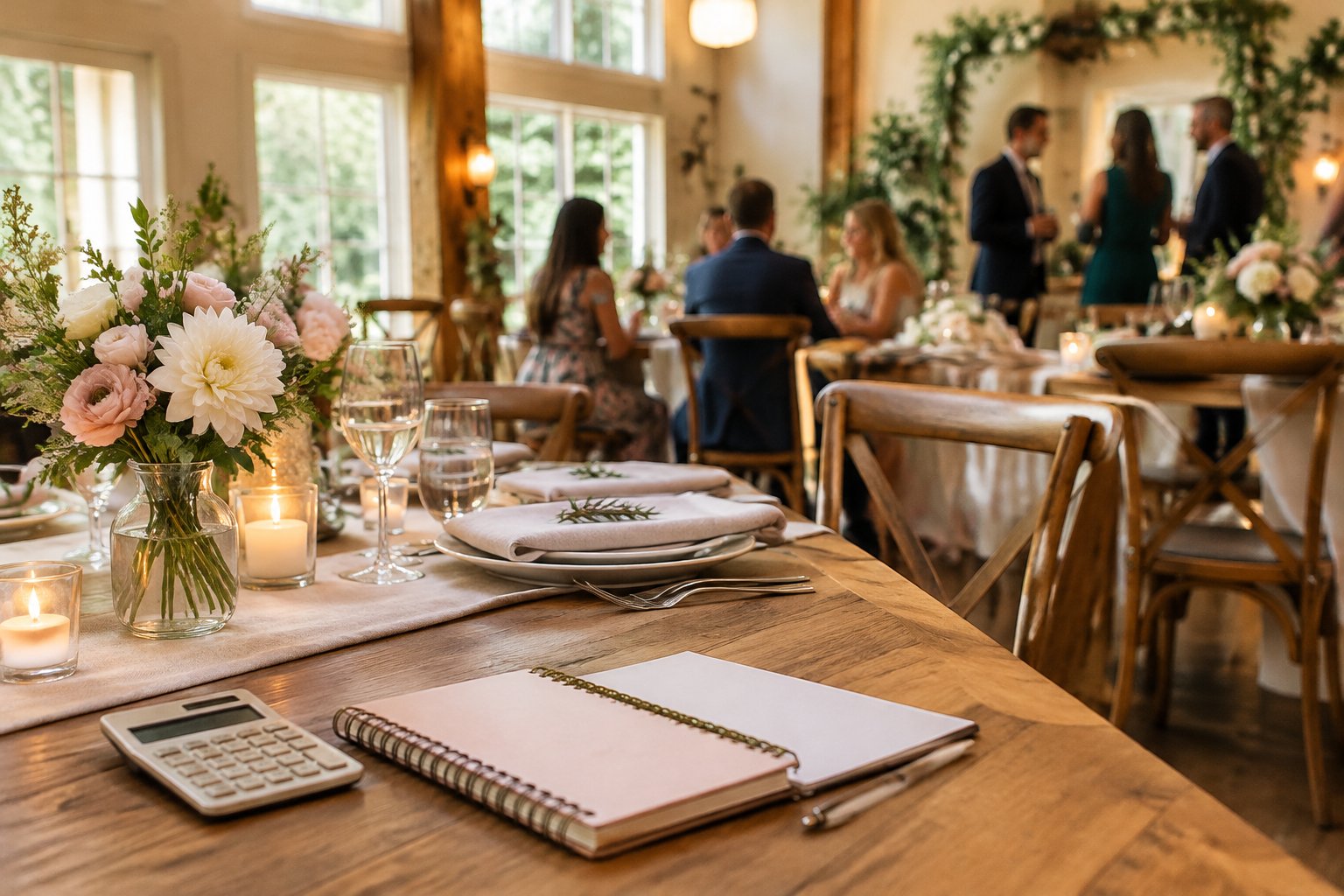
Small wedding venue costs range from modest room rentals to premium full-property bookings, with location, date, and inclusions shaping the price. A U.S. wedding-cost study reported an average venue cost of $6,500 for events with 1 to 50 guests; use that figure as a broad benchmark and compare it with current local quotes.
Which Fees and Inclusions Should You Compare?
Compare the full cost of hosting your event, not only the rental fee. Ask whether the quote includes tables, chairs, linens, setup, cleanup, staff, and use of ceremony and reception spaces. Confirm food and beverage minimums, service charges, taxes, gratuities, and any required security or insurance.
A venue with a higher rental price may include more services. An inexpensive space can require extra rentals, catering, and labor. Request a sample estimate for your guest count so you can compare proposals on the same terms.
How Can You Make the Budget Go Further?
You can lower the venue bill by choosing an off-peak date, a weekday, or a shorter event window. A restaurant private room or community venue may keep rental and equipment needs low. Compare affordable venue ideas for a small wedding and ask about packages designed for smaller groups.
If you prefer predictable costs, review all-inclusive small wedding venues and check exactly what each package covers. Keep your guest count fixed while you compare quotes, since per-person food and drink costs add up quickly.
How Do You Choose and Book the Right Space?
Choose a venue that fits your guest count, supports the flow of your day, and has clear policies and pricing. A site visit helps you judge whether guests can move easily between the ceremony, meal, and any reception activities.
Does the Layout Fit Your Guest Count?
Ask for separate capacity numbers for a ceremony, seated dinner, and standing reception. A room that holds 40 guests for dinner may feel tight when you add a dance floor, band, or buffet. For a smaller group, a large ballroom or event center may feel spacious in a way that changes the atmosphere.
Bring a sample floor plan to your tour. Check sightlines from the seats, space for mobility devices, and how far guests need to walk between rooms. If your ceremony and reception share one space, ask how long a room reset takes.
What Amenities, Lodging, and Policies Matter?
Check parking, accessible entrances and restrooms, heating or air conditioning, and a private place to get ready. If guests are traveling, ask about nearby lodging or room blocks. At a church or other ceremony site, confirm whether you’ll need a separate reception venue.
Review rules for outside catering, alcohol, music, candles, decor, pets, and vendor access. For outdoor plans, ask what happens during rain, high winds, or extreme heat. If you’re still weighing locations, use a wedding location checklist to compare practical details.
What Should You Ask Before Signing?
Request a written quote and contract before paying a deposit. Make sure the paperwork lists the date, event hours, included services, payment schedule, cancellation terms, and overtime fees.
Ask who will be your contact on the wedding day and when vendors can enter for setup. Read every policy that affects your plans, then get important promises in writing.
Before you book, confirm the final guest limit, the backup plan, and the total due after taxes and service charges.