
Typical Wedding Flowers Cost: 2026 Budget Guide
Typical wedding flowers cost about $2,800 on average in the U.S., while a full floral plan can range from around $1,500 to $6,000 or more. Your final price depends on the number and size of arrangements, your flower choices, your location, and the labor needed to deliver and set everything up.
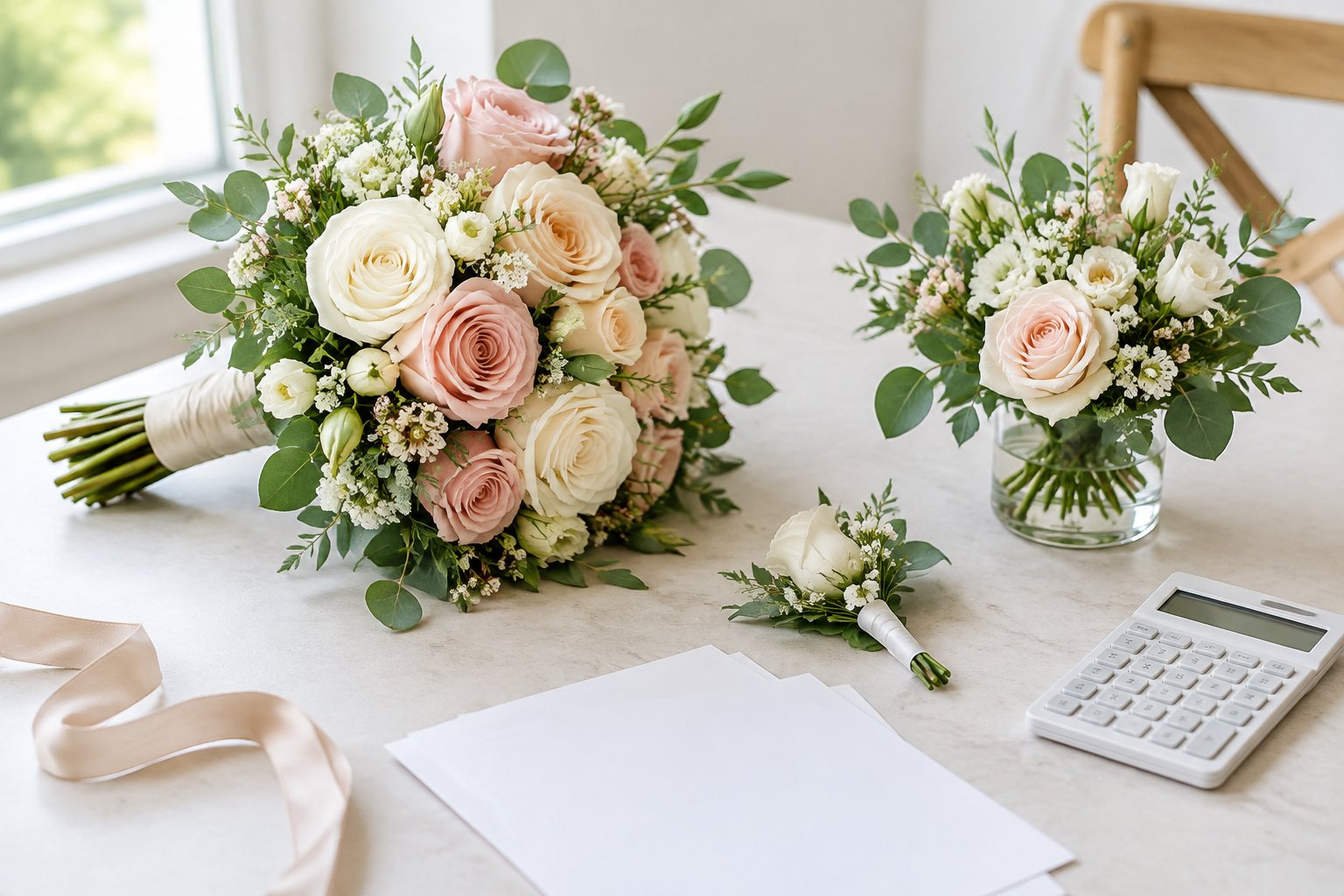
A national average gives you a starting point, not a personalized quote. Your guest count, design priorities, and wedding date shape what your budget will cover. If you’re setting your full spending plan, use this guide to build a realistic wedding budget, then set a floral spending limit and ask local florists for itemized estimates.
What Is a Realistic Wedding Flower Budget?
A realistic wedding flower budget starts around $2,800 for a modest plan and rises with the number of arrangements and the design’s scale. Your location and service needs also affect the total, so treat averages as a planning guide.
What Is the Average Wedding Flower Cost?
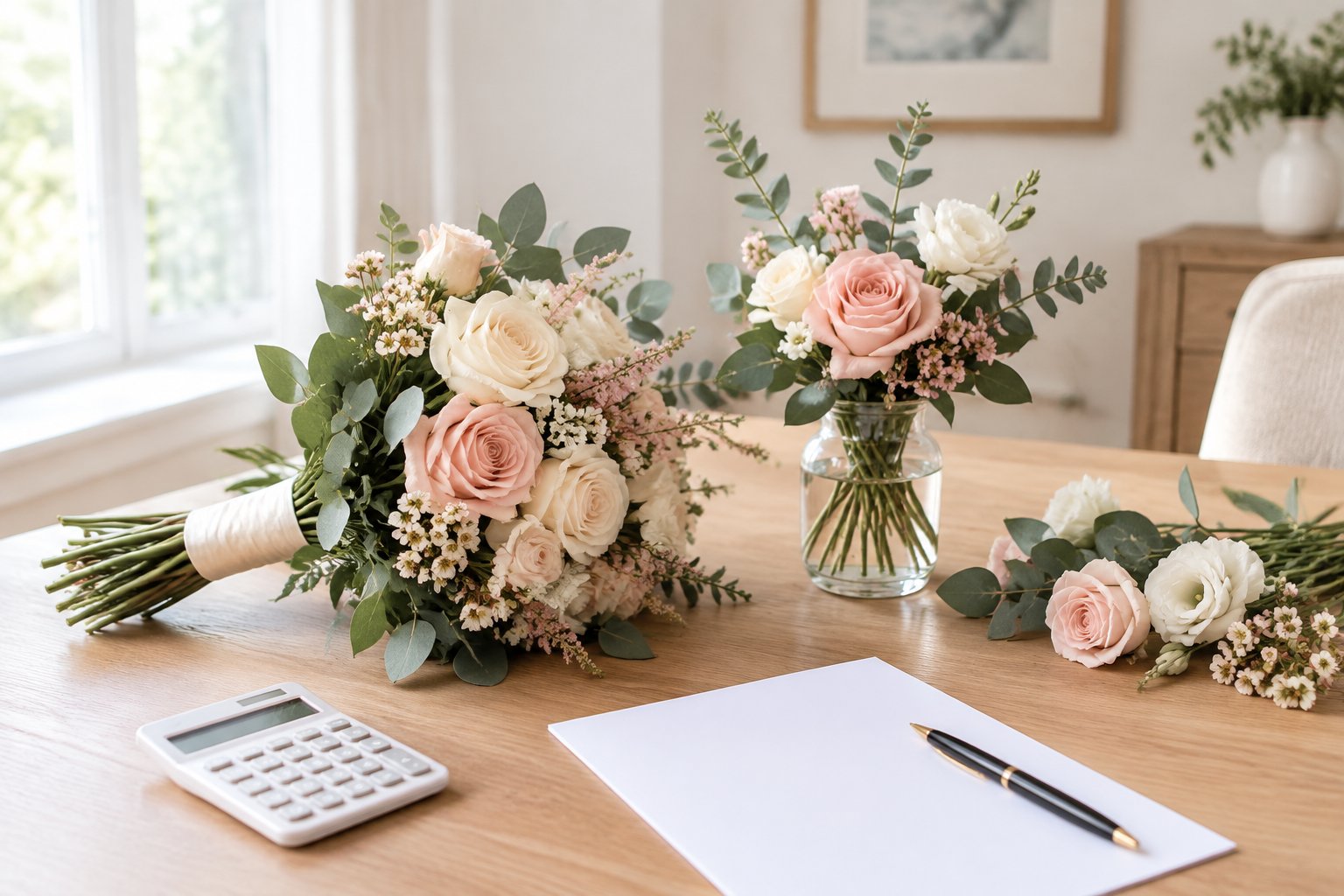
The Knot Real Weddings Study reports an average wedding flower cost of $2,800. That figure includes personal flowers, wedding party flowers, and floral centerpieces.
A simpler plan with a few key arrangements can cost less, while a design with a floral arch, many centerpieces, or large installations can cost several thousand dollars more.
When you compare the average cost of wedding flowers, check what each estimate includes. Some figures cover flowers alone; others include delivery, design labor, setup, rentals, and related decor. A $2,800 average and a higher full-service estimate may describe different packages.
How Much of Your Wedding Budget Should Go to Flowers?
Plan to set aside roughly 8% to 10% of your total wedding budget for flowers, then adjust that share to match your priorities. On a $40,000 wedding budget, that range works out to $3,200 to $4,000. A ceremony installation or flower-filled reception may call for a larger share.
Enter your total spending limit and expected floral costs in a wedding budget calculator. Reserve some room for delivery, setup, and other service charges before assigning every dollar to arrangements.
How Does The Knot Real Weddings Study Compare With Your Quote?
The Knot Real Weddings Study’s $2,800 average offers a useful national reference, while your quote reflects your date, venue, design, and service details. The study also shows how guest count can change spending: its reported averages rise from $1,600 for weddings with up to 50 guests to $3,300 for weddings with 101 or more guests.
Use the data to frame your expectations, then compare proposals that cover the same items. A quote for personal flowers and simple centerpieces will look different from one that includes an arch, delivery, installation, and breakdown.
What Do Individual Wedding Flowers Cost?
Individual prices help you see how a floral plan adds up, from the bridal bouquet to centerpieces and ceremony features. The ranges below are starting points, since flower varieties, arrangement size, and labor affect each quote.
How Much Does a Bridal Bouquet Cost?
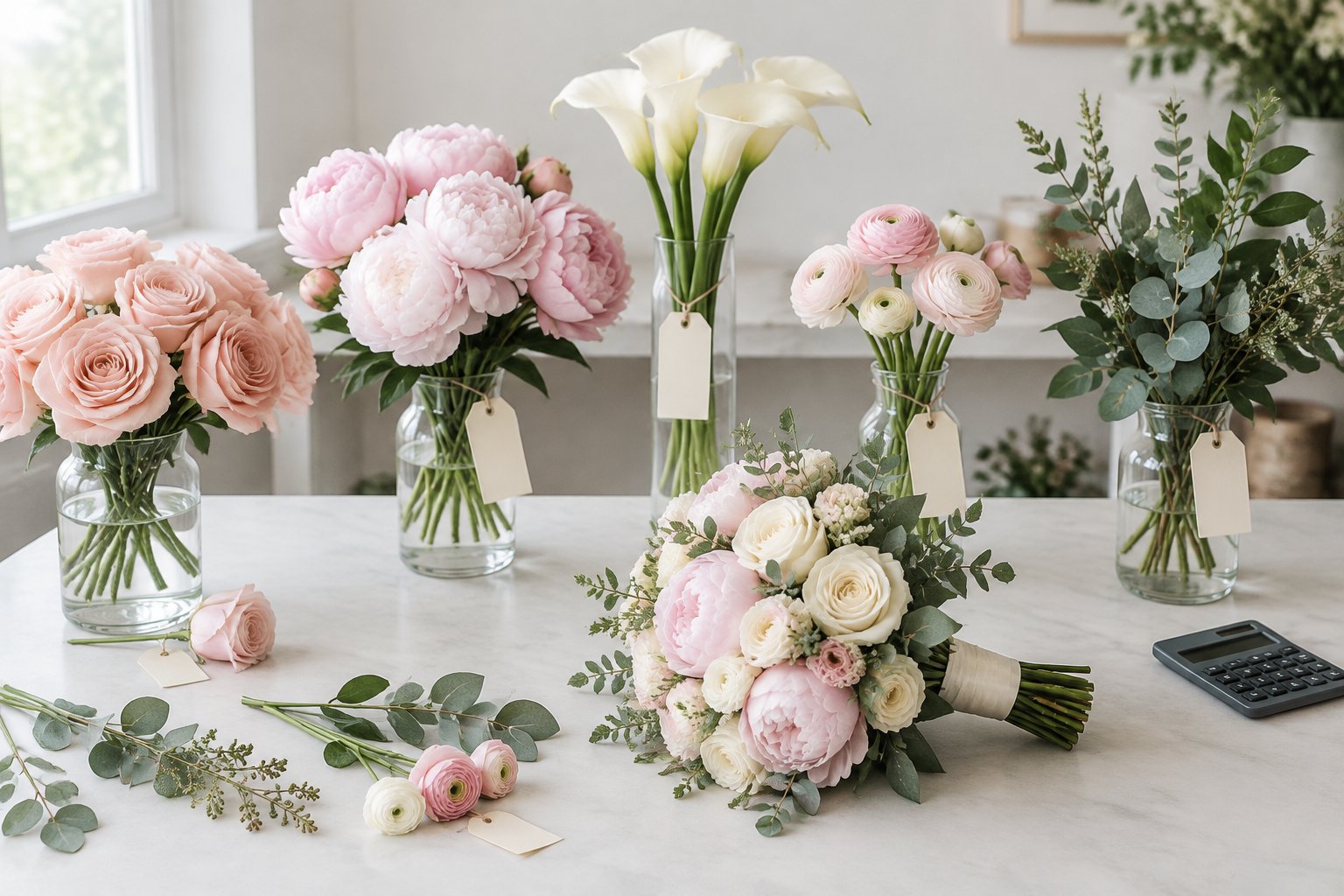
A bridal bouquet often costs about $150 to $350, with larger or more intricate designs reaching $500 or more. Your bridal bouquet cost reflects the flowers you choose, the number of stems, and the time needed to shape and finish the design.
A compact bouquet with roses and seasonal greenery uses fewer materials than a large cascading arrangement with premium blooms. Share the shape and color palette you want, then ask your florist to suggest flowers that suit your budget.
What Do Bridesmaid Bouquets, Boutonnieres, and Corsages Cost?
Bridesmaid bouquets commonly range from $80 to $150 each. Boutonnieres often cost $15 to $40 each, while corsages can run about $30 to $50. Your wedding party flowers add up quickly when you order one piece for each attendant and family member.
Decide who needs flowers before you set the quantity. A smaller bouquet, a single statement stem, or greenery accents can keep the wedding party look cohesive while reducing the order.
How Much Do Ceremony Flowers Cost?
Ceremony flowers can range from a few hundred dollars for modest accents to several thousand for a large floral arch or installation. A simple altar design may start around $500, while a lush structure with extensive flower coverage can exceed $2,000.
Aisle markers, chair flowers, and petals create additional costs as you increase the quantity. For a detailed flowers for wedding cost estimate, list each ceremony piece you want and ask whether delivery and setup are included.
What Do Reception Centerpieces and Floral Installations Cost?
Reception centerpieces often cost about $100 to $250 each for low designs and $250 to $500 or more for tall arrangements. If your reception has 15 tables, even modest centerpieces can become a significant part of the flower bill. Large floral installations add expenses for materials, mechanics, labor, and setup.
Count your guest tables, then note any flowers you want for the head table, bar, cake, or entrance. This gives your florist a clear list to price and helps you see which details fit your budget.
What Factors Affect Your Final Quote?
Your final quote reflects flower availability, order size, design complexity, and the location’s delivery and setup needs. A clear list of priorities helps your florist recommend designs that fit both your style and spending limit.
How Do Guest Count and Location Change Floral Costs?
More guests often mean more reception tables, which increases the number of centerpieces you need. Your venue also affects labor and delivery costs: long travel, difficult access, tight setup windows, or multiple locations can add time and staffing needs.
When you compare florists, share your venue address, guest count, and event schedule. These details help them estimate transportation and setup accurately.
How Do Flower Choices Affect the Price?
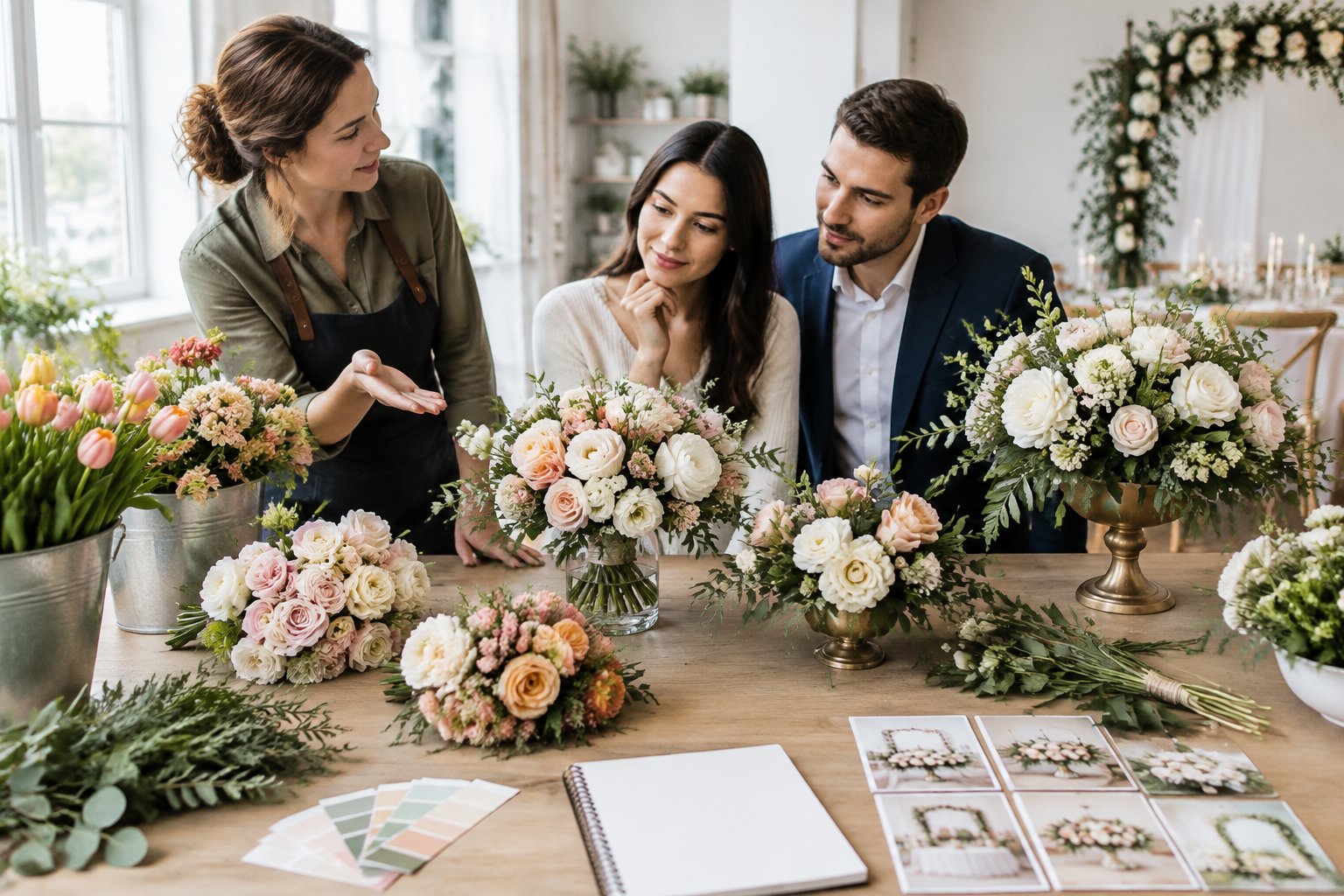
Premium or hard-to-source flowers can raise your quote, while flexible choices give your florist more room to work within your budget. Peonies and ranunculus can cost more when demand is high or the flowers are out of season. Roses, carnations, eucalyptus, and hydrangeas offer a range of looks and prices, while orchids can add a striking focal point at a higher price.
You can also combine a few premium blooms with more affordable flowers and greenery. If you’re choosing colors and varieties, use this advice on how to choose wedding flowers to clarify what you want before requesting a proposal.
Which Wedding Flowers Are in Season?
Seasonal flowers are more available during their natural growing period, which can make sourcing simpler and less costly. Peonies are associated with spring, ranunculus is common in cooler months, and dahlias are popular in late summer and fall. Roses and carnations are available across a wider portion of the year.
Ask your florist which blooms suit your date and region. If a favorite flower is scarce, a similar seasonal variety can create a close look with less sourcing pressure.
How Can You Save Without Losing the Look?
You can lower flower costs by focusing spending on a few visible arrangements and simplifying the rest. A clear priority list gives your florist room to suggest seasonal flowers, reusable designs, and lower-cost details.
Which Arrangements Should You Prioritize?
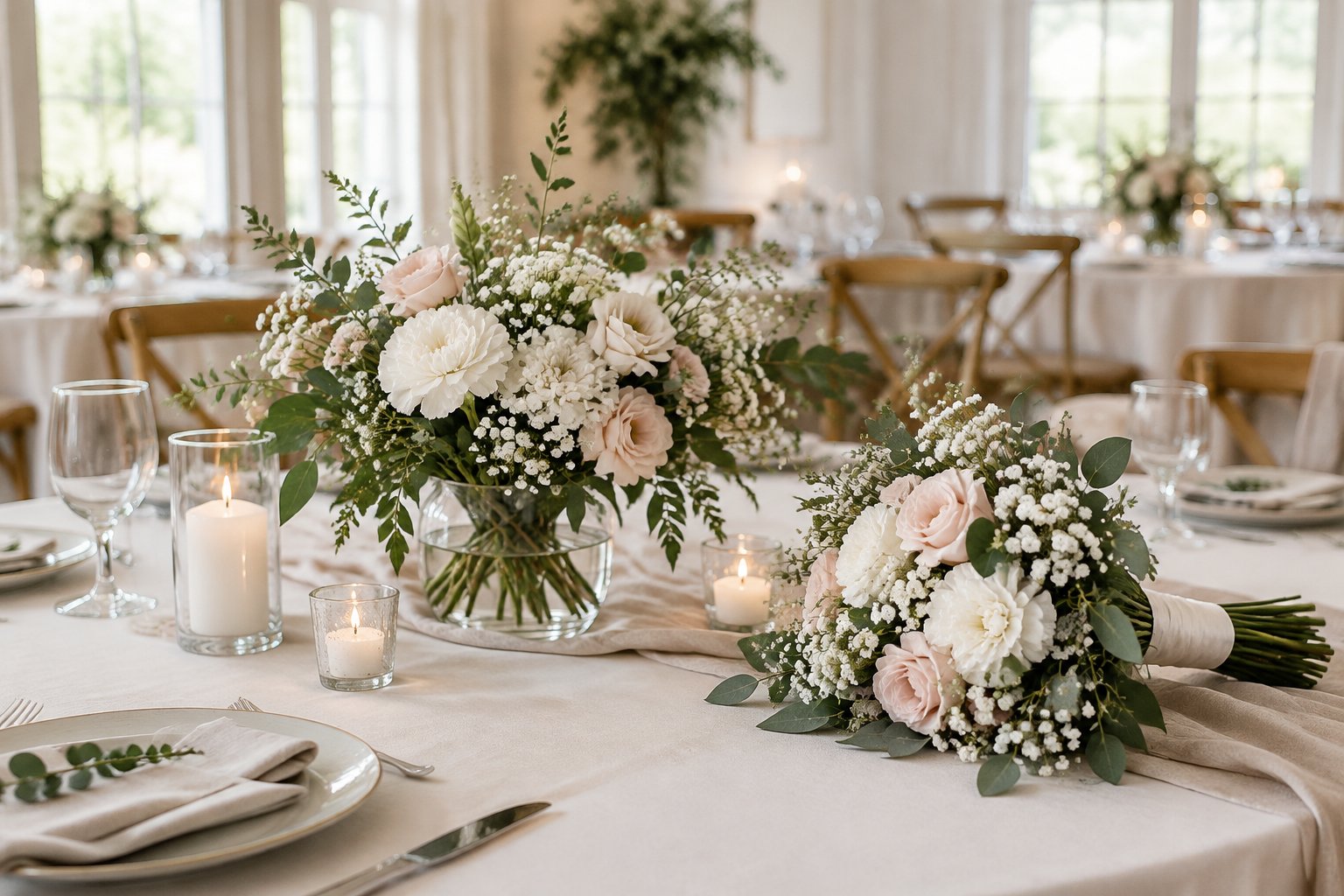
Choose the flowers that will shape the mood of your ceremony and appear in the photos you value most. You might put more of your budget toward your bridal bouquet, ceremony focal point, or reception table where guests spend time. Smaller accents in less visible spots can use greenery, candles, or bud vases.
For practical wedding flower budget tips, decide which arrangements are essential before adding optional pieces. Tell your florist your maximum spend so the proposal can focus on the parts of the design you care about most.
How Can You Repurpose Ceremony Flowers?
You can reuse ceremony arrangements at the reception when the designs and schedule allow it. Aisle flowers can decorate the head table, and altar arrangements can frame a sweetheart table. Confirm the plan with your florist and venue team before the wedding day.
Moving arrangements takes staff time and coordination, so ask whether the transfer fee is less than ordering separate reception flowers. Also confirm who will move each piece and when the room will be ready.
Can Wholesale Flowers or DIY Help You Save?
Wholesale flowers can lower the stem cost if you have time, supplies, and a plan for storing and arranging them. DIY takes on tasks that a florist would otherwise handle, including flower processing, design, transport, and setup. Fresh flowers also need careful handling close to the event date.
Estimate the full workload before choosing DIY. For a large wedding party or a complex installation, hiring a florist for the main designs and handling a few simple pieces yourself can keep the project manageable.
How Should You Work With a Wedding Florist?
A wedding florist can turn your preferences, venue details, and budget into a practical floral plan. Clear information at the start makes it easier to compare proposals and adjust the design.
What Should You Include in a Floral Quote Request?
Give each florist your wedding date, venue, guest count, budget range, color palette, and a list of the arrangements you want. Add reference photos and explain which details are most important to you. Mention any venue rules, delivery limits, or tight setup times that could affect the work.
Use these notes to prepare for a wedding florist meeting and keep your requests consistent when contacting several vendors. Ask each florist to show which services are included in the estimate.
How Can You Compare Proposals and Adjust the Scope?
Compare itemized proposals by arrangement, flower type, service fee, delivery, setup, and breakdown. A single total makes it harder to see where the money goes. If a proposal is over your limit, ask the florist which changes would have the largest effect on cost.
You can remove lower-priority pieces, reduce the number of table arrangements, or choose seasonal substitutions. Before booking, review the payment schedule, change deadlines, and substitution policy, and confirm what the florist will provide on the wedding day.
If you’re still choosing a vendor, review when to choose a wedding florist and how to enquire about a wedding florist as you plan your outreach.