
Unique Wedding Venues Near the City: How to Choose
Choosing unique wedding venues near the city starts with looking beyond standard banquet halls and finding a setting that fits your style, guest list, and budget. A greenhouse, historic building, rooftop, or neighborhood restaurant can give your celebration a distinct feel while keeping guests close to city hotels and transportation.
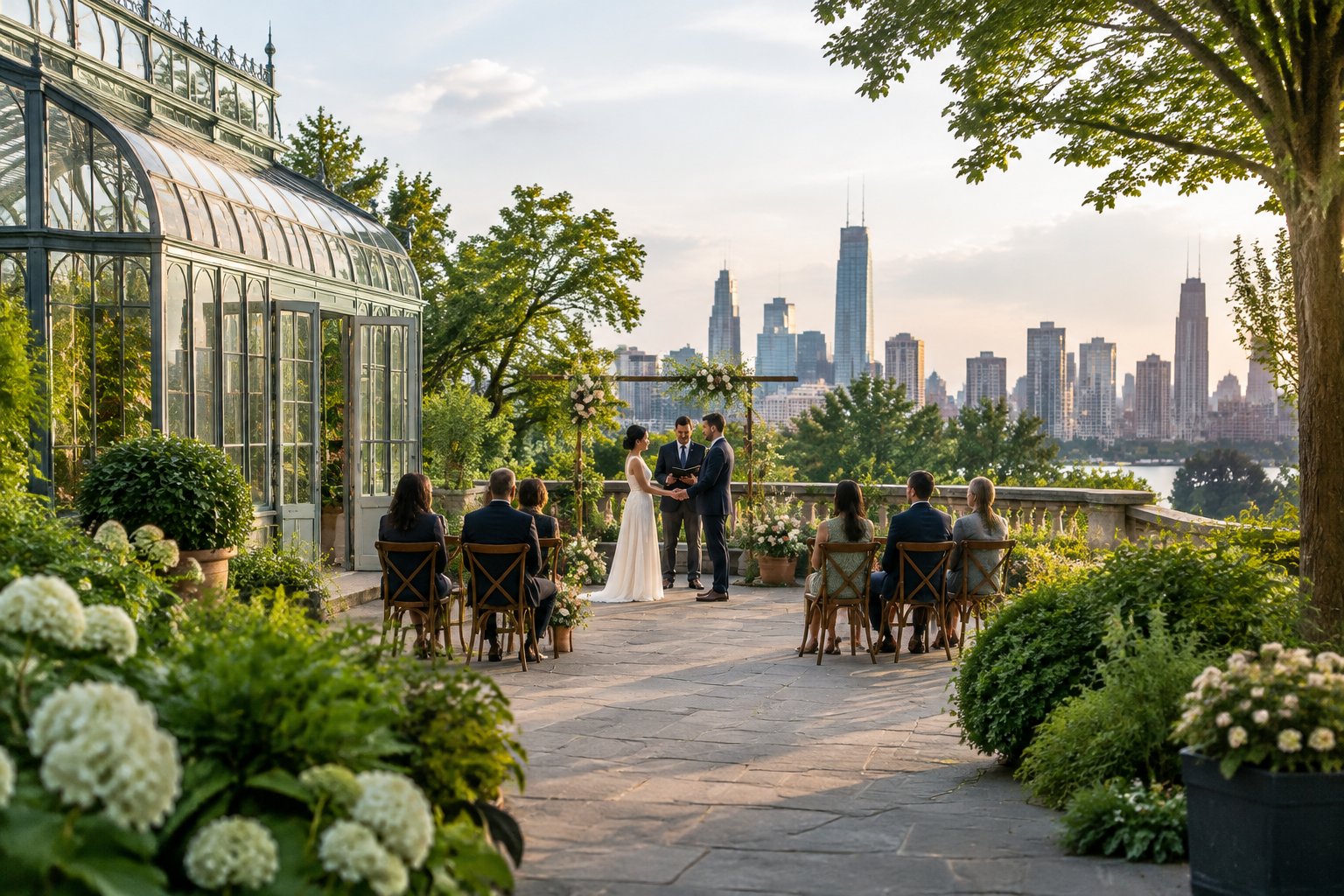
Start your search with the guest experience you want, then save a shortlist of places that match your priorities. When a venue catches your eye, arrange a tour and ask how the space will work for your ceremony and reception.
How Do You Find a Venue That Feels Different?
You find a venue with a distinct feel by searching beyond traditional event spaces and choosing a location that suits your wedding vision. Nearby neighborhoods and towns can offer memorable settings with convenient access to the city.
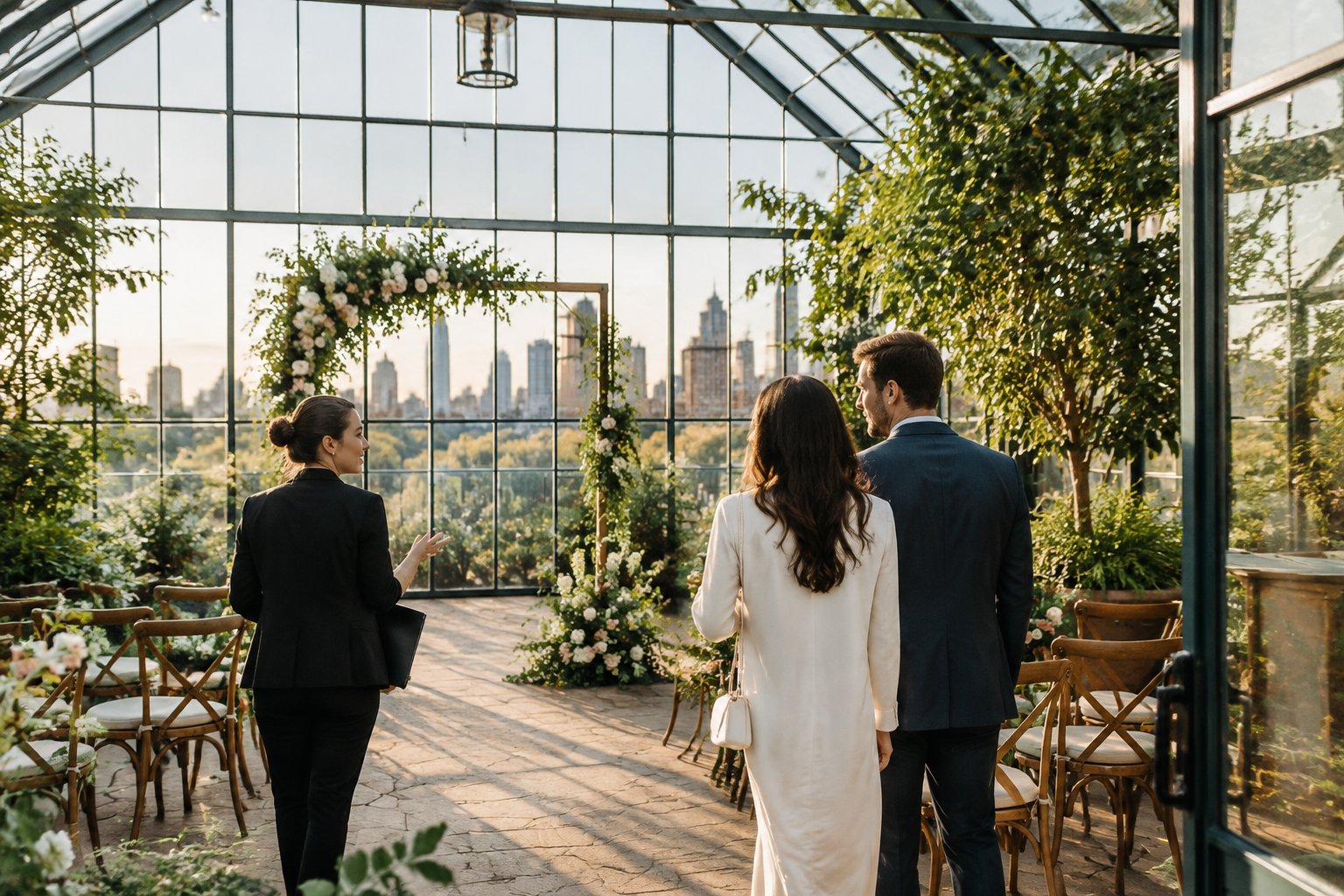
Look Beyond Traditional Event Spaces
Start your venue search with spaces that already have character. Museums, conservatories, libraries, and historic homes give your wedding a sense of place, while restaurants and studios can create a more relaxed, personal atmosphere. Browse wedding venue ideas to explore settings beyond hotels and banquet halls.
Pay attention to what the venue allows you to do. A gallery may have artwork or display rules, while a greenhouse may limit open flames or certain decorations. Ask about these policies early so you can picture how your plans will fit.
Search Nearby Neighborhoods and Towns
Set a travel radius around the city and include suburbs, nearby towns, and neighborhoods with good transit links. A venue just outside the urban core may offer garden grounds or historic architecture while keeping the trip manageable for guests.
Check travel time at the hour your wedding will take place. Review public transit, parking options, rideshare access, and nearby hotels. If your guest list includes people with mobility needs, check the route from arrival to ceremony and reception spaces.
Match the Setting to Your Wedding Vision
Choose a venue that supports the mood you want, whether that means a formal estate, a leafy garden, or a modern loft. A strong setting can shape your decor choices, ceremony layout, and reception flow. If greenery is central to your plans, explore garden style wedding venues for spaces with built-in natural charm.
Write down your top priorities before touring. Decide how many guests you expect, what atmosphere you want, and which practical needs are essential. That list helps you compare spaces on more than first impressions.
Which Venue Styles Offer a Memorable Setting?
Historic properties, outdoor spaces, and creative urban venues each bring a different look and feel to a wedding. The right style gives your celebration a clear sense of place while supporting the way you want guests to gather.
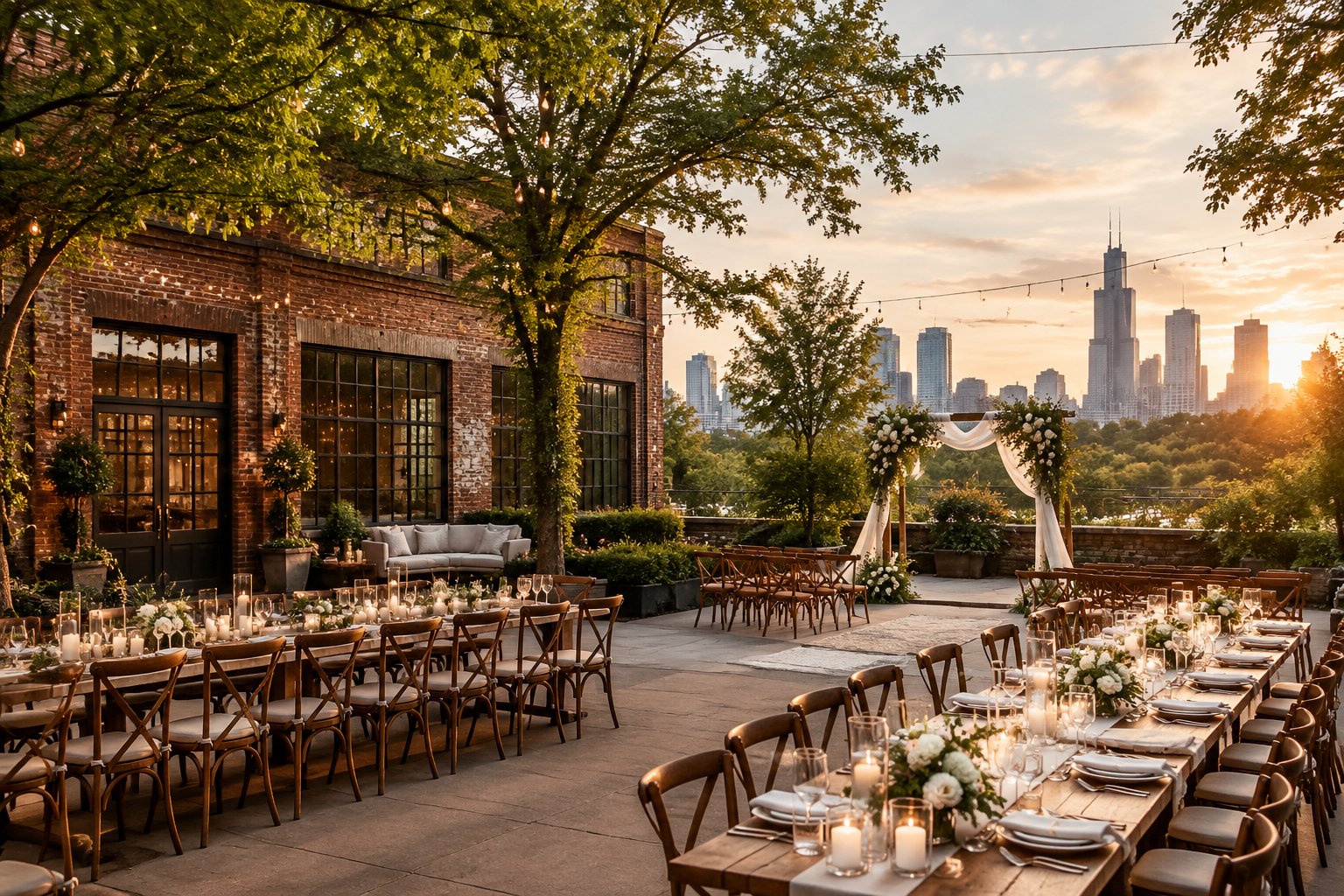
Historic Buildings and Private Estates
Historic buildings offer details such as original woodwork, tall windows, stone walls, and grand staircases. Private estates may add gardens or courtyards, giving you separate areas for the ceremony, cocktails, and dinner. These settings work well when you want architecture to play a visible role in your wedding style.
Ask about preservation rules, room access, and event hours. Some properties limit decor, guest movement, or the use of certain areas. Confirm which spaces are included in your rental before building your timeline.
Gardens, Greenhouses, and Rooftop Spaces
Gardens and greenhouses bring natural light and plant life into your ceremony or reception. Rooftops offer open-air views and an urban backdrop. For more inspiration, browse beautiful outdoor wedding venues and note which features matter to you, such as shade, greenery, or skyline views.
Each setting has practical needs. A garden ceremony calls for clear paths and a weather plan. A greenhouse can heat up in direct sun, while a rooftop needs a plan for wind and guest access. Ask how the venue handles sound, lighting, and temperature.
Restaurants, Galleries, and Industrial Lofts
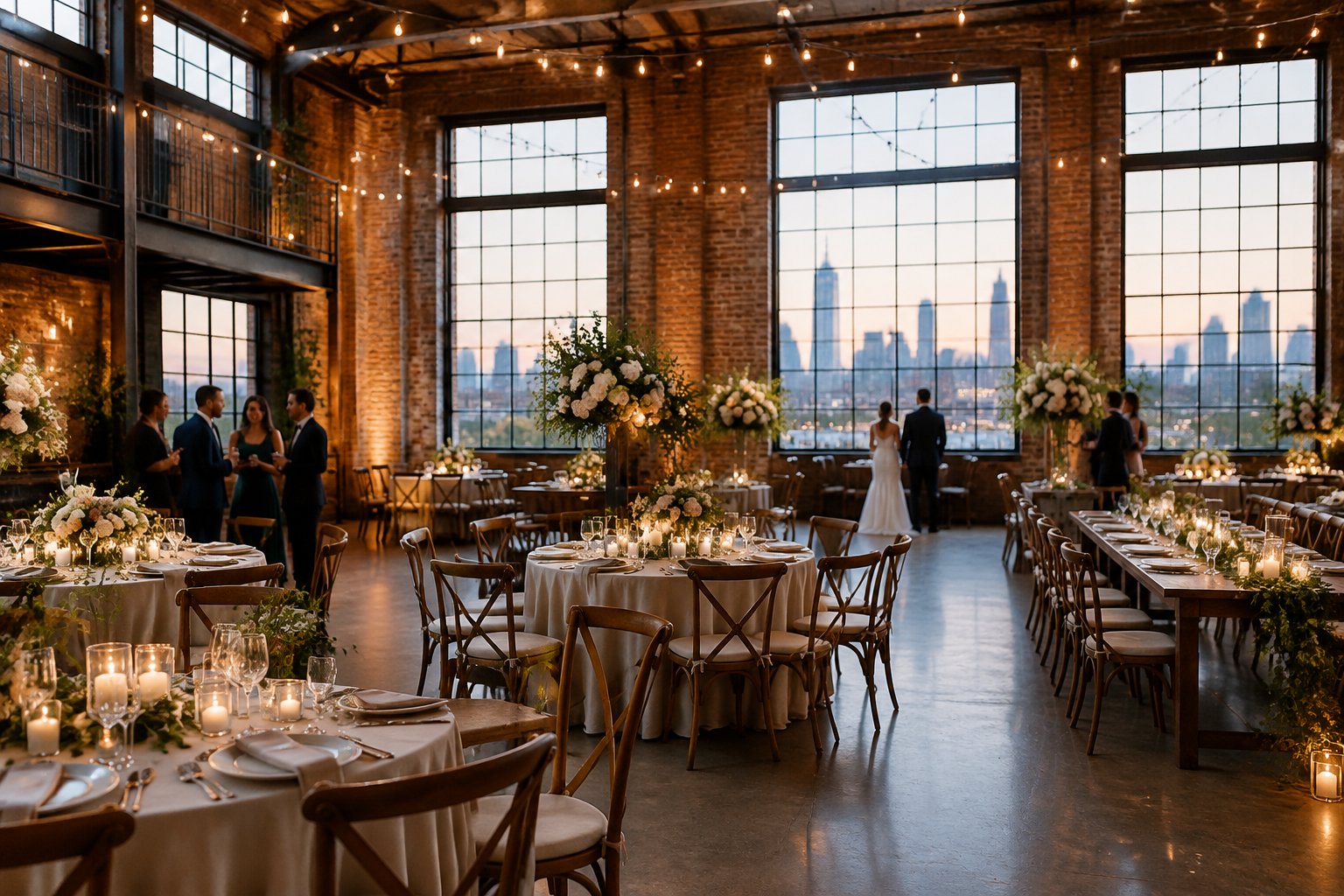
Restaurants can make dining the focus of your celebration, with a built-in kitchen and a ready-made atmosphere. Galleries offer clean lines and artwork, while industrial lofts bring brick, beams, and high ceilings. If you like an urban, open-plan look, boutique wedding venues can give you more intimate settings with individual character.
Ask how the space changes from ceremony to reception. Find out whether staff can move furniture, where the dance floor fits, and how guests will move between the bar, dining area, and restrooms.
What Should You Check Before Booking?
Before you book, confirm that the venue can comfortably host your guest count, that guests can reach it with ease, and that you have a workable weather plan. These details shape the flow of the day from arrival through the reception.

Guest Capacity and Layout
Ask for the comfortable capacity for both your ceremony and reception setup. A venue’s maximum guest count may change when you add dining tables, a dance floor, a bar, or a stage. Ask to see a sample floor plan for a guest count close to yours.
Walk through the spaces in the order guests will use them. Check how people will move between the ceremony, cocktail hour, and reception, and make sure there is room for accessible seating and clear paths.
Travel Time, Parking, and Accessibility
Map the trip from central hotels, transit stops, and the airport if guests are traveling from out of town. Ask how many parking spaces are available, whether parking costs extra, and where rideshare vehicles can pick up and drop off guests.
Check step-free routes, elevator access, restroom access, and the distance between event spaces. If the ceremony and reception take place in separate areas, ask how guests with mobility needs can travel between them.
Weather Plans and Indoor Alternatives
For an outdoor ceremony, ask where the event will move if rain, heat, or strong winds affect the plan. Confirm that the backup space can hold your full guest count and that you can decide when to switch locations.
Ask whether the venue provides tents, fans, heaters, or a covered walkway, and whether these items come with extra fees. An indoor option should feel ready for your event, with enough seating and space for the same ceremony setup.
How Much Can a Distinctive Venue Cost?
A distinctive venue can range from a few thousand dollars for a basic rental to $20,000 or more for a high-demand property or a package with added services. Location, date, guest count, and what the venue includes all shape your final price.
Venue Fees and Minimum Spend
Ask whether you will pay a rental fee, a food-and-beverage minimum, or both. Restaurants may use a minimum spend, while a private estate or loft may charge for the space and leave catering to you. Compare each quote using the same guest count and event hours.
For a broader sense of common pricing factors, review how expensive most wedding venues are. Treat online starting prices as a first estimate, then request an itemized quote for your date.
Catering, Rentals, and Service Charges
A venue fee may cover only the space. Ask whether tables, chairs, linens, lighting, staff, setup, and cleanup are included. For catering, confirm the meal price, bar options, service charges, taxes, and any required gratuity.
A blank-slate venue may give you more control over vendors and design, while adding rental and staffing costs. Compare the full estimated total with an all-inclusive package before deciding. You can also review all-inclusive wedding venues near the city to see what bundled services may cover.
Ways to Keep the Budget on Track
Set a maximum venue budget that includes expected add-ons. Ask for a written estimate with the fees listed separately, and check whether the quote includes taxes, overtime, security, and a damage deposit.
A Friday, Sunday, or off-season date may open up more options at a lower price. You can also keep costs in check by choosing a venue with tables and chairs included, trimming the guest list, or selecting a space whose natural features need little extra decor.
What Should You Ask During a Venue Tour?
Use your venue tour to confirm dates, contract terms, vendor rules, and the time you will have for setup and cleanup. Clear answers help you compare offers and plan the event-day schedule with fewer surprises.
Available Dates and Booking Terms
Ask which dates are open and how long the venue will hold a date while you review the contract. Confirm the deposit amount, payment schedule, cancellation terms, and policies for rescheduling.
Check the event hours listed in the agreement, including when vendors can arrive and when guests must leave. Ask about overtime charges and any rules for amplified music or outdoor noise.
Vendor Rules and Included Services
Find out whether you can choose your own caterer, florist, DJ, and rental company. Ask whether the venue has a preferred vendor list or exclusive partners, and whether outside vendors need insurance or approval.
Request a written list of included services and equipment. Confirm who will oversee the event on the day, what staff will be present, and which items you will need to arrange separately.
Setup, Cleanup, and Event-Day Access
Ask when you and your vendors can enter the venue, and how much time you have for setup. Confirm whether the rental window includes rehearsal access, getting-ready rooms, furniture setup, and decor installation.
Before signing, clarify who handles breakdown and cleanup, when all personal items must be removed, and what happens if your event runs past the agreed end time. Keep these details in the contract so you can build a clear schedule with your vendors.