
What Comes First, Vows or I Do? Understanding Wedding Ceremony Traditions
When planning your wedding ceremony, you might wonder about the order of important moments. Many couples ask, “What comes first, vows or I do?” The vows are typically exchanged before the declaration of intent, which is often when you say “I do.” This order highlights the promises you make to each other before making the legal commitment.
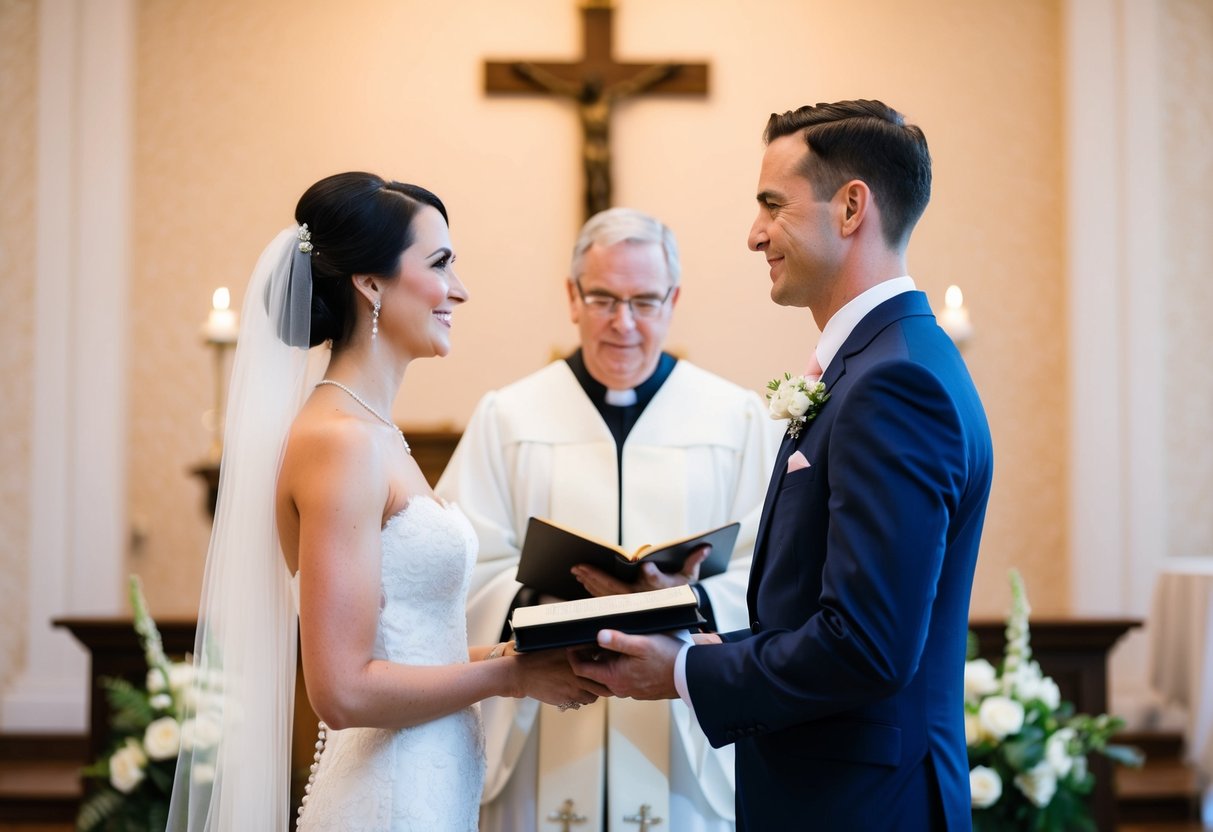
Understanding the flow of a wedding ceremony can help ease any nerves on your big day. Knowing that your heartfelt vows come first allows you to express your love in front of family and friends, setting the stage for the more official “I do” moment. This sequence is a cherished tradition in many ceremony scripts and adds depth to the celebration.
As you prepare for your wedding, remember that both elements are essential. The vows and the “I do” signify different aspects of your commitment, and together they create a memorable ceremony that reflects your love story.
The Structure of a Traditional Wedding Ceremony
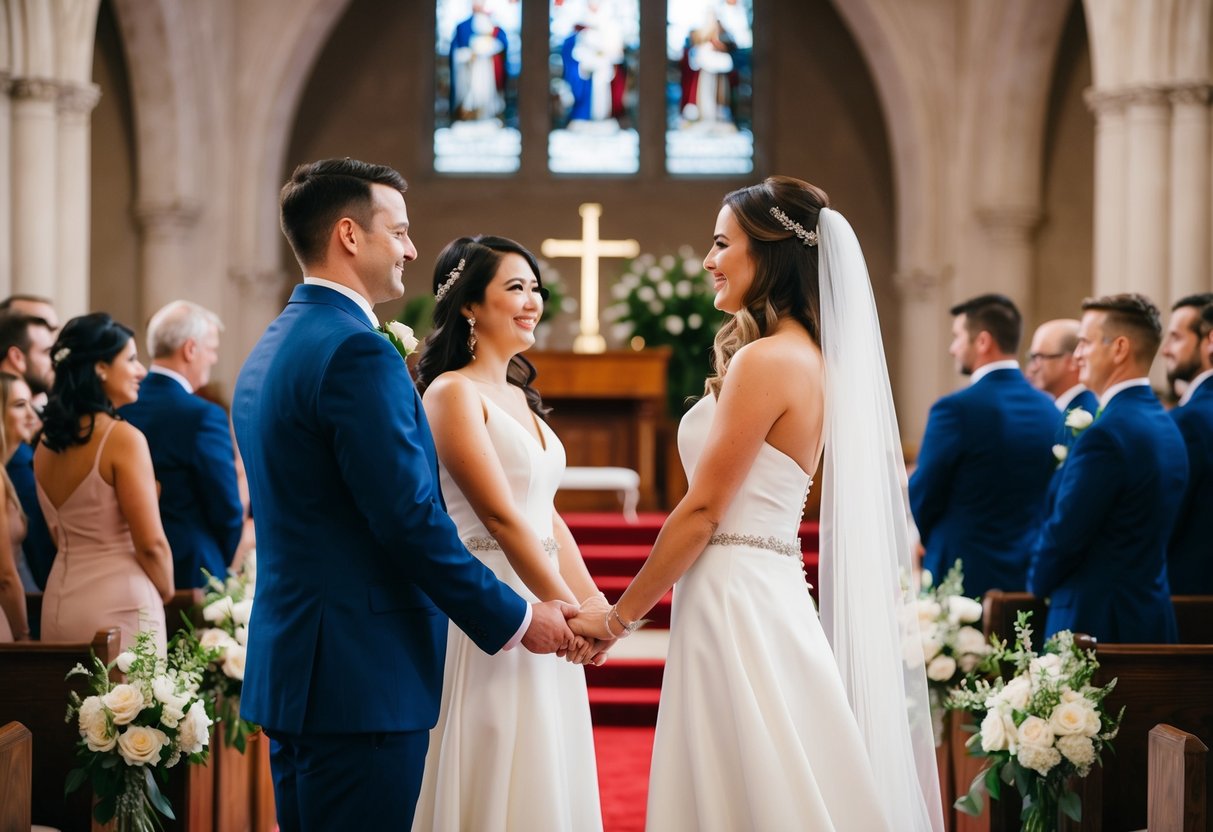
A traditional wedding ceremony has a specific order that helps create a meaningful experience. Each part serves a purpose, guiding you from the start to the final vows you exchange with your partner.
Opening Remarks and Processional
The ceremony often begins with the officiant giving opening remarks. These words set the tone and significance of the day. The officiant may share some thoughts about love, unity, or the journey ahead.
Next comes the processional. This is when you, your partner, and the wedding party enter the ceremony space. You might choose a special song for this moment.
Traditionally, family members walk down the aisle first, followed by the bridal party. Finally, you make your entrance, often accompanied by a parent or loved one, signaling the start of this important occasion.
Readings and Unity Ceremony
Following the processional, there may be readings. These can be poems, passages from literature, or religious texts that resonate with you and your partner. Friends or family often read these aloud, adding a personal touch.
Next is the unity ceremony. This part symbolizes the joining of two lives. You might choose to light a unity candle, pour sand into a single container, or use another creative method. This act represents your commitment and love, making the moment even more special.
Declaration of Intent and Vow Exchange
The declaration of intent is an essential part of the ceremony. At this point, the officiant asks if you both willingly choose to enter into marriage.
Answering with “I do” confirms your commitment.
Afterward, you will exchange vows. These can be traditional wedding vows or personal statements you’ve written.
The vow exchange is often the highlight, filled with emotion as you declare your intentions to love and support each other. It’s a powerful moment that marks the start of your new life together.
Navigating the Pledge of Commitment

When planning your wedding, understanding the sequence of “I do” and the vows can help clarify the significance of your commitment. It’s essential to recognize the meanings behind these phrases and how they fit into your ceremony.
Understanding ‘I Do’ and ‘I Will’
In many wedding ceremonies, “I do” is the phrase that indicates your agreement to the promises being made. This moment is often seen as the official declaration of your commitment to one another.
Some couples, influenced by traditional views, may instead choose “I will,” which emphasizes a promise of ongoing action. This difference highlights not just feelings but intentions for the future.
So, when you consider what to say, think about how each option reflects your relationship and vows.
The Significance of Traditional Order of Vows
The traditional order of saying “I do” often comes after the officiant invites you to express your intentions. Following this, you typically recite your vows, which are heartfelt promises of love and commitment.
This order brings a sense of continuity and clarity to your marriage ceremony. By affirming your commitment with “I do” first, you create a foundation for the promises you make in your vows.
Remember, your vows are an opportunity to express your individual hopes and commitments, making the moment even more meaningful. Keeping this sequence can strengthen the connection between your spoken commitments and the vows that follow.
The Role of Rings in a Wedding Ceremony
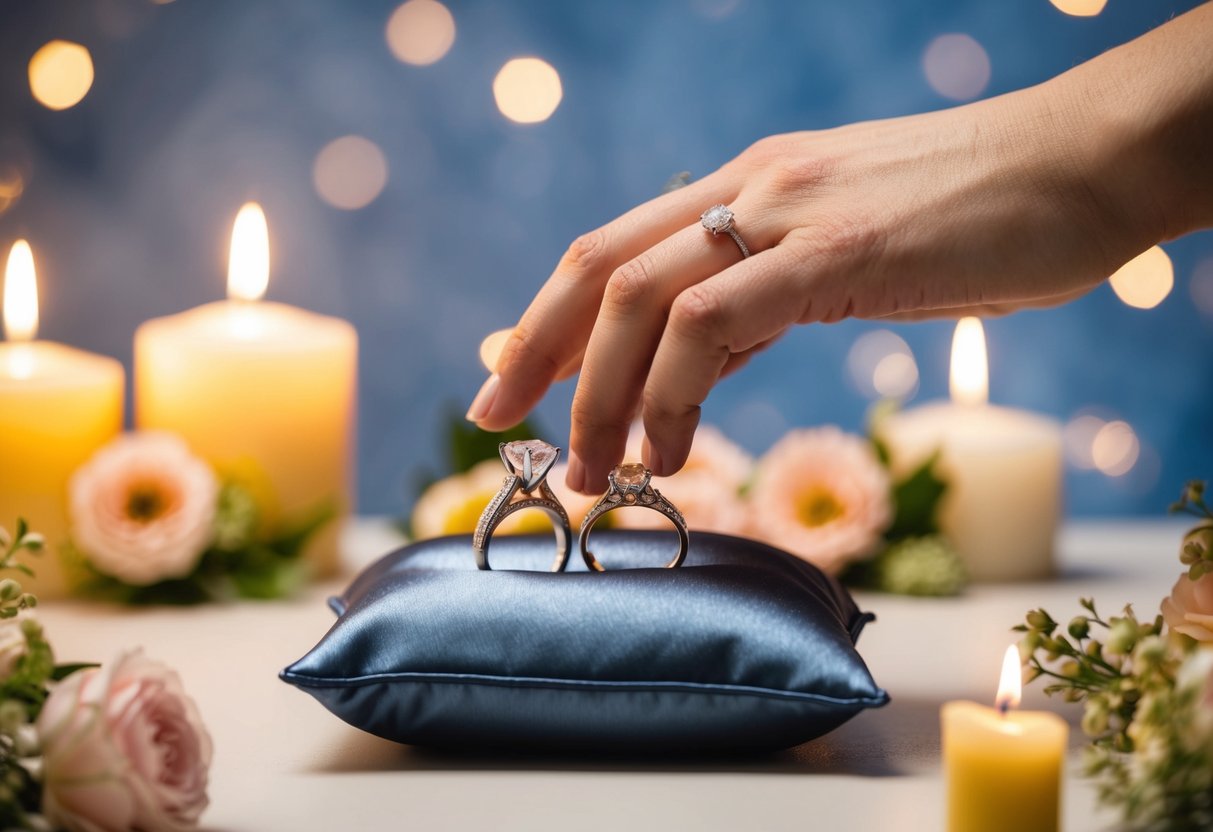
Rings are essential symbols in a wedding ceremony. They represent love, commitment, and the bond between partners. The exchange of rings typically happens after the vows, marking a significant moment in your wedding.
Wedding Ring Exchange Fundamentals
The wedding ring exchange is a key part of the ceremony. During this moment, you and your partner make promises of love while placing rings on each other’s fingers.
This act symbolizes your commitment and the unbreakable bond you are creating.
Typically, you both take turns. The groom often goes first, but this can vary based on your preferences.
Rings are often made of precious metals like gold or platinum, symbolizing enduring love.
It’s common to say a few words about your love before placing the ring. This adds a personal touch to the ceremony, making it even more special.
Unique Variations of the Ring Exchange
There are many unique ways to customize the ring exchange. Some couples choose to write their own vows to accompany the exchange. This can make the moment feel even more intimate.
Some ceremonies might include family members in the ring exchange. For example, a couple might pass rings down from previous generations, honoring family traditions.
Others might opt for alternative rings, such as silicone bands for a unique twist.
No matter how you choose to do it, make this moment reflect your style and love. The ring exchange is not just a tradition; it’s a celebration of your commitment to each other.
Concluding the Ceremony with Fervor and Formality
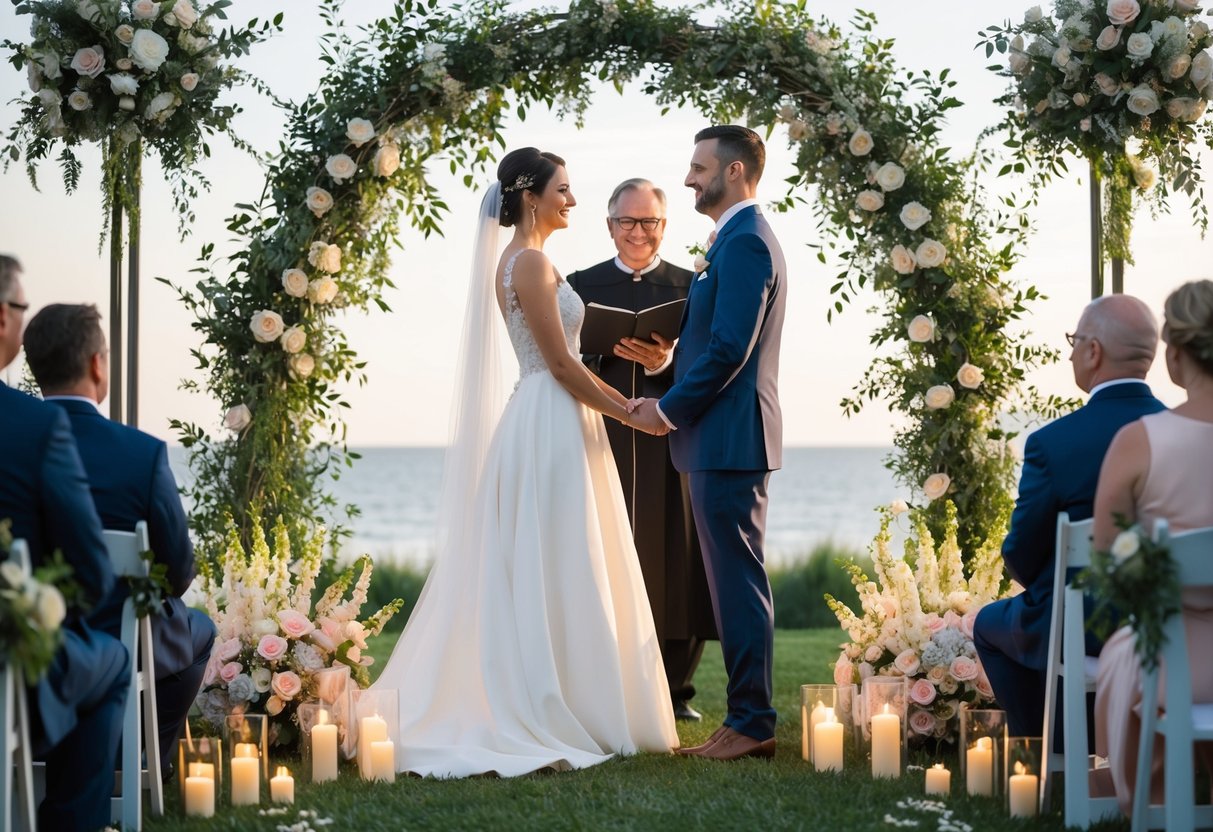
Ending your wedding ceremony with excitement and elegance is important. You want the moments to feel special and memorable, from the officiant’s pronouncement to your first kiss as a married couple.
Pronouncement of Marriage and Closing Remarks
When the officiant pronounces you married, it signals a significant moment in your lives. This is where your love and devotion to each other are celebrated. You exchange vows, making a meaningful act of love that binds you together.
After the pronouncement, the officiant will typically share closing remarks. These may include well wishes for your future or a brief reflection on the commitment you just made.
This moment helps gather everyone’s thoughts before the celebration begins.
The Joyful Recessional and the First Kiss
Once you are officially married, the recessional marks your departure from the ceremony. This joyful moment allows you to walk back down the aisle together, hand in hand.
The cheers and applause from your guests create a vibrant atmosphere.
Your first kiss as a married couple usually comes right after the pronouncement. This kiss symbolizes your love and commitment in front of friends and family. It captures the essence of your relationship and becomes a cherished memory.
Embrace this moment, allowing it to reflect the happiness you both feel.