
Who Is the Person That Says You May Kiss the Bride? Understanding the Wedding Tradition
Your wedding ceremony is a magical event filled with cherished moments. One of the highlights is when someone says the iconic phrase, “You may kiss the bride.” The officiant typically announces this moment. They guide the couple through their vows and officially pronounce them married.

The officiant can take on different forms, depending on the type of wedding. They might be a religious figure, such as a priest or minister, or a civil celebrant legally authorized to perform the ceremony. Understanding the role of the officiant can deepen your appreciation for this beautiful wedding tradition.
As you prepare for your special day, it’s fascinating to learn about the significance behind this moment. It’s not just a cue for a kiss; it symbolizes the beginning of a couple’s journey together. You can look forward to this sweet moment as a celebration of love and unity.
Role of the Officiant
The officiant plays a crucial role in a wedding ceremony. They not only guide the couple through their vows but also have the authority to pronounce them married. Understanding their responsibilities can help you appreciate the significance of this role.
Authority and Responsibilities
The officiant is the person who has the legal authority to conduct the marriage ceremony. This can be a religious figure, like a priest or minister, or a civil celebrant appointed by the government.
Their key responsibilities include:
- Leading the Ceremony: They guide the couple and the guests through the different parts of the ceremony.
- Delivering Vows: The officiant ensures that the couple recites their vows correctly and meaningfully.
- Pronouncing the Couple Married: This moment often includes the iconic phrase, “You may kiss the bride,” marking the couple’s new union.
Being well-prepared is essential for the officiant to make the ceremony smooth and special.
Cultural and Religious Variations
Different cultures and religions have unique customs regarding who officiates weddings. In many religious ceremonies, specific rituals must be followed.
For instance:
- Christian Weddings: Typically involve a priest or pastor, who leads the couple through faith-based vows.
- Jewish Weddings: Often include a rabbi, who performs rituals like the signing of the ketubah.
- Civil Ceremonies: These may be conducted by a judge or a licensed civil celebrant, focusing more on legal requirements than religious beliefs.
These variations can impact not just the ceremony style, but also the wording of vows and the overall experience for the couple and their guests.
Significance of the Wedding Kiss
The wedding kiss is more than just a moment of affection. It symbolizes love and commitment, marking the start of a new journey together. This beautiful gesture holds deep meaning, rooted in history and tradition.
Symbolism of the Kiss
The kiss during a wedding ceremony represents the couple’s love and commitment. It is often referred to as the “first kiss” as a married couple, signifying the promises they just made to each other. This moment invites friends and family to celebrate the bond that the couple now shares.
Many couples see this kiss as a powerful expression of their devotion. It symbolizes unity, as both partners come together in their new life. The act of kissing is often accompanied by cheers and applause, amplifying the joy of the occasion.
Kiss of Peace and Ancient Traditions
The “kiss of peace” has roots in ancient traditions, especially during the time of ancient Rome. This practice involved a groom receiving a kiss from a priest before sharing it with his bride. It was a gesture of blessing and unity, showing that the couple was now one.
In some cultures, this kiss signifies a deeper commitment between partners. It reflects not only romance but also the joining of families, bringing together their histories. The origin of the wedding kiss emphasizes its importance throughout time, showcasing a love that has endured across generations.
Celebrating the Marriage
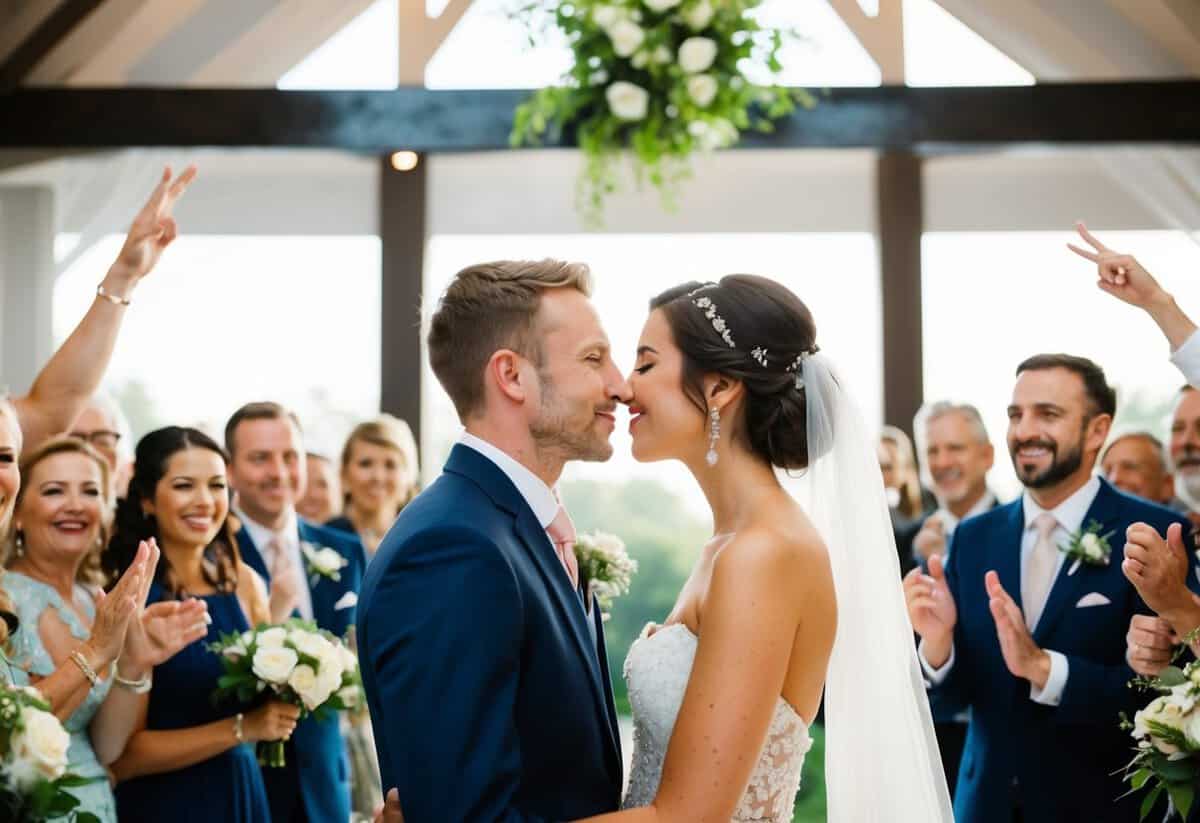
After the officiant says, “You may kiss the bride,” the couple is officially pronounced husband and wife. This moment marks the start of their life together as a married couple. From their first kiss to the celebrations that follow, this is a time filled with joy and love.
Pronouncement as Husband and Wife
When the officiant declares you married, it’s a powerful moment. As you stand before your loved ones, you feel the weight of the vows you just exchanged. Hearing the words “husband” and “wife” is a significant step in the journey of your relationship. This moment brings a blend of excitement and tenderness.
Sharing your first kiss as a married couple symbolizes the bond you have just created. It’s a memory that you and your partner will cherish forever. You may feel butterflies as your family and friends cheer. This moment represents not just your commitment, but also the support from those you love.
First Moments as a Married Couple
As newlyweds, your first moments together after the ceremony are special. Take time to enjoy each other’s company, away from the crowd. You may want to share a quiet moment reflecting on what just happened.
Consider capturing this time in photographs. With your wedding party nearby, take pictures that highlight your joy. This will give you memories to look back on in the years to come. Embrace the excitement of being husband and wife and enjoy this unique experience together.
Post-Ceremony Festivities
Following these heartfelt moments, the celebration continues at the reception. Here you can share your love story with friends and family. Expect to enjoy food, music, and laughter.
Dance with your partner and celebrate your union. The reception also honors the journey you both have taken to become a married couple. It’s a chance to acknowledge the support of your wedding party and loved ones.
As you enjoy the festivities, take a moment to appreciate how far you’ve come and the adventures ahead.
Personalizing the Ceremony
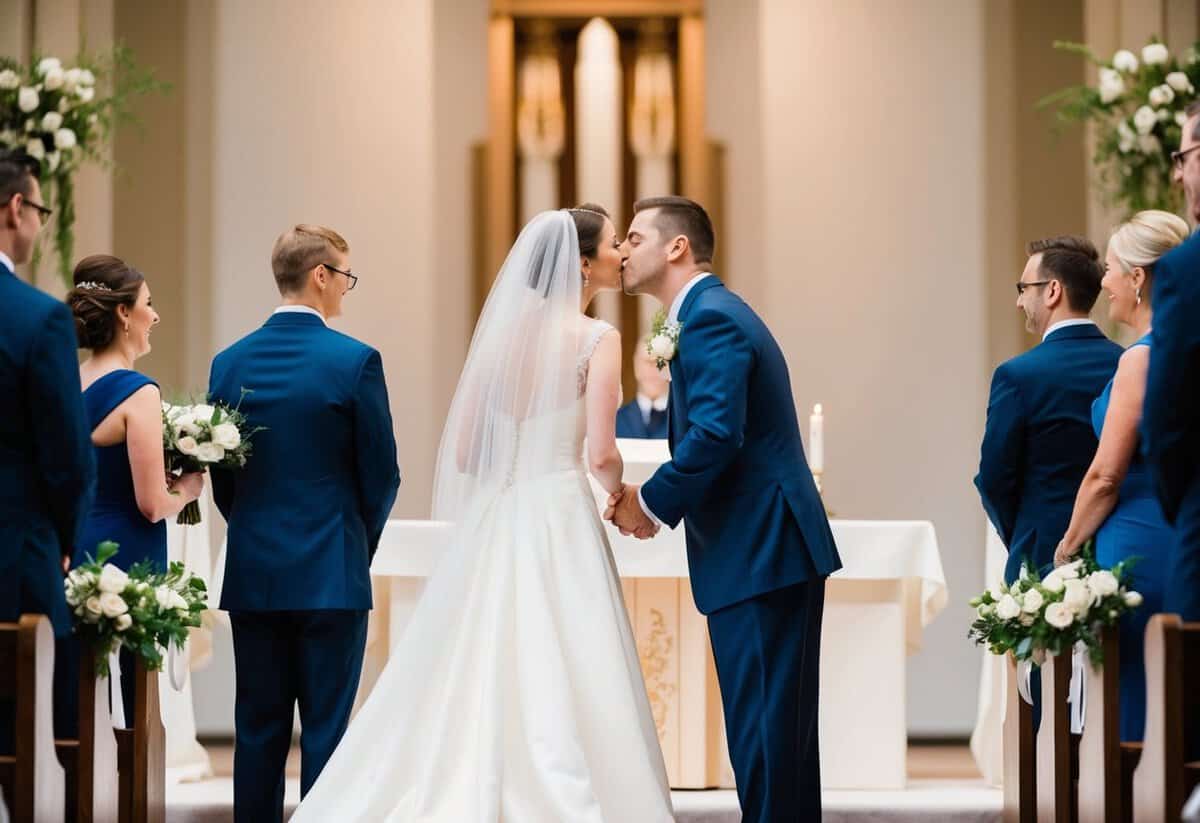
Every couple has their unique story, and personalizing the ceremony can make the moment even more special. By adding personal touches, you make the ceremony truly yours. This can reflect your values, beliefs, and love for each other.
Exchange of Vows and Personal Sentiments
The exchange of vows is a key moment in any wedding. This is when you express your commitment to each other. You can choose traditional wedding vows or create your own. Writing personal vows allows you to share your unique feelings and promises.
Make sure to include specific details about your relationship. Mention shared experiences, dreams for the future, or qualities you admire in each other. This adds a heartfelt touch. Sharing your vows in front of friends and family can make this moment even more meaningful.
In Catholic ceremonies or Christian weddings, vows may follow specific guidelines. However, many couples find ways to incorporate personal sentiments into these traditional structures. This balances respect for tradition with your individuality.
Cultural Influences and Modern Adaptations
Marriage ceremonies often reflect cultural significance. Different cultures have unique traditions that can influence how you personalize your wedding.
For example, in some cultures, specific rituals are included to honor family connections. You might choose to include readings, music, or symbols that represent your background. This makes your ceremony richer and more personal.
Modern adaptations also allow for creativity. Many couples today choose unconventional ways to express their love.
You can add humorous touches, like funny anecdotes, or create a more relaxed atmosphere. This can redefine what “kissing the bride” represents in your special moment.
Personalizing your ceremony with these elements helps to create a lasting memory of your commitment as partners for life.