
Who Sits Next to Bride and Groom at Wedding? A Guide to Seating Arrangements
When planning your wedding, seating arrangements can seem overwhelming. You might wonder who should sit next to you at the head table. Traditionally, the bride sits to the groom’s left, with the best man beside the bride and the maid of honor next to the groom.
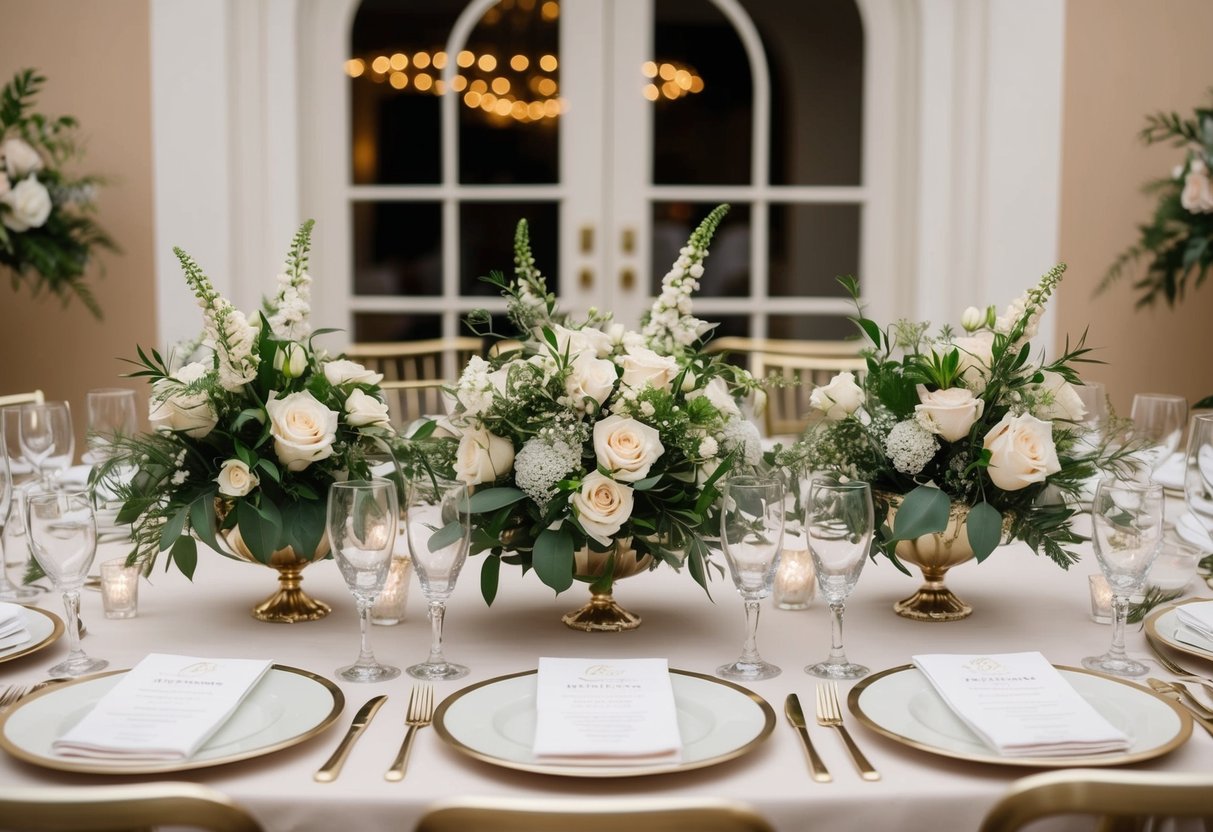
These placements help highlight your special day and keep important people close. Guests often want to know the best way to arrange the bridal party, and there are a few time-honored choices to consider.
Knowing these traditions can make your wedding planning smoother and more enjoyable.
Understanding traditional seating can also add a touch of elegance to your ceremony and reception. You want everyone to feel comfortable while showcasing your loved ones as part of your celebration.
Let’s explore the ins and outs of who sits where at your wedding!
Understanding Wedding Seating Traditions
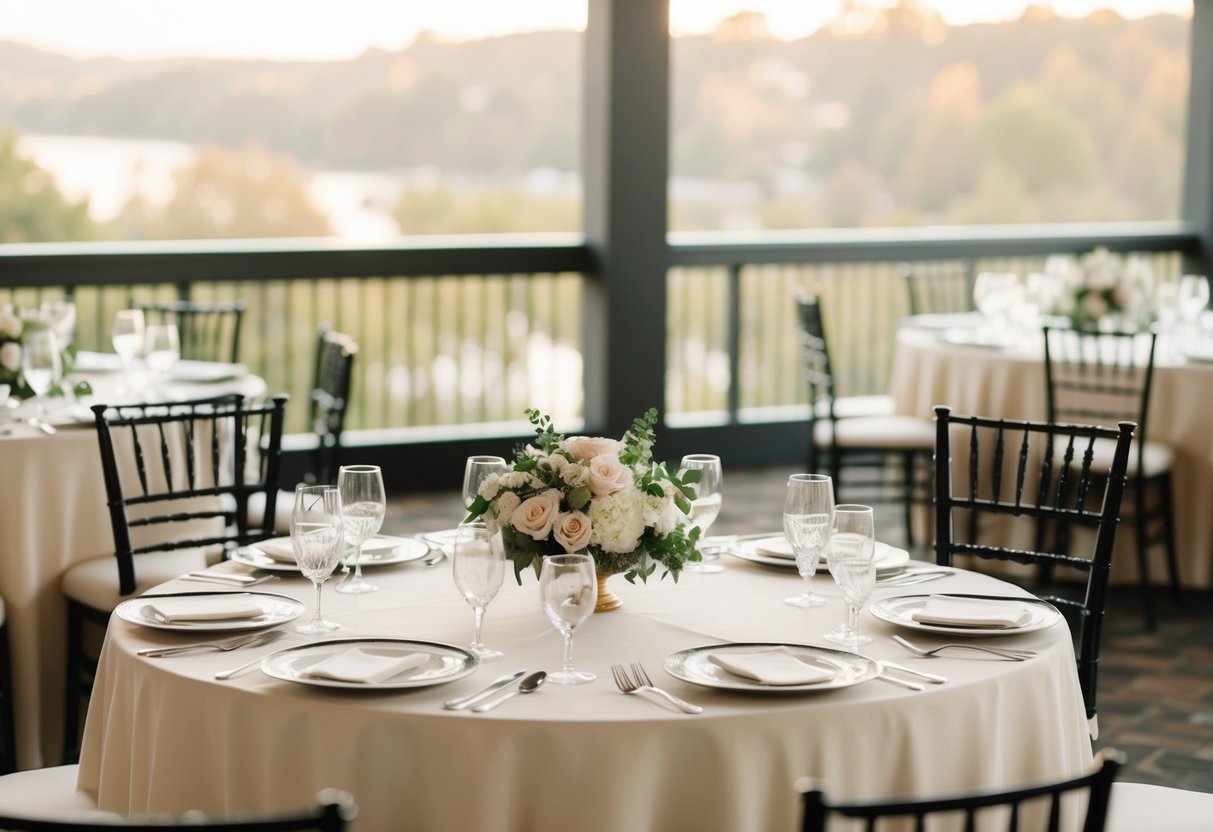
Wedding seating arrangements vary widely and reflect historical and cultural backgrounds. Knowing these traditions can enhance your planning and create a more meaningful experience for everyone involved.
Historical Context of Wedding Seating
Traditionally, the seating arrangement at weddings was based on the family dynamics of the couple. The bride’s family typically sat on the left side, while the groom’s family occupied the right. This arrangement symbolized the joining of two families in unity.
In many Western cultures, the immediate family and close friends are seated in the front rows. Additionally, in some cultures, guests may be assigned based on their relationship to the couple, highlighting important connections during the ceremony.
These practices have roots in past societal norms, where family lineage and alliances played significant roles in marriage.
Cultural Variations in Seating Arrangements
Different cultures have unique approaches to wedding seating. For example, at a Jewish wedding, the groom’s family often sits on the left, while the bride’s family is on the right. This reflects long-standing customs tied to community and heritage.
In more modern ceremonies, such as same-sex marriage ceremonies, couples might opt for a “choose a seat, not a side” approach. This encourages inclusivity and supports unity among friends and family, easing tensions regarding family divisions.
Embracing various practices allows you to create a seating arrangement that reflects your values and relationships, making your wedding ceremony feel personal and special.
Planning the Seating Chart
Creating a seating chart is a vital part of wedding planning. It helps you arrange guests thoughtfully, ensuring that everyone is comfortable and happy.
Here are some key areas to focus on that will guide you through this process.
Designing the Layout for the Head Table
The head table, often called the top table, is where you, the bride and groom, will sit during the reception. This table typically holds the bridal party, so you’ll want to place the best man to your left and the maid of honor to your right.
Consider these tips for the head table layout:
- Shape: Decide if you want a long rectangular table or a more intimate round table setting.
- Visibility: Ensure the head table is visible to all guests, so they can enjoy your special moments.
- Seating Order: Place people who get along well next to each other to keep the atmosphere light and joyous.
Coordinating Family Dynamics and Divorced Parents
If parents have divorced or if family dynamics vary, careful thought is essential. Aim for a seating arrangement that acknowledges these relationships while minimizing discomfort.
Here are some strategies:
- Separate Tables: Consider having separate tables for each side of the family. This can reduce tension during the reception.
- Neutral Guests: Place trusted friends or relatives between divorced parents to ease interactions.
- Communication: Talk to your family before finalizing the seating chart. This can help you gauge any concerns and make the best decisions.
Incorporating Honored Guests into Seating Plans
Honored guests—like grandparents, mentors, or close family friends—should be positioned thoughtfully within your seating chart. Their presence can be significant to the day’s joy and memories.
Tips for including honored guests:
- Proximity: Sit them near the head table or in a place where they can easily enjoy the festivities.
- Comfort: Ensure their seating is comfortable and accessible, especially if they have mobility issues.
- Special Touches: Consider placing a small card at their table setting that recognizes their importance in your life.
The Bridal Party’s Role at the Reception
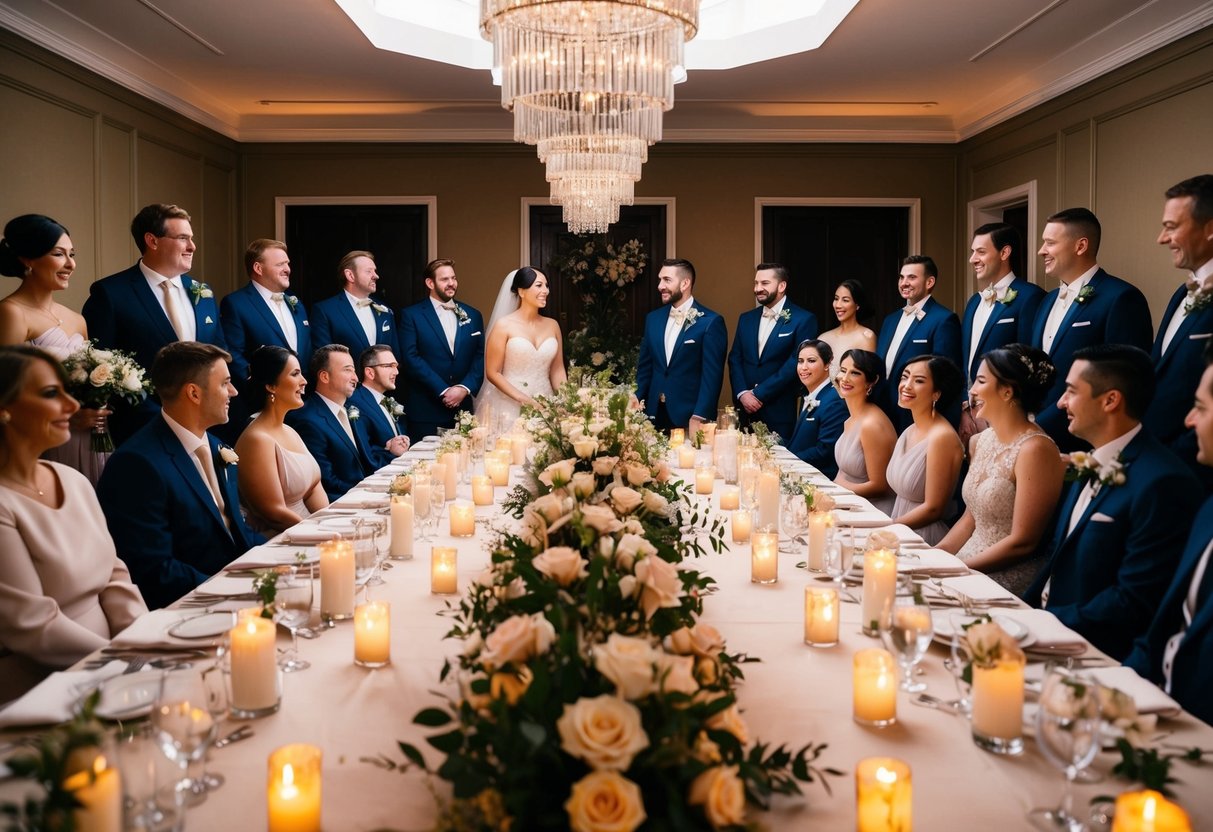
At the reception, the bridal party has specific roles that help make the event flow smoothly. Their positioning and seating arrangements are important, as they symbolize the support and celebration of the couple’s union.
Positioning of Maid of Honor and Best Man
The maid of honor and best man hold key positions at the head table. Traditionally, the bride and groom sit at the center, with the groom’s right side reserved for the best man. The maid of honor usually sits next to the bride on her left. This arrangement highlights their close bond and support for the couple.
During toasts and speeches, the maid of honor and best man typically take turns. They share heartfelt stories that add a personal touch. Their roles also include coordinating activities like the first dance and cake cutting. Their presence helps ensure that traditions are honored and the celebration runs smoothly.
Seating Arrangements for Bridesmaids and Groomsmen
Bridesmaids and groomsmen are seated near the head table in the reception area. This seating should follow a pattern, usually alternating genders to create a balanced look. For example, a bridesmaid may sit next to a groomsman, which also promotes mingling among the guests.
If space allows, create a separate bridal party table for these attendants. This table showcases the bridal party’s importance and allows them to enjoy the festivities closely. Remember to communicate seating preferences in advance. This helps avoid any confusion and ensures everyone feels included and valued throughout the celebration.
Key Considerations for Family and Guest Seating
When planning wedding seating arrangements, there are several important factors to keep in mind. Assigning specific spots for family members and ensuring comfort for all guests can create a welcoming atmosphere.
Assigning Seats to the Bride and Groom’s Parents
Seating the parents of the bride and groom is crucial. Traditionally, the bride’s parents sit closest to the bride, while the groom’s parents sit near the groom. This placement highlights the joining of two families.
If parents are divorced or have complicated relationships, consider placing them at separate tables. This way, everyone can still feel included without awkwardness. Clear communication with parents about seating arrangements can help maintain harmony during the festivities.
Options for Sweetheart and Family Tables
You have a few options for the main table at the reception. The sweetheart table, which seats only you and your partner, provides a romantic setting. This table can be positioned anywhere in the reception hall, allowing for a unique view.
Alternatively, a family table can include parents, siblings, and close relatives. This option promotes togetherness and acceptance. Decide based on your style and your families’ dynamics. It’s about what feels right for you.
Usage of Table Cards for Guest Convenience
Table cards help guests find their seats easily. They should include clear labels with the guest’s name and table number.
Consider using elegant designs that match your wedding theme for a polished look.
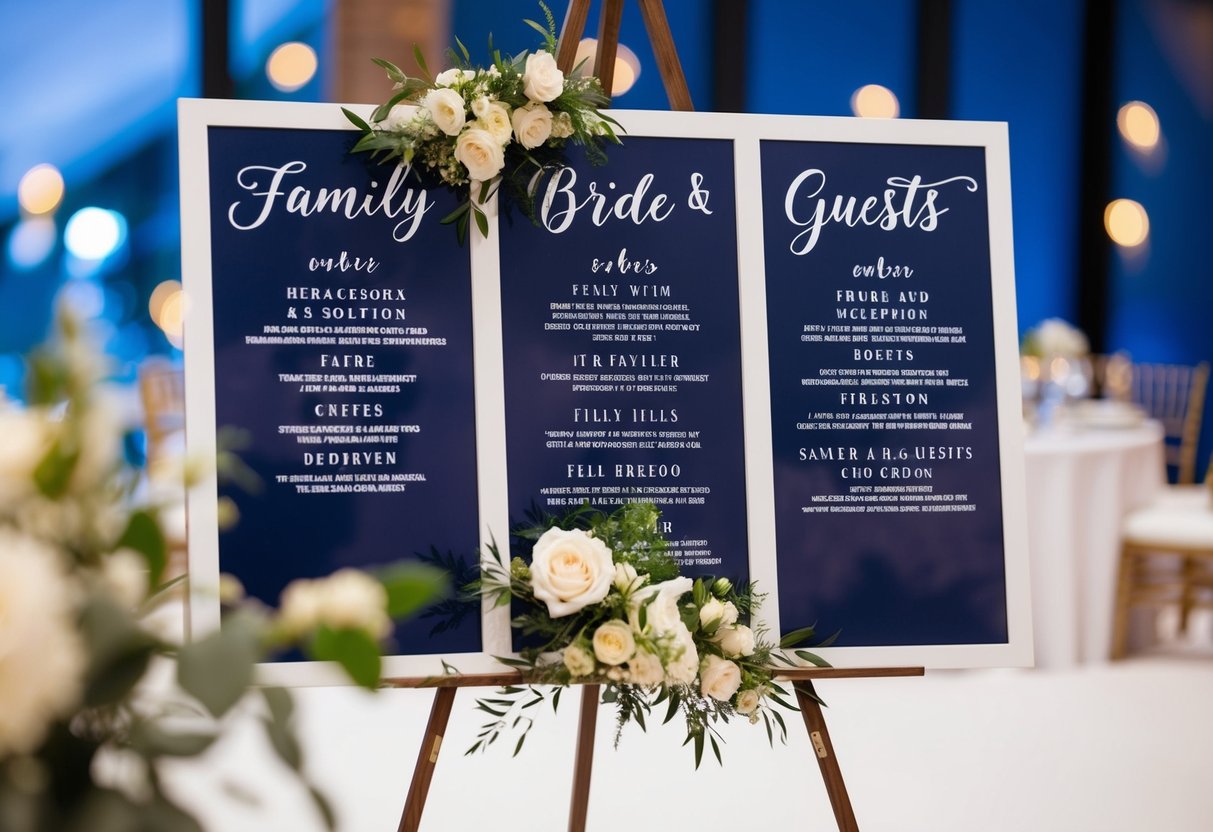
You can also include a seating chart at the entrance of the venue. This will guide guests effectively, making it easier for them to mingle.
Providing this information reduces confusion and ensures everyone has a place.