
Who Sits Where at a Wedding Ceremony in the UK? A Guide to Seating Arrangements
Planning a wedding can be exciting yet overwhelming, especially when it comes to figuring out the seating arrangement for your ceremony. In the UK, the bride and groom sit at the top table, flanked by their parents, the best man, and the maid of honour. Understanding who sits where helps create a warm and organized atmosphere for your special day.
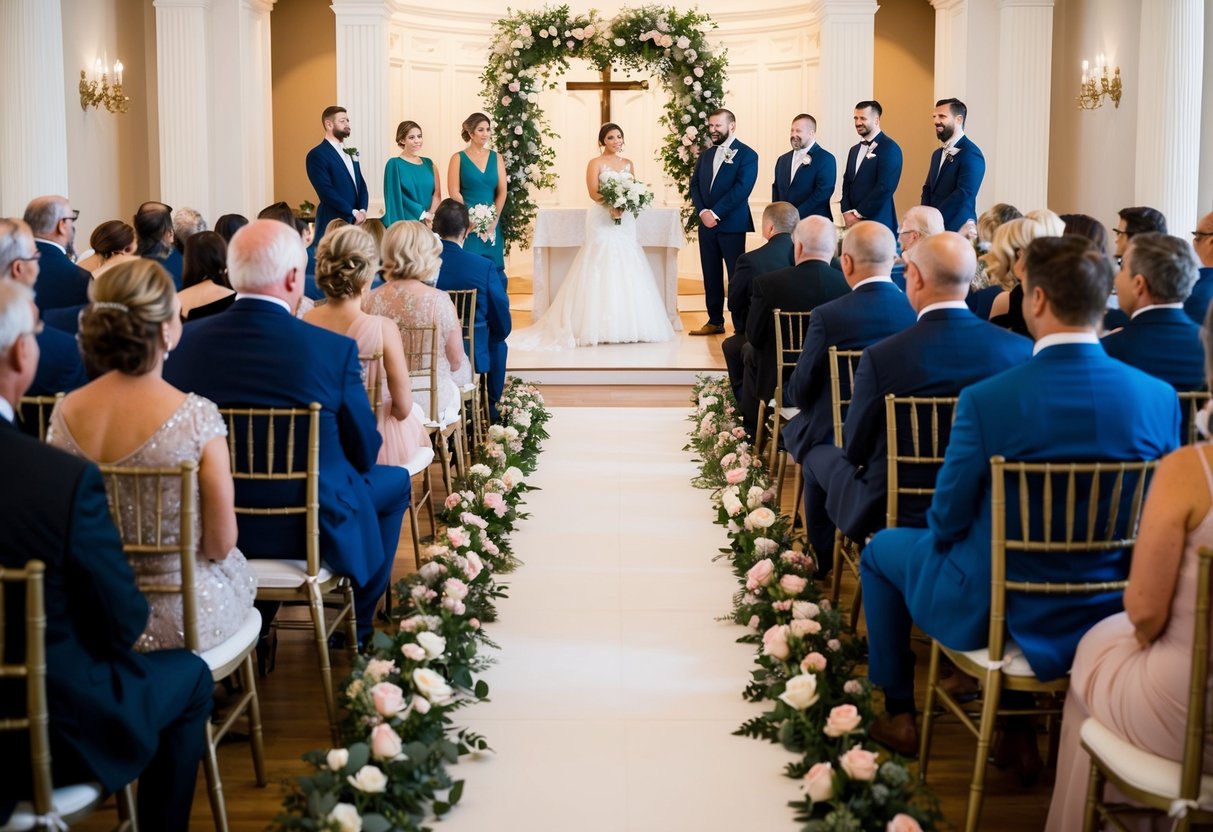
When arranging your seating, think about the relationships and dynamics among your guests. You’ll want to make everyone feel comfortable while honoring family traditions and any unique aspects of your relationships.
Don’t worry—if you’d rather break from tradition, you can create a seating plan that reflects your style.
Ensuring a thoughtful seating arrangement can set the tone for your ceremony and make your guests feel more connected. By considering these elements, you can craft a memorable setting that celebrates love and unity at your UK wedding.
Understanding UK Wedding Ceremony Traditions
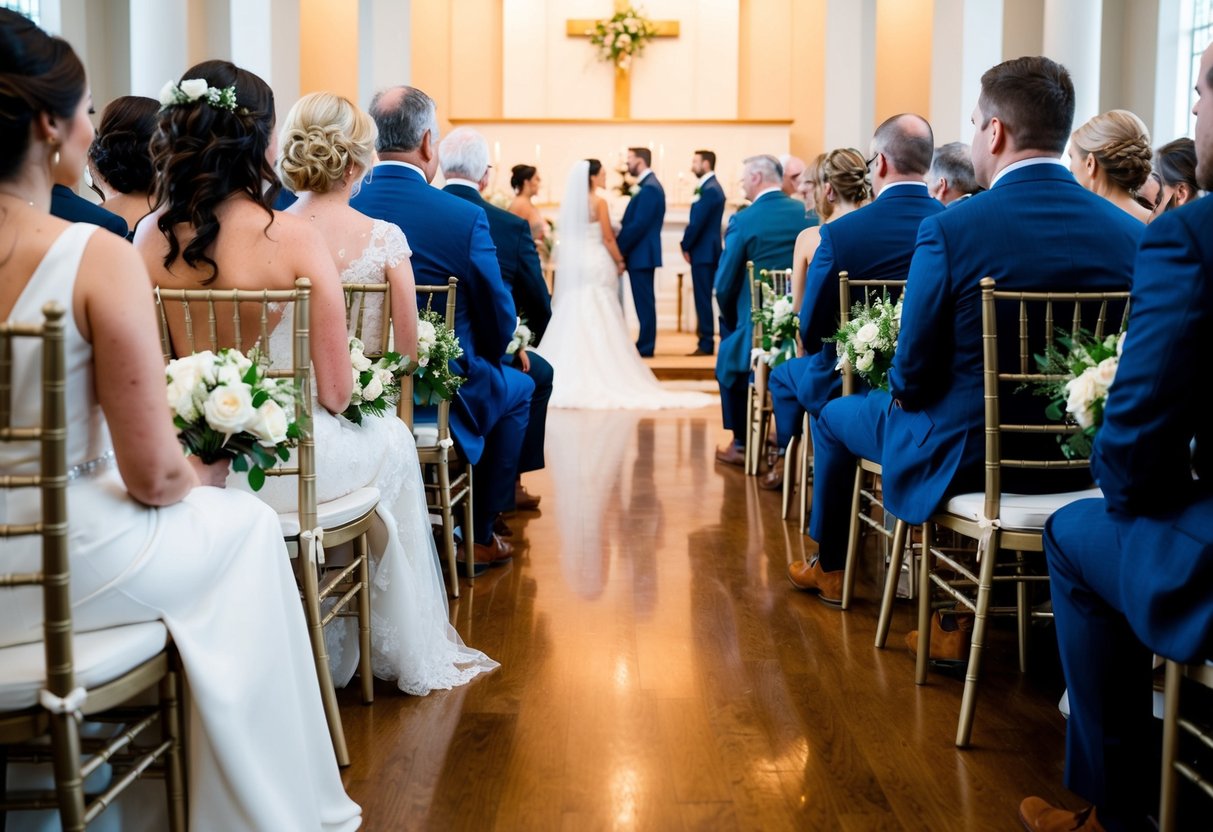
When planning your wedding, knowing the traditions around seating can be helpful. This section explores how seating arrangements have historical importance and outlines the roles of different members in the wedding party.
Historical Significance of Seating Arrangements
In UK weddings, seating arrangements often reflect traditional values. Historically, the front rows are reserved for close family members, such as parents and siblings. This placement shows respect and honor during the ceremony.
During Christian weddings, the bride’s side usually sits on the left and the groom’s side on the right. This custom has roots in age-old beliefs about unity and family.
Seating etiquette is essential, especially for larger ceremonies. It’s a good idea to create a seating chart to avoid confusion. It helps guests understand where they should sit and ensures they feel included on your special day.
Roles in the Wedding Party
The wedding party includes important figures like bridesmaids, groomsmen, and flower girls. Each role carries responsibilities during the ceremony.
Bridesmaids typically sit near the bride and support her throughout the day. They often help with various tasks, from organizing the dress to calming nerves.
Groomsmen stand by the groom, showing support as he prepares for the big moment. It’s their job to ensure everything goes smoothly.
Flower girls add charm to the ceremony by scattering petals down the aisle. While they may not have specific seating, their role is vital, symbolizing beauty and innocence.
Understanding these roles can help you create a smoother ceremony. You’ll appreciate the significance behind each position and the history that shapes these traditions.
Planning Your Seating Arrangements
When planning your wedding ceremony seating, creating a good seating plan is essential. It takes into consideration your guest list and family dynamics. Working closely with the wedding venue is also key to a smooth ceremony.
Creating a Seating Plan
Begin by listing all your guests. This guest list is the foundation of your seating plan.
Consider family dynamics carefully. You may want to seat family members together but also think about their relationships. For example, if some family members have had disagreements, it might be wise to separate them.
Think about traditional seating arrangements too. In many cases, guests sit on either side of the aisle, with your family on one side and your partner’s family on the other.
Consider labeling seats with name cards or a seating chart at the entrance. This helps guests find their places easily and helps everyone feel welcomed.
Coordinating with the Wedding Venue
Your chosen wedding venue can greatly influence your seating arrangements. Communicate with them to understand their layout and any restrictions they might have.
Ask about seating options and what best suits your style. For example, some venues offer chairs, while others might have benches.
Check if there are accessibility requirements for any guests. It’s important to ensure that everyone can comfortably enjoy the ceremony.
Discuss arrival times with the venue staff. This ensures that everything is set up well before your guests arrive. Working together can enhance the experience for you and your guests.
Ceremony Seating Protocol
When planning your wedding ceremony seating, it’s essential to think about the arrangement of both families and guests. Knowing the traditional protocols can help you create a warm and respectful atmosphere for everyone present.
Seating the Immediate Families
Seating begins with the immediate families. The parents of the bride typically take the front row on the right side. This is a traditional custom that highlights their important role in the ceremony.
Conversely, the parents of the groom sit on the left side in the front row. This arrangement gives both families a place of honor.
It’s also nice to seat closest relatives next to each set of parents. For example, siblings of the couple can sit next to their parents, ensuring that the nearest and dearest are close at hand to share in the joy of the moment.
Order of the Wedding Processional
The wedding processional marks a key moment in the ceremony. Traditionally, it starts with the groom and his best man entering first.
Next, the bridesmaids follow, usually walking down the aisle in pairs, starting with the two that are closest to the bride. After them, the flower girl and/or ring bearer come next.
Finally, the bride enters, often accompanied by one or both parents. The processional music should enhance this moment, creating an emotional atmosphere as everyone takes their places.
General Guest Seating Tips
For general guest seating, consider a few helpful tips. It’s best to reserve seating for elderly guests or those with disabilities near the front for easier access.
When inviting children, parents can choose to sit them near the back to minimize distractions during the ceremony.
You can also create a seating chart to avoid confusion. Display the chart at the entrance to guide guests to their designated areas easily. This can enhance their experience and ensure that everyone feels included.
Reception Seating Considerations
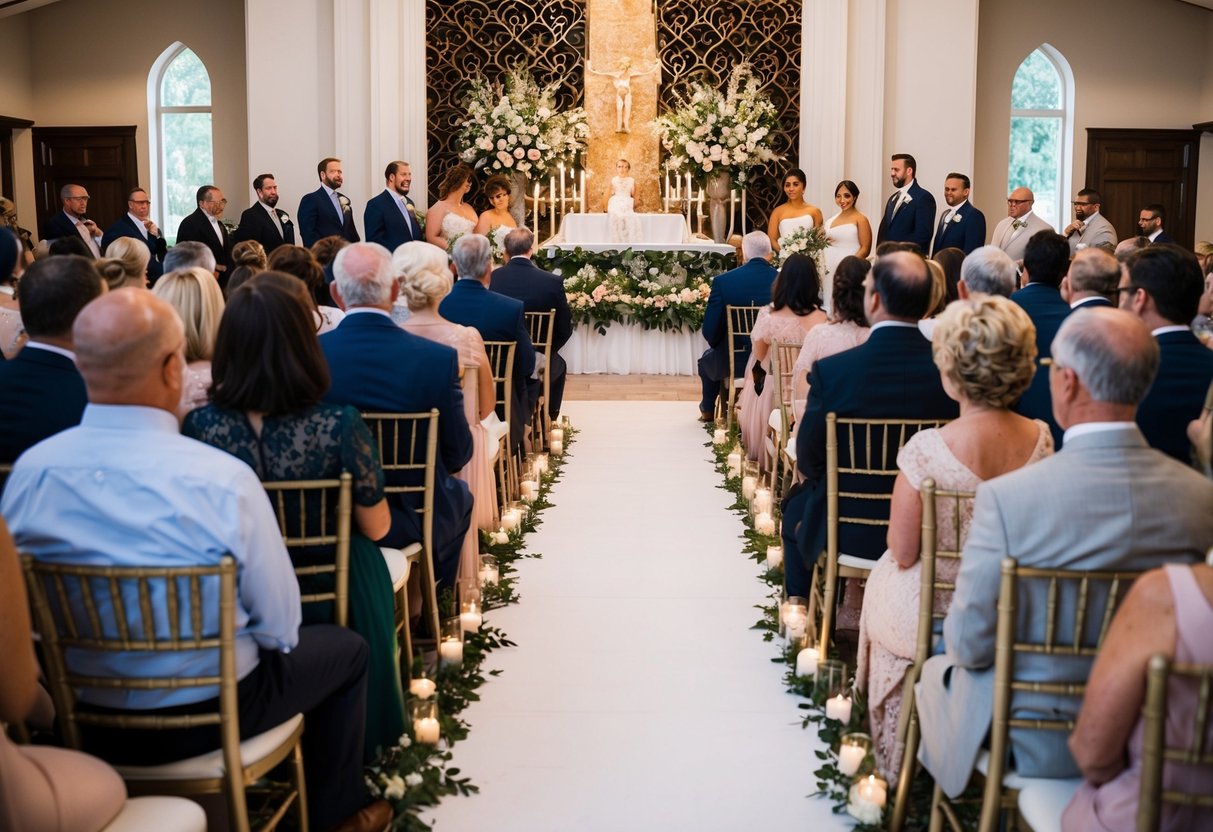
When planning your wedding reception, seating arrangements play a crucial role in creating an enjoyable atmosphere. Factors such as the top table layout, incorporating a sweetheart table, and navigating post-ceremony celebrations can impact the experience for both you and your guests. Here’s what to keep in mind.
Deciding on the Top Table Layout
The top table at a wedding is often the centerpiece of the reception. Typically, you’ll sit at this table with your partner and immediate family members. A common arrangement places the bride on the left and the groom on the right.
Consider who you want to sit with you. You might choose to include your maid of honour, best man, or other special guests.
It’s important to ensure that the top table has a good view of everything happening. This way, you can enjoy the speeches and other events while feeling like the stars of the show.
Incorporating a Sweetheart Table
A sweetheart table is a great option for couples wanting a more intimate setting. This smaller table allows just you and your partner to sit together, away from the larger group.
This layout strengthens your connection during the reception. You can share quiet moments and truly enjoy each other’s company throughout the event.
You can add personal touches, like special decorations or a unique backdrop, to make the sweetheart table stand out.
Navigating Post-Ceremony Celebrations
After the ceremony, guests often mingle while waiting for the reception to begin. A clear wedding seating plan can help everyone know where they should go.
Consider having a welcome table with place cards or a larger seating chart to guide guests. This shows you’ve thought of their comfort.
During this time, allowing for some small bites and drinks can help keep your guests happy. It can also ease any anxiety while waiting for the main celebration to start.