
Who Stands at the Altar in a Wedding UK? A Guide to the Roles and Traditions
On your wedding day, standing at the altar is a special moment filled with anticipation. In a UK wedding ceremony, the groom and groomsmen stand on the right side, while the bride and her bridesmaids gather on the left. This setup reflects traditional wedding customs that bring both sides of the family together in celebration.
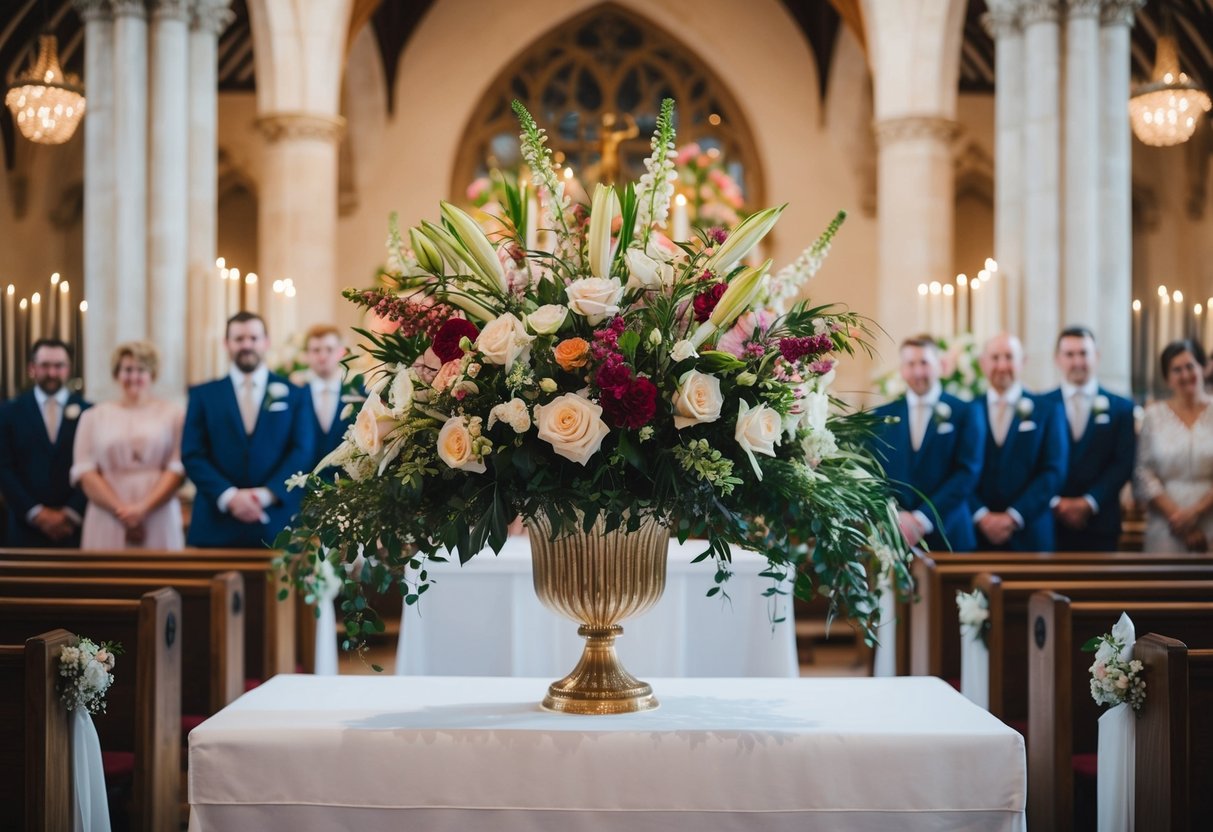
As you plan your ceremony, you might wonder about the roles of others at the altar. The officiant is usually positioned at the center, guiding the ceremony, while the parents of the couple may take seats nearby, supporting you as you exchange vows.
If you’re thinking about how to personalize your altar setup, consider the significance of each position. Customizing who stands where not only adds a unique touch to the ceremony but also reflects your journey as a couple in front of your loved ones.
As you read on, you’ll discover more about the ins and outs of who stands at the altar for a memorable UK wedding.
Roles and Positions in a Traditional UK Wedding Ceremony
In a traditional UK wedding ceremony, the roles and positions of individuals at the altar and throughout the venue are quite important. Different members of the wedding party have specific places during the ceremony, and understanding these can enhance the experience for everyone involved.
The Bridal Party
The bridal party typically includes the bride, bridesmaids, and maid of honour. The bride stands at the altar, often flanked by her bridesmaids. The maid of honour plays a key role in supporting the bride throughout the day.
Bridesmaids may carry flowers and help with the bride’s gown. The flower girl or page boys often follow behind, adding a sweet touch to the ceremony. Each member of the bridal party usually wears matching attire, which reflects the wedding theme.
The Officiant and Wedding Procession
The officiant is a central figure in the ceremony. This person might be a priest, celebrant, or registrar. They typically enter first and stand at the altar, setting the tone for the service.
The wedding processional follows, starting with ushers leading guests to their seats. The music begins, creating a festive atmosphere. The bride usually makes her grand entrance last, accompanied by her father or another important figure. This moment is significant and often is the highlight of the processional.
Guests and Family
Guests play an important role in a wedding ceremony, too. They are usually seated based on their relationship with the couple.
Close family members, such as parents and grandparents, may have assigned seating at the front. For divorced parents, it’s essential to consider sensitive seating arrangements to avoid discomfort.
The parents of the groom also have special roles, often standing to the side or seated in a prominent place. Including everyone makes the celebration more inclusive and joyful.
Key Moments Throughout the Wedding Ceremony
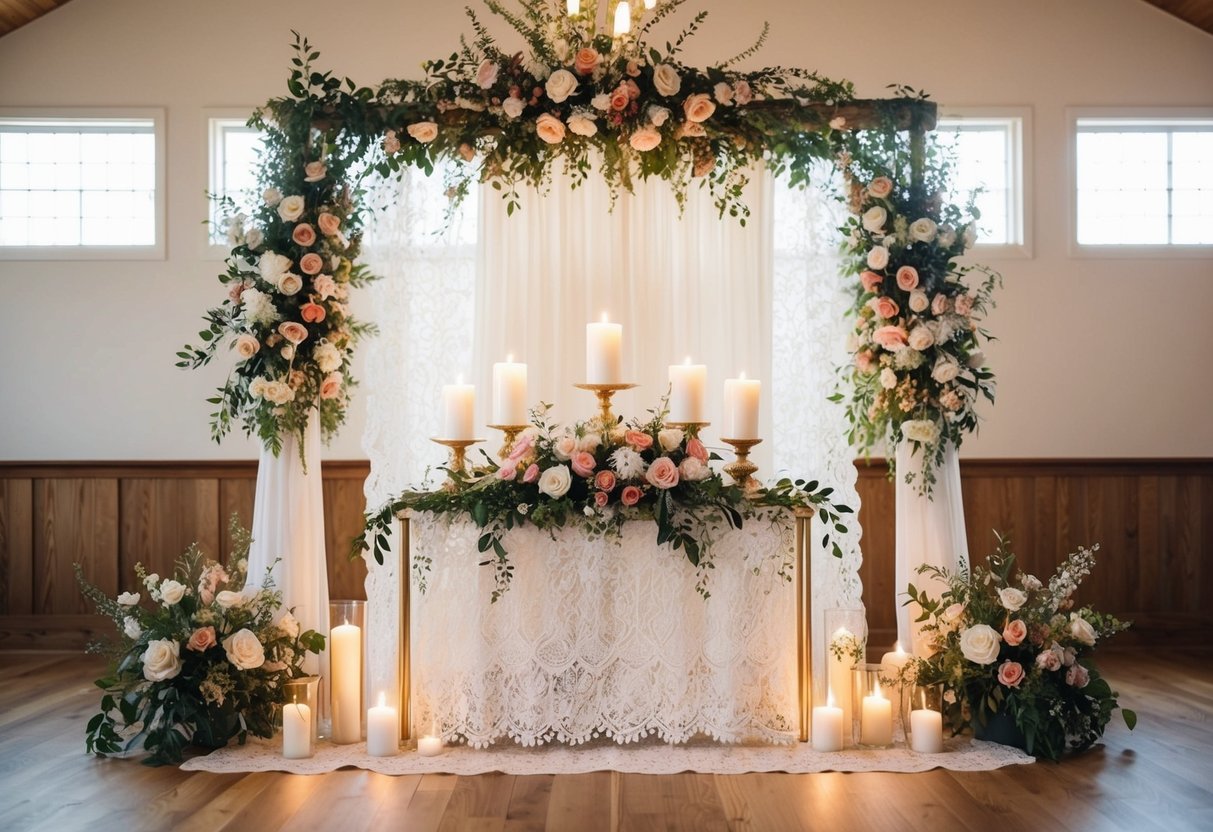
Understanding the key moments during your wedding ceremony can help you prepare for the day. These moments shape the emotional experience for you and your guests, from the initial entrance to the exchange of promises.
The Processional and Recessional
The processional sets the tone for the entire ceremony. It typically includes the wedding party walking down the aisle. The order often starts with groomsmen, followed by bridesmaids, and then the bride. You might choose meaningful wedding processional music to enhance this moment.
As the ceremony concludes, the recessional marks your exit as a married couple. Here, you can focus on celebrating your union while guests cheer and throw flower petals. This joyful moment mirrors the processional, allowing you to leave with a sense of excitement and happiness.
Exchange of Vows and Rings
The exchange of vows is a heartfelt moment. This is when you express your love and commitment to each other. You might have custom wedding vows, making this moment even more special.
Standing before friends and family, these words hold deep meaning. After your vows, you will exchange rings, symbolizing your love and unity.
The rings are often placed on each other’s fingers, signifying your commitment. This moment, filled with emotion, is a highlight that you will treasure forever. Each vow and ring exchanged creates a lasting memory of your special day.
Cultural and Religious Variations in UK Wedding Ceremonies
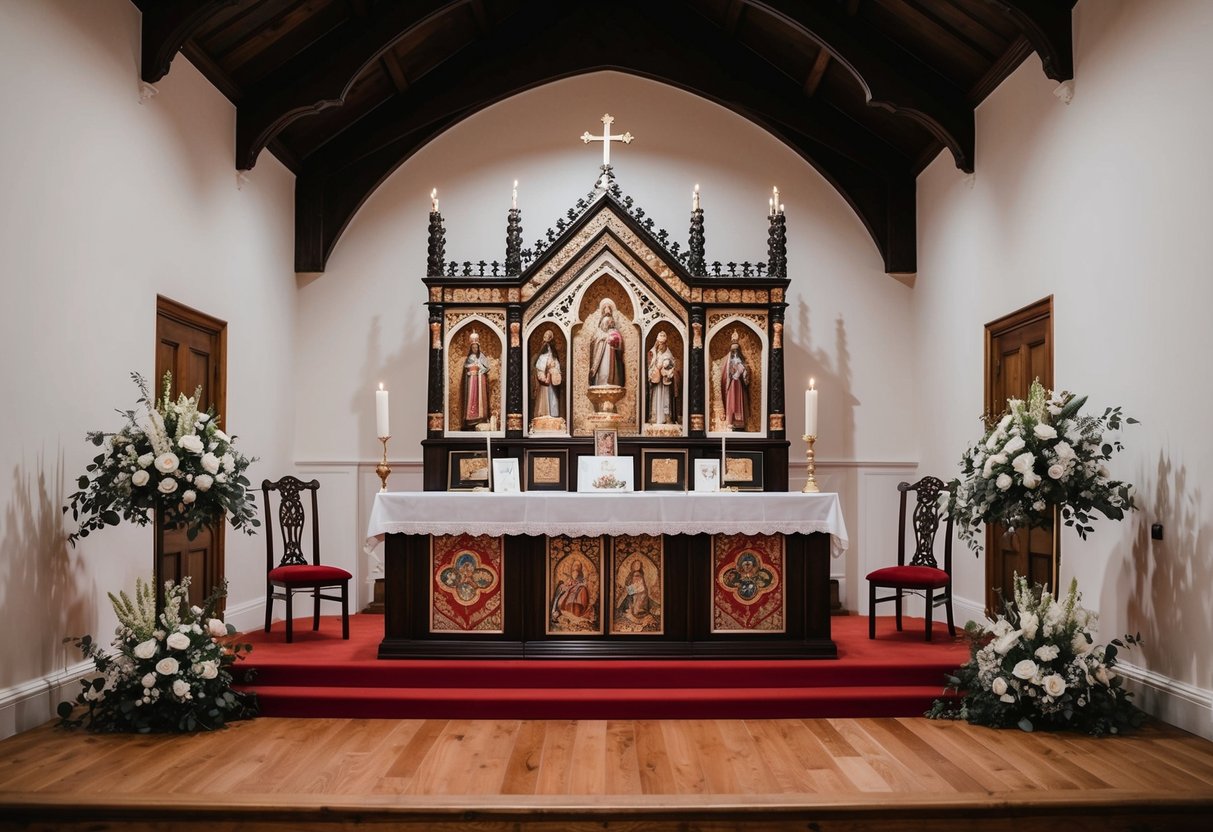
In the UK, wedding ceremonies are rich with cultural and religious variations. These differences shape who stands at the altar and how the ceremony flows. Here are some key traditions across different cultures.
Specific Traditions in Jewish Weddings
In a Jewish wedding, the ceremony typically features a chuppah, which is a canopy symbolizing the home the couple will build together. You will notice the groom standing at the altar while the bride circles him seven times at the start. This represents unity and protection.
The ceremony includes the signing of the Ketubah, or marriage contract, before witnesses. During the vows, the groom often breaks a glass, symbolizing the fragility of relationships. These traditions highlight the essence of commitment and joy in Jewish culture.
Distinct Hindu Wedding Customs
Hindu weddings are known for their elaborate rituals and vibrant celebrations. At the altar, the couple sits on a platform known as the mandap. This sacred space is adorned with flowers and fabrics, creating a beautiful setting for the ceremony.
A significant moment is the Saat Phere, where the couple walks around the sacred fire seven times. Each circle represents a vow they make to each other. Family involvement is crucial in these ceremonies, emphasizing the bond between both families as they join together.
Incorporating LGBTQ+ Inclusivity
In recent years, UK weddings have embraced LGBTQ+ inclusivity, reflecting a broader acceptance in society. Couples can personalize their ceremonies to suit their unique identities.
You may see the couple standing together at the altar, often in non-traditional attire that reflects their personalities. They can choose from a range of rituals or create their own, focusing on love and partnership.
Many LGBTQ+ ceremonies also incorporate elements from various cultures, blending traditions that hold meaning for the couple. This evolution showcases love in all its forms.
Wedding Attire and Aesthetic Details
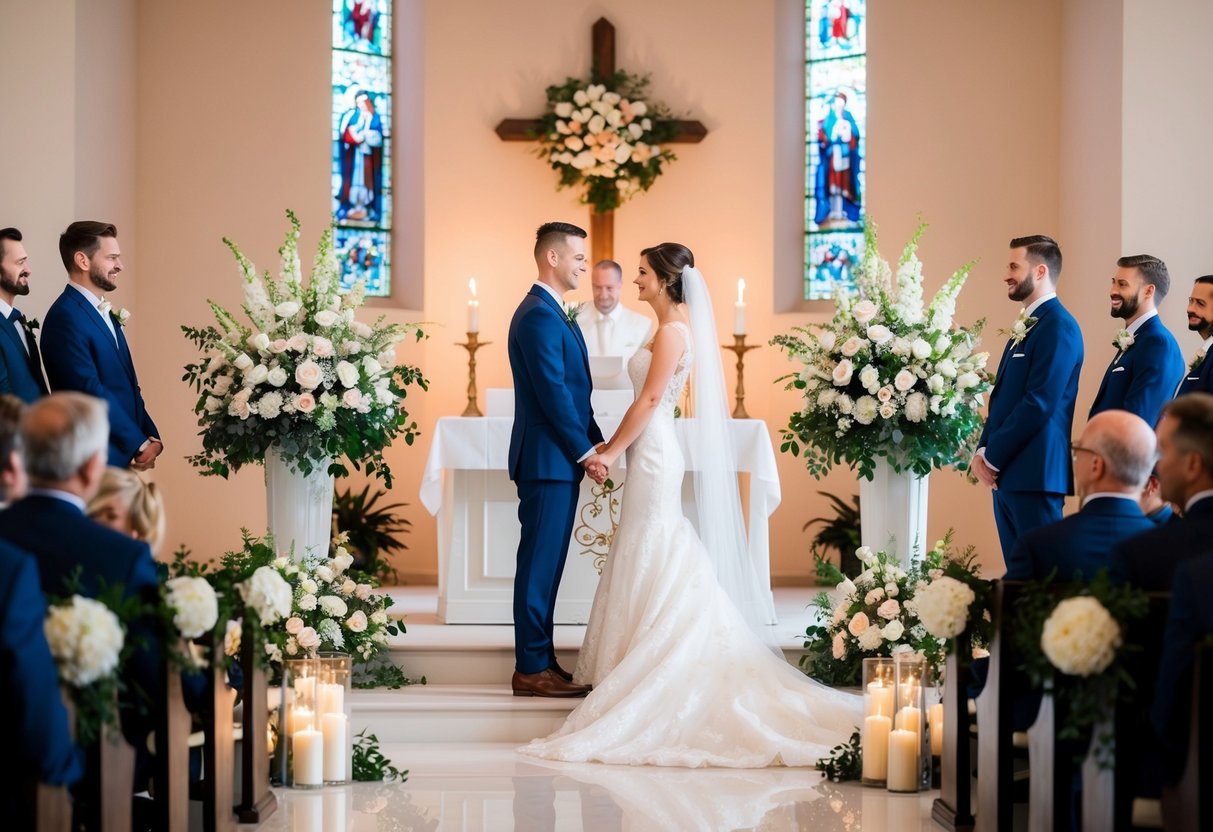
Choosing the right wedding attire and aesthetic is essential for setting the tone of your special day. The right style will reflect your taste and create a memorable experience for you and your guests.
Choosing the Right Wedding Style
When planning your wedding, consider the overall theme you want to portray. Popular styles include rustic, classic, modern, and bohemian. Each style dictates specific attire choices.
For a classic look, you might choose a flowing gown with lace details, while a modern wedding could feature sleek silhouettes.
Bridesmaid dresses should complement your gown and the wedding theme. Choosing a matching color palette creates unity.
Think about accessories like shoes and jewelry, which can enhance the overall look.
Don’t forget about the groomsmen! Their outfits should harmonize with both your style and the bridesmaids’ attire to create a cohesive appearance for the ceremony.