
Why Are Brides on the Left? Exploring Tradition and Symbolism in Weddings
In many wedding ceremonies, you may notice that the bride stands on the left side of the groom. This tradition dates back to ancient customs where the placement symbolized protection and honor. It is believed that the groom stood on the right to keep his dominant hand free to defend his bride against any unwanted suitors, a practice known as “marriage by capture.”
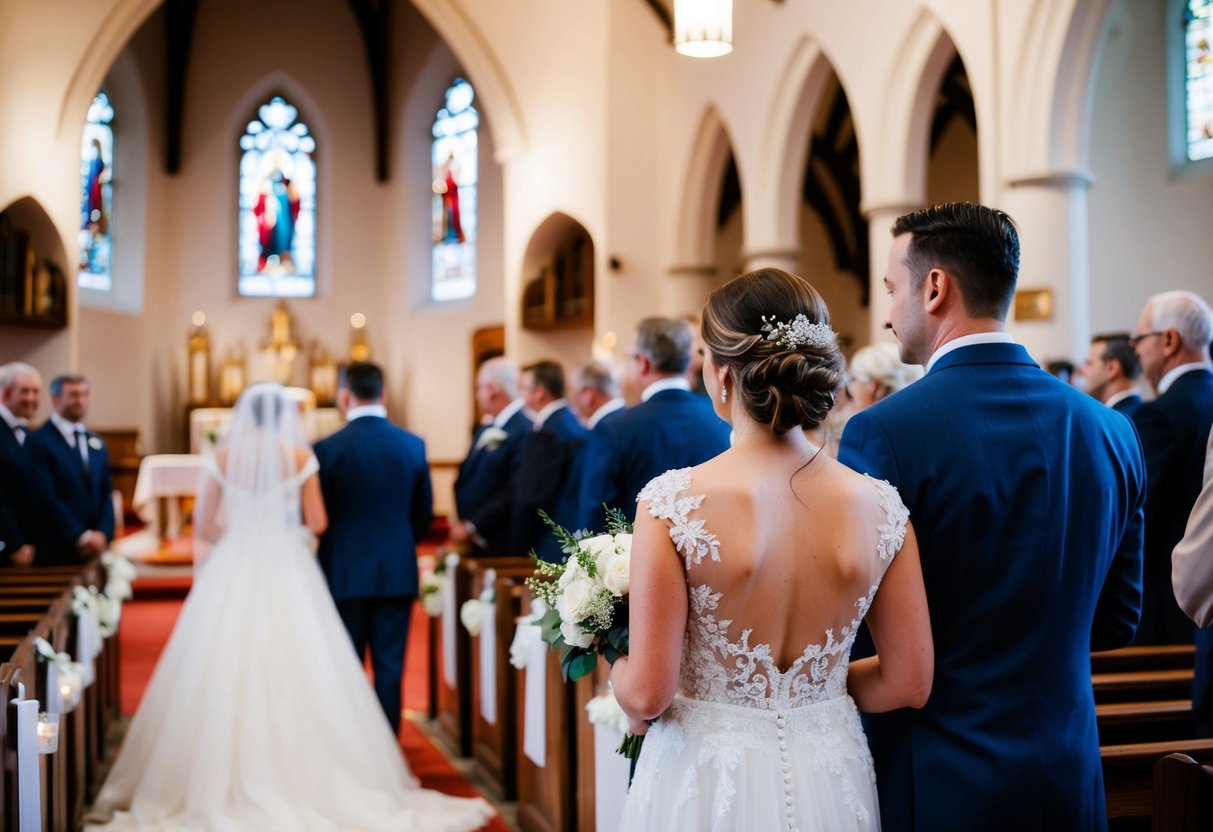
Wedding traditions like this add charm and meaning to a couple’s big day. While customs can vary across cultures and religions, the idea of positioning during a ceremony often connects to historical practices.
Understanding these traditions can make you appreciate the significance behind the simple act of where you stand on your wedding day.
So, if you’ve ever wondered why brides are traditionally on the left, you’re not alone. This centuries-old custom is filled with stories of love, honor, and protection, making it a fascinating topic to explore.
Historical Context of Bridal Placement
The placement of brides, particularly standing on the left during a wedding ceremony, has interesting roots. Understanding these traditions can give you insight into why this practice endures today.
Links to Marriage by Capture
The concept of “marriage by capture” dates back to ancient times. It involved a groom taking a bride without her consent, often by force. This practice highlighted the need for protection during the wedding.
By positioning the bride on the left, the groom kept his right hand free, which was usually stronger for combat. This positioning symbolized his role as the protector, ready to defend against any threat. As society evolved, many of these practices faded, but the tradition of the bride standing on the left continued.
Bridal Positioning in Different Cultures
Bridal positioning varies among cultures, but some traditions echo the idea of protection. In Jewish weddings, the bride often circles the groom before standing together. This ritual symbolizes her placing herself under his protection.
In Hindu weddings, the bride and groom also follow rituals that demonstrate their commitment to one another. During the ceremony, the couple stands side by side, with different customs emphasizing their roles.
Whether it’s the East or West, the context reveals a strong focus on unity and safety. Though customs differ, you will notice that many cultures maintain the theme of guarding and cherishing the bride during these important moments.
Modern Interpretations and Traditions
Today, the tradition of the bride standing on the left side continues to hold significance. Many couples blend historical customs with personal touches that reflect their values and beliefs.
Two main influences shaping these choices are religion and culture, along with individual preferences that make each wedding unique.
Influence of Religion and Culture
In many Christian ceremonies, the bride traditionally stands on the left. This placement emphasizes her shift from her family to her husband. It symbolizes love, protection, and commitment, important aspects of the marriage.
In Jewish weddings, the arrangement can be different. The bride may stand on the right side, reflecting varied traditions and beliefs within the community. This choice highlights the deep cultural roots of marriage, where symbolism and customs pass down through generations.
Hindu weddings also carry unique traditions, focusing on family and community. In these ceremonies, the focus may not strictly adhere to left or right, as the bond between the families plays a significant role.
Personalization of Wedding Ceremonies
Many couples today enjoy adding personal elements to their wedding. You might choose where to stand based on your family’s traditions or your partner’s preferences.
Personalization can include elements like changing seating arrangements, using custom vows, or even altering who stands where. This flexibility allows you to honor your backgrounds while reflecting your shared journey.
Ultimately, you have the freedom to create a day that resonates with both your values and personal identity. Your wedding can be a unique blend of tradition and modernity, celebrating love in a way that feels right for you.
Symbolism and Ceremony Structure
The position of the bride on the left side of the altar carries significant meaning in traditional weddings. It reflects historical customs and the roles of participants in the ceremony, enriching the overall experience.
Significance of the Left Side of the Altar
In a traditional wedding setup, the bride stands on the left side of the altar. This arrangement allows the groom to protect her, symbolizing his role as a guardian.
Historically, this positioning also dates back to when grooms needed their sword hand free to defend their bride from potential threats.
Moreover, standing on the left side emphasizes the bond between the bride and groom. The bride’s family often sits on this side, reinforcing familial ties and creating a visual connection during the ceremony. This traditional setup helps enhance the sense of unity and shared commitment between the two families.
Roles in a Traditional Wedding
In a traditional wedding ceremony, the groom stands on the right side of the altar. His best man and groomsmen stand nearby. The best man plays a key role, offering support to the groom and often holding the rings during the exchange.
The wedding officiant typically stands in the center, guiding the couple through vows and rituals. This structure allows for a clear focus on the couple as they share their vows. The arrangement also creates a balanced visual appeal, showcasing both families and their support for the marriage. Each role highlights the importance of community and familial bonds in the celebration of love.