
Why Does the Bride Sit on the Left? Exploring Wedding Traditions and Symbolism
During a wedding ceremony, you might notice a special seating arrangement that has its roots in tradition. The bride traditionally sits on the left side because this position symbolizes her family’s support and protection. This custom reflects a long-standing belief in many cultures where the left side is associated with honor for the bride and her loved ones.
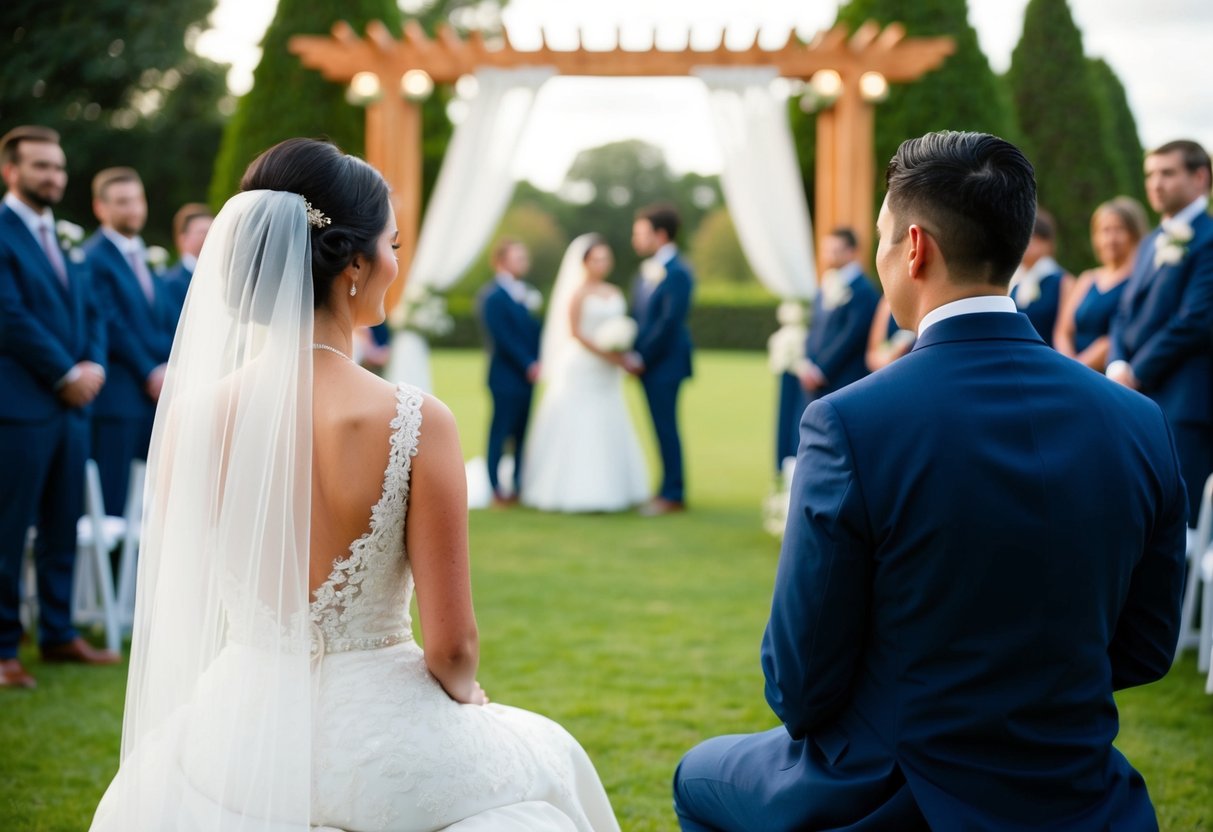
As you explore the significance of this seating, you’ll find that it also ties to the roles of the bride and groom. By sitting to the left, the groom stands ready to protect his bride, emphasizing their commitment to one another as they begin their life together.
This simple yet powerful tradition enriches the wedding experience and adds depth to the ceremony.
If you’re curious about how this practice varies across cultures and what it means for modern weddings, you’ll want to dive deeper into these fascinating customs! Understanding why the bride sits on the left can enhance your appreciation for the rituals that make wedding ceremonies so meaningful.
Historical Origins of Wedding Seating
The seating arrangement in weddings has deep historical roots. Understanding these origins will help you appreciate why the bride traditionally sits on the left side.
Chivalric Traditions and Protection
During the Middle Ages, the concept of chivalry was important. Knights often protected their ladies, and this influence shaped wedding customs.
When a bride stood on the left, it allowed her groom to keep his right hand free. This positioning was crucial since many men were trained to defend their loved ones and safeguard their honor.
Having the bride on the left was not just a matter of tradition; it symbolized the groom’s role as the protector. You can see how these practices were rooted in the values of the time.
Marriage by Capture and Positioning
Another fascinating aspect of wedding seating comes from the practice called “marriage by capture.” In ancient times, marriages could involve abduction, where a groom would take a bride by force.
Placing the bride on the left side allowed for a quick response if danger arose. If someone tried to take the bride, the groom could easily react with his right hand.
This practice highlights the historical significance of the seating arrangement. It served as a reminder of the protective role men played and the cultural practices surrounding marriage in earlier times.
Cultural Interpretations and Variations
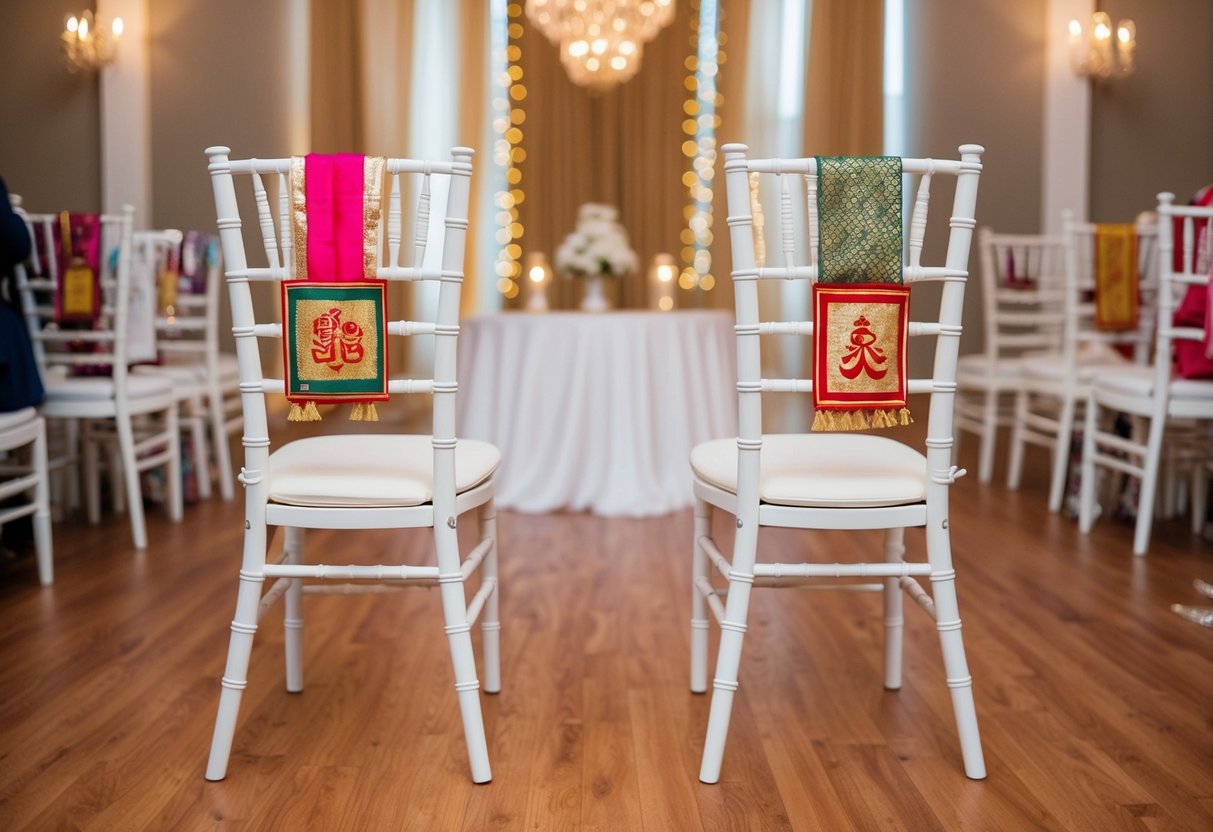
The seating arrangement for brides can vary based on cultural backgrounds and traditions. Each wedding custom holds unique meanings and practices that reflect deeper values. Here are some interpretations from different cultures.
Christian Wedding Traditions
In traditional Christian weddings, the bride often sits on the left side of the ceremony. This choice is significant because it symbolizes her bond with her family and friends.
When you face the altar, you will notice that the left side is reserved for the bride’s side, while the right side is for the groom’s family. This seating arrangement emphasizes the role of the bride and her importance in the ceremony.
The left side also relates to concepts of protection. The groom stands on the right, which historically represents a guardian role. This tradition has been passed down through generations, contributing to its continued importance in modern ceremonies.
Jewish Wedding Customs
In Jewish weddings, the seating and standing arrangements differ significantly. During the ceremony, the groom is typically positioned on the left and the bride on the right. This setup symbolizes the groom’s role as a protector, while the bride’s place signifies her importance and equal status.
Furthermore, during the kiddushin, or betrothal ceremony, the couple often stand under the chuppah, or wedding canopy. This sacred space highlights their unity. The traditions around Jewish weddings ensure that both partners are celebrated, making the event meaningful for all guests.
Hindu Wedding Practices
In Hindu weddings, the bride’s positioning can vary based on regions and customs, but she often sits or stands to the left of the groom during significant rituals. This practice reflects the bride’s important role in the couple’s new journey together.
One key moment is the saptapadi, or seven steps, where the couple takes seven vows together. This symbolizes their commitment and unity.
By standing together, both partners are seen as equals in their new life, highlighting the importance of partnership in Hindu culture.
These cultural interpretations showcase how different wedding traditions celebrate love and commitment uniquely.
Symbolism and Significance in Placement
The placement of the bride on the left side during a wedding ceremony carries deep symbolism and significance. This tradition reflects unity and commitment between the couple, highlighting the importance of their emotional connection.
The Significance of the Left Side
When you think about the bride standing on the left, it brings to mind the idea of the vena amoris, or “vein of love.” This ancient belief claims that a vein runs directly from the heart to the left hand.
By positioning herself on the left, the bride is literally close to the groom’s heart, symbolizing the emotional bond they share.
This placement also acts as a position of honor for the bride. In many cultures, standing on the left side of the altar is a sign of respect and acknowledgment of the bride’s role in the relationship. It shows that she is valued and cherished, making the wedding ceremony even more meaningful.
Unity and Commitment Representation
The act of standing together at the altar represents a powerful commitment. By having the bride on the left, you see a visual representation of unity.
This tradition reinforces the idea that both partners are joined together in love and support.
At traditional altar placements, you may notice the groom standing on the right, often considered a symbol of protection. When the bride stands on the left, it complements this image, emphasizing that they face the world together.
This unity during the ceremony establishes a strong foundation for your marriage. It signifies the commitment both partners make to face life’s challenges hand in hand.
Modern Interpretations and Choices
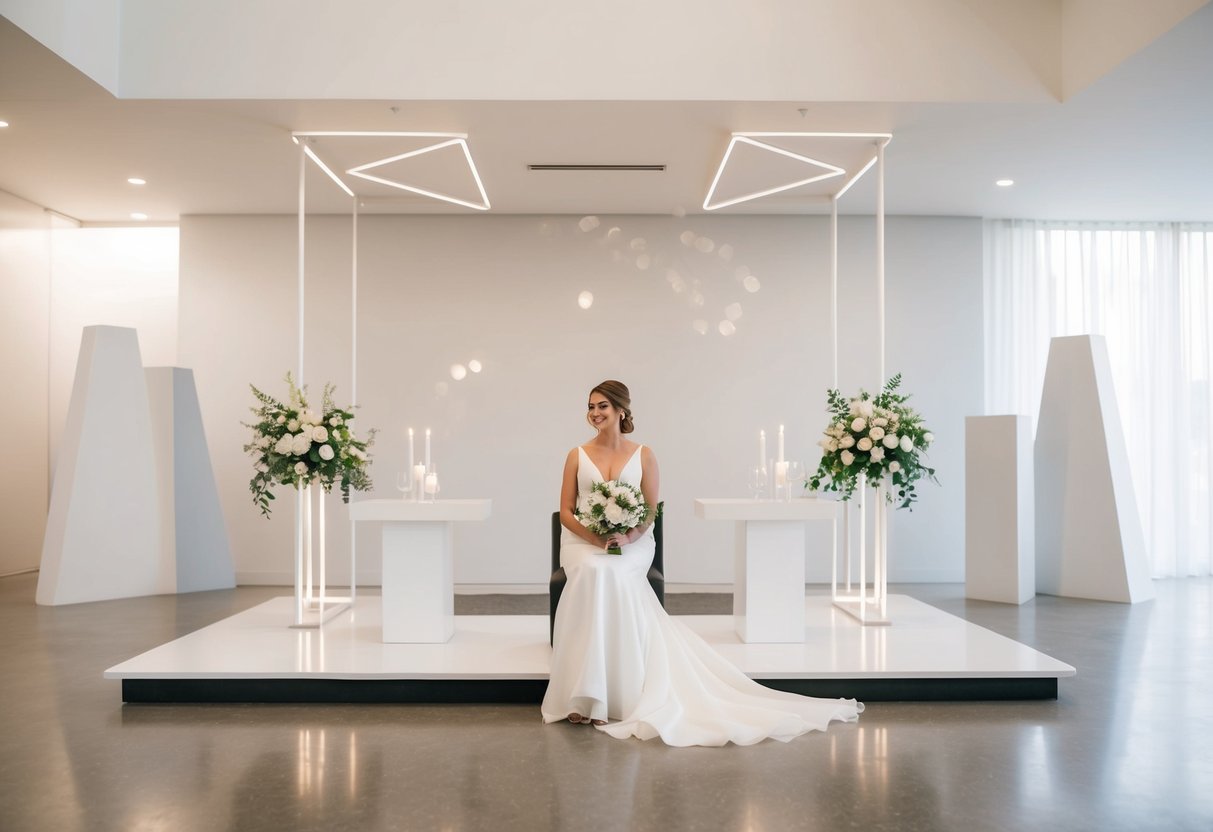
Today, couples often reshape wedding traditions based on personal preferences and contemporary styles. The choice of where the bride and groom stand, as well as the placement of family and friends, can add a personal touch to the ceremony.
Personal Preferences in Modern Ceremonies
In modern weddings, many couples choose where they want to stand based on their comfort and preference.
You may want to decide together if the bride should be on the left or if it feels more natural the other way around.
Some people keep the tradition of the groom standing on the right. This can symbolize his protective role.
Other couples might mix it up or turn everything around to reflect their unique love story. For some, the experience takes precedence over tradition.
Contemporary Altar Placements
Modern altar placements can vary greatly. In some cases, the bride’s family sits on the left side of the aisle. Meanwhile, friends and the groom’s family occupy the right. This arrangement highlights the tradition of love and unity.
In different layouts, such as a circular setting, the traditional left and right may not apply. Wedding officiants often adapt to these changes. They create a personalized experience for everyone involved.
Feel free to explore options like a head table where both families can mingle. This reinforces bonds and showcases unity during your special day.