
Did Kate Middleton Say Obey in Her Vows? Exploring Royal Wedding Traditions
When Kate Middleton exchanged vows with Prince William on April 29, 2011, she made a choice that caught many people’s attention. She chose not to include the word “obey” in her wedding vows. This decision mirrors what her late mother-in-law, Princess Diana, had done in her own vows. This act was more than a personal preference; it signaled a shift in the traditional expectations of royal marriages.
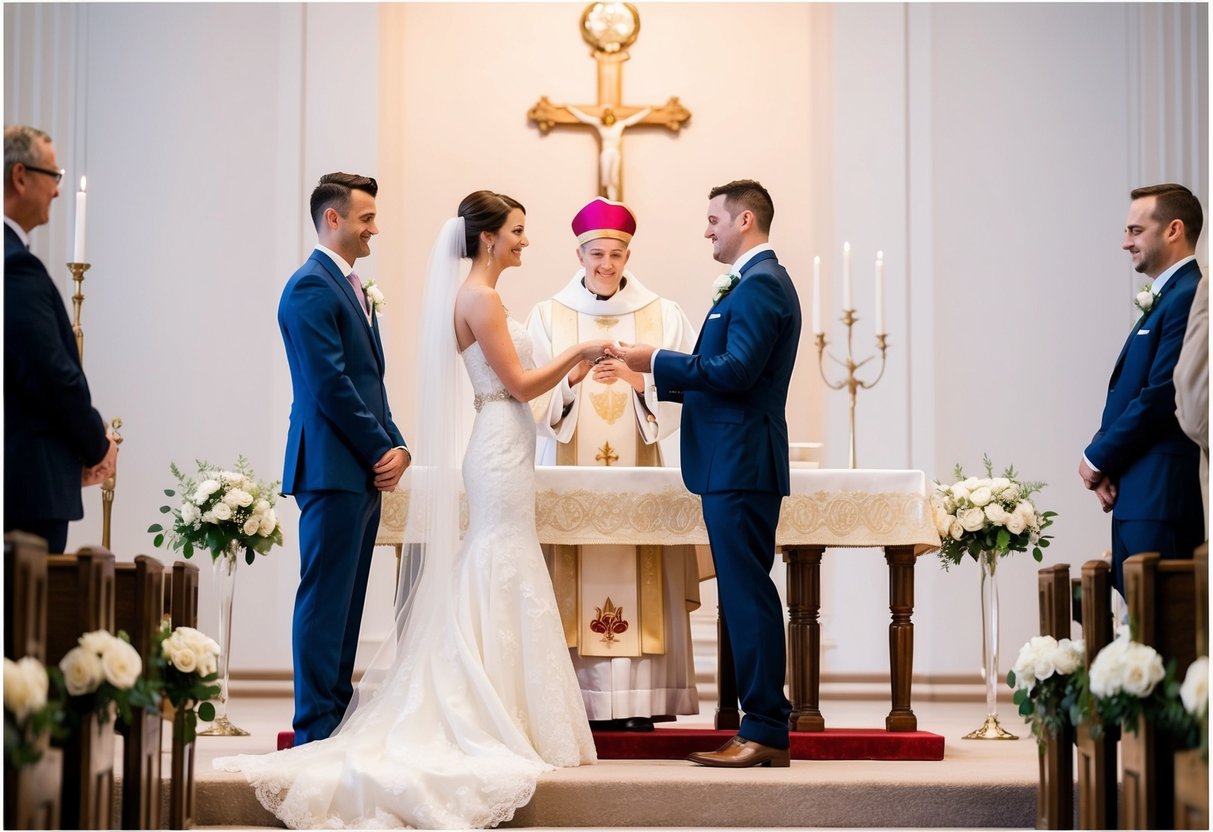
Your curiosity about the choices made during royal weddings is completely understandable. Kate’s omission of “obey” not only showcased her desire for equality in her relationship but also reflected changing views on marriage among modern royals.
As you explore this blog post, you will discover how Kate’s wedding vows have become a symbol of empowerment and a step toward more contemporary customs in royal ceremonies.
This topic invites you to consider the significance of the vows exchanged in such a high-profile marriage. Discover how this detail connects to broader themes of love, partnership, and tradition in royal history.
Historical Context of the Word ‘Obey’ in Royal Weddings
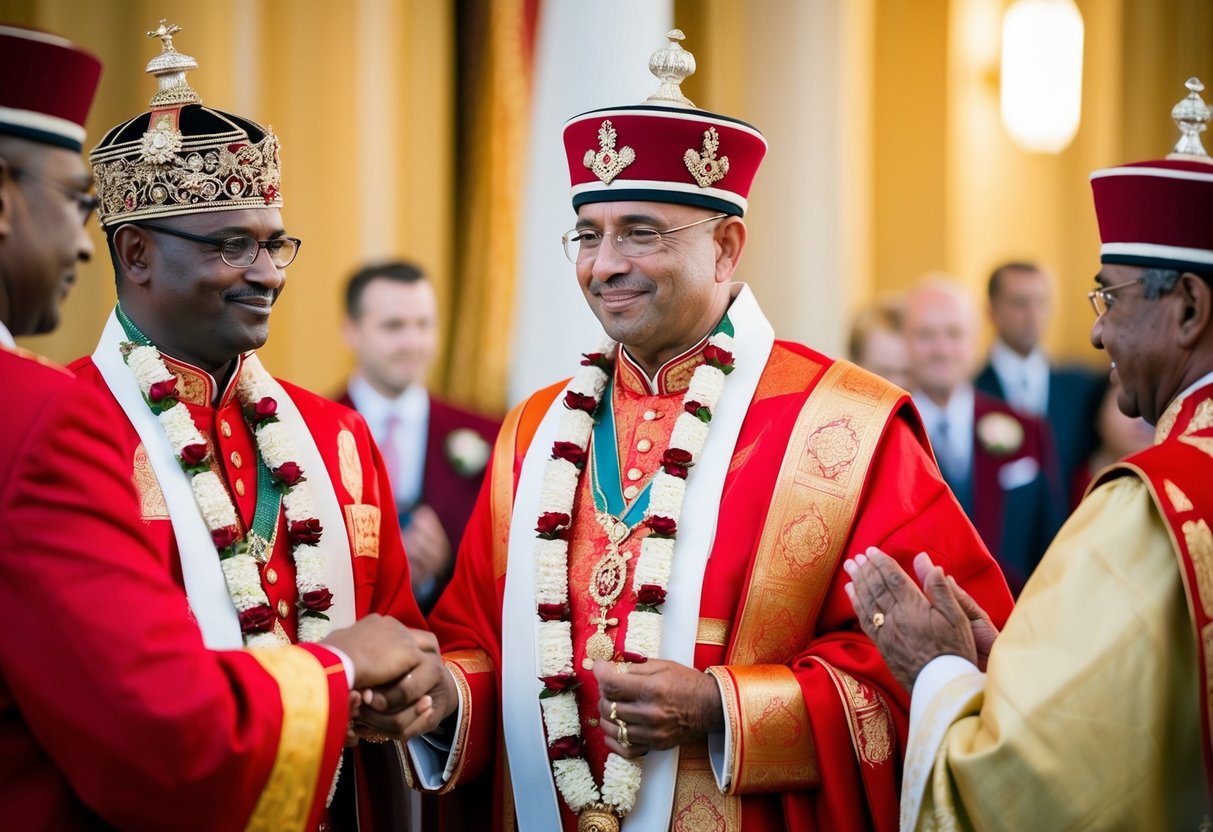
The word “obey” in wedding vows has a long history. Traditionally, it was part of many royal vows, following the Book of Common Prayer. This book shaped marriage ceremonies for the Church of England.
In the past, including “obey” showed a view of marriage where the husband had authority. This was common in royal tradition and reflected social norms of the time.
Princess Diana was a significant figure in changing this tradition. When she married Prince Charles in 1981, she chose to omit the word “obey.” This decision sparked much discussion and encouraged others to rethink their vows.
Following Diana’s lead, Kate Middleton also did not include “obey” in her vows to Prince William in 2011. Diana’s choice influenced many, including Sarah Ferguson, the Duchess of York, who also made a similar choice.
Today, you will often find that modern royal vows focus on love, respect, and partnership, moving away from the concept of obedience. This shift reflects changing views on marriage and equality, especially within royal families. In recent times, the emphasis is on mutual support rather than traditional roles.
Understanding this context can help you appreciate how wedding vows have evolved in royal weddings.
The Significance of Vows in Royal Marriages
Marriage vows hold deep meaning in royal ceremonies. When you see a royal wedding, you witness a blend of tradition and personal commitment.
These vows are not just words; they symbolize the values of love, honor, and support.
In places like Westminster Abbey, royal couples promise to cherish and comfort each other. They commit to “honor and keep” one another through all of life’s challenges. These promises reflect a deep bond that extends beyond personal feelings, connecting the couple to the traditions of the Royal Family.
The vows can also be influenced by royal protocol. Many royals, like Kate Middleton, choose to change specific phrases, making the vows more personal. By omitting the word “obey,” they can express equality in marriage, showcasing a modern view while still respecting their heritage.
You’ll often hear vows that emphasize companionship and loyalty. Words like “love” and “cherish” highlight the emotional aspect of the union. This focus on mutual respect and support is vital in maintaining a strong partnership.
Royal marriages are often watched closely, and the vows set a standard for many couples. They remind you that commitment is more than a legal formality; it’s a heartfelt promise to stand by each other through life.
Kate Middleton’s Vow Choices and Modern Royal Brides
When you think of royal weddings, traditions often come to mind. One key tradition is the inclusion of the word “obey” in wedding vows. However, Kate Middleton, the Princess of Wales, chose to omit this word during her vows to Prince William.
By dropping the word “obey,” Kate followed in the footsteps of other modern royal brides. For instance, Princess Diana made the same choice in 1981. This change reflects a shift toward more equal partnerships in marriage.
Other examples include:
- Meghan Markle: Also omitted “obey” in her vows when she married Prince Harry.
- Sophie Rhys-Jones: As the Duchess of Edinburgh, she opted for a similar choice.
Royal brides today are embracing modern values. This trend shows a desire for equality and respect within marriages. It allows you to see how traditions can change over time while still celebrating love.
Cultural Impact and Media Representation
Kate Middleton’s choice to omit the word “obey” from her wedding vows had a significant cultural impact. It sparked discussions on modern relationships and equality. This choice mirrors a shift in public perception regarding traditional marriage customs.
Royal correspondents and media outlets shared various viewpoints on this decision. Many praised Kate for taking a stand, aligning with growing movements against domestic violence and promoting equality within marriages.
On her wedding day, Kate wore a stunning Alexander McQueen gown designed by Sarah Burton. This beautiful dress not only captured attention but also symbolized her modern approach to royal life.
As the Duchess of Edinburgh, she has become a role model for many women. The way she balanced tradition with contemporary values resonated particularly during her wedding anniversary celebrations.
Media representation played a crucial role in shaping public perception. Coverage of her vows highlighted the evolving nature of marriage in royal circles. This shift reflects changing values and encourages conversations about equality in society.
By choosing not to say “obey,” Kate Middleton helped redefine what it means to be a royal in today’s world. Her decision inspires others to consider how language and tradition impact relationships directly.