
Does the Bride Always Stand on the Left? Exploring Wedding Traditions and Meanings
Many people wonder about the age-old tradition of where the bride stands during the wedding ceremony. Traditionally, the bride stands on the left side of the altar. This practice has roots that go back to medieval times, reflecting customs that have evolved over centuries.
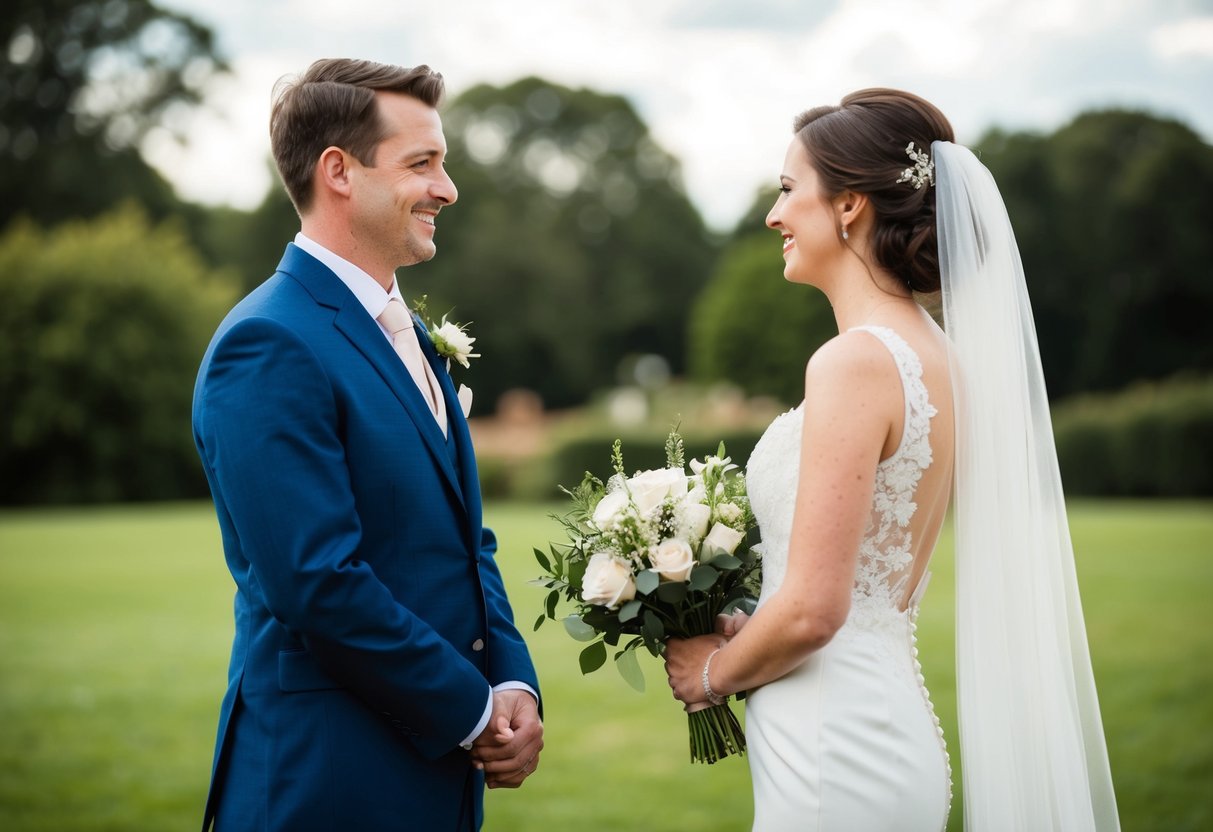
You might be curious about why this is the case. Standing on the left allows the groom to keep his bride close to his heart, symbolically protecting her should any danger arise. Understanding these wedding traditions can deepen your appreciation for the ceremony itself and the meanings behind each detail.
As you explore this topic, you’ll find that while many cultures follow this practice, it isn’t a strict rule for every wedding. Different customs may place the bride in various positions based on cultural or religious practices. Whether you’re planning your own wedding or just interested in traditions, this discussion will offer valuable insights.
The Origins of Wedding Positions

The positioning of brides and grooms during wedding ceremonies has deep historical roots. These customs have evolved over time and have various meanings tied to protection, tradition, and societal roles.
Historical Perspectives
In the Middle Ages, wedding positions were more than just traditions; they reflected societal norms. The bride traditionally stood on the left side of the groom. This arrangement symbolized her role as a beloved partner while allowing the groom to protect her. It showed a commitment to safeguard her during the ceremony and the years to come.
These customs vary globally. In many cultures, the idea of protection plays a crucial role. Rituals could include safeguarding the bride in different ways, reinforcing the significance of her position during the ceremony.
Marriage by Capture
The concept of “marriage by capture” links to ancient practices where women were literally taken by their grooms. During these times, the bride stood on the left so the groom’s right hand would be free to defend her, if necessary.
This historical viewpoint might seem outdated, but it set the foundation for many modern wedding practices. Even today, the idea of a groom protecting his bride remains prevalent in ceremonies, echoing that historical need for security.
Role of Chivalry
Chivalry greatly influenced wedding positions as we know them today. In medieval Europe, knights were expected to protect the weak, which included women. As weddings took place, arrangements reflected these values.
The groom’s position on the right allowed him to shield his bride from any potential threats. This practice emphasized bravery and loyalty, forming the basis of modern romantic ideals.
Even now, many couples incorporate elements of chivalry into their vows and ceremonies, celebrating the protective and supportive roles they promise to uphold in their marriage.
Cultural and Religious Influences
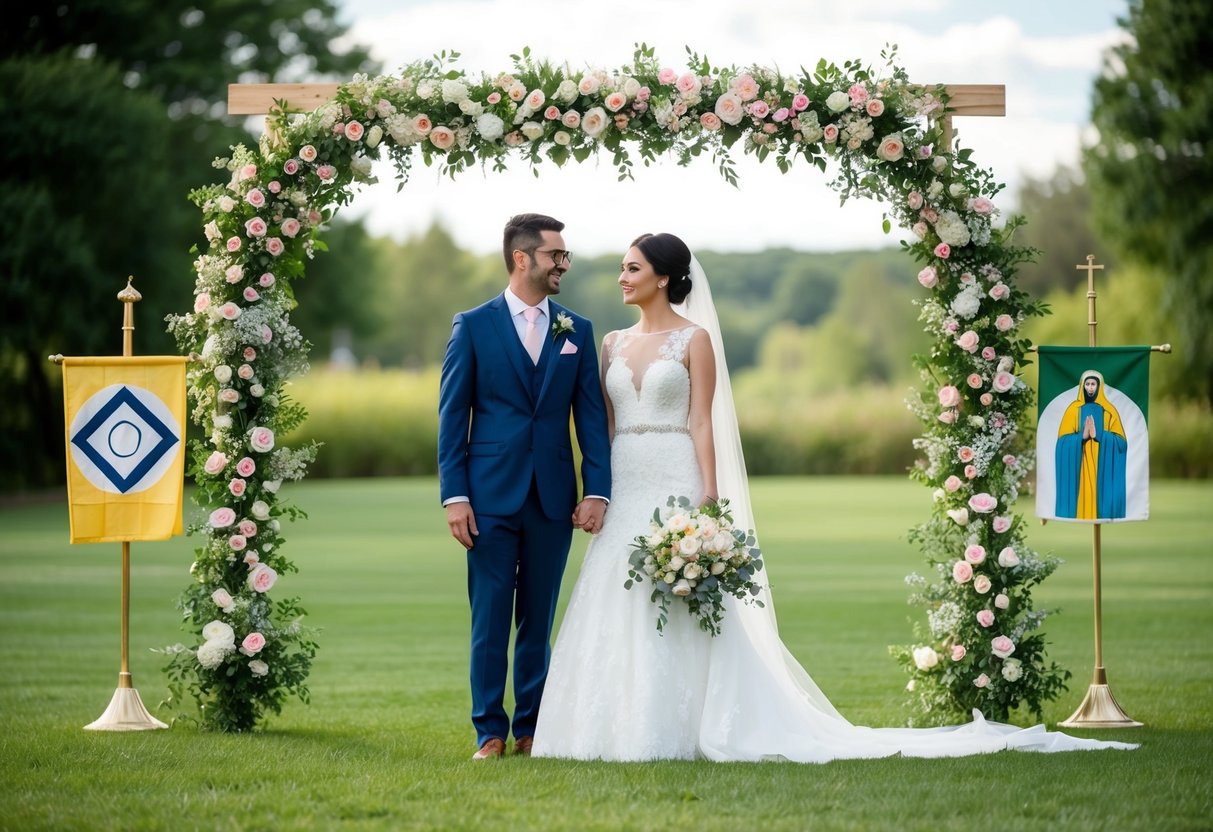
The way couples stand during ceremonies can vary based on cultural and religious traditions. These practices often dictate whether the bride stands on the left and can hold significant meaning.
Christian Ceremony Traditions
In traditional Christian weddings, the bride typically stands on the left side of the altar. This position is significant as it allows the groom to keep his right hand free. Why is that important? Historically, this position symbolizes the groom’s ability to protect the bride, as the heart is on the left side of the body.
Many Christian denominations follow this custom. In Catholic ceremonies, for instance, the bride stands to the left, emphasizing her role and relation to the groom. The practice originates from the Middle Ages when the groom needed to defend his bride from potential threats.
Jewish Wedding Practices
Jewish wedding ceremonies often differ from Christian traditions. Here, the bride usually stands on the right side, while the groom is positioned on the left. This arrangement is believed to symbolize that the groom is close to the heart of his bride.
During the ceremony, which occurs under a chuppah, the couple faces each other rather than the guests. This encourages intimacy and connection throughout the ceremony.
The reversal of roles highlights cultural values unique to Jewish traditions while still conveying protection and love.
Hindu Wedding Rituals
In Hindu weddings, the customs around standing positions are quite distinct. The bride does not always stand on one specific side. Instead, she may be placed next to the groom during rituals, reflecting equality.
During the ceremony, there are several important rituals, such as Saptapadi, where the couple takes seven steps together. Each step represents a vow and encourages unity.
Additionally, family plays a crucial role, and seating arrangements can also depend on familial customs. The emphasis here is on togetherness rather than strict positioning, showcasing shared values between the couple.
Modern Interpretations and Adaptations
Today’s weddings reflect personal choices and creativity. Many couples embrace new ideas about placement during ceremonies, focusing on what feels right for them. Changes can be seen across various types of ceremonies, including same-sex weddings and outdoor events.
Variations in Contemporary Ceremonies
In modern weddings, the traditional positioning often shifts. While the groom typically stands on the right, some couples choose to mix things up.
- Centering the Couple: Many couples opt for a balanced look, standing side by side at the altar.
- Symbolism Shift: The significance behind placement changes, allowing couples to represent unity and partnership equally.
You may find that couples opt for different formations, such as circular setups. This approach promotes togetherness and a sense of inclusion for all attendees.
Inclusion of Same-Sex Couples
Same-sex weddings have transformed traditional roles and expectations. In these ceremonies, the question of which side each partner stands on becomes less important than celebrating love and commitment.
- Equal Roles: Both partners often stand together, without set sides, symbolizing equality.
- Personal Preferences: Many couples choose positions based on comfort rather than tradition, making it personal.
This flexibility allows couples to define their own narratives, focusing on love rather than adhering to prior customs. You can create a memorable experience that best reflects your relationship.
Adaptations for Outdoor Weddings
Outdoor weddings present unique opportunities to adapt traditional setups. The natural environment often influences how couples choose to stand.
- Natural Backdrops: Some couples prefer to have the officiant positioned centrally, allowing a stunning view for guests.
- Comfort and Space: Settings like parks or beaches might encourage a more informal layout, fostering a relaxed atmosphere.
You may also discover that the layout promotes unity among guests and offers a beautiful visual experience. Celebrating in nature can enhance the symbolism of your commitment.
Wedding Ceremony Structure and Etiquette
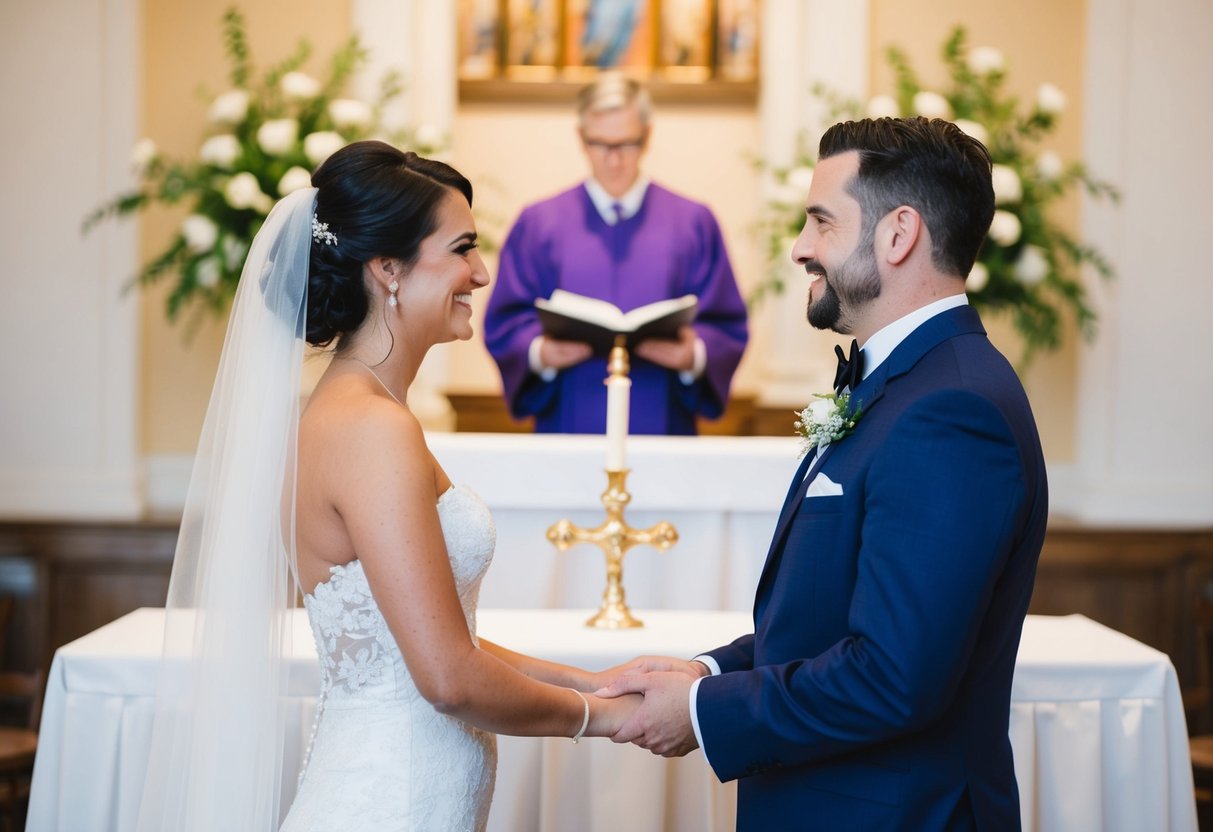
Understanding the structure and etiquette of a wedding ceremony can enhance your experience. Key elements include the order of events, seating arrangements, and the traditional positions of honor for the couple.
The Processional and Recessional
During the wedding processional, the ceremony begins with specific roles for each participant. Typically, bridesmaids walk down the aisle first, followed by the maid of honor. Your entrance as the bride often comes last, making it a moment of great anticipation.
After the vows, the recessional marks the conclusion of the ceremony. Here, you and your groom lead the way back down the aisle, followed by the bridal party. This sequence emphasizes the celebratory aspect of marriage and showcases the joy of the moment.
Seating Arrangements
Seating during the ceremony plays a significant role in tradition. Often, the bride’s family sits to the left and the groom’s family to the right. This arrangement reflects underlying connections and can symbolize unity.
Consider designating specific areas for close family and friends, which helps avoid confusion. Signage or a seating chart can guide guests effectively. Remember, this organization adds to a smooth flow during the processional and ensures that everyone has a clear understanding of where to sit.
The Position of Honor for the Bride
In many weddings, the bride traditionally stands on the left side of the altar. This custom dates back to the Middle Ages and symbolizes her connection to the groom’s heart. You will find this position enhances the visual appeal during the ceremony.
The groom stands on the right, which highlights the bond of the couple. If there are groomsmen and bridesmaids, their arrangement should complement your positioning. The position of honor for the bride reinforces her importance in the ceremony.
A simple focus on these details can create a memorable atmosphere for your wedding.