
Is 12 PM Too Early for a Wedding? Pros and Planning Tips
A 12 PM wedding is not too early if you plan a daytime celebration and give your guests a clear schedule. A noon start leaves room for lunch, photos, and an afternoon reception, while asking you and your wedding party to begin the day early.
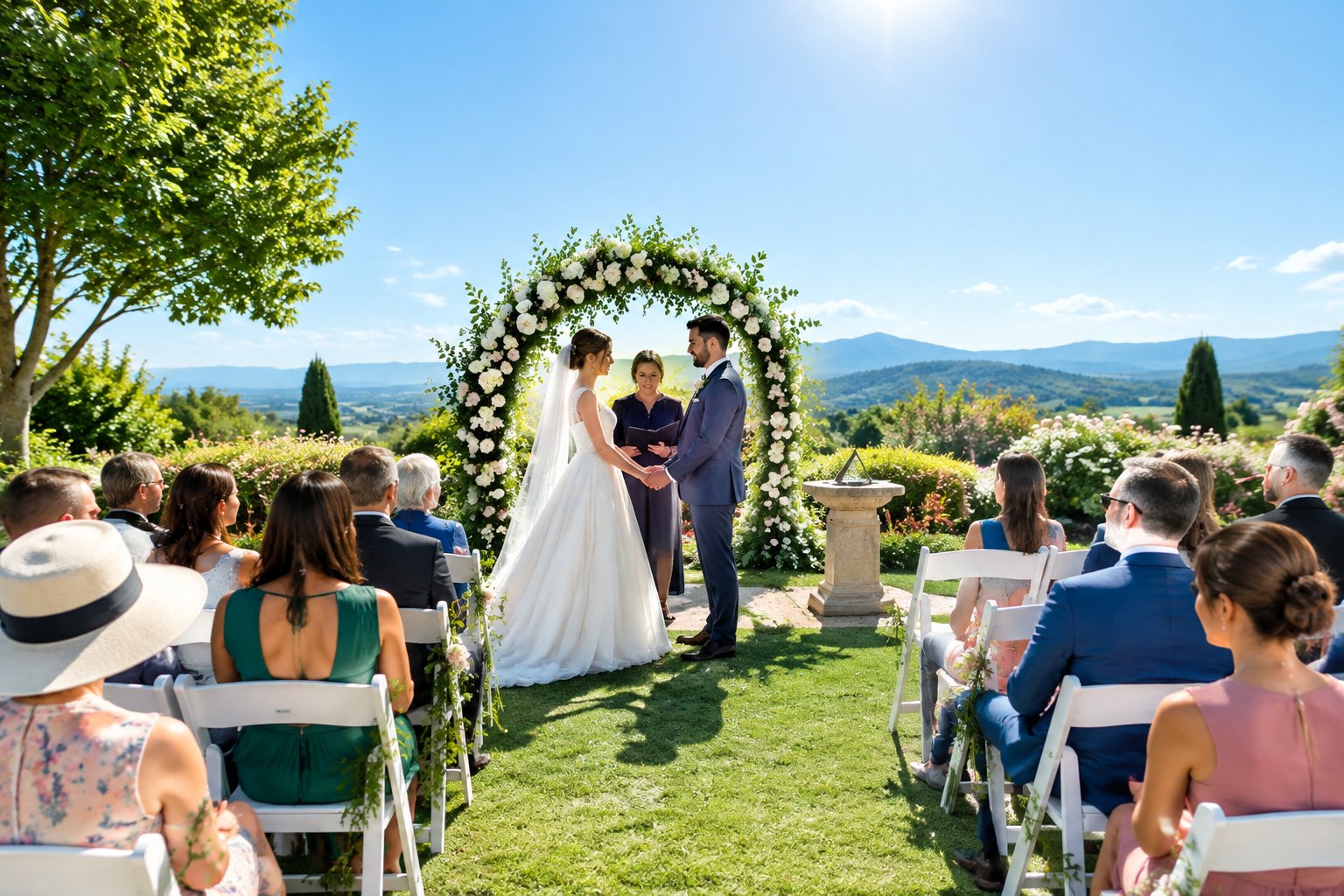
Your plans for the meal, travel, and evening will shape whether the timing feels smooth. Start by checking your venue’s access hours and the sunset time for your date, then build your schedule around those details.
When Does a Noon Start Work Best?
A noon wedding ceremony works well when you want a bright, daytime celebration with lunch or brunch afterward. It suits a shorter reception and gives you an earlier finish, while requiring an early start for getting ready.
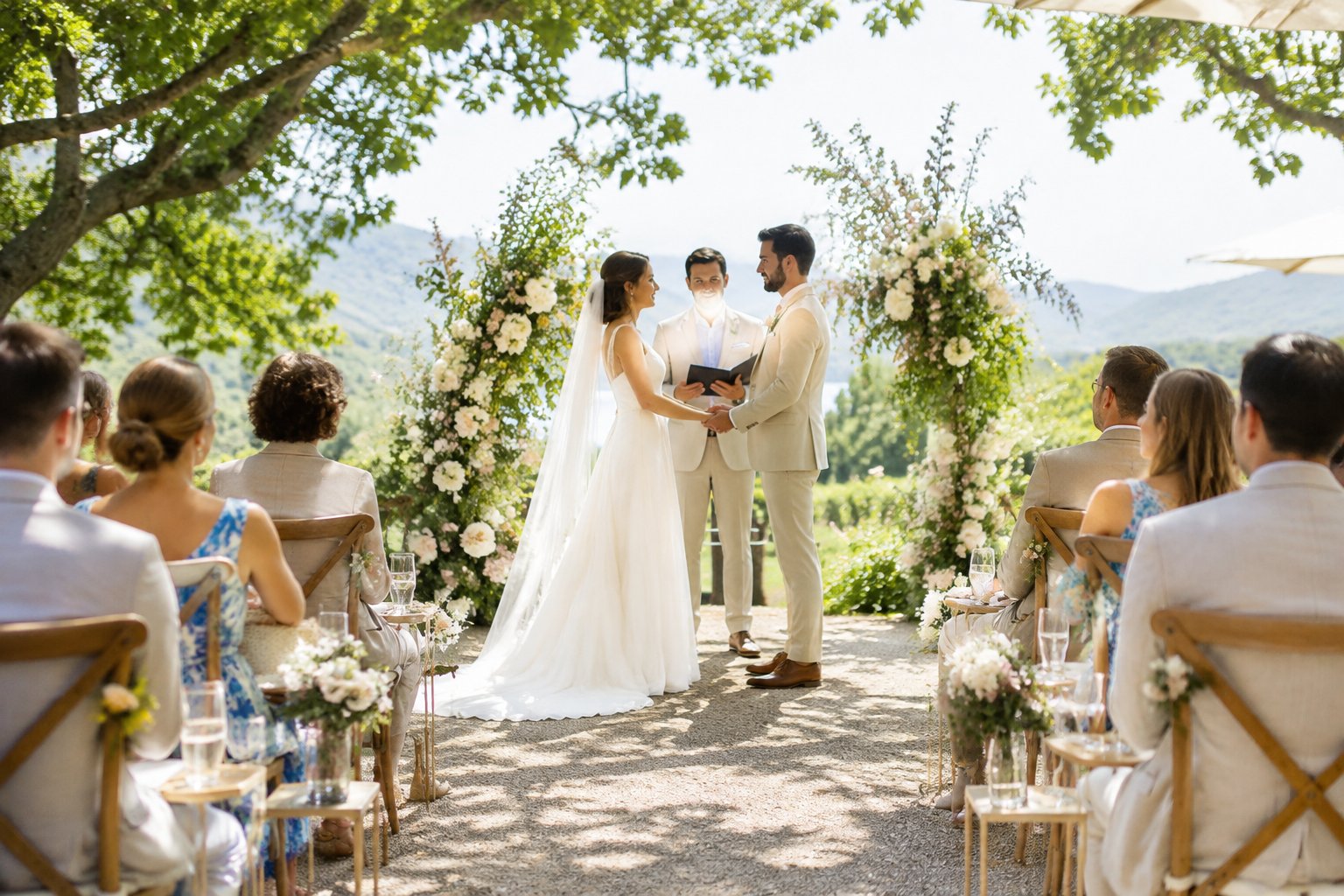
If you want a relaxed morning, plan your prep carefully and choose a reception format that fits the afternoon. Your guest list and venue schedule can help you decide whether this start time fits your day; you can compare it with other wedding start times.
What Are the Advantages of Starting at Midday?
A noon start gives you plenty of daylight for your wedding ceremony, portraits, and time with guests. You can serve brunch or lunch soon after the ceremony, then wrap up the main celebration before late evening.
That schedule can be a good fit if you have guests with children or relatives who prefer to get home earlier. You also have more flexibility to make the day feel informal.
A garden ceremony followed by a buffet lunch, for example, can create an easy flow without the late-night pace of an evening reception. If you want dancing, you still have time to include a first dance and a few hours on the floor.
What Are the Main Trade-Offs?
The biggest adjustment is the early morning. Hair, makeup, dressing, and portraits all need to happen before guests arrive, so your wedding party may need to be up well before sunrise.
Confirm vendor arrival times and venue access before you settle on a schedule. You’ll also need to plan the hours after the ceremony.
If dinner is several hours away, guests will need enough food and activities to stay comfortable. A midday start can create a long day, so decide whether your reception will end in the afternoon or continue into the evening.
What Will Guests and the Wedding Party Need?
Your guests and wedding party need clear arrival details, an early preparation plan, and dependable transportation. Share the schedule and venue logistics in advance so everyone knows when to arrive and where to go.
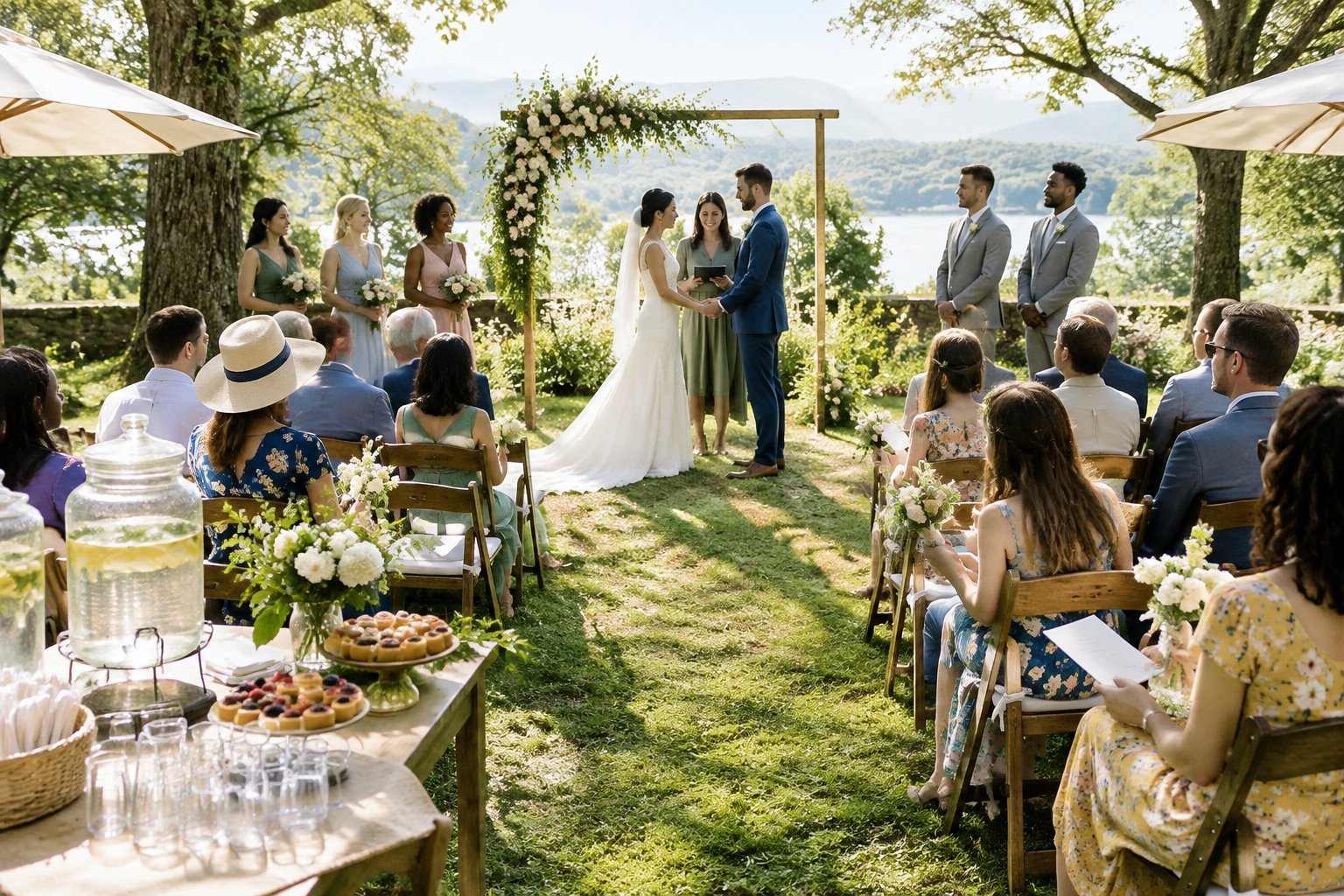
A wedding planner can coordinate vendor arrivals and keep your day moving, while a wedding car or other arranged transport can help you stay on time. Include practical details such as parking, walking distance, and the ceremony start time on your wedding website or invitation.
How Early Should Everyone Start Getting Ready?
Work backward from the ceremony time. If your ceremony begins at noon, guests may arrive around 11:30 a.m., so you’ll want hair and makeup finished early enough for dressing and any pre-ceremony portraits.
Your hair and makeup team can help set a service schedule based on the size of your group. Build in time for small delays, such as a missing accessory or a dress that needs adjusting.
Decide who is responsible for keeping the wedding party on schedule, and share the final plan with everyone. Your ready-by time should leave room for travel and any photos planned before the ceremony.
How Can You Make Arrival Easier for Guests?
Give guests an arrival time that leaves a comfortable window before the ceremony. For a noon start, asking guests to arrive by 11:30 a.m. gives them time to park, find their seats, and settle in.
If the venue has a long walk from the parking area, explain that in advance; guests can use guidance on how early to arrive at a wedding. Share a map, parking instructions, and a contact number for day-of questions if you have one.
For guests traveling between locations, provide the address for each stop and realistic travel time. If you arrange a wedding car or shuttle, tell guests where to meet and when it departs.
How Can You Build a Realistic Day Schedule?
Build your wedding day timeline backward from the noon ceremony, then add time for photos, travel, and breaks. A schedule with breathing room helps you avoid rushing through portraits or leaving guests waiting for the next event.
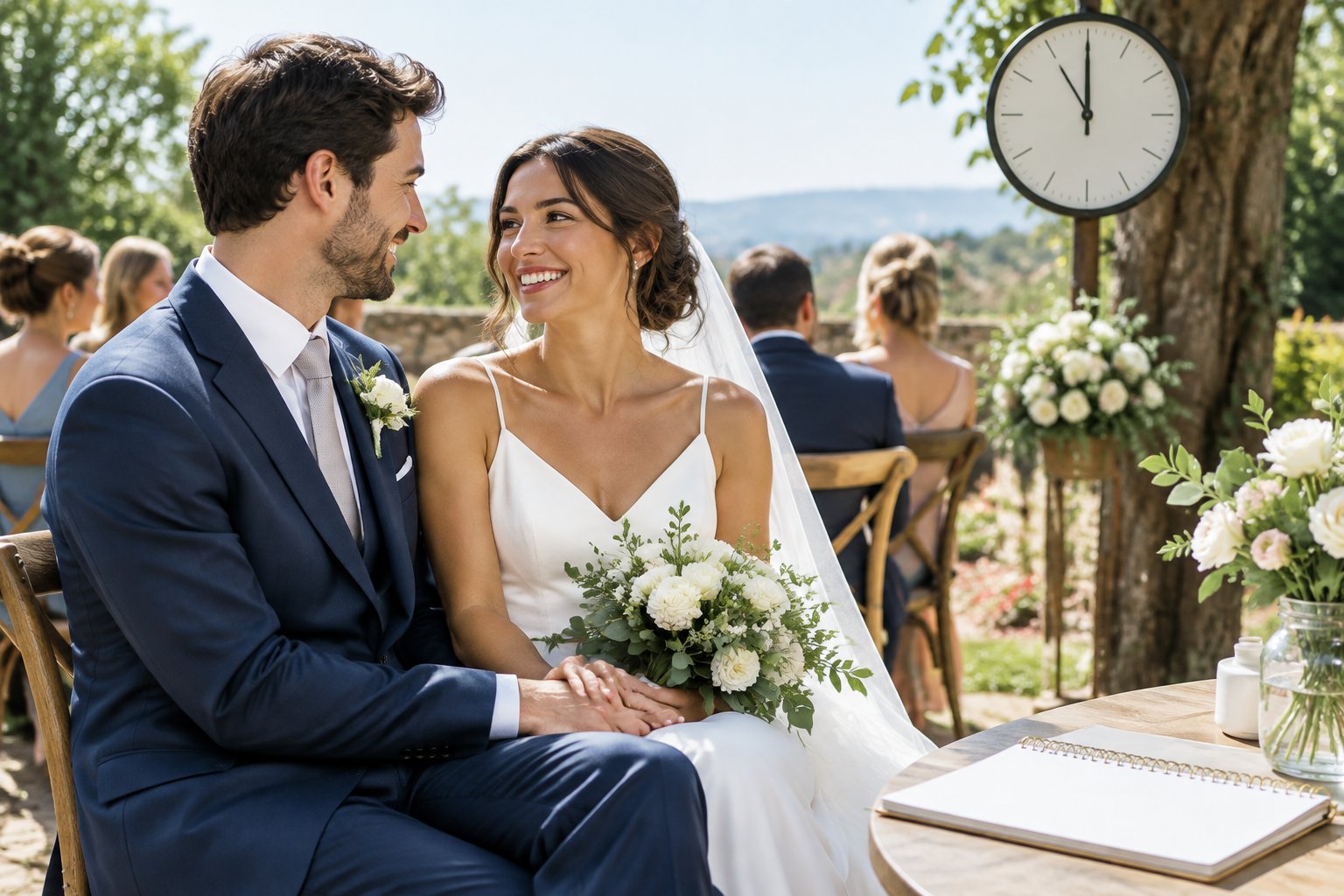
Your ceremony length, photo plan, and travel distance will shape the timing. A wedding schedule gives vendors and your wedding party a shared plan, and a wedding planner can help you account for setup and transitions.
When Should the Ceremony and Wedding Photos Happen?
For a noon ceremony, plan to finish portraits before the ceremony if you want more time with guests afterward. A first look can create space for couple and wedding party photos in the morning.
If you prefer to see each other at the ceremony, save family and couple portraits for after the vows and allow enough daylight. A short ceremony may take about 20 to 30 minutes, while a longer religious service can take closer to an hour.
Confirm the expected length with your officiant. Then ask your photographer how much time your chosen photo list requires, including time to gather family members.
How Much Time Should You Allow for Travel and Mingling?
Add travel time between venues, including time to load into a wedding car, find parking, and walk to the next location. Check the route at the time of day your guests will travel, then add a buffer for traffic or delays.
After the ceremony, give guests a clear place to gather and something to eat or drink while you take photos. A cocktail hour can work after a noon ceremony, though it may lead into lunch soon afterward.
Tell guests where to go and when the meal begins so they can plan their time.
How Should the Meal and Evening Plans Fit Together?
Match your wedding breakfast, meaning the main reception meal, to the time guests will be ready to eat. A noon ceremony calls for a prompt brunch or lunch, while an evening reception needs a clear plan for dinner and dancing.
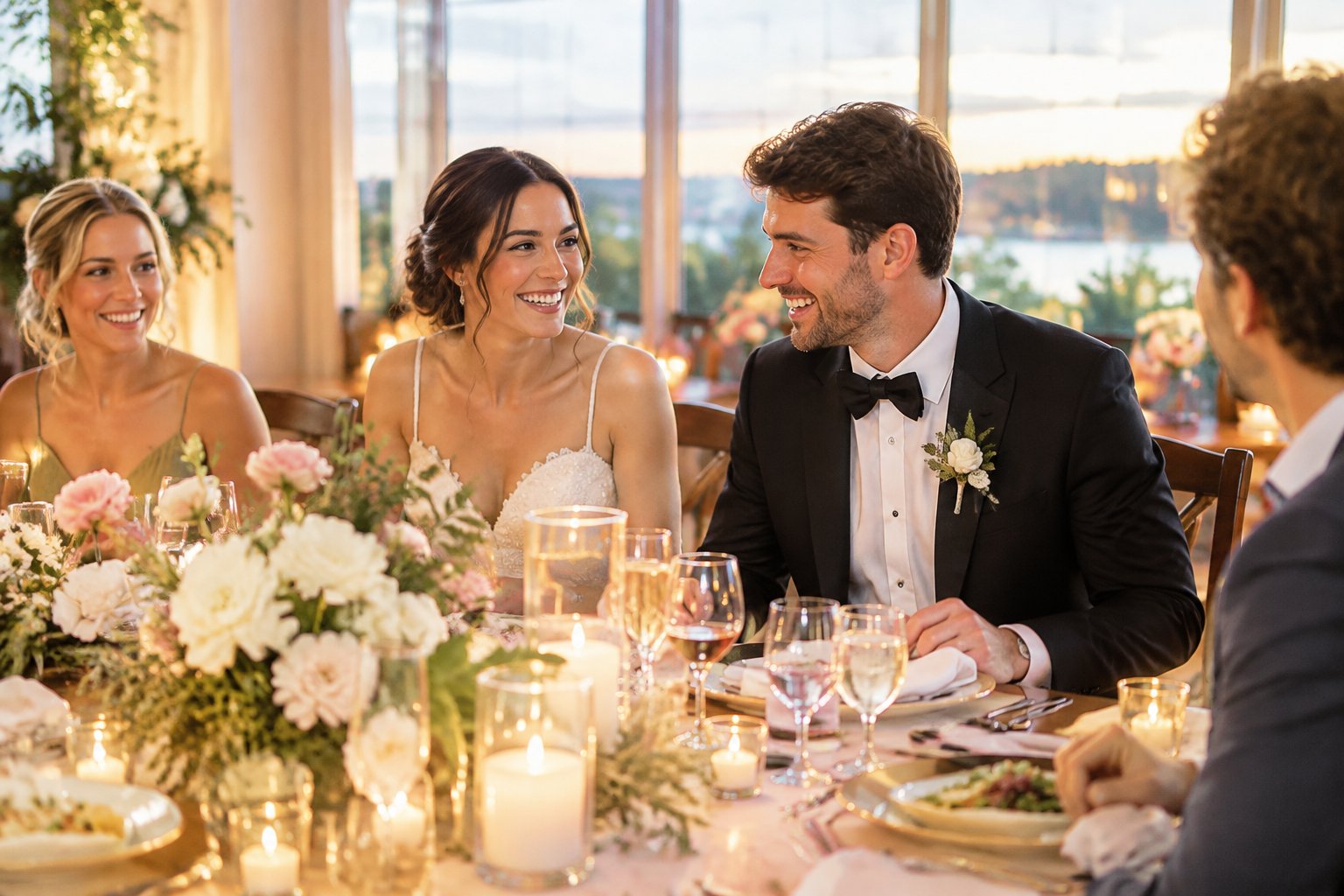
The meal schedule also affects how long guests stay and when you plan the first dance. If you’re considering dinner later in the day, use a guide to wedding dinner timing to set a realistic meal time.
When Should You Serve the Wedding Breakfast?
Serve the meal soon after the ceremony if you’re planning a daytime reception. For a noon start, a ceremony lasting about 30 minutes could be followed by drinks and mingling, then lunch around 1:30 p.m.
Adjust the timing to fit your ceremony length and photo plans. A brunch menu works well for an earlier meal, while lunch gives you options such as salads, sandwiches, or a buffet.
Tell guests when food will be served, especially if they have a long drive or are attending with children. If you’re hosting a later dinner, provide substantial snacks during the gap.
How Can You Keep Guests Engaged Through the Evening Reception?
Give guests a clear rhythm of events if your celebration continues into the evening. After dinner, you might schedule toasts, the first dance, and open dancing, with breaks for conversation and dessert.
A dinner-length plan can help you leave enough room for those moments. If there’s a long break between lunch and evening festivities, include planned activities or offer a chance to rest.
Let guests know whether they can leave and return, and share nearby options if the venue has a gap in programming. For a reception that runs late, plan an evening snack and make transportation options easy to find.
Which Practical Details Could Change Your Start Time?
Season, daylight, venue rules, and ceremony format can all affect whether noon is the right start time. Check these details before you confirm the time on your invitations.
How Do Season and Daylight Affect the Schedule?
A winter wedding may need an earlier photo schedule because daylight fades sooner. Check sunset for your date and location, then plan outdoor portraits around the available light.
In summer, strong midday sun and heat can make an outdoor ceremony uncomfortable, so consider shade, water, and a backup indoor space. Your venue may also set limits on when vendors can enter or when music must end.
Confirm those hours before you book transportation or set the reception schedule. If daylight is short, arrange key portraits before the ceremony.
Does a Civil Ceremony Need a Different Timeline?
A civil ceremony can be brief, which leaves more time for lunch and the reception after a noon start. Confirm the ceremony length and arrival requirements with your officiant or venue, since paperwork and check-in may affect the schedule.
If your civil ceremony and reception happen at separate locations, include travel and parking time in your plan. A wedding planner can coordinate the handoff between venues and vendors. Once the details are confirmed, share the ceremony time, guest arrival time, and travel instructions with everyone who needs them.