
Is 200 Guests a Big Wedding? Size, Cost, and Planning
If you’re asking “Is 200 guests a big wedding?”, yes: a 200-person wedding is considered large by most U.S. planning benchmarks. It brings a lively crowd and calls for a venue, schedule, and budget planned around a high guest count.
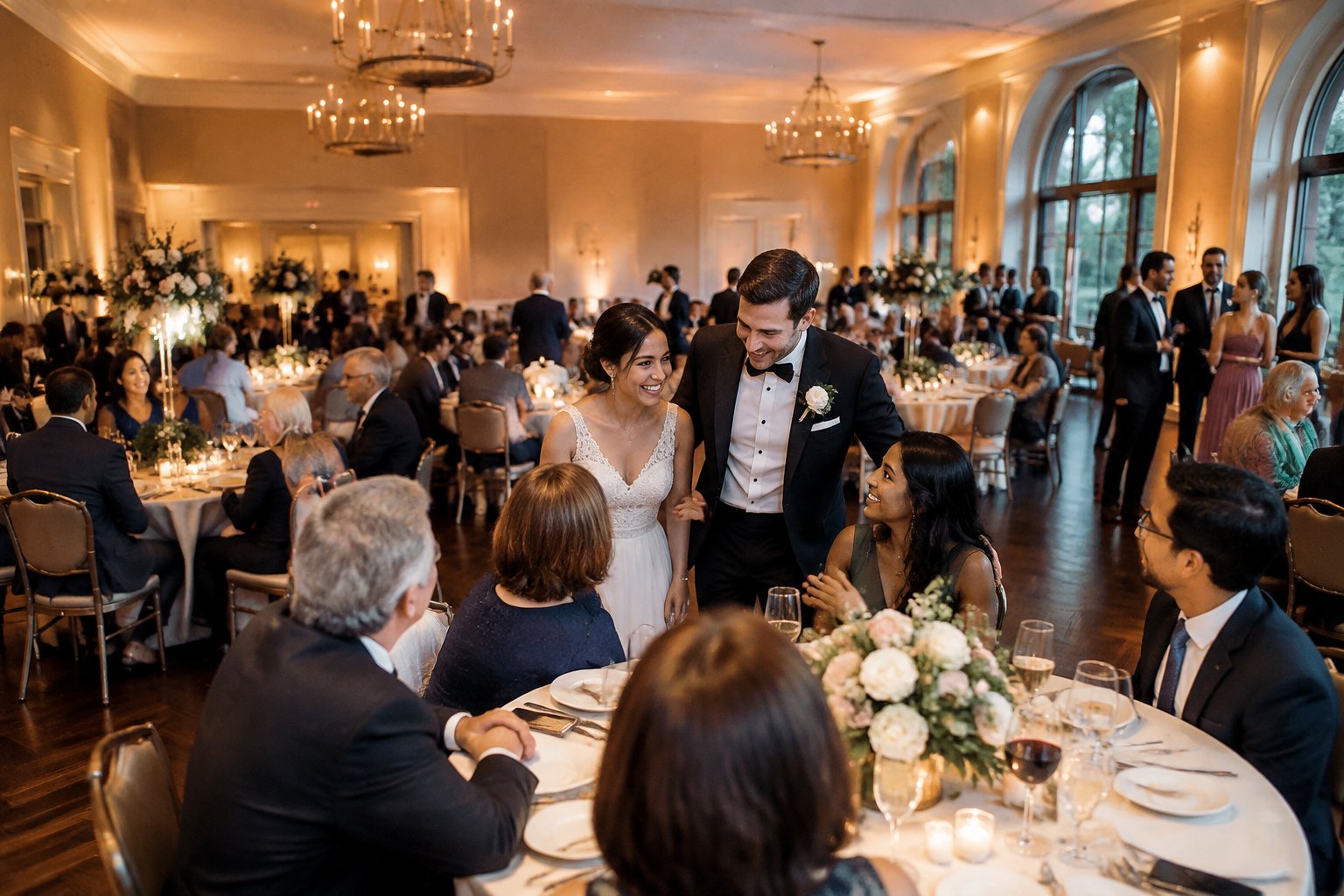
Your own family and social circle shape how that number feels. Start by listing the people you most want beside you, then set a spending limit before you book a venue or send invitations.
Where 200 Guests Falls on the Wedding-Size Scale
A 200-person celebration falls into the large wedding range, though the labels vary among couples, venues, and regions. Recent U.S. estimates place the average wedding size near 117 guests, so 200 is well above that benchmark.
How Are Small, Medium, and Large Weddings Usually Defined?
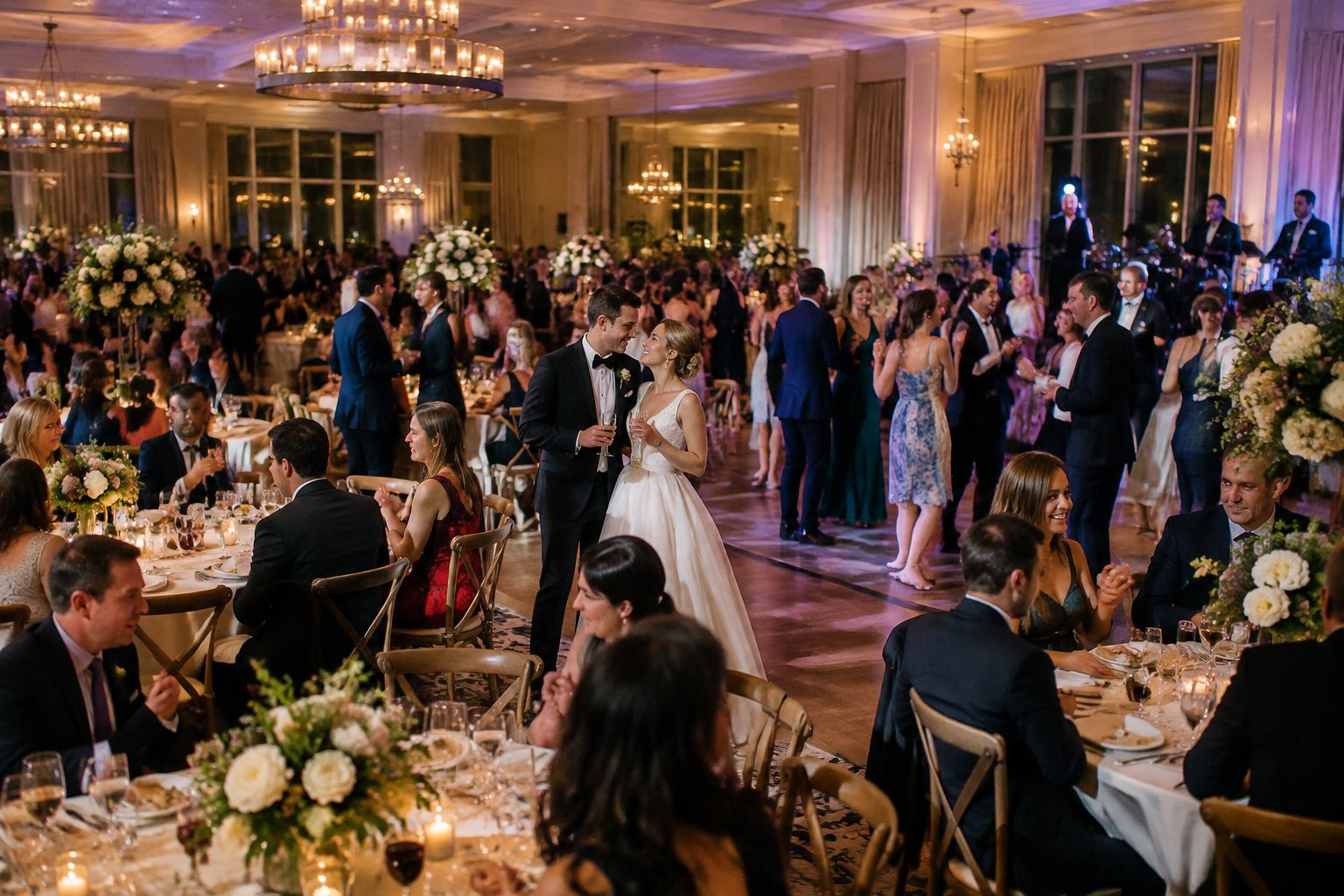
A common planning guide places small weddings at up to about 75 guests, medium weddings around 75 to 150, and large weddings above 150. These ranges are guidelines, not fixed rules, so a 100-person event might feel large to one couple and modest to another.
Your location and social circle affect the way you experience the count. A 200-person guest list can feel familiar if you have a large extended family, while the same number may feel expansive if you picture a quiet celebration with only close friends. You can use common guest-count ranges for a big wedding as a starting point for your own list.
How Does 200 Compare With the Average Wedding Size?
Two hundred guests is roughly 80 more than a recent U.S. average of about 117. That difference can change the feel of the reception, the space you need, and the cost of food and drinks.
The average size of a wedding gives you useful context, but it does not define what your celebration should look like. If both families have large circles of relatives and friends, 200 may be a natural count. If your list grows through distant connections or social pressure, it is worth deciding which invitations fit your priorities.
How Do You Decide What Wedding Size Suits You?
Choose a guest count that fits the people you want to celebrate with and the experience you want to create. A clear must-invite list can help you see whether 200 guests reflects your priorities or whether an intimate wedding or elopement fits better.
Which Guests Are Essential to Your Celebration?
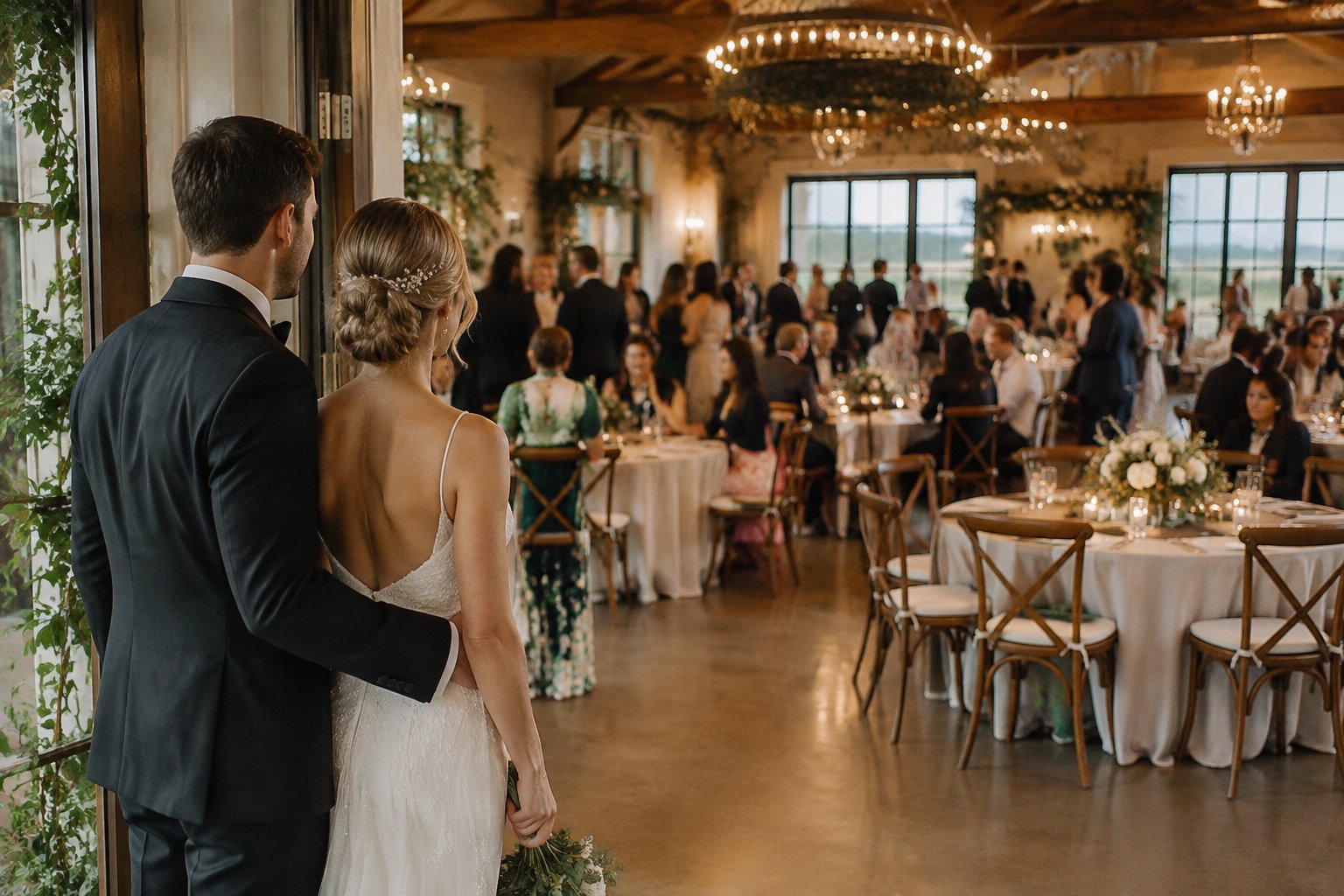
Start with the people whose presence would make the day feel complete: immediate family, close friends, and anyone who plays a meaningful role in your life. Add other guests in a second pass, such as extended family, coworkers, and family friends.
You and your partner can each make a private list before combining them. Then sort names into “must invite,” “would love to invite,” and “if the budget allows.” This gives you a calm way to talk through family requests and decide where plus-ones fit. For more help with the guest list, use these steps for deciding who to invite to a small wedding.
Would a Smaller or More Intimate Wedding Fit Your Priorities?
A smaller celebration gives you more time to talk with each guest and more room in the budget for details such as a special meal, music, or a meaningful setting. An intimate wedding can suit you if personal conversation and a relaxed pace are central to your plans. An elopement offers an even smaller gathering, often with just the couple and a handful of guests.
A larger celebration gives you room to bring more of your communities together. Think about how you want to spend the reception: greeting a large crowd, sharing the day with a close circle, or balancing both through a smaller ceremony and a larger party. If you are weighing the formats, consider whether a big or small wedding suits you.
What Does a 200-Person Wedding Mean for Your Budget?
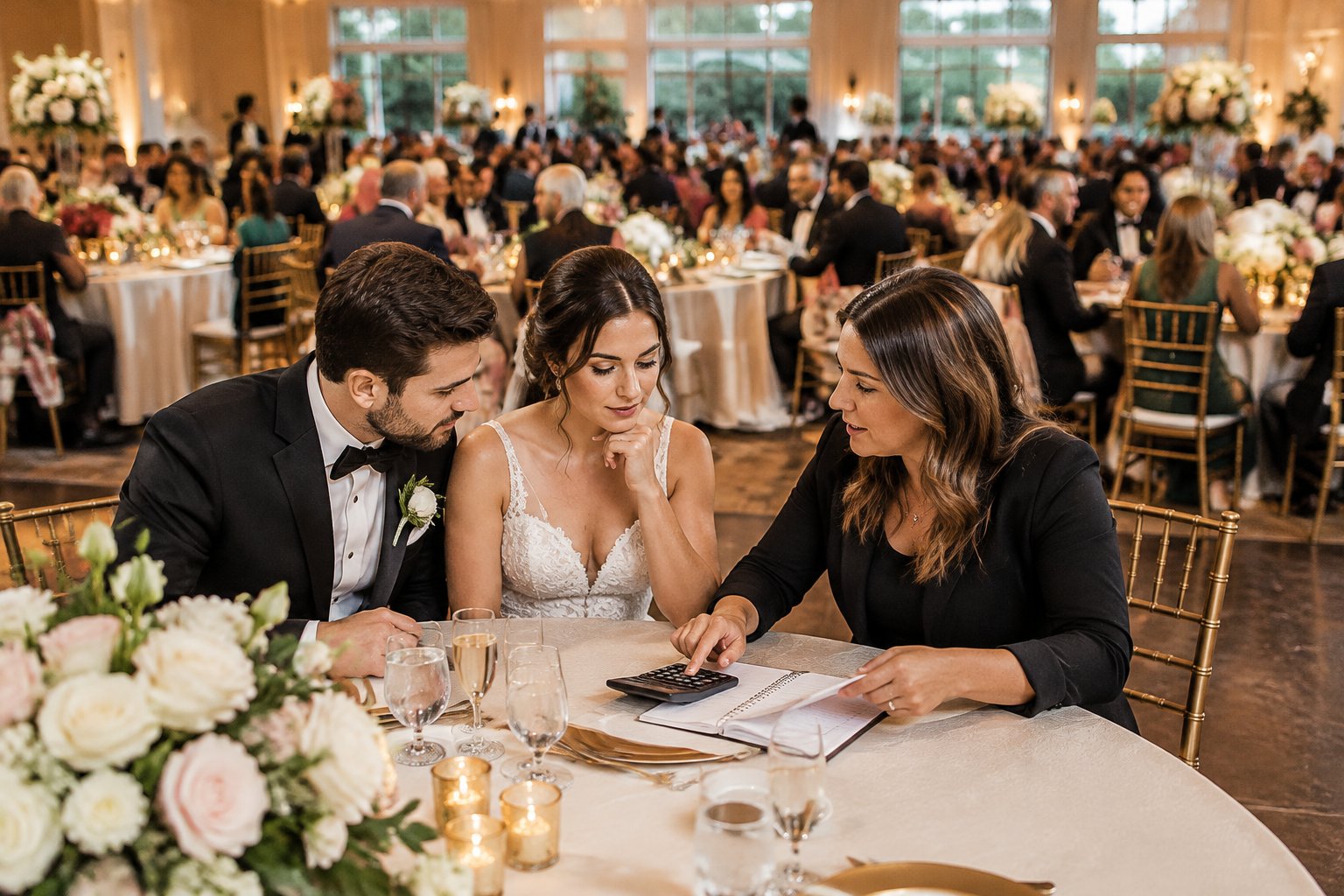
A wedding with 200 guests puts more pressure on your wedding budget because many key costs rise with attendance. Set a spending ceiling first, then estimate the per-person expenses before you settle on the final count.
Which Costs Rise as the Guest Count Grows?
Food and drinks are among the clearest per-person costs. A bigger guest list also calls for more chairs, table settings, place cards, and space for dining. Depending on your plans, you may need additional service staff, larger floral arrangements, or extra transportation.
Some expenses stay fairly steady as the guest count changes, including photography, attire, and certain entertainment fees. Build your budget with separate lines for fixed costs and guest-based costs. Then use a per-person wedding budget estimate to see how each added invitation affects the total.
How Can You Balance Guest Numbers and Wedding Spending?
Start with a realistic attendance estimate and ask vendors to price the event for that count. Your final amount depends on your location, menu, bar service, venue, and the choices you make for décor and entertainment.
If the numbers run high, consider trimming the guest list by using clear rules for plus-ones, children, coworkers, and distant acquaintances. You can also look at a weekday or off-season date, choose a simpler meal, or focus décor spending on a few visible areas. During wedding planning, keep a small reserve for late changes and service charges so your budget can absorb expected adjustments.
What Does a Venue Need to Handle 200 Guests?
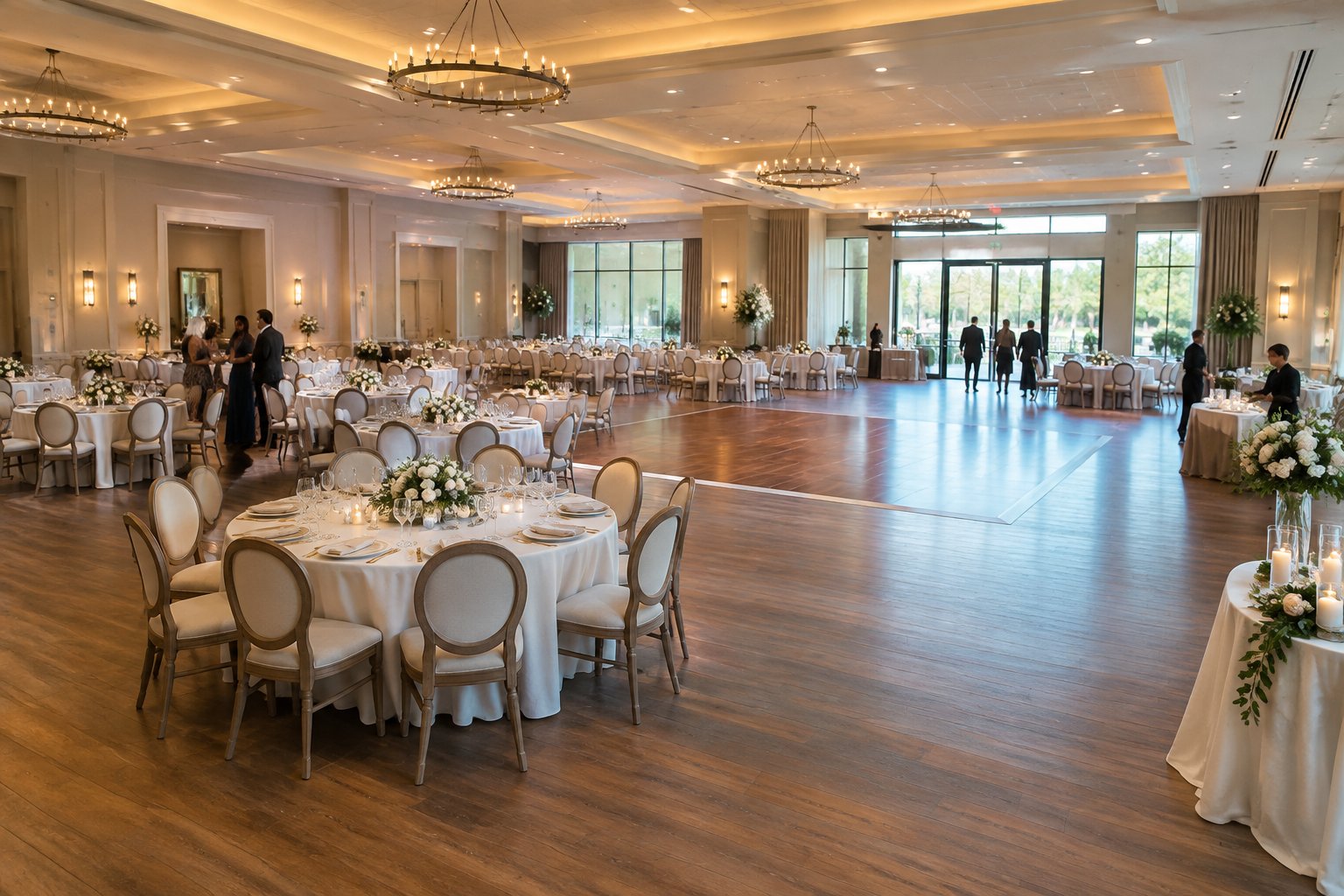
A wedding venue for 200 guests needs enough usable space for seated dining, the dance floor, staff movement, and the event features you have planned. A listed capacity alone does not show whether the room will feel comfortable with your specific layout.
How Can You Check Capacity, Layout, and Guest Comfort?
Ask the venue to show you a floor plan with the expected guest count, tables, dance floor, bar, and entertainment setup. Confirm whether its capacity refers to a seated dinner or a standing event, and ask how much room remains for guests to move between tables.
Visit in person and check practical details such as accessible routes, restrooms, parking, and heating or air conditioning. If your ceremony and reception share a room, ask how the space will be reset and where guests will wait during the changeover. A seating plan for a 200-person event can help you estimate the number of tables and see how different layouts affect the room.
When Might a Wedding Planner Be Helpful?
A wedding planner can help coordinate a large guest list, vendor schedules, seating, and the flow of the day. The support can be especially useful if you are managing family input, travel arrangements, and several vendors at once.
You can ask a planner about experience with events of a similar size and what their service includes. If you already have a venue coordinator, clarify how that person’s duties differ from a planner’s role so you know who will manage your timeline and vendor communication.
How Do Invitations and Travel Affect a 200-Guest Celebration?
With 200 guests, invitations and travel planning need clear timing and accurate household counts. Your mailing list, RSVP deadline, and travel details help guests make plans and give you better numbers for vendors.
When Should You Send Save-the-Dates and Wedding Invitations?
For a local wedding, send save-the-dates about six to eight months ahead, then mail invitations roughly six to eight weeks before the celebration. Give guests more notice when many people will travel or when your wedding date falls during a busy holiday period.
Send one invitation per household, not one for every person, and keep a record of each invited guest and their response. If you want to estimate your stationery count, review how many invitations you need for 200 guests. Set an RSVP deadline that gives your caterer and venue time to prepare final counts.
What Extra Planning Does a Destination Wedding Require?
A destination wedding asks guests to plan travel, lodging, and time away from home, so give them as much notice as possible. Send save-the-dates about eight to twelve months in advance when you can, and include travel details on your wedding website or invitation insert.
Share lodging options, transportation information, and any group booking deadlines as soon as those details are set. Your attendance estimate should account for the added travel commitment; guidance on estimating guest counts for a destination wedding can help you build a practical starting number.