
Outdoor Wedding Venues With Lodging: How to Choose
When you choose outdoor wedding venues with lodging, you bring the ceremony, celebration, and overnight stay together on one property. That setup gives you more time with guests and cuts down on travel between the wedding and nearby hotels.
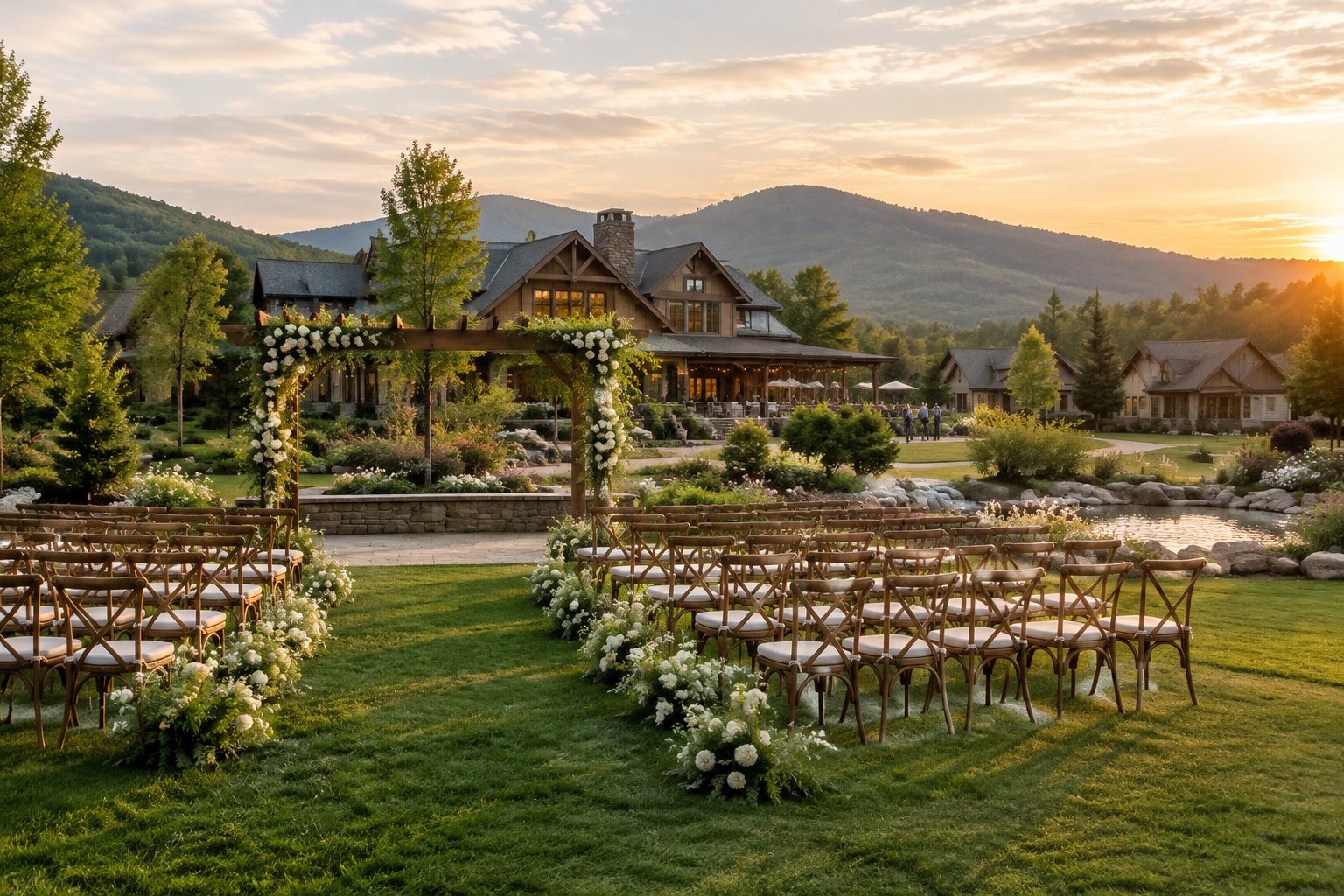
The right fit pairs enough event space with sleeping arrangements that suit your guests and budget. Before you book, check how many people can stay overnight, what the rental includes, and how the venue handles weather changes.
Start by listing your guest count, preferred dates, and must-have spaces, then use that list to compare venues and arrange tours.
How Does On-Site Lodging Shape the Wedding Weekend?
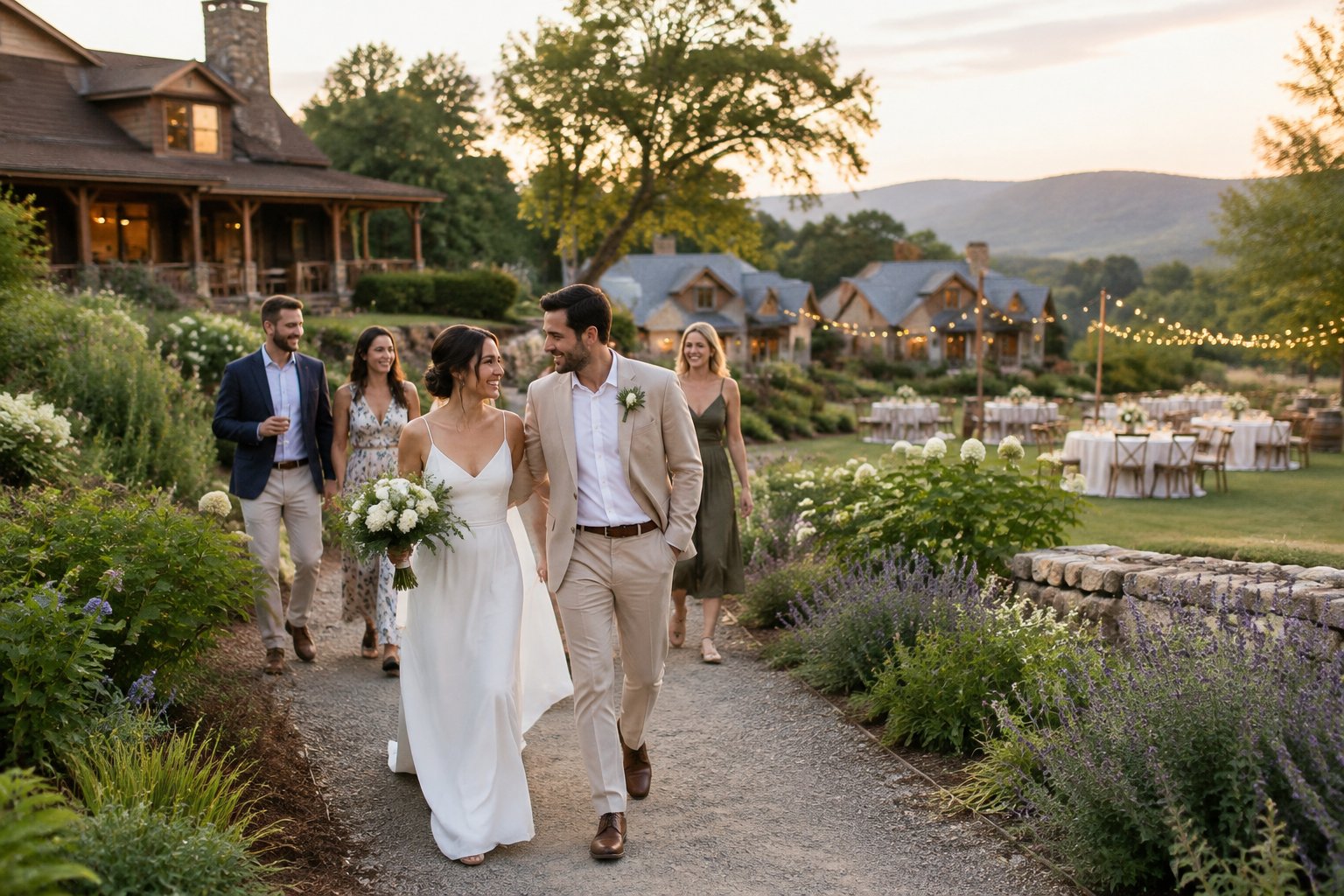
On-site lodging gives you a shared home base for the wedding weekend, with fewer travel steps between the ceremony, reception, and rooms. The property type, room count, and event schedule determine how many guests can stay and how much time you can spend together.
If you want a longer celebration, compare options for full-weekend wedding venues.
Which Types of Properties Offer Guest Accommodations?
You’ll find overnight stays at inns, hotels, resorts, lodges, farms, and private estates. Rooms may be in a main building, while cabins or cottages provide separate spaces across the grounds. Some venues offer a group of rooms for your guests; others rent the whole property to one wedding party.
Ask whether lodging is on the same grounds as your event spaces and whether the rooms are reserved for your group. A nearby partner hotel can still be convenient, though guests will need to travel between the hotel and venue.
How Many Guests Can Stay on the Property?
The number of people who can sleep on-site is often lower than the event’s maximum guest capacity. A venue may host a large reception while providing only a few rooms or cabins, so request both numbers in writing.
Ask for the number of rooms and beds, the bed setup, and any rules about shared rooms. Then decide who will have first access to the rooms, such as immediate family, the wedding party, or guests with mobility needs. Share nearby hotel options with guests who will need other accommodations.
Can You Host Events Across Multiple Days?
Many venues let you use the property for more than the wedding day, though the schedule and fees vary by contract. A Friday welcome gathering or Sunday brunch can give you extra time with guests, while a quieter arrival window lets everyone settle in.
Confirm your event access hours, setup time, and any rules for music or quiet hours. A clear wedding weekend itinerary helps guests know which gatherings are hosted and when they can relax on their own.
How Do You Match a Venue to Your Guest List?
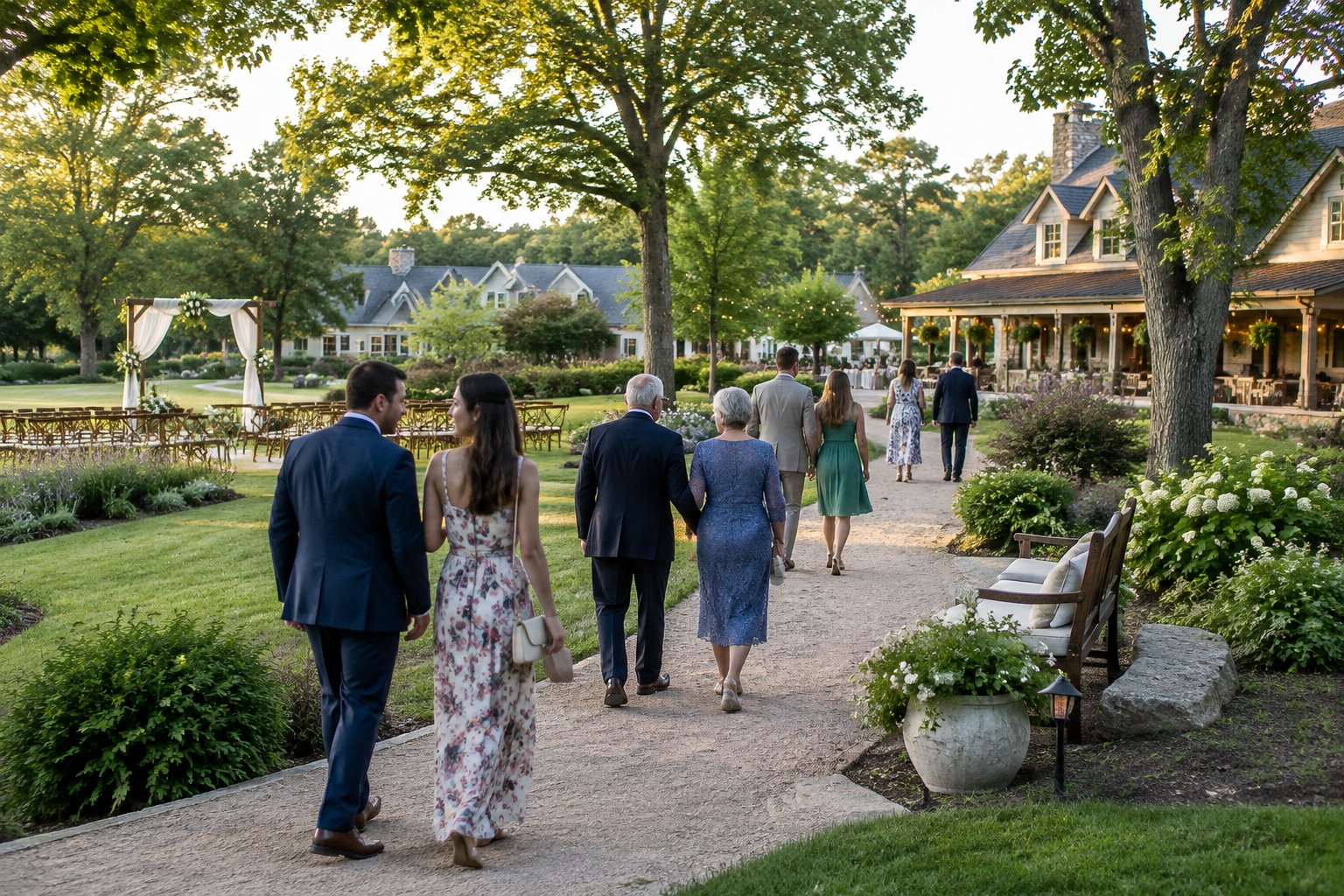
Choose a venue that fits your guest count comfortably in both the ceremony and reception layouts. A smaller celebration can feel warm and personal on a modest property, while a larger list needs room for seating, dining, dancing, and accessible paths.
Use your working guest list to set a realistic range before you tour; a guest-list planning rule of thumb can help you get started.
What Works Best for a Small or Micro Wedding?
A small wedding or micro wedding suits a property with event spaces scaled to your group. A garden, inn, or private estate can keep the gathering close-knit without leaving the ceremony area feeling empty. Look for enough room for a seated meal and a comfortable place for guests to gather between events.
Check the minimum guest count and rental terms. Some properties charge a flat rate, while others set a food or lodging minimum. A smaller guest list also gives you more room to plan shared meals or relaxed time together on the property.
How Can an Intimate Wedding Feel Special Outdoors?
An intimate wedding feels thoughtful when the layout brings guests together and the setting provides a natural focal point. A garden path, shaded lawn, or view across the grounds can shape the ceremony without extensive décor.
Ask where guests will sit and how far they’ll walk between spaces. Small details such as clear signs, comfortable chairs, and lighting along paths make the event easier to enjoy. For overnight stays near garden event spaces, browse garden wedding venues with lodging.
What Should You Consider for a Garden Wedding?
A garden wedding needs a clear plan for sun, rain, and uneven ground. Visit at the time of day you plan to hold the ceremony, and check how much shade the seating area gets.
Walk the route from lodging to the ceremony site to see whether it works for guests using canes, wheelchairs, or strollers. Ask which flowers and plants will be in bloom during your date, and whether the venue allows décor, candles, or outside rentals. Find out how the grounds are lit after dark and where guests can go indoors if the weather shifts.
How Much Does a Venue Cost—and What Is Included?
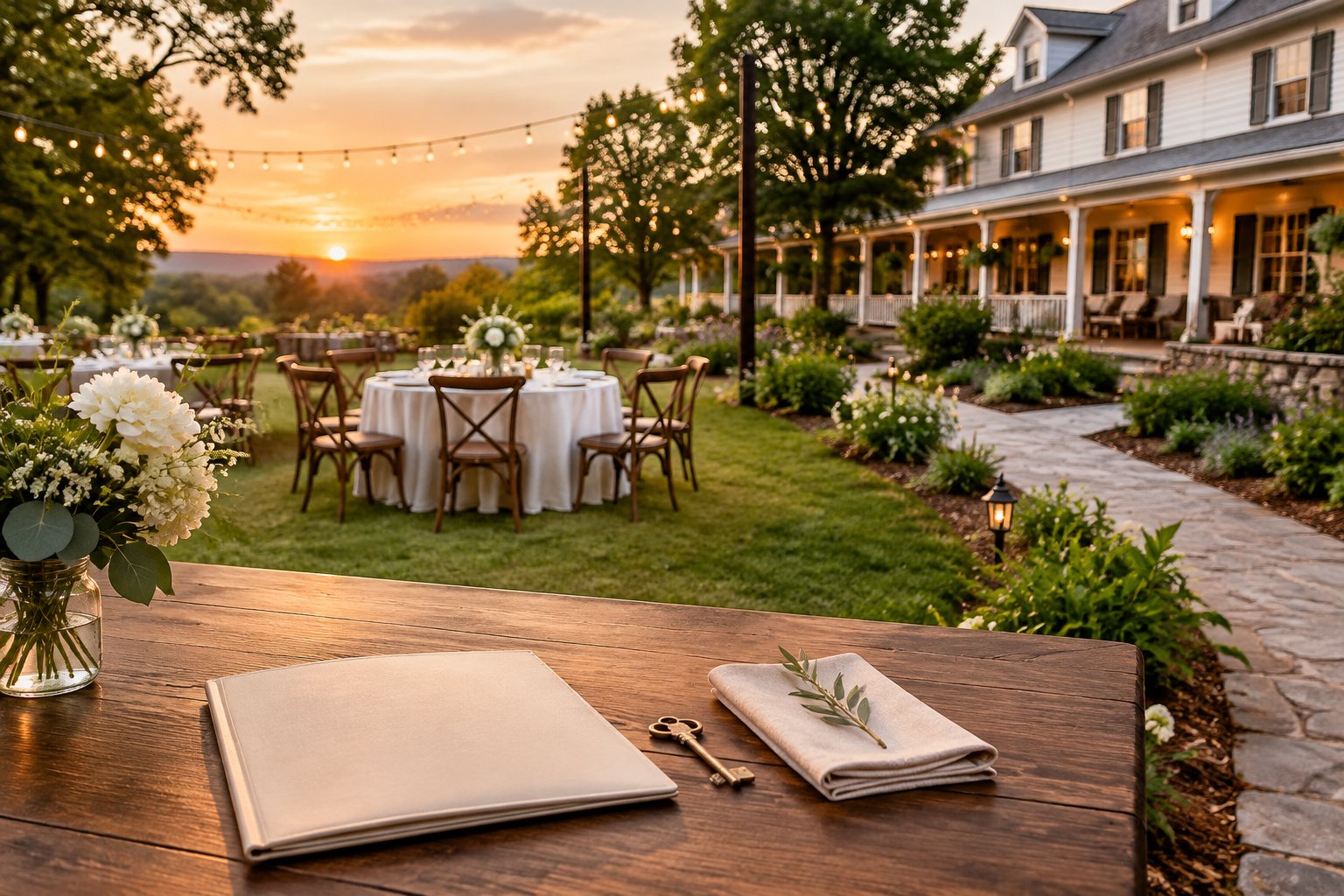
Your wedding venue cost depends on the date, guest count, lodging plan, and services included in the quote. Compare itemized estimates that cover both event use and overnight stays, then check what you’ll pay for each add-on.
For a wider price reference, see what most wedding venues cost.
Which Fees Can Affect the Final Wedding Venue Cost?
The base rental price may cover only the event space and a set number of hours. Other fees can include lodging, cleaning, security, staffing, setup, overtime, and required rentals. A weekend booking may also include extra charges for early access or an additional night.
Ask for an itemized quote that lists taxes, service charges, deposits, and payment dates. Check whether the price changes by season or day of the week, and ask what happens if your guest count changes. If you’re comparing lower-cost options, review affordable outdoor wedding venues alongside the full list of included services.
What Does an All-Inclusive Wedding Venue Usually Cover?
An all-inclusive wedding venue may bundle the event space with services such as food, staff, tables, chairs, linens, or coordination. The exact package differs by venue, so the label alone won’t tell you what’s covered.
Review the written list of inclusions and compare it with your own budget. Ask whether lodging is part of the package or priced separately. Also confirm how many guests the food and service package covers, what menu choices cost extra, and whether you can select your own vendors. Compare all-inclusive venues for weddings by package details, not just the headline price.
Which Vendors and Extras May Cost More?
Outside vendors and guest-comfort rentals can add to your total. Depending on the venue, you might need to budget for catering, photography, flowers, lighting, sound equipment, tents, heaters, or portable restrooms.
Ask which vendors the venue requires or approves, and whether there are fees for vendor access or setup. For an outdoor event, include power, water, and restroom arrangements in your estimate. Request a final cost worksheet that separates required fees from optional upgrades.
Which Outdoor Settings and Lodging Styles Can You Choose?
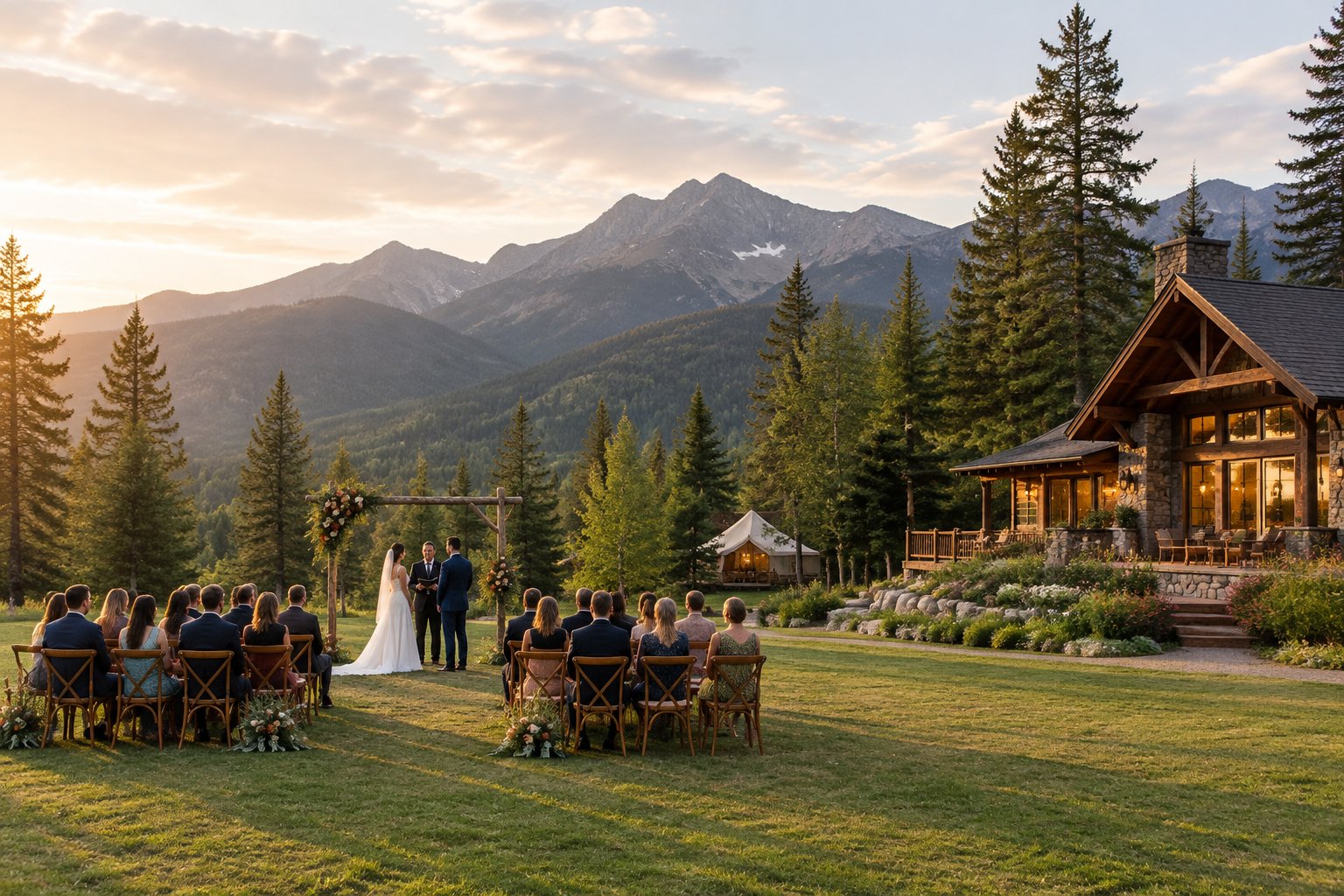
Cabins, inns, resorts, farms, and estates each create a different feel and guest experience. Compare the setting with your travel plans, preferred level of privacy, and the kind of lodging your guests will find comfortable.
If you’re considering a hotel property, outdoor wedding venues at hotels offer a useful point of comparison.
What Are the Benefits of Cabins, Inns, and Resorts?
Cabins give guests separate places to stay and suit wooded or rural settings. Inns offer rooms in a smaller, shared property, which can make it easy to gather between events. Resorts may combine guest rooms with dining and event services, with details shaped by the property.
Ask about room layouts, shared facilities, and the distance between lodging and event spaces. If guests will travel from out of town, check how far the property is from airports, major roads, and places to eat. A clear room plan helps guests choose lodging that fits their needs.
How Do Gardens, Farms, and Waterfront Venues Differ?
A garden gives you a cultivated backdrop with paths, plants, and defined outdoor spaces. Farms and ranches offer open land and a rural feel, with more attention needed to ground conditions and travel between areas. Waterfront venues provide a scenic setting, though wind, shoreline access, and local rules can shape the event plan.
Consider how the setting works for guests in formal clothes and shoes. Check for shade, stable walking surfaces, restrooms, parking, and lighting. If you’re drawn to a water view, compare lakeside wedding venues with lodging for properties that pair a waterfront setting with overnight stays.
When Is a Full-Property Buyout Worth Considering?
A full-property buyout suits you when privacy and shared time are high priorities. It can give your group access to the lodging and gathering spaces for a set period, with fewer unrelated visitors on the grounds.
Check the required number of nights, total sleeping capacity, and areas included in the rental. Confirm whether the buyout covers event access, lodging, or both. A property that looks private during a tour may still share parking or outdoor areas, so clarify exclusive-use terms in the contract.
What Should You Confirm Before Booking?
Before you sign, get clear written answers about weather plans, lodging charges, access times, and the weekend events you want to host. These details affect your wedding planning and help you compare venues on the same terms.
Are Ceremony and Reception Spaces Covered by a Rain Plan?
Your rain plan should name the backup space and explain how it works for your guest count. Ask whether the ceremony and reception can both move indoors, whether a tent is available, and who makes the weather call. Confirm any extra rental or labor fees tied to a change of plan.
Visit the backup space during your tour and consider how guests will move between it and their rooms. Venues with indoor and outdoor wedding spaces can offer more flexibility when conditions change. Ask about plans for heat, wind, and cold as well as rain.
Are Lodging, Event Access, and Extra Nights Priced Separately?
Ask for a written breakdown of room rates, event access, and any required minimum stay. Confirm check-in and checkout times, the number of rooms held for your group, and when guests must book. Find out whether you pay for unused rooms or nights.
Check whether access for setup and cleanup is part of the rental period. If your vendors need early access, confirm the time and any added fee. Include each charge in your budget before comparing the venue with other options.
Can the Venue Host a Rehearsal Dinner and Farewell Brunch?
Some properties let you hold several gatherings on-site, while others limit events to the ceremony and reception. Ask which spaces are available for a rehearsal dinner or farewell brunch, and whether food service, staffing, and cleanup are included.
Confirm event hours, guest limits, and noise rules for each gathering. If a meal takes place outside, ask what the venue provides for shade and weather changes. Add the schedule and fees for each event to your written agreement.