
Outdoor Wedding Venues: How to Choose the Right Setting
You’ll choose the right outdoor wedding venue by matching its setting, guest capacity, weather plan, and total cost to the celebration you want.
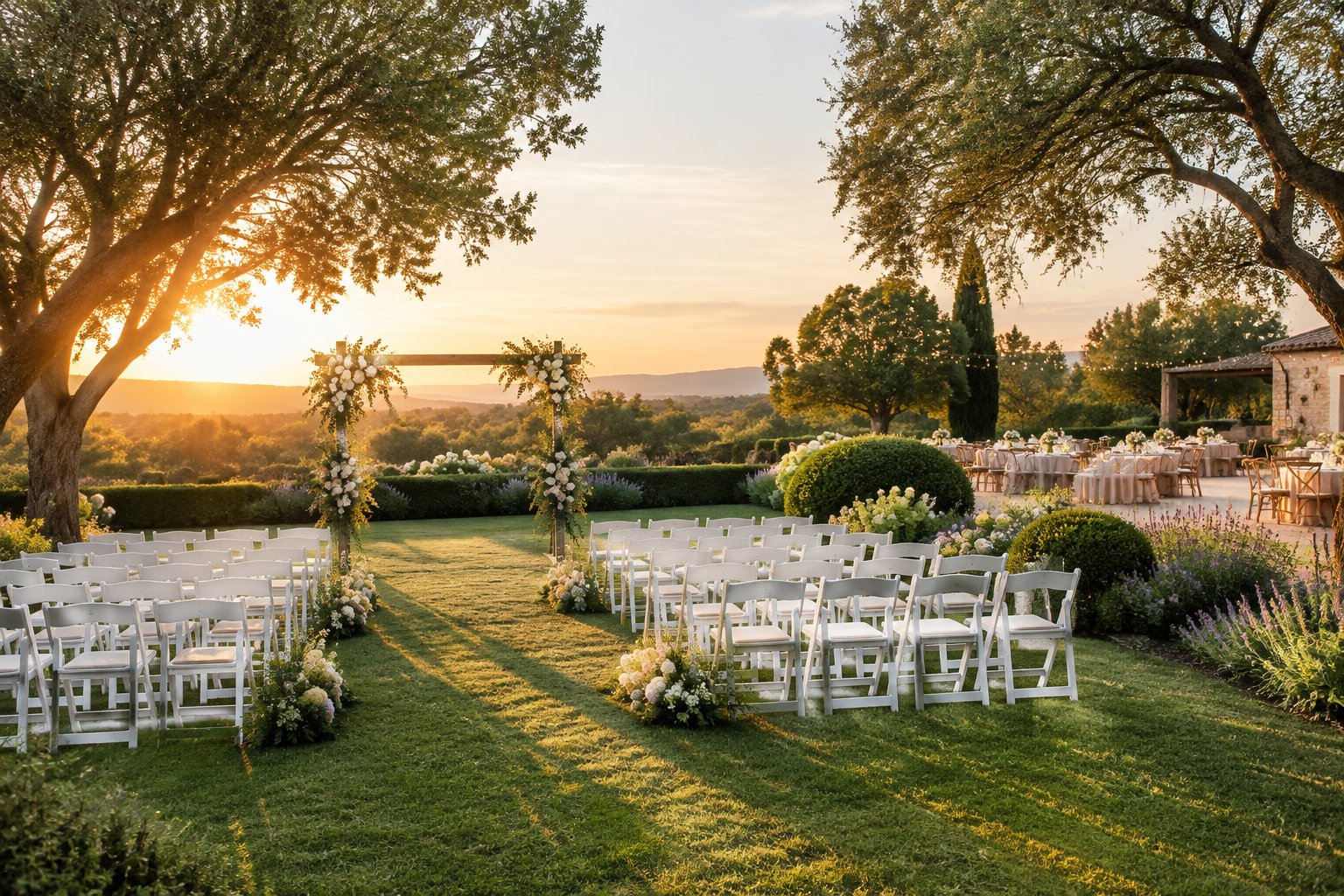
As you compare beautiful outdoor wedding venues, look past the ceremony backdrop and picture how your guests will move through the whole day. A scenic lawn or waterfront can set the mood, while practical details such as a covered backup space and easy paths help your plans hold together.
Start with a short list of settings that fit your vision, then book tours to check the spaces in person. A visit lets you see the light, ground, guest routes, and backup options before you commit.
Which Outdoor Setting Suits Your Wedding?
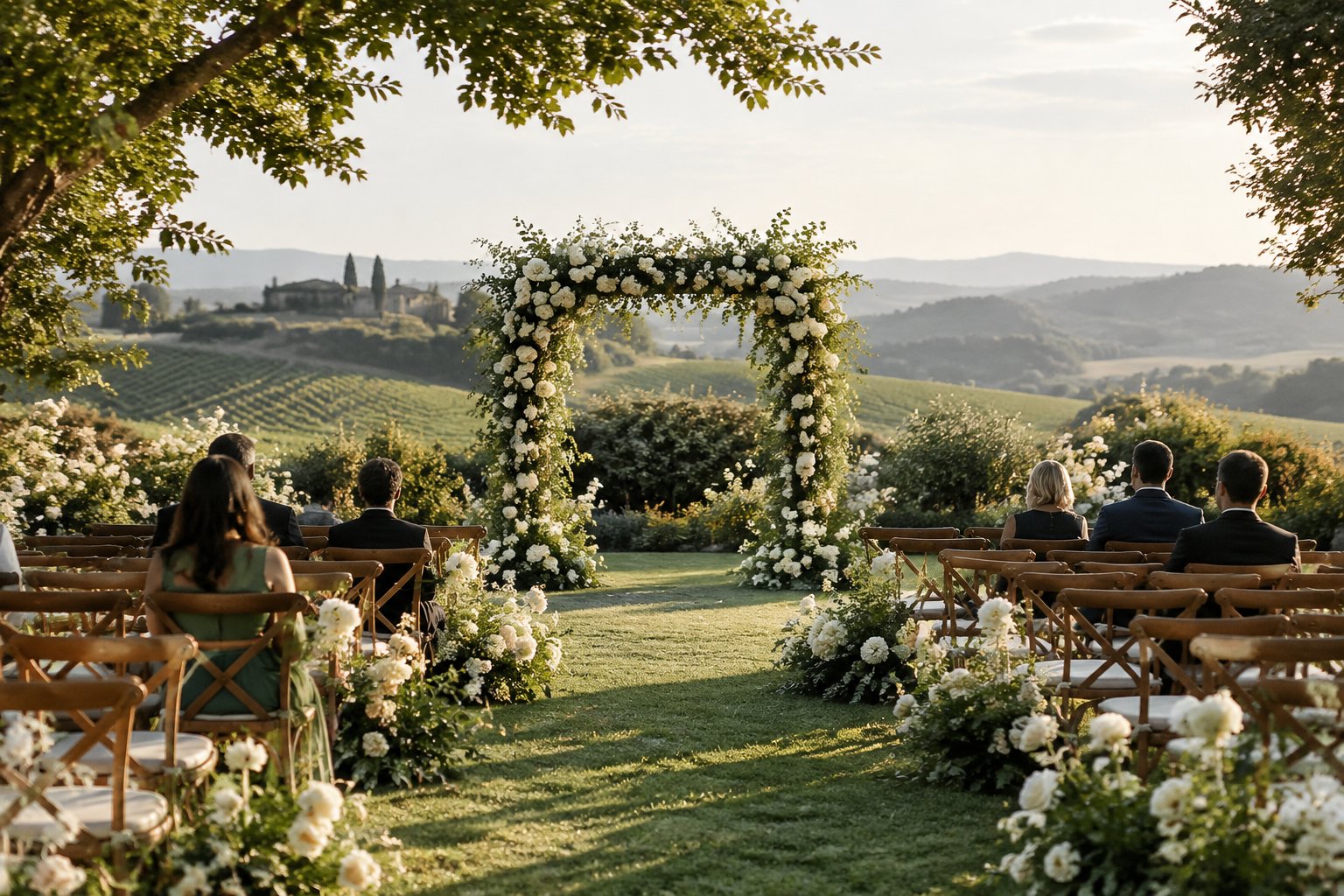
Choose a setting that fits your style and works for your ceremony, reception, and guest list. Gardens, waterfronts, and countryside properties each offer a distinct backdrop, along with different needs for access and weather planning.
Garden and Greenhouse Celebrations
A garden gives you built-in greenery and flowers, which can shape the look of your ceremony with less added décor. Greenhouses offer a sheltered feel with plants and natural light, while open gardens give you more fresh air and room to spread out.
As you compare garden wedding venues, check whether the ceremony and reception can use separate areas without creating a long walk for guests. Ask when the flowers and trees look their best, and visit at the time of day you plan to marry. Shade and sunlight shift across a property, which affects guest comfort and the ceremony layout.
Waterfront and Coastal Ceremonies
A lake, river, or coast gives you open views and a clear sense of place. Waterfront properties can also bring wind, uneven paths, sand, or changing tides into your plans. Ask where the ceremony will take place and how guests will reach it, including anyone who needs a smooth, firm route.
For a coastal wedding, check the distance between the ceremony area, reception space, restrooms, and parking. If you’re weighing shore-side options, a beach wedding venues quiz can help you narrow your priorities.
Mountain, Forest, and Farm Settings
Mountain, forest, and farm locations suit you if you want a natural backdrop with a relaxed feel. Open fields and orchards create room for a larger layout; wooded areas offer shade and a more enclosed setting.
Check the terrain, vehicle access, and cell service, especially if guests will travel between spaces or need directions on arrival. For a rustic look, note which features the venue already provides, such as a barn, mature trees, or open pasture. Rustic outdoor wedding ideas can help you shape décor around the setting.
Which Wedding Destinations and Venues Should You Compare?
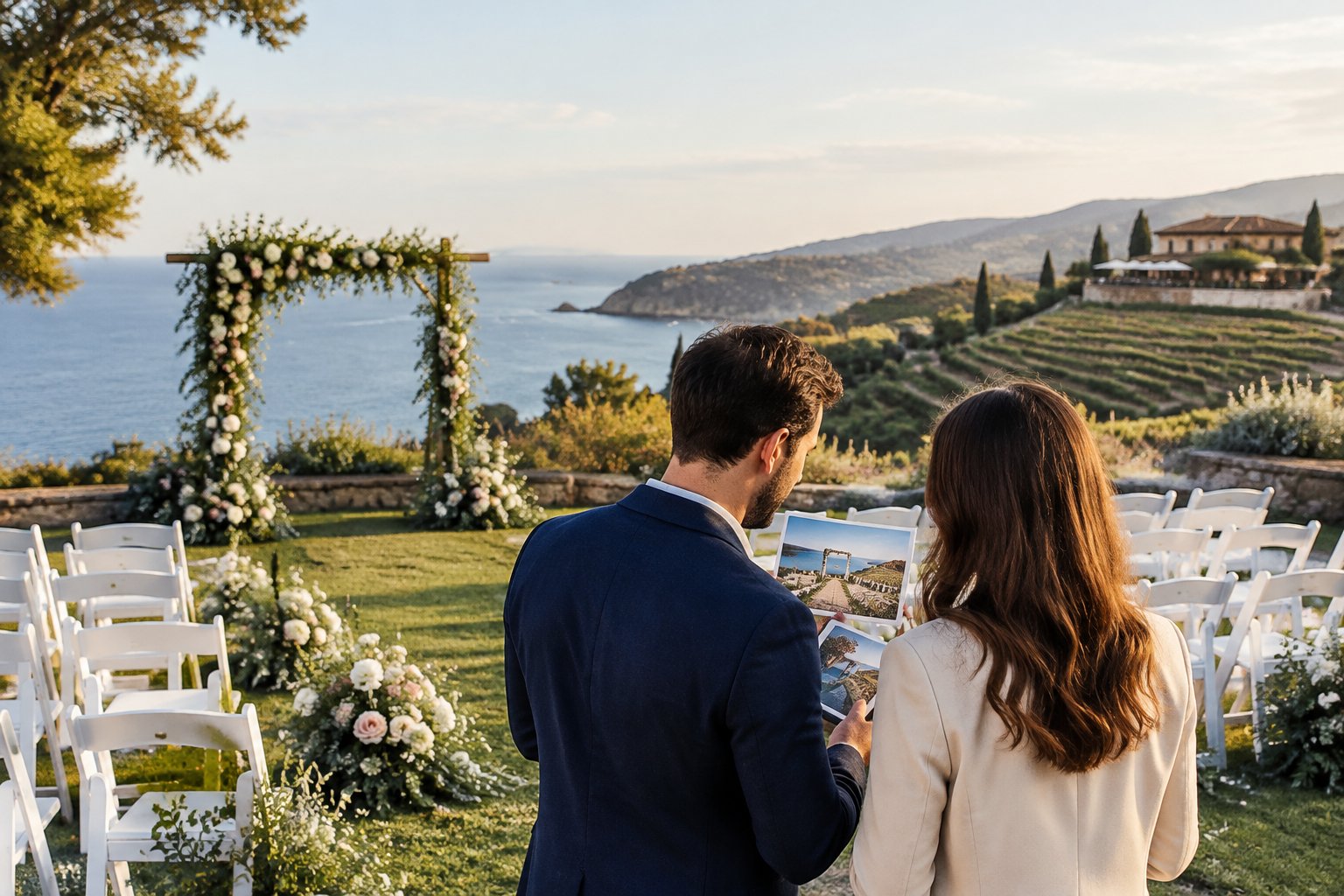
Compare wedding venues by looking at the full experience: the setting, travel time, guest lodging, and event spaces. If you’re considering a destination, include guest travel and the time needed to reach each part of the celebration in your decision.
Preserve Marthasville in Missouri
Add Preserve Marthasville to your Missouri shortlist if its location and setting fit your plans. During a tour, confirm the available ceremony and reception spaces, comfortable guest capacity, weather backup, and what the rental includes. Ask for details in writing so you can compare its costs and services with other wedding venues.
Use the same questions for every property you visit. That makes it easier to compare venues on details that affect your day, such as setup time, vendor access, and the route between ceremony and reception.
Lakeside Gardens
Consider Lakeside Gardens as a venue to explore if you’re drawn to a garden setting or a celebration near the water. Confirm the location and available spaces with the venue, then ask how the layout works for your guest count. Check whether you’ll have room for the ceremony, reception, and a smooth transition between them.
A guide to choosing a destination wedding location can help you weigh the setting against travel needs. Include lodging options and transportation in your comparison, especially if many guests will be traveling from out of town.
Destination Venues Near the Coast
Coastal wedding destinations give you a strong sense of place, with beach, harbor, or ocean views shaping the event. As you compare properties, check how far guests will travel from nearby airports or hotels and whether transportation is easy to arrange. Ask about local rules for outdoor ceremonies, sound, and setup.
A destination works best for your group when travel details feel manageable. Share lodging and transportation information early so guests can plan their stay.
What Should You Check Before Booking?
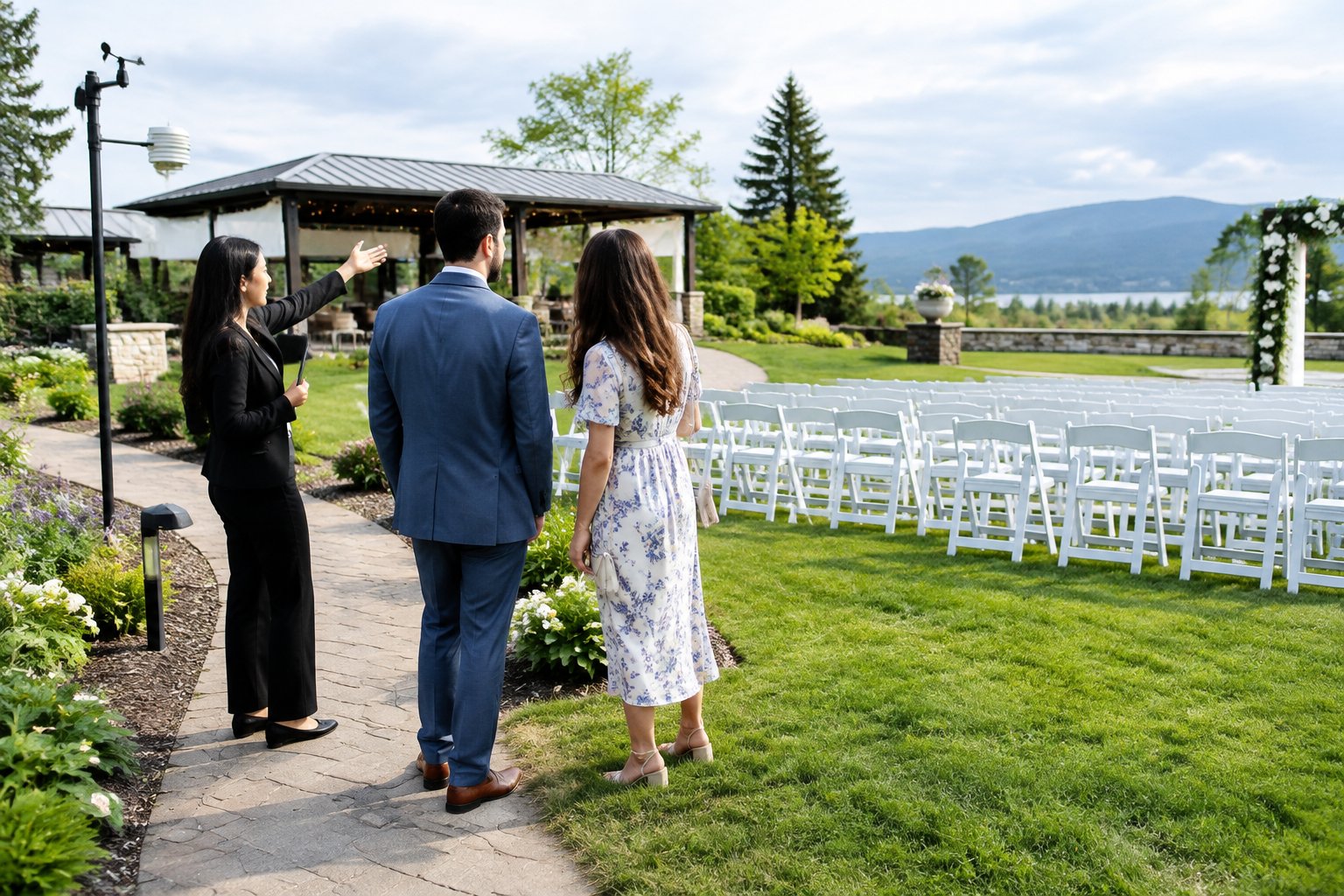
Before you reserve an outdoor wedding venue, confirm the layout, weather backup, included services, and access details in writing. A tour helps you see how each space functions with your guest count and gives you a chance to ask specific questions.
Guest Capacity and Event Spaces
Ask for the comfortable guest count for your actual event layout, including dining tables, a dance floor, and any ceremony seating. A maximum capacity may not account for the space you’ll need for each part of the day. Walk from the ceremony area to cocktail hour and dinner to see how guests will move between them.
Check the surface underfoot, too. Grass, gravel, sand, and slopes affect chair stability, footwear, and wheelchair access. If you’re planning outdoor seating, outdoor wedding seating ideas can help you think through chair styles and layout.
Indoor or Covered Weather Backup
Ask to see the exact indoor or covered space you would use if the weather changes. Confirm when you must decide to move the event, who makes that call, and whether a tent or other rentals need to be booked in advance. A venue with indoor and outdoor spaces gives you a clear backup option to evaluate during your tour.
Your plan should cover rain, heat, wind, and a drop in temperature after sunset. Find out whether the backup space fits your full guest count and event layout.
Included Services, Vendors, and Accessibility
Request an itemized list of what the rental includes, such as tables, chairs, setup, cleanup, lighting, and coordination. Ask about vendor rules, available power, delivery access, restrooms, and parking. These details help you identify rentals or services you’ll need to budget for.
Walk the guest routes and ask how accessible each event space is. Confirm whether paths are firm and level, where accessible seating can go, and how guests will reach restrooms. Put service details and any agreed arrangements in your contract.
How Much Does an Outdoor Celebration Cost?
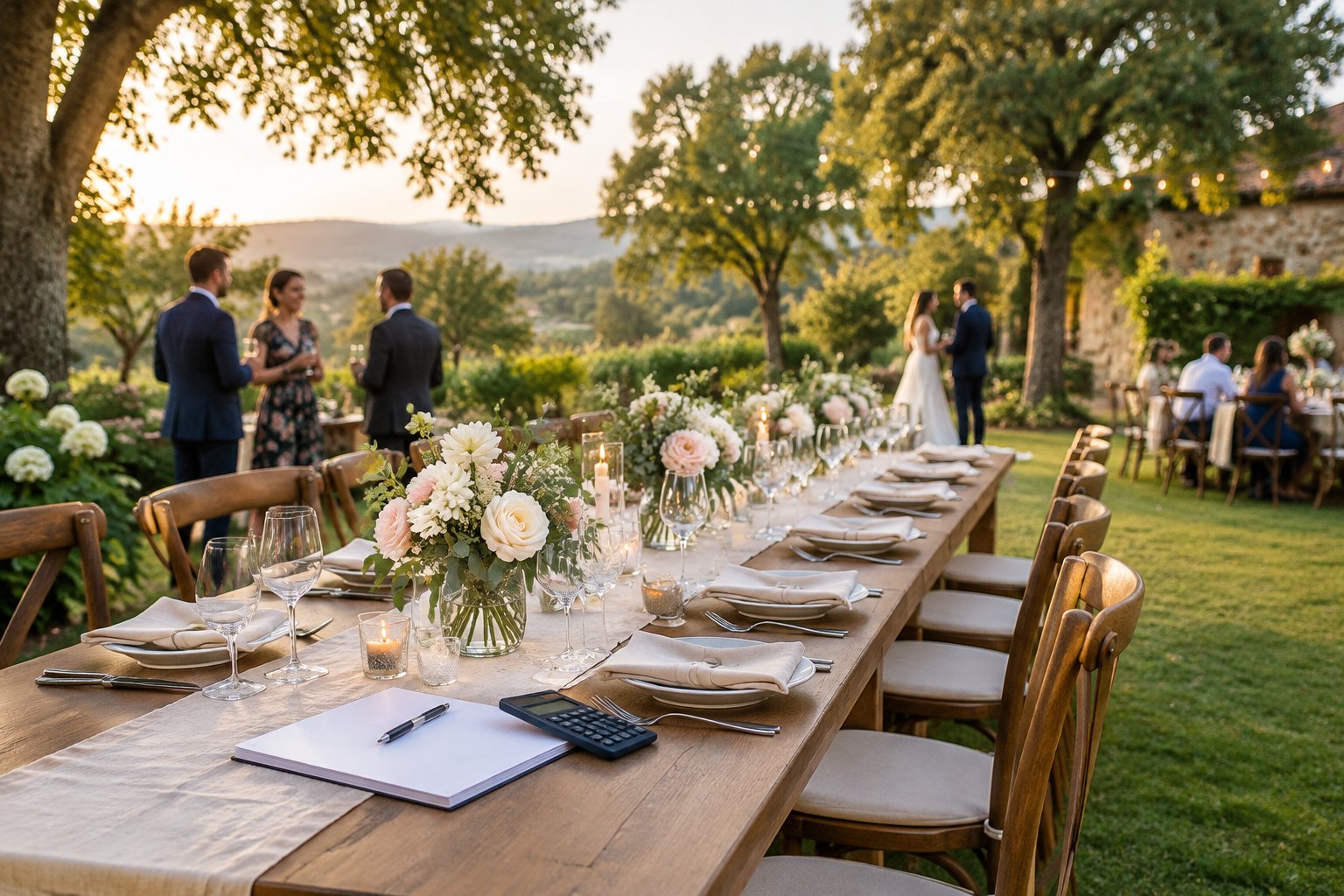
Your outdoor wedding cost comes from the venue rental plus the services, rentals, and weather plans needed for your celebration. Compare quotes by checking what each price includes and adding likely extra costs before you choose a date.
Venue Rental and Package Pricing
Venue rates reflect factors such as location, season, guest count, and included services. A national wedding survey reported an average venue cost of about $12,900 for 2025, though your quote will depend on your location and package. Use wedding venue cost guidance as a starting point, then request current pricing directly from each venue.
Ask whether the quoted price covers the ceremony and reception, how many hours it includes, and whether setup or cleanup time is part of the rental. Compare package details line by line so you can see what you’ll need to arrange separately.
Costs That Can Change Your Budget
Outdoor celebrations can require extra rentals for tents, flooring, lighting, sound, heating, or fans. Your location and guest count also affect transportation, catering, staffing, and restroom needs. Ask vendors about delivery, setup, and labor charges, then include those numbers in your estimate.
Check the contract for taxes, service fees, overtime, deposits, payment dates, and cancellation terms. A written estimate helps you compare the full cost across venues.
Ways to Save Without Losing the Setting
You can lower costs by considering a weekday or off-season date, trimming your guest list, or choosing a venue that includes useful rentals. If the grounds already offer a strong backdrop, keep décor simple and focus spending on guest comfort. Browse affordable outdoor wedding ideas for ways to keep your plans within budget.
Ask whether the venue offers more than one package or allows you to remove services you don’t need. Review any change to the package in writing before you sign.
How Can You Keep Guests Comfortable Outdoors?
Comfort comes from planning for local weather, clear movement, and the needs of your guests. Choose practical details that fit the site, from shade and lighting to firm paths and easy access to restrooms.
Plan for Sun, Rain, and Temperature Changes
Check the forecast patterns for your wedding season and visit the site at the planned ceremony time. Use that visit to check sun exposure, wind, shade, and how the temperature feels in the evening. Arrange a tent, covered area, or indoor backup that fits your guest count.
For warm weather, offer drinking water and a shaded place to sit. For a cool evening, provide blankets or heaters if the venue allows them. Confirm who monitors weather and tells guests and vendors about a change of plan.
Arrange Shade, Lighting, and Sound
Place shade where guests will wait and sit, especially during the ceremony. Add lighting along paths, near restrooms, and around steps so guests can move safely after dark. Ask your venue or sound team where equipment can connect to power and whether microphones will carry clearly outdoors.
Wind and open space can affect sound and décor. Secure lightweight items and test the microphone before guests arrive. For more outdoor wedding tips, focus on practical details that suit your location and event schedule.
Make Travel and On-Site Movement Easier
Share parking and transportation details with guests before the wedding. Use clear signs to mark the ceremony, reception, and restrooms, and plan a route that is easy to follow after dark.
If the venue is spread out, arrange help for guests who need assistance moving between spaces. Check walking surfaces before you book. Firm paths, stable seating, and nearby restrooms make the setting easier to enjoy for guests with mobility needs, older relatives, and anyone wearing formal shoes.