
Reasonable Price for Wedding Photographer: 2026 Guide
A reasonable price for wedding photographer coverage in the United States is about $2,500 to $4,500 for a full wedding day, with $3,000 as a useful national average for 2026. Your quote will shift with your location, coverage hours, photographer’s experience, and package details.
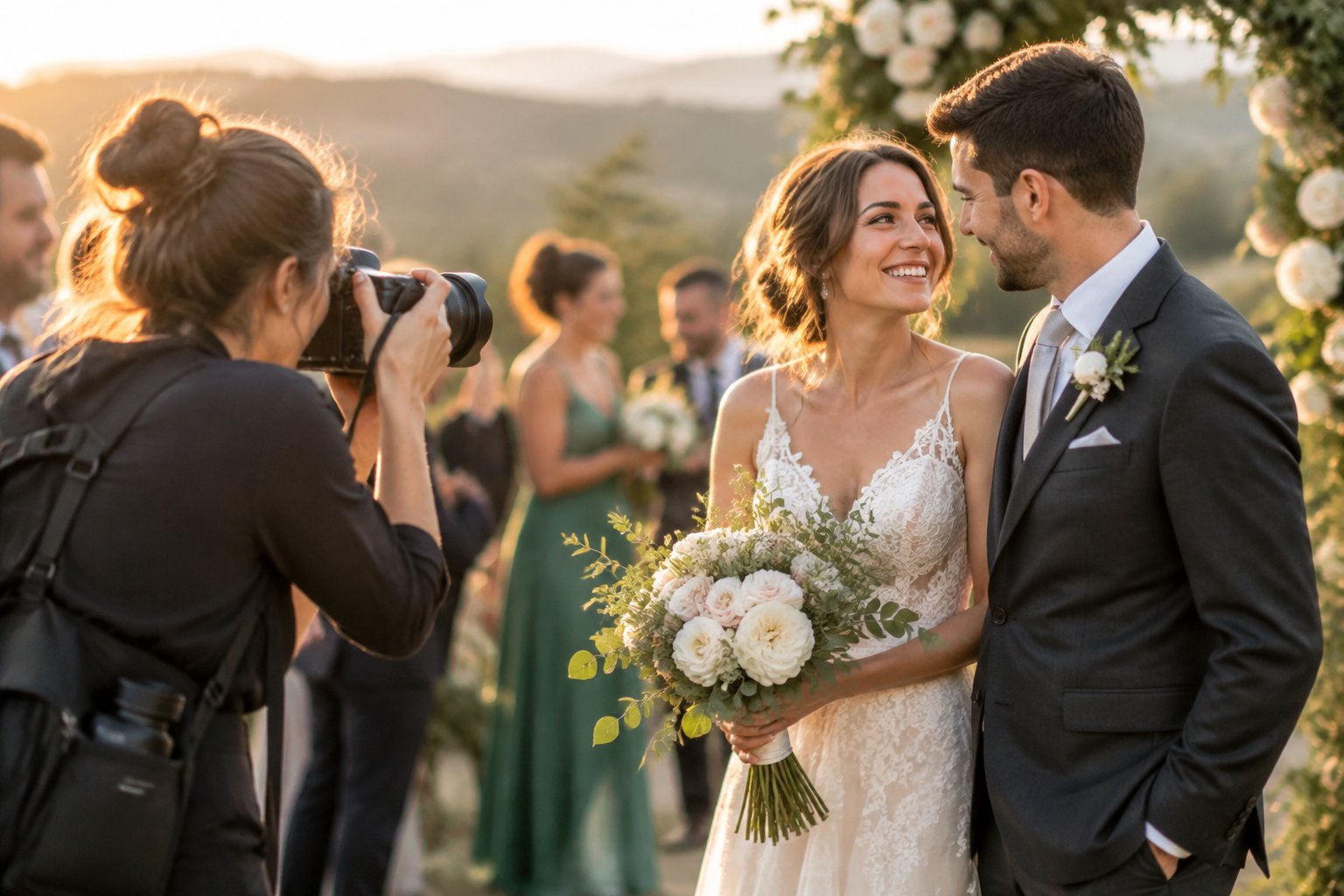
A fair price gives you the coverage and finished images you want, along with clear terms for delivery and payment. Set a budget, then request itemized quotes from photographers whose work fits your style.
How Much Should You Expect to Pay?

For a full day of wedding photography, plan around $2,500 to $4,500 as a starting range, then compare the coverage and deliverables behind each quote. Your local market can move that range up or down, so check prices near your venue before setting a firm limit.
What Is the Average Wedding Photographer Cost?
The average wedding photographer cost is about $3,000 in the United States. Many couples spend between roughly $1,500 and $4,700, with price changes tied to the size of the wedding, location, and package.
That average gives you a planning benchmark, not a fixed rate. A smaller celebration with shorter coverage may land below it, while a long event with two photographers or an album may cost more. For a closer look at what affects the cost of wedding photography, compare complete packages instead of looking at the starting price alone.
How Do Regional Prices and Estimates Differ?
Wedding photography costs rise in many major cities and popular destination areas, where demand and business expenses are higher. Recent regional estimates place average spending near $3,700 in the Northeast and New England, $3,800 in the Mid-Atlantic, and $2,700 in the South and Southeast.
| Region | Average spend |
|---|---|
| Northeast and New England | $3,700 |
| Mid-Atlantic | $3,800 |
| Midwest | $2,900 |
| South and Southeast | $2,700 |
| Southwest | $2,600 |
| West | $2,900 |
Treat regional figures as broad guides. A photographer based outside your wedding area may add mileage, lodging, or airfare, so ask for the full travel cost in writing. Your venue’s location is the best place to start when you compare wedding photography prices.
What Should a Typical Package Include?
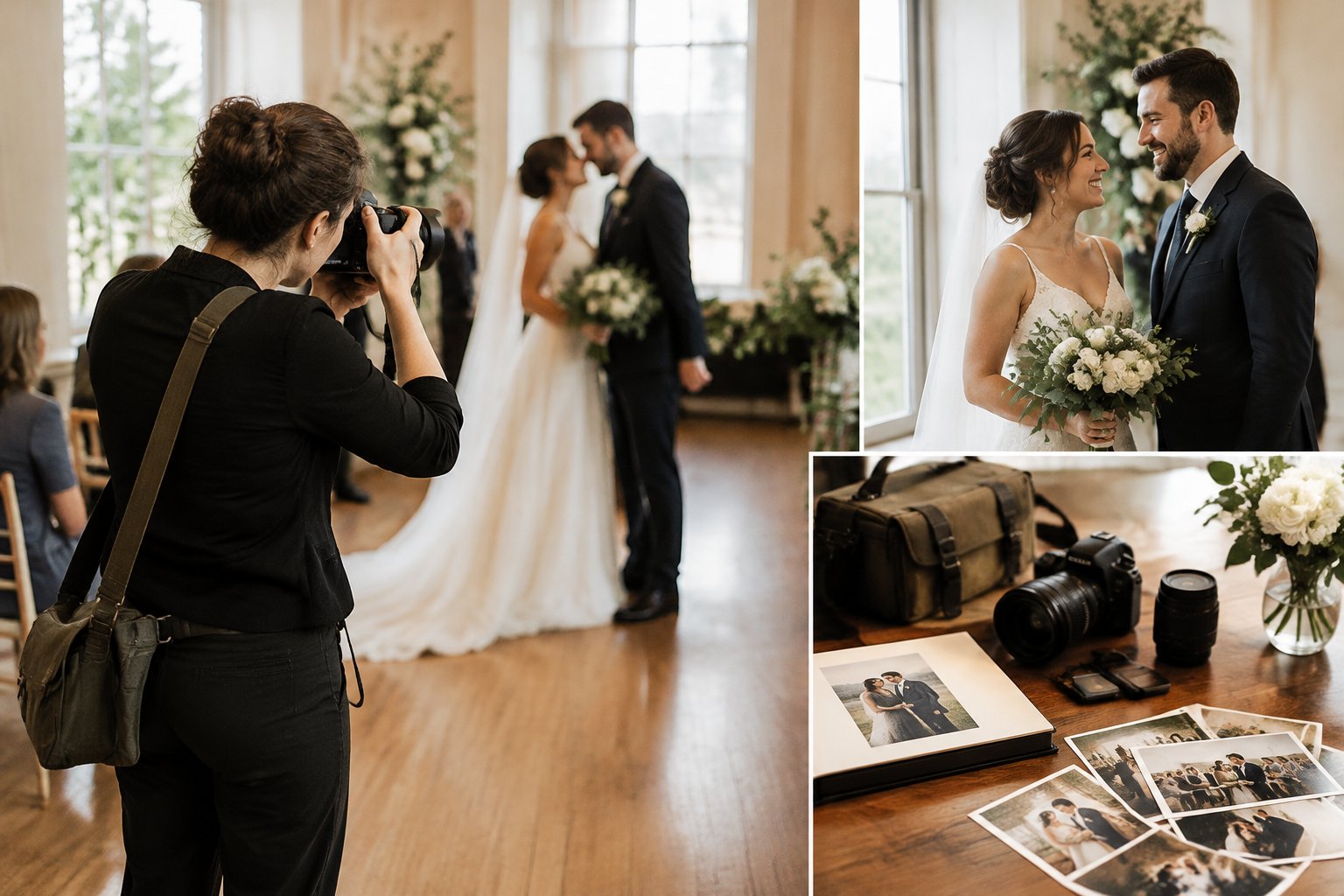
A useful package spells out how long your photographer will work and what you’ll receive afterward. Check the image delivery format, editing, travel terms, and any included prints or album before comparing wedding photography prices.
How Much Does Coverage Cost per Hour?
Wedding photographer cost per hour varies by market and experience, and many photographers quote a flat package fee. Dividing a $3,000 package by eight hours gives you a rough comparison of $375 per coverage hour, though that calculation doesn’t include all post-wedding work or tell you what an extra hour will cost.
Ask whether your coverage time runs continuously from the start time and whether overtime is billed in set increments. A clear wedding photographer rate should account for the event hours as well as editing and delivery. Check whether travel between ceremony and reception venues counts toward your booked time.
What Do Different Wedding Photography Packages Offer?
Wedding photography packages often range from short event coverage to a full-day collection with add-ons. A basic package may include one photographer, several hours of coverage, edited digital images, and an online gallery. Higher-priced options can add a second shooter, an engagement session, prints, or a physical album.
Before you choose, confirm how many hours are included and whether the number of delivered images is guaranteed or estimated. Ask how the photographer handles backups and how long the gallery stays available. Also confirm whether you receive a personal-use print release and whether album design is part of the price.
Editing is a major part of your finished gallery, so ask how the photographer prepares the images and what the editing includes. A clear description of how photographers edit wedding photos helps you compare the finished product included in each quote.
What Drives the Final Quote?
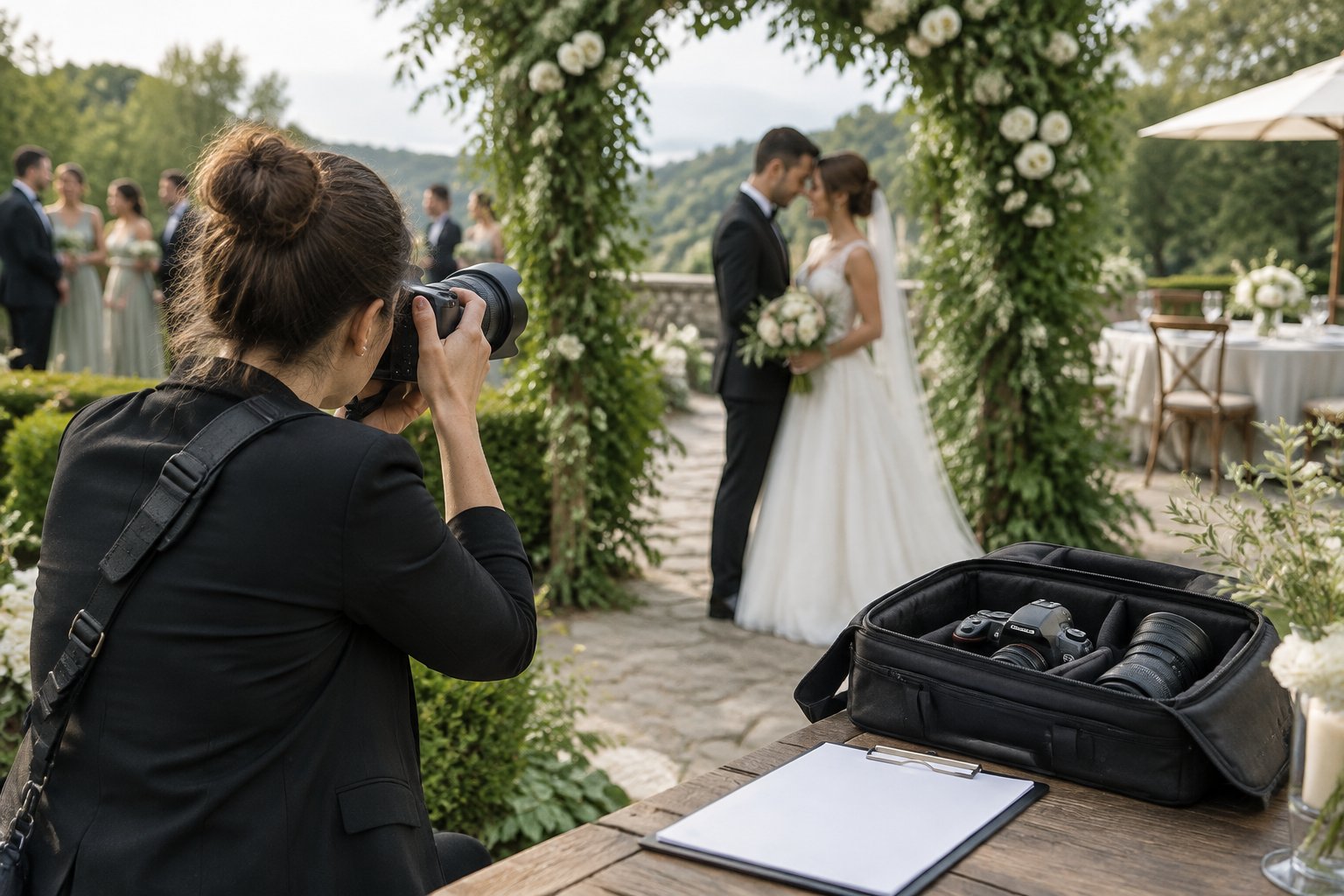
Your final quote reflects the photographer’s skill, the location and date, and the amount of work included before and after the wedding. Extra coverage, travel, a second shooter, or engagement photos can add to the total.
How Do Experience, Location, and Timing Affect Price?
A professional wedding photographer with years of experience has spent time developing skills, building a portfolio, and preparing for changing light and busy timelines. Those costs, along with equipment, insurance, software, and editing hours, are part of the fee.
Location and date also shape demand. A Saturday during peak wedding season can command a higher rate than an off-season weekday. Destination weddings can add travel and lodging expenses, while a local photographer may quote a simpler total. Review a complete gallery from a similar venue and lighting situation when you choose a good wedding photographer.
Do Wedding Photography Styles Change the Cost?
Wedding photography styles shape how your photographer works and the kind of images you receive. Documentary coverage focuses on candid moments, while traditional photography includes more posed portraits. Fine-art or editorial work may involve more planning and direction, which can affect the package price.
Look through full wedding galleries to see how each photographer handles family portraits, ceremony moments, and reception lighting. Ask how much direction you can expect during portraits and how the photographer balances posed images with candid coverage. Your preferred style helps you narrow down photographers before you compare quotes.
When Is a Second Shooter or Engagement Session Worth It?
A second shooter is useful when you want photos of events happening at the same time, such as each partner getting ready in separate locations. Larger weddings also create more ground to cover, while a smaller event with a simple schedule may be well served by one photographer.
Engagement photos give you time to get comfortable in front of the camera and learn how your photographer gives direction. They’re a good add-on if you want those images or value a practice session before the wedding. Ask whether the session is included or priced separately, and compare that cost with booking it on its own.
How Can You Compare Photographers With Confidence?
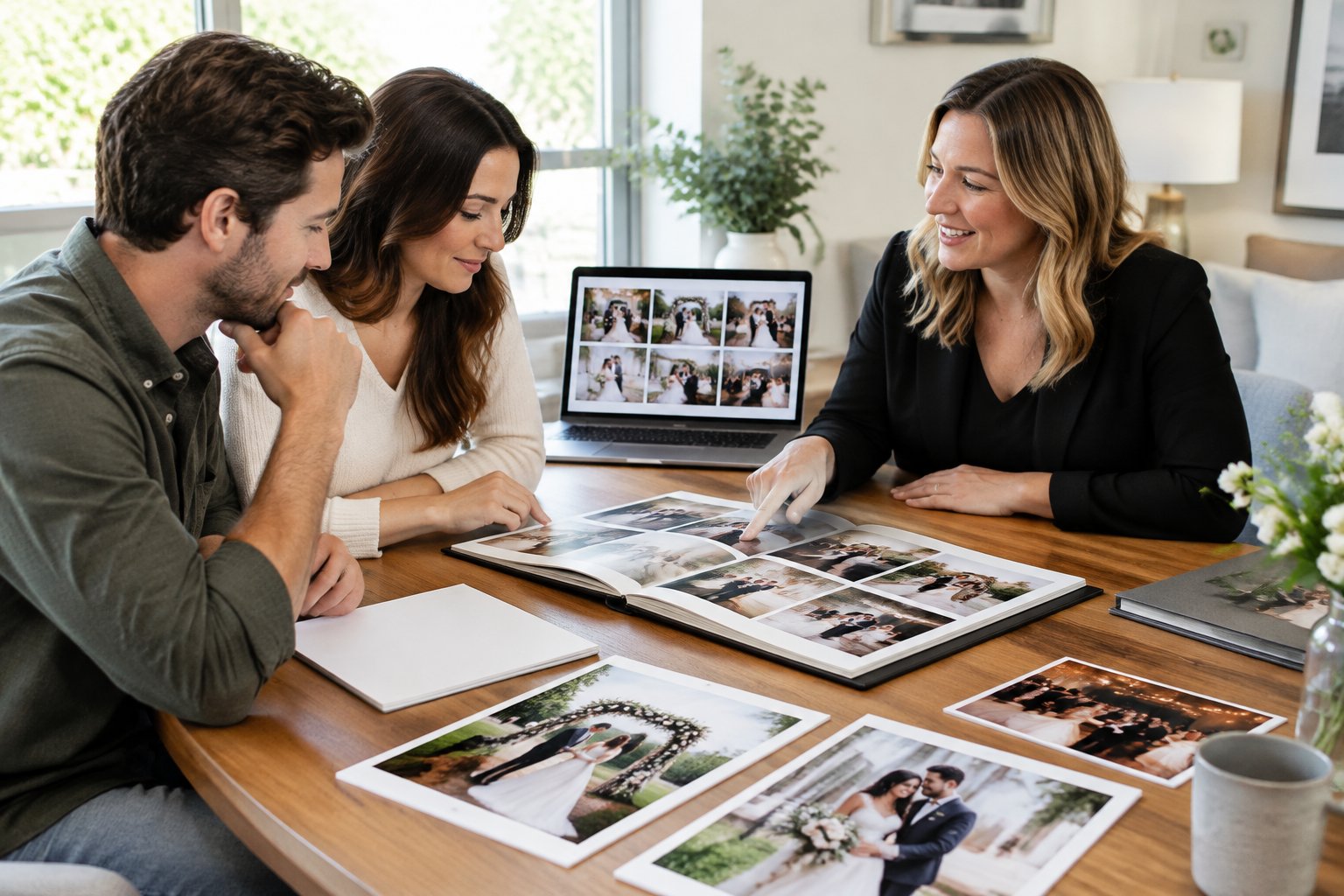
You can compare photographers with confidence by reviewing full galleries, confirming the exact package, and reading the contract before you pay. A low quote is easier to judge when you know the coverage, delivery timeline, and backup plan behind it.
What Questions Should You Ask a Wedding Photographer?
Bring a short list of questions to each meeting so you can compare answers directly. Ask to see a full wedding gallery, learn who will photograph your event, and confirm how your images will be delivered.
Useful questions to ask a wedding photographer include:
- How many hours of coverage are included, and what does overtime cost?
- Will you be the photographer at my wedding?
- What happens if illness or an emergency prevents you from attending?
- How do you back up images during and after the event?
- When will I receive the edited gallery, and how long will it stay online?
- Are travel, prints, an album, or an engagement session included?
Reviewing full galleries and asking about your priorities can help you pick a photographer for your wedding with a clearer sense of the experience you’ll receive.
What Should a Wedding Photography Contract Spell Out?
Your wedding photography contract should name the event date and location, coverage hours, package price, payment schedule, and any travel charges. It should also state what happens if you postpone, cancel, or need extra coverage.
Check the agreement for image delivery details, editing terms, gallery access, and the photographer’s backup plan. Review the rules for image use and personal printing, too. Ask for any verbal promise to be added to the contract before signing, and keep a copy with your wedding planning records.
How Can You Keep Photography Within Your Budget?
A practical wedding photography budget starts with the amount you can spend and the coverage you want most. Protect the parts of the service that shape your final gallery, then adjust hours and add-ons to fit your limit.
How Much Should You Set Aside in Your Wedding Photography Budget?
Use $2,500 to $4,500 as a starting range for full-day coverage, then compare it with local quotes and your overall wedding spending plan. Some couples spend less on a small event; others set aside more for a busy day, an experienced photographer, or a high-cost city.
Decide what you value most, such as full-day coverage, a second shooter, or an album. Then reserve enough for taxes, travel, and any extra hours. If photography ranks high among your priorities, reflect that choice in your wedding budget plan.
How to Save Money on Wedding Photography Without Sacrificing Quality
You can reduce the total by choosing only the coverage and extras you plan to use. Shorter coverage, a local photographer, and a weekday or off-season date can help lower the quote.
Holding your ceremony and reception at one venue also reduces travel time between locations. Ask whether the photographer offers a smaller package that still covers your essential moments.
You can also purchase an album later if it isn’t included in the package. For more room in your plan, consider ways to reduce your wedding budget and compare lower-cost wedding photography packages carefully.
Check the full gallery, contract, and backup plan before booking any option.