
Scottish Castle Wedding Venues: How to Choose the Right One
The right Scottish castle wedding venue fits your guest count, ceremony plans, travel needs, and budget while giving you the historic setting you want. Scottish castle wedding venues range from remote stone fortresses to grand estates near cities, so you can find a setting that suits both your celebration and your guests.
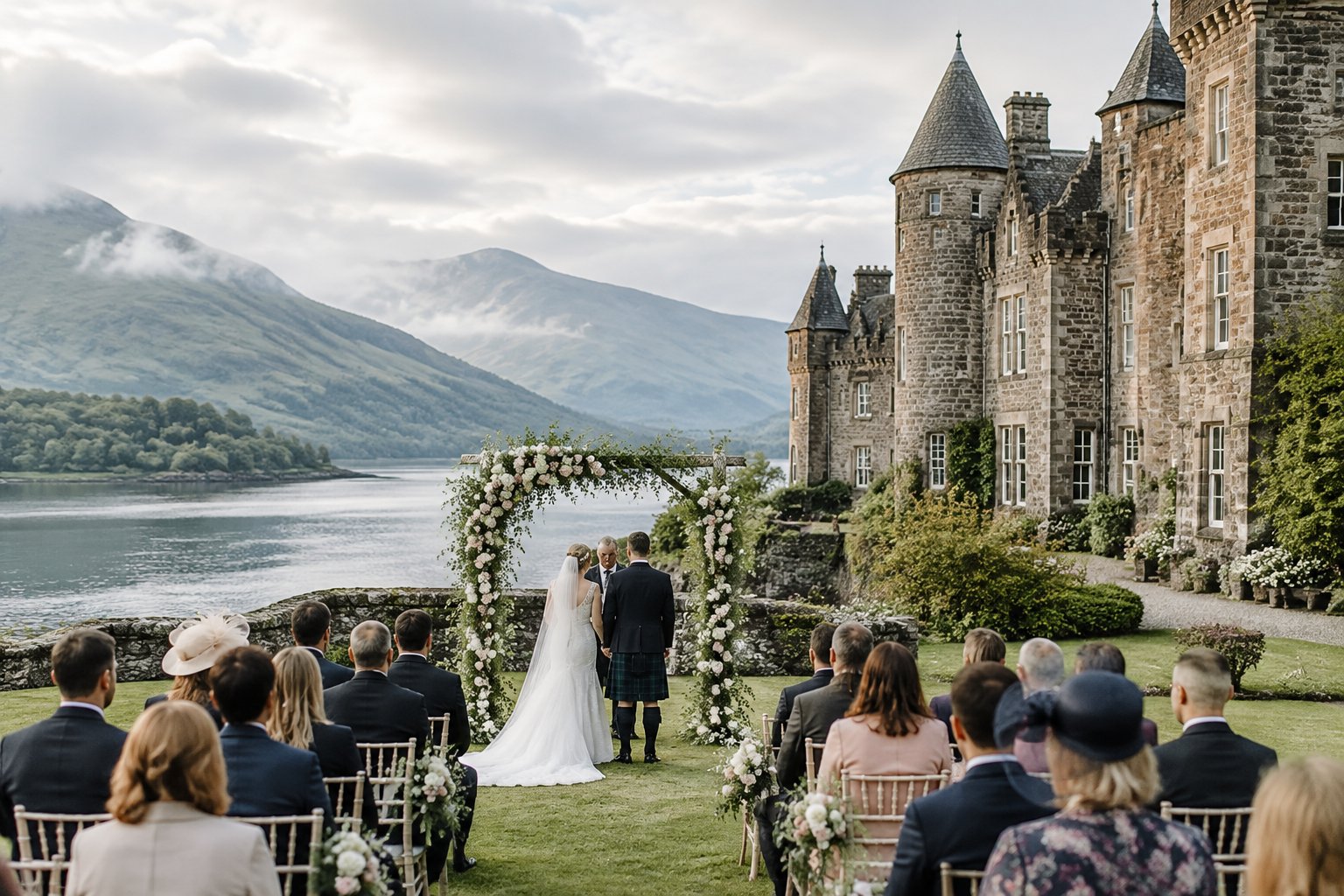
As you compare venues, focus on the full experience: where you’ll hold the ceremony, how guests will get there, and what the quoted price includes. Start with your guest count, preferred region, and top priorities, then request brochures or arrange virtual tours with venues that match.
What Should You Look for in a Castle Venue?
Choose a venue with enough space for your ceremony and reception, clear accommodation details, and a practical plan for guests with different needs. A little research into castle wedding venues can help you build a shortlist before you contact venues.
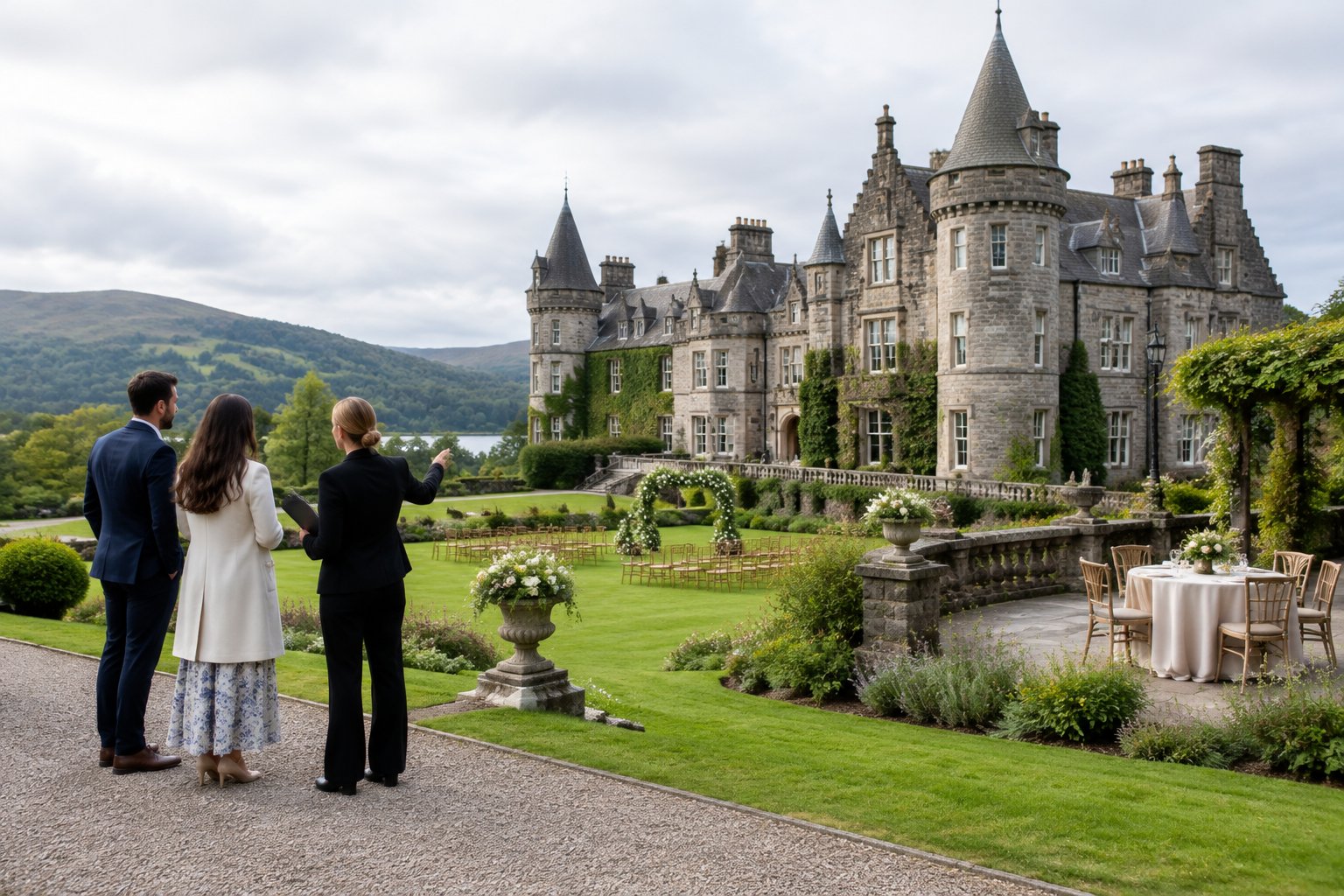
Check how each property handles guest numbers, overnight stays, access, and poor weather. Those details shape how the day will feel as much as the castle’s architecture.
Guest Capacity and Ceremony Options
Start with the venue’s seated capacity for each part of the day. Ceremony, dinner, and evening reception spaces may have different limits, and the published figure may include your celebrant, musicians, and wedding party. Ask for the capacity of each room in the layout you plan to use.
Confirm which ceremony types the venue permits, including civil, religious, and humanist ceremonies. Ask whether the ceremony can take place outdoors, in a chapel, or in a hall, and what changes if weather moves it indoors. If a small guest list is your priority, explore intimate Scottish wedding venues with spaces suited to a smaller gathering.
Exclusive Use and Accommodation
Find out what exclusive use means at that property. It may cover the entire castle, selected rooms, or specific event spaces for set hours. Ask whether other visitors or events will be present, and whether you can use the grounds for portraits.
On-site bedrooms can turn a wedding into a shared weekend, though room counts and booking rules vary. Check how many guests can stay at the castle, whether rooms are included in the hire price, and when guests can check in. If rooms are limited, ask the coordinator for nearby lodging and transport suggestions.
Accessibility and Weather Plans
Historic buildings can have steps, narrow staircases, uneven floors, and limited lift access. Ask which ceremony and reception areas are step-free, where accessible restrooms are located, and how guests can move between spaces. Share any mobility needs with the venue before you book.
Scottish weather can change quickly, so confirm the indoor backup for an outdoor ceremony or drinks reception. Ask whether the alternative space holds your full guest list and whether the venue will make the decision on the day. Get details about heating, shelter, and covered routes between buildings.
Which Regions Offer the Best Setting?
Choose a region based on the setting you want and the journey you’re asking guests to make. Scotland offers remote lochs and mountain scenery, historic city access, and rural estates within reach of major transport links.
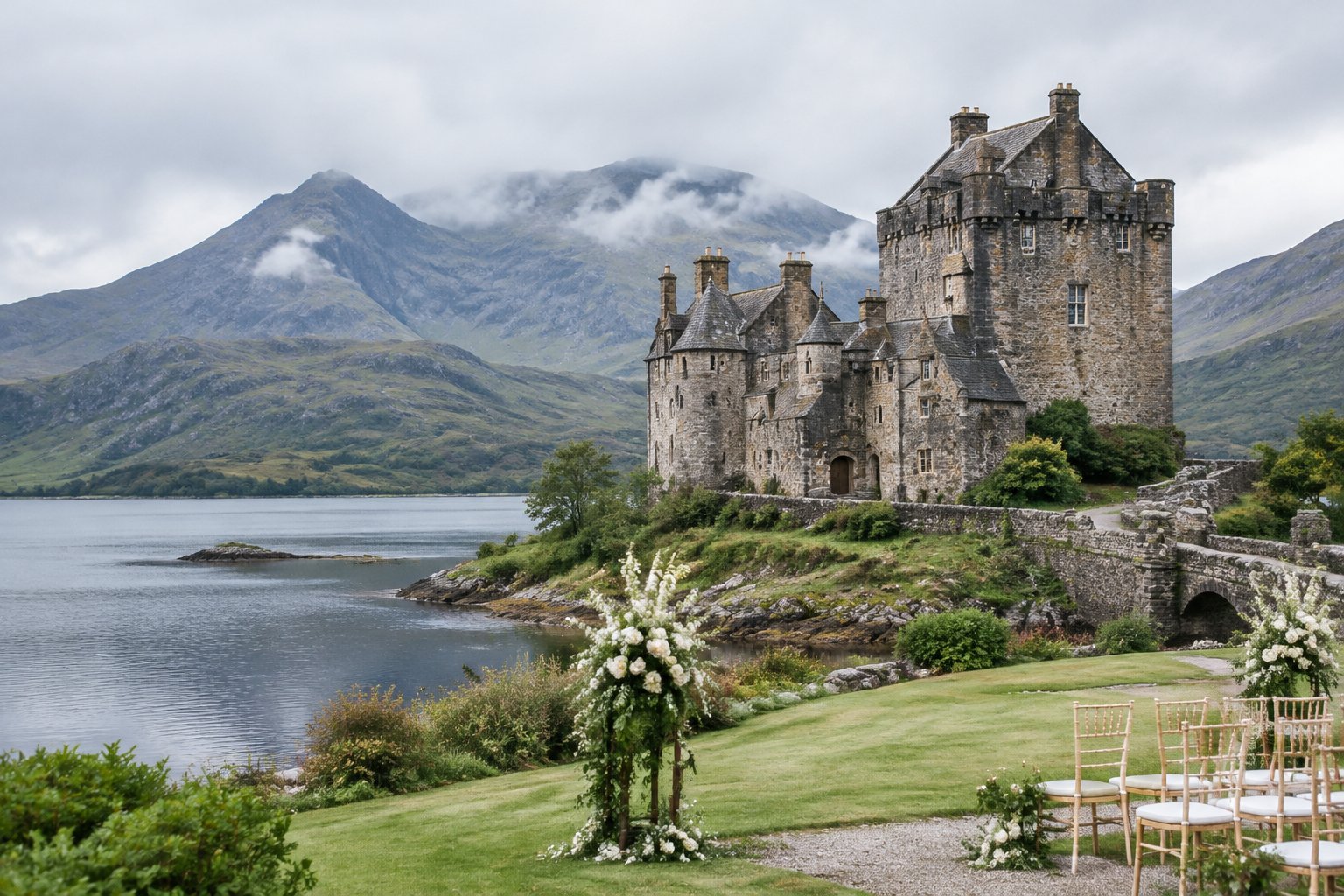
Your location affects travel time, accommodation options, and the kind of landscape around your photographs. If guests are flying from the United States, weigh the scenery against airport access and onward transfers.
Highlands and Islands
The Highlands and Islands offer mountain views, lochs, coastline, and a strong sense of remoteness. These settings suit you if you want a destination celebration surrounded by dramatic scenery. Island and rural venues can require extra planning for road travel, ferries, and limited local lodging, so check routes and room availability early.
Ask guests to allow time for the final leg of the journey, especially if the venue sits far from a major airport. For broader planning considerations, use your preferred destination wedding location as a starting point for comparing travel, scenery, and guest needs.
Edinburgh and the Lothians
Edinburgh and the Lothians give you historic architecture with access to city hotels, restaurants, and transport. A venue near Edinburgh can simplify travel for guests arriving by air or train, while rural properties in the surrounding area offer a quieter backdrop.
Check how long the drive takes from the airport and whether taxis, private coaches, or public transport serve the venue. City-edge locations can also make it easier for guests to extend the trip with sightseeing before or after your wedding.
Central Scotland and the Borders
Central Scotland and the Borders offer castles and estates among rolling countryside, rivers, and historic towns. These regions can work well when your guest list is split across Scotland and the wider UK, particularly if you want a rural setting with access to road and rail routes.
Compare journey times from Glasgow and Edinburgh, then check the nearest station and local accommodation. A venue that looks close on a map may still require a long drive on smaller roads, so ask for travel estimates and recommended transfer options.
What Does a Castle Wedding Typically Cost?
A castle wedding budget depends on venue hire, food and drink, accommodation, date, and the suppliers you bring in. Request an itemized quote in pounds sterling so you can compare the full cost and convert it to US dollars using a realistic exchange rate.
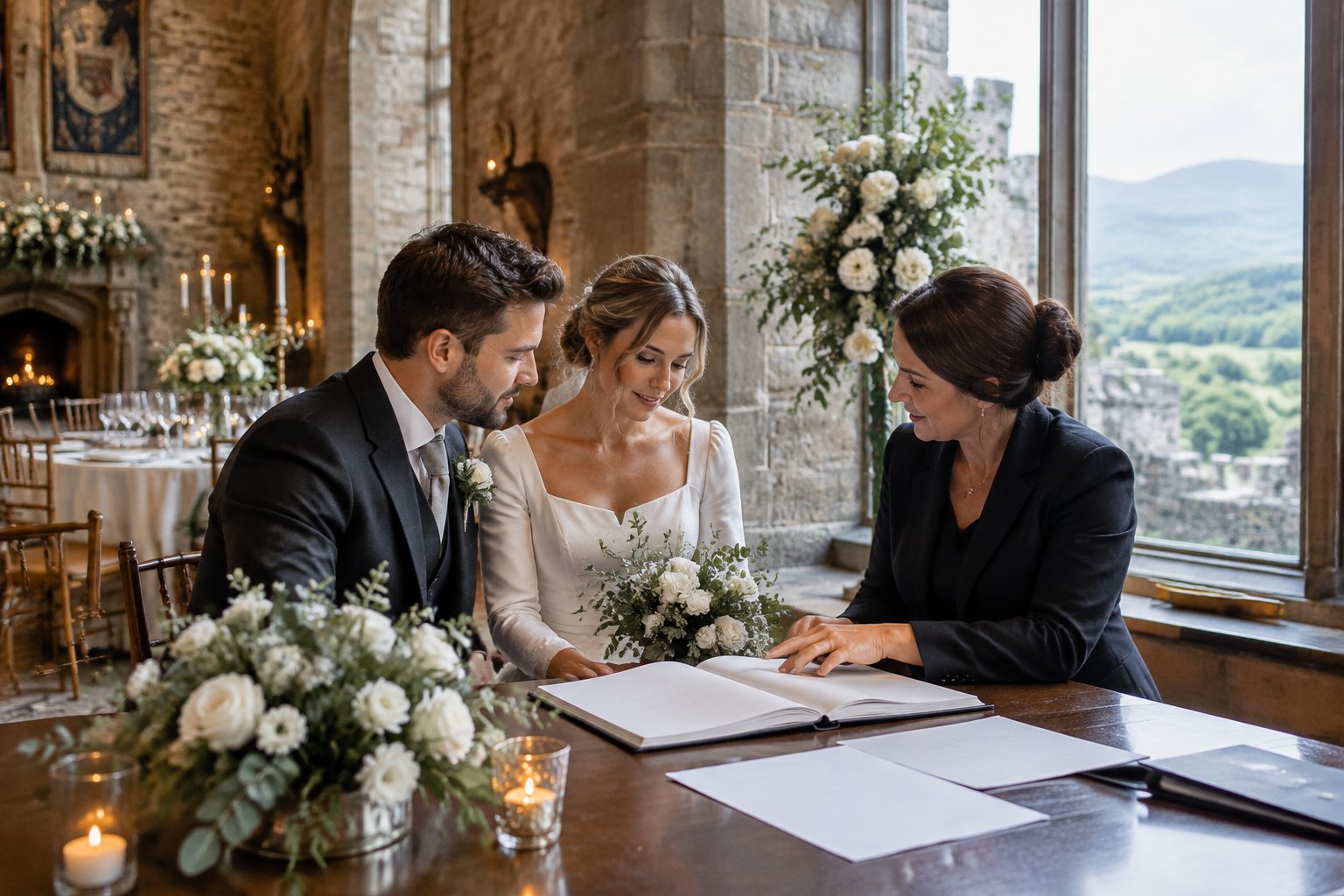
Ask each venue to separate fixed fees from per-person charges and optional upgrades. This makes it easier to compare packages and set aside money for travel, currency fees, and expenses outside the venue contract.
Venue Hire and Minimum Spend
Venue hire may cover specific rooms, the grounds, staffing, furniture, or exclusive use for a set period. Ask for a written list of inclusions and any extra fees for ceremony spaces, setup, late-night access, or additional event days.
Some venues set a minimum spend or minimum guest count. A smaller wedding can still have a substantial venue cost if a minimum applies, so confirm the rule before you pay a deposit. If you’re trying to control costs, compare the package details with options for affordable castle wedding venues and review your complete wedding budget alongside venue quotes.
Catering, Drinks, and Supplier Costs
Catering may be provided by the venue or a required partner, with costs based on your menu and guest count. Ask whether the quote includes a tasting, staffing, tableware, and dietary accommodations. For drinks, check whether the package includes a reception pour, wine with dinner, a bar allowance, or a cash bar.
Supplier expenses can include a photographer, florist, celebrant, entertainment, hair and makeup, transport, and décor. Ask about preferred supplier lists, outside-vendor fees, and restrictions tied to the historic building. A venue’s coordinator can clarify which services are included and which you’ll arrange separately.
Seasonal Dates and Budget Trade-Offs
Your date can affect availability, package choices, and the rate quoted by a venue. Ask about weekday celebrations, off-season dates, and shorter hire periods if your calendar is flexible. Compare the savings with the travel and lodging costs those dates create for guests.
Choose where you want to spend before you approve upgrades. You might prioritize a private dinner, more guest rooms, or a longer celebration, then keep décor and entertainment within the remaining budget. If you’re comparing costs across different wedding styles, a guide to traditional wedding expenses can help you organize the wider budget.
How Do You Compare Different Castle Experiences?
Compare venues by atmosphere, practical facilities, and how much of the property your celebration can use. A medieval ruin, a restored estate, and a castle hotel offer different levels of shelter, service, and privacy.
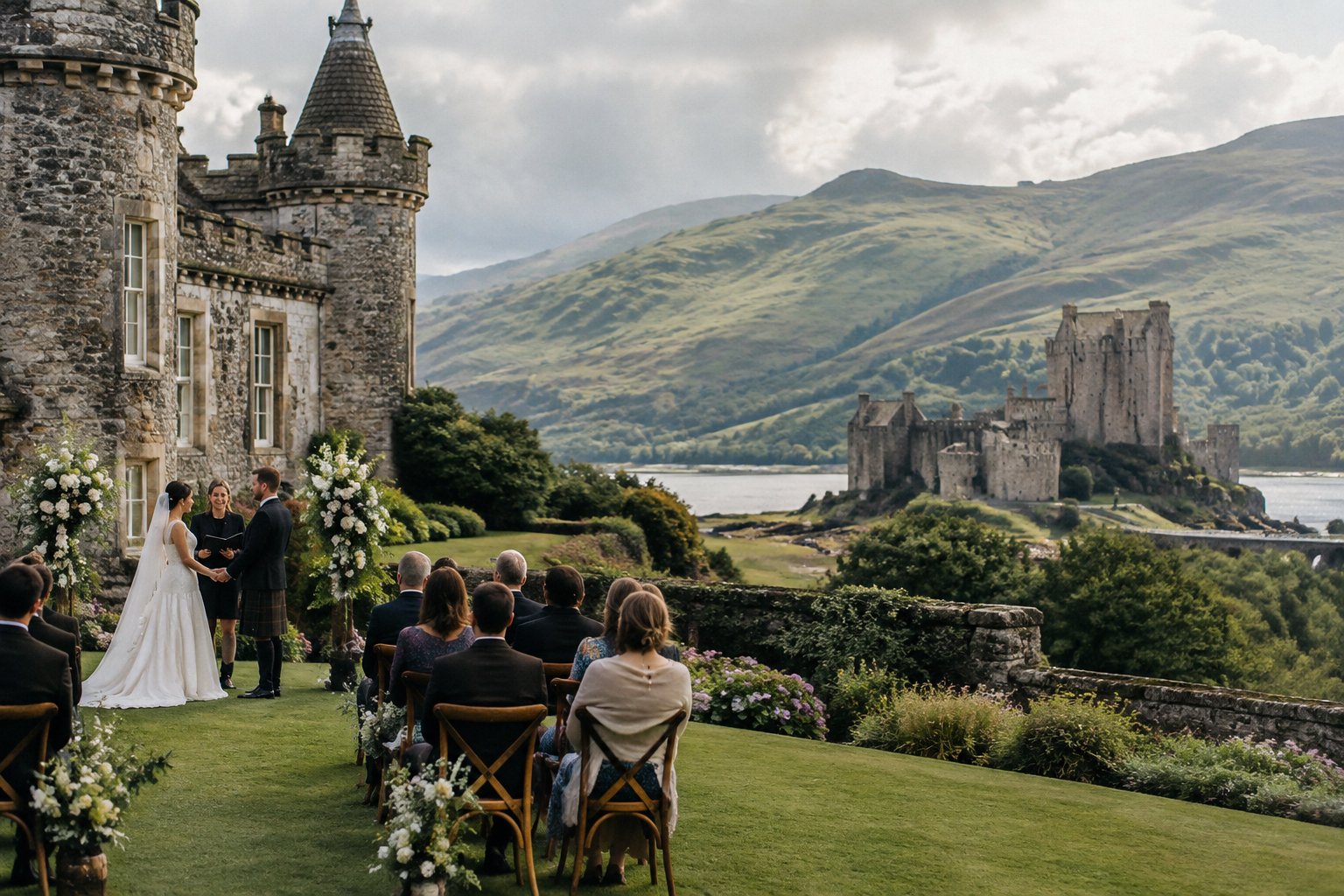
Look beyond the exterior: consider the ceremony room, reception layout, overnight experience, and access to the grounds. If you’re weighing historic character against a more polished event setting, luxury wedding venues offer a useful point of comparison.
Historic Ruins and Romantic Estates
A historic ruin can create a striking ceremony setting with stone walls and open-air character. Ask whether the site is exposed to wind or rain, what facilities are available nearby, and where guests will gather if weather turns. Confirm which parts of the property are open to your wedding party.
A restored castle or romantic estate may provide enclosed rooms for dinner and dancing, along with gardens or lawns for photographs. Check whether the venue’s historic features limit decorations, sound equipment, candles, or supplier access.
Grand Castles and Intimate Venues
Grand castles suit celebrations that need formal reception rooms and space for a larger guest list. Ask for the seated dinner capacity and evening layout, since a room that fits dinner may have less space for dancing or entertainment.
An intimate castle venue can give you a close-knit setting for a smaller guest list, with shared meals and overnight stays at the center of the experience. Compare the minimum spend with your headcount and ask whether you can use the full property or only selected rooms.
Modern Conveniences in Historic Buildings
Historic character can sit alongside modern comforts, though each building has its own setup. Ask about heating, restroom access, power for bands and lighting, Wi-Fi, kitchen service, and the route between ceremony and reception spaces.
Check how the venue supports vendors during setup and teardown. A narrow entrance, protected interior, or limited parking can affect deliveries and equipment, so share your plans with the coordinator before you sign.
What Should You Know Before Booking?
Before you book, confirm the venue’s capacity, inclusions, travel plan, date terms, and cancellation rules in writing. A site visit or video call can help you check the layout and raise questions while you still have time to compare options.
Viewing Venues and Asking Key Questions
Walk through the spaces you’ll use from arrival to the end of the reception. Ask to see the ceremony location, dinner room, dance area, restrooms, and any bedrooms included in your plans. If you can’t visit in person, request a live video tour and ask the coordinator to show entrances, stairs, and the indoor weather backup.
Bring a short list of practical questions: What is included in the hire fee? Who makes the weather call? Which suppliers can you choose? When can vendors set up? A clear answer to each helps you compare venue proposals.
Travel, Accommodation, and Guest Logistics
For a U.S. guest list, share travel details early and make the journey easy to understand. Provide the nearest airports and train stations, estimated drive times, and options for reaching the venue. If guests will stay in several places, ask about shuttle services or group transport.
Check whether nearby accommodation can hold enough rooms for your guests and how long those rooms will be reserved. A wedding room block can help guests plan their stay when hotels are close to the castle. Give guests a clear booking deadline and explain how they’ll get between lodging and the venue.
Booking Timelines and Contract Details
Popular dates and venues with limited bedrooms can book well ahead, so ask about availability as soon as your preferred season and guest count are clear. A UK wedding booking timeline can help you plan when to begin enquiries and confirm vendors.
Before paying a deposit, read the contract for payment dates, cancellation terms, rescheduling rules, included hours, and minimum-spend conditions. Confirm the final guest-count deadline and how changes affect your bill. Keep the signed agreement, payment schedule, and coordinator’s contact details together for easy reference.