
Small Licensed Wedding Venues Near the Beach: A Planning Guide
Small licensed wedding venues near the beach give you an intimate setting and a clear plan for holding your ceremony, as long as you confirm local approvals and marriage requirements. In the United States, a venue’s event permits and your marriage license are separate things, so ask about both before you book.
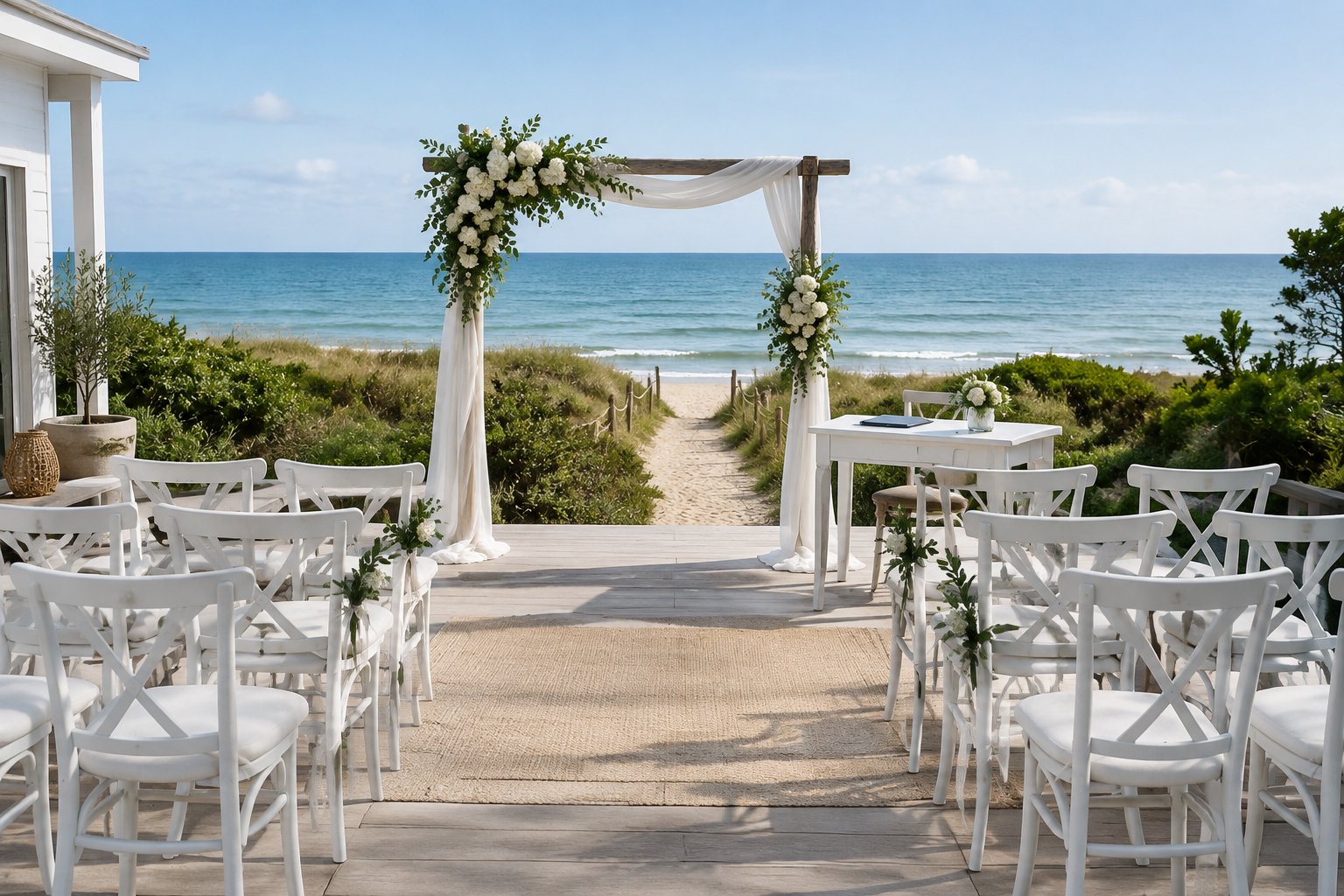
A small guest list makes it easier to focus on a place that feels personal, whether you picture an ocean-view terrace, a cozy inn, or a simple ceremony by the water. As you browse beautiful small wedding venues near the beach, start a shortlist of spaces that fit your guest count and offer a clear answer about permits, weather plans, and access.
What Does “Licensed” Mean for a Beach Wedding Venue?
In the U.S., “licensed” can refer to local approval to host events, while your marriage license comes from a government office. Ask the venue what its approval covers and check any rules for a public beach or other ceremony site. Your legal ceremony must also meet your state’s requirements for an officiant and any witnesses.
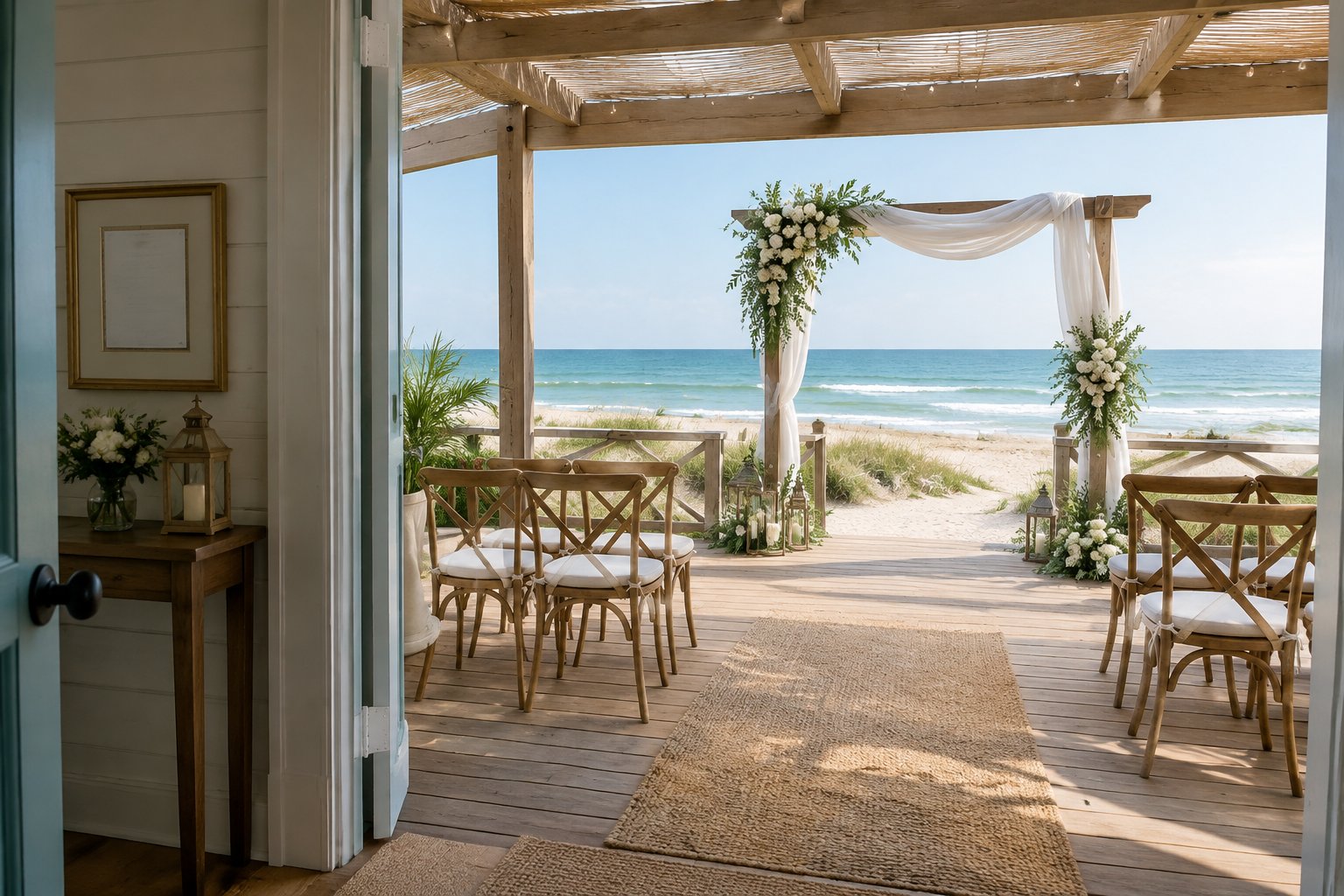
Which Venue Approvals and Beach Permits Should You Check?
Ask whether the property is approved for events and whether its event space has any capacity, noise, or operating limits. For a beach wedding on public land, check with the city, county, or park agency about reservations, permits, guest limits, setup rules, and restrictions on décor or amplified sound.
A venue may arrange permits for its own grounds, while a nearby public beach can have a separate process. Get the details in writing and confirm that the approved area matches your planned ceremony and reception setup.
Who Handles Permits for the Ceremony Site?
Ask your venue contact who applies for each permit and who pays the fees. If your vows will take place on public sand and your reception will be on private property, confirm that each location has its own approval and point of contact.
You can also check the local government’s event or parks office directly. Share your date, guest count, ceremony time, and setup plan so staff can tell you which rules apply.
How Is Venue Approval Different From a Marriage License?
A venue’s approval covers its use as an event space; a marriage license gives you legal permission to marry under state law. You apply for the marriage license through the appropriate local government office, often a county clerk, and follow the state’s rules for the ceremony and filing.
A church or temple may set its own rules for ceremonies held there. Those rules are separate from the civil marriage requirements that apply in your state. For more detail on the legal documents and steps, review what you legally need for a wedding.
Which Coastal Venue Style Suits a Small Wedding?
Choose a venue style that fits your guest count, the feeling you want, and how much of the event you want handled on-site. Small coastal wedding venues range from a hotel ballroom or resort to an inn, yacht, museum, loft, manor, or bed and breakfast. Your shortlist of beach wedding venues can include indoor spaces near the shore as well as outdoor ceremony sites.
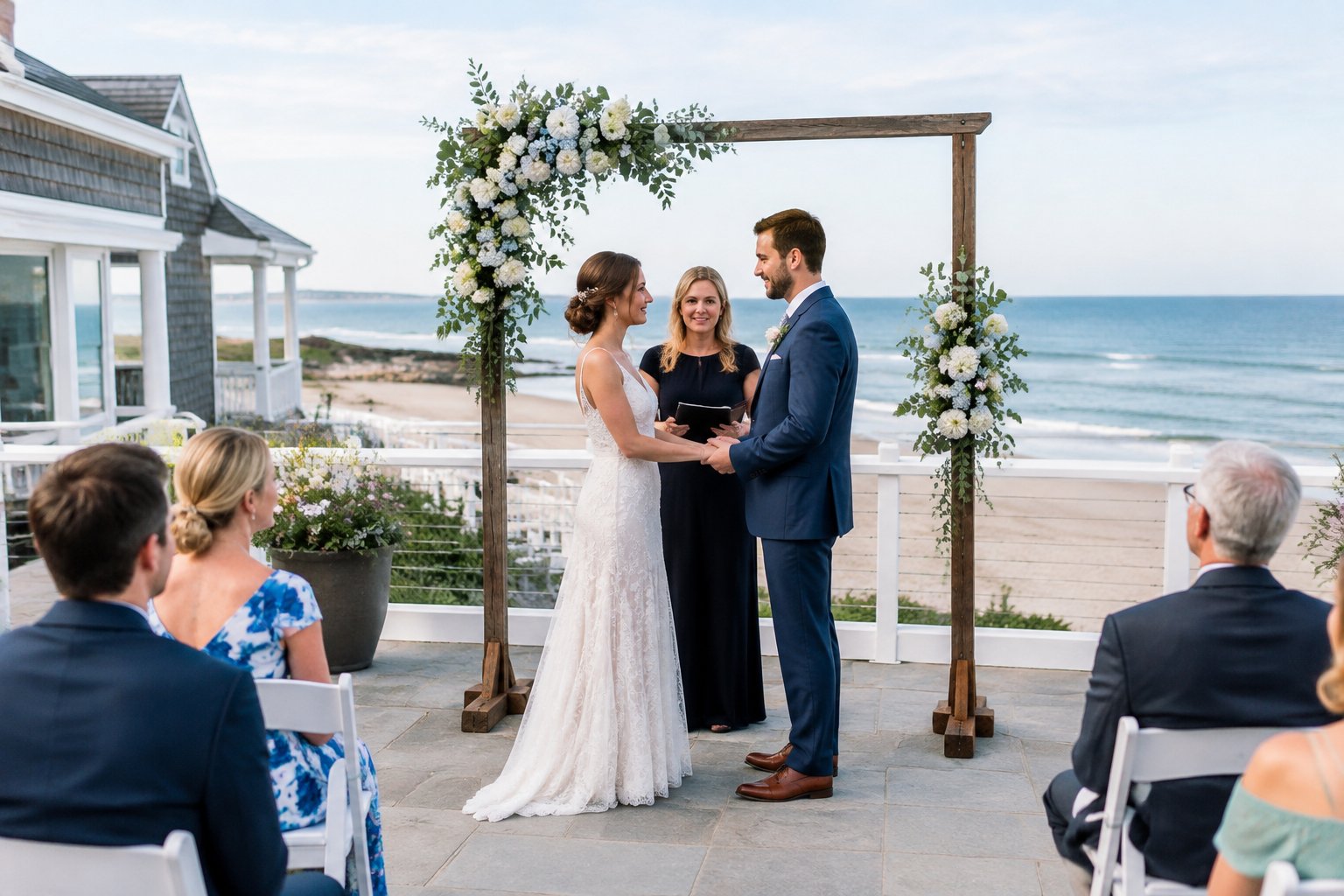
Would a Resort or Hotel Make Planning Easier?
A resort or hotel can make guest logistics easier when it offers event space, food service, and rooms in one place. A ballroom or banquet hall also gives you a sheltered option for dinner and dancing, with the beach nearby for the ceremony or photos.
Ask what the package includes, such as tables, chairs, catering, and an on-site coordinator. Check whether your date has a food or beverage minimum, and confirm how much time you get for setup and cleanup.
What Intimate Alternatives Offer a Distinctive Setting?
A smaller property can give your wedding a more personal feel. Consider a gallery, private club, private estate, winery, brewery, golf course, or yacht. A manor or mansion near the coast can also work for a small gathering, while a local restaurant may suit a relaxed rehearsal dinner.
Coastal listings may feature places such as Wild Dunes Resort, Monterey Beach Station, Hotel del Coronado, Surf Club, Navy Beach, Alila Marea Beach Resort, The Grand Hotel, Sandpearl Resort, Catamaran Resort Hotel and Spa, and Surf & Sand Laguna Beach. Treat each as a starting point for checking location, capacity, event rules, and current availability.
Can You Host the Ceremony and Reception at Separate Locations?
Yes, you can hold your ceremony at one site and your reception at another, provided both locations approve your plans. This gives you more choice, such as exchanging vows by the water and dining at a nearby inn or private room.
Before you book, map the route and ask how guests will get between the two places. Leave time for travel, photos, and parking, and check whether the second site has a rain plan if your ceremony runs late.
How Do You Find Small Beach Venues Near You?
Build your search around a coastal town or region, then compare nearby venues by guest capacity, access, and event rules. Broad searches such as “wedding venues near me” and “beach wedding venues near me” help you see local options, while direct calls can clarify details a listing leaves out.
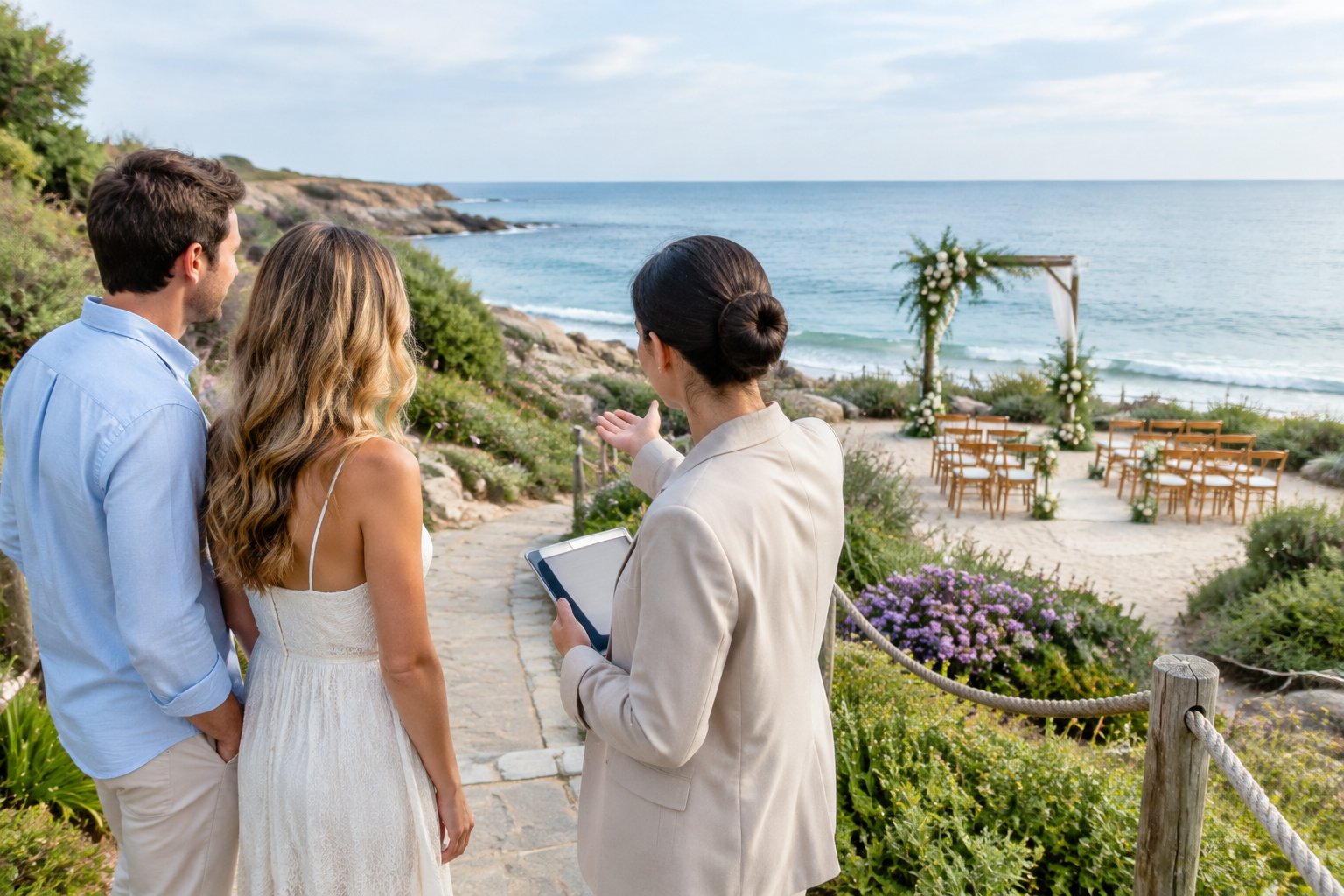
Which Searches and Directories Help Build a Local Shortlist?
Search by town, county, or stretch of coastline, then add terms such as “micro wedding,” “small event space,” or “ocean view.” You can also search “beach wedding venues near you” and use venue directories or platforms such as Peerspace to find spaces that match your date and group size.
Create a simple shortlist with the venue name, location, guest limit, event contact, and whether the ceremony site is on private or public land. Browsing local small wedding venues can help you think beyond beach-only listings when you want a nearby indoor backup.
How Do You Compare Nearby Options With Destination Locations?
A local venue makes it easier to visit, meet vendors, and check the route before the wedding. A destination wedding can bring your guests together in a new place, while adding travel plans and lodging decisions for the group.
Compare the full trip, not just the ceremony view. Include travel time, room costs, local transportation, and the work involved in coordinating vendors from a distance. If you are choosing between a nearby coast and a faraway location, use a local or destination wedding decision guide to sort through the practical differences.
Where Should You Look for Hawaii Beach Wedding Venues?
For Hawaii beach wedding venues, narrow your search by island and community first. Look at resorts, hotels, and private event spaces near the beach, then contact the relevant county or land manager to ask about public beach ceremony rules.
Ask each property whether its ceremony location is on-site or on public land and who secures any required permits. Check flight access and lodging options for your guests before settling on a date.
What Should You Compare Before Booking?
Compare each venue’s guest capacity, backup plan, access, and full cost before you sign a contract. A beautiful oceanfront wedding setting still needs a practical layout and a clear plan for wind, rain, and guest comfort.
How Do Guest Count and Layout Affect the Experience?
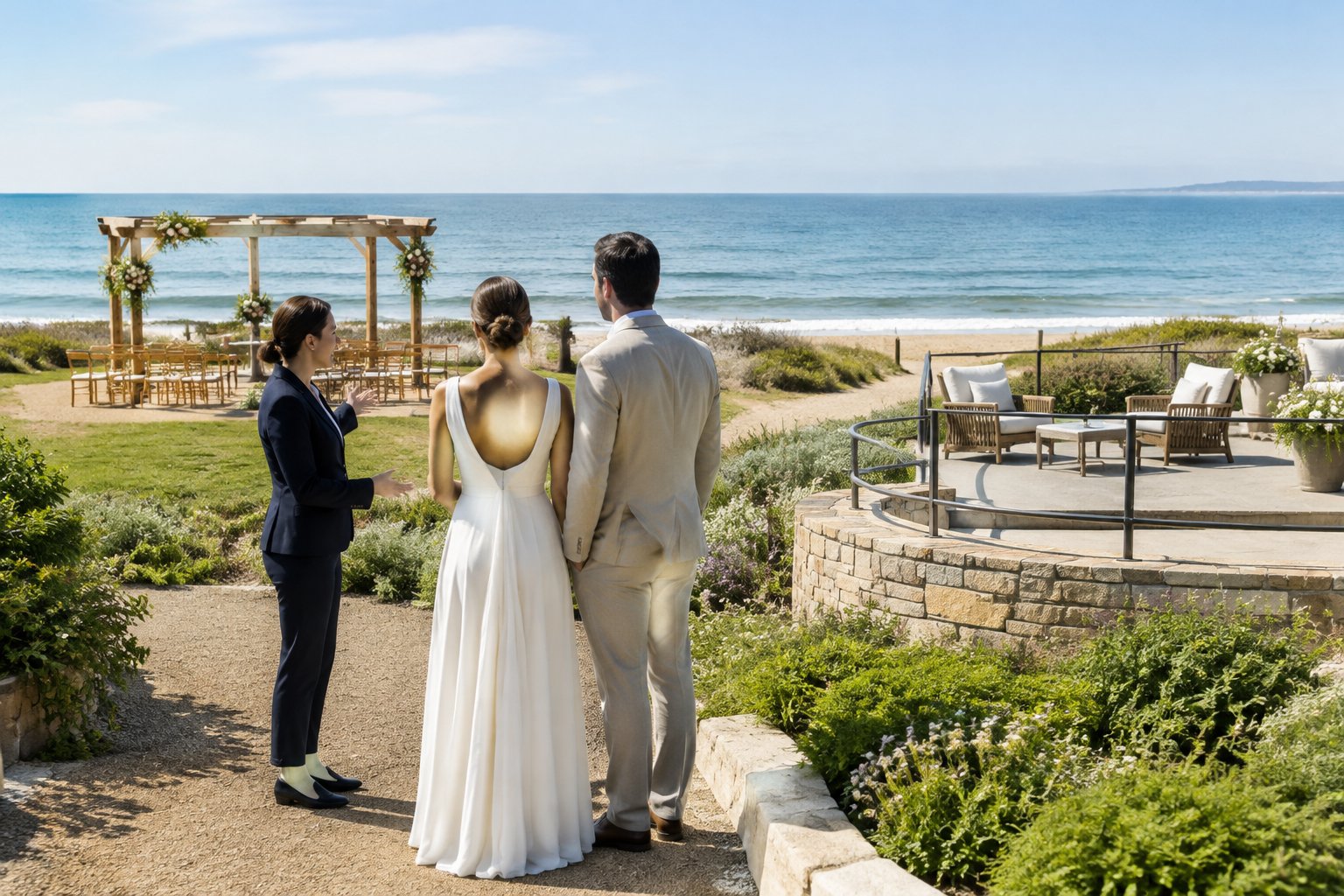
Ask for the comfortable seated capacity for your ceremony and reception, not only the venue’s maximum number. A space sized for your group gives guests room to move and keeps tables, chairs, and an aisle from crowding the setup.
Ask to see a sample floor plan. Check where guests will sit, where the couple will stand, and how people will move from the ceremony area to dinner. For an indoor ballroom or banquet hall, confirm whether the room is reserved for your event alone and what furniture the venue provides.
Which Accessibility and Weather Details Matter?
Check how far guests must walk from parking or drop-off to the ceremony site, and ask about firm paths, ramps, accessible restrooms, and seating. Sand can be difficult to cross for guests using mobility aids or anyone who has trouble walking.
Ask what happens if the weather changes. Find out whether the backup space is included, whether it holds your full guest count, and when the venue makes the call to move indoors. Also check for shade, water access, wind protection, and a plan for moving decorations or sound equipment.
What Costs, Services, and Restrictions Should You Confirm?
Request an itemized estimate that lists the rental fee, service charges, taxes, staffing, rentals, cleanup, and any required food or beverage minimums. Ask which services are included, such as tables, chairs, catering, setup, and coordination.
Confirm vendor rules, payment dates, cancellation terms, event hours, and any limits on music, candles, or décor. If you are comparing lower-cost options, review affordable wedding venues near the beach and compare the total cost of each package, including items you would need to rent separately.
How Can You Make the Wedding Day Comfortable for Guests?
Give guests clear directions, comfortable seating, and a simple plan for moving between the ceremony and reception. A few practical details help everyone arrive ready to enjoy the day, especially when the ceremony takes place outdoors.
How Can You Plan a Smooth Move From Vows to the Reception?
Set a clear schedule for the ceremony, photos, and reception, and share it with your venue contact and vendors. If the ceremony and reception are in separate spaces, confirm who guides guests and where they should wait during the transition.
For a nearby rehearsal dinner, share the location and timing with guests who are traveling in. Keep water available during the ceremony, offer seats, and let guests know whether the walk involves sand or stairs. You can use these wedding guest seating tips to plan a layout that works for your group.
What Should Guests Know About Travel, Parking, and Lodging?
Send guests the exact address, arrival time, parking details, and any local access instructions. If the ceremony is on a public beach, include the closest entrance or landmark and explain how far the walk is from the drop-off point.
Share lodging suggestions and transportation options early, especially for guests arriving from out of town. Let everyone know if they should wear shoes suited to sand, bring a light layer for an evening breeze, or plan extra time for traffic.