
The Garden Wedding Venue: Choosing Spaces and Packages
A garden wedding venue gives you a ceremony framed by living greenery, with the option to move the celebration indoors when the weather or schedule calls for it. Choose a garden wedding venue whose setting, indoor spaces, and package details match your guest count and plans. As you browse garden wedding venues, look past the ceremony lawn and ask how each space will work from arrival through the reception.
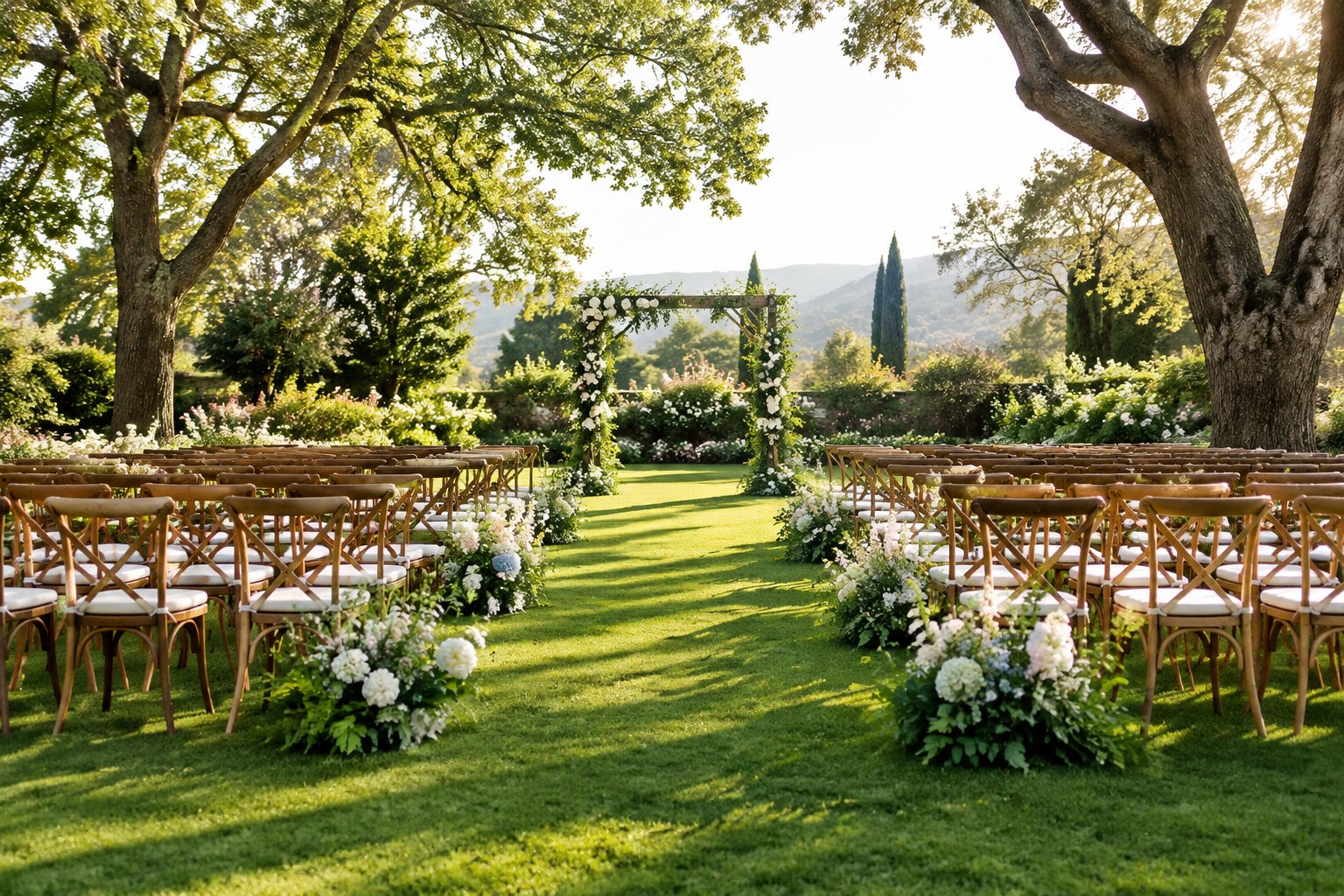
Set your priorities before you book a tour: guest capacity, a comfortable backup space, and a clear list of package inclusions. Then schedule visits to your favorites and walk through the day as you picture it, from the aisle to dinner and dancing.
What Makes a Garden Venue Special?
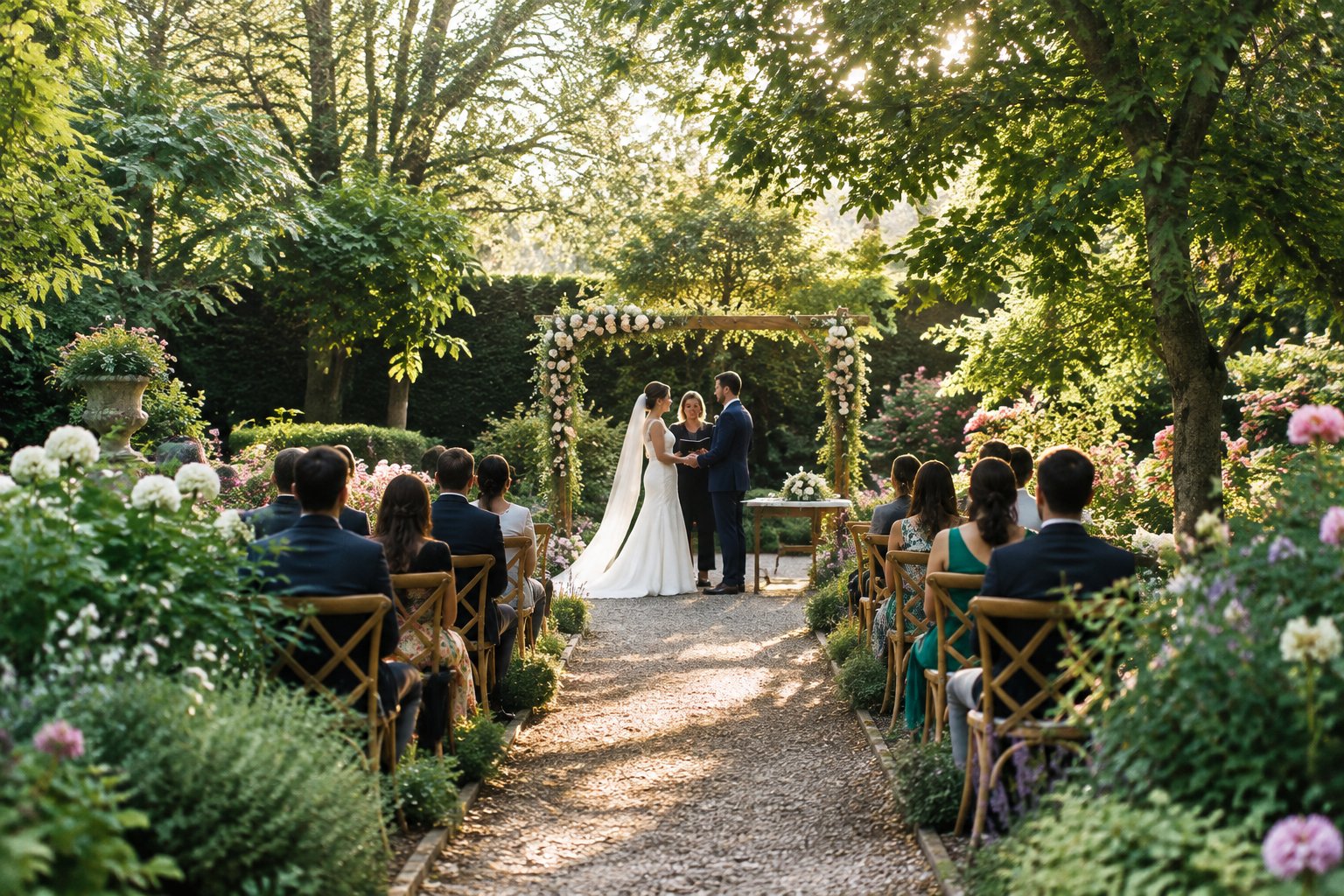
A garden gives your celebration color, texture, and a natural sense of place, so your décor can work with the landscape. Your ceremony backdrop, guest paths, and photo locations all become part of the setting.
How Gardens Shape the Mood of a Wedding
A garden can make a beautiful wedding feel relaxed and intimate, with plants and shifting daylight creating a backdrop that changes through the day. For a romantic wedding venue, consider how the garden looks in the season and at the time your ceremony is scheduled. Mature trees offer shade, while paths and planted borders give guests a sense of discovery as they move through the grounds.
Use the venue’s existing colors to guide your flowers, linens, and attire details. If the landscape is lush and colorful, simple décor can keep the ceremony area feeling open. You can explore beautiful garden wedding venues to compare settings with different styles of planting and layout.
Which Natural Features Make Memorable Backdrops?
A focal feature helps guests know where to look during the ceremony and gives your portraits a clear sense of place. Water features, flowering arches, specimen trees, and stone paths each create a different feel. A koi pond can add a calm waterside setting, while koi ponds along a path create a natural point of interest for photos.
Ask where guests can stand or sit near these features and whether the venue allows décor in those areas. Also check how the light falls at your ceremony time, since direct sun and deep shade affect guest comfort and photographs.
Which Spaces Can You Use for the Ceremony and Reception?
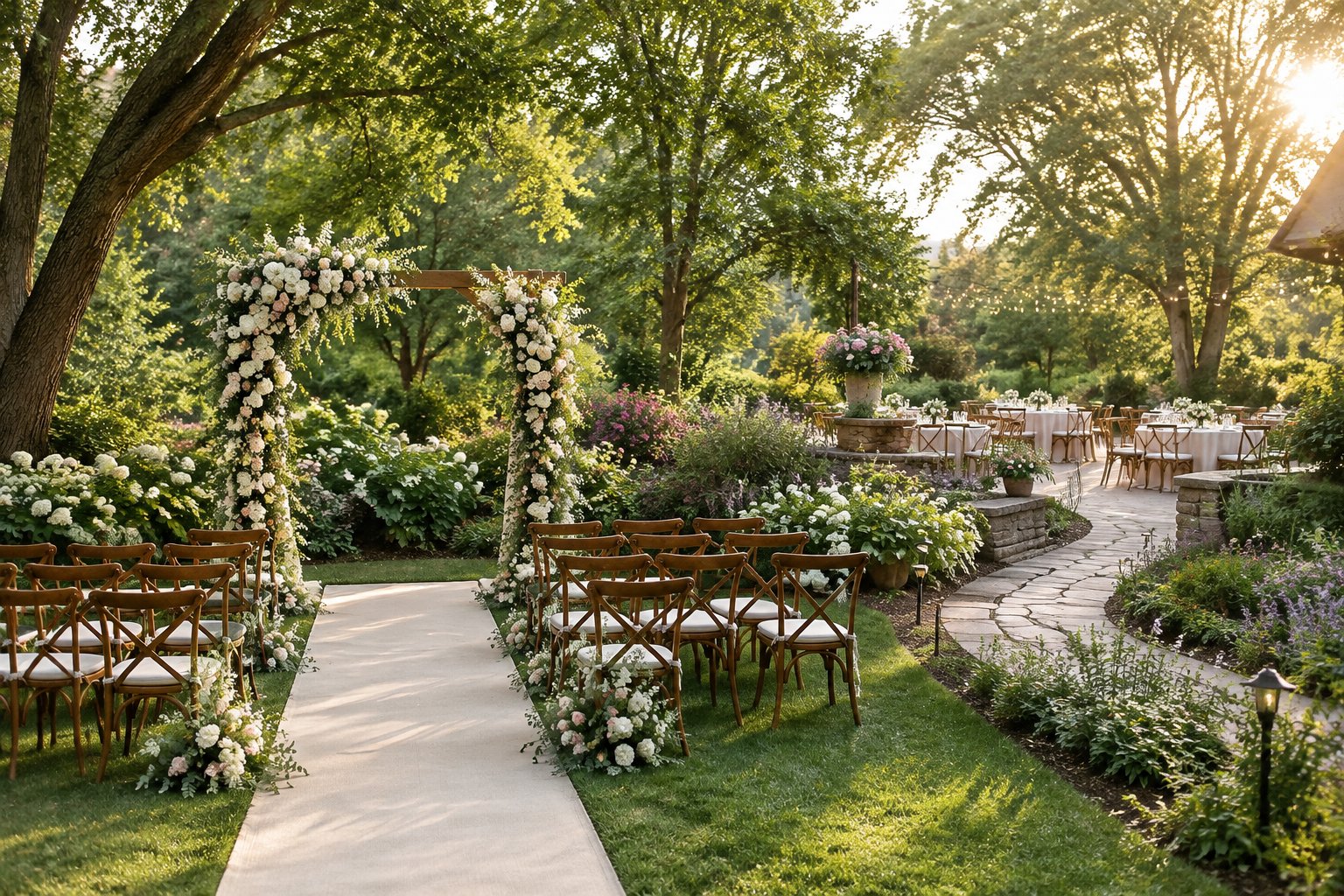
A flexible event venue gives you a clear plan for the ceremony, cocktail hour, dinner, and dancing, even if each part happens in a different place. Confirm the guest capacity and access rules for every event space you expect to use.
Outdoor Ceremony and Reception Areas
An outdoor wedding venue might offer a lawn for vows, a patio for cocktails, and a tented or open-air area for dinner. Walk the route between each space and note changes in ground surface, distance, shade, and lighting. Those details help you plan comfortable seating and enough time for guests to move between moments.
Ask whether tables, chairs, a dance floor, power, and lighting are included. If you are considering indoor outdoor wedding venues, check how guests and vendors will move between the two settings during a weather change.
Indoor Rooms and Conservatories
An indoor room gives you a protected setting for dinner or a weather backup, while a conservatory can keep greenery in view through glass. Ask about heating and cooling, room capacity, and the time needed to reset a space between ceremony and reception. A venue might describe a glass event space as a conservatory, such as Planterra Conservatory, so confirm the exact room and setup included in your rental.
If you want the ceremony outdoors and the reception inside, check that the indoor space suits your guest count and layout. Compare indoor outdoor wedding reception venues with attention to the distance between the ceremony lawn and the dinner area.
Getting-Ready Suites and Photo Locations
A bridal suite gives you a private place to get ready, store personal items, and take a quiet break before the ceremony. Ask when you can enter, how many people the room accommodates, and whether it includes mirrors, seating, and nearby restrooms. Check whether the other members of your wedding party have a separate space.
Walk the grounds with your photographer to identify portrait locations and the time of day each one receives good light. Ask about access to these areas during the event and whether the venue schedules other activities nearby.
What Do Wedding Packages and Services Include?
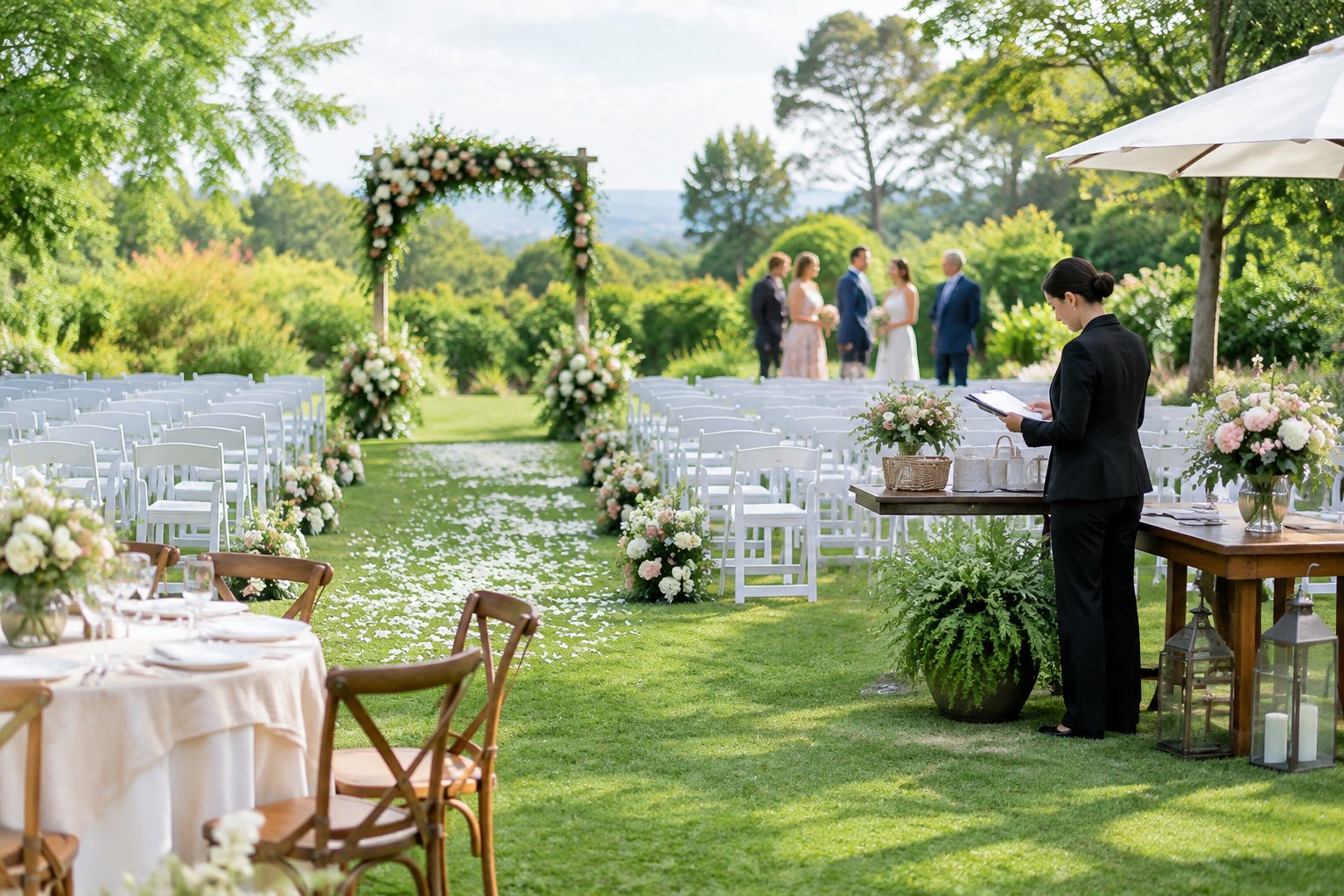
Wedding packages can bundle the site, equipment, food, and event support, but the details differ by venue. Ask for an itemized list so you can compare what each price covers.
Catering, Coordination, and Rentals
Ask whether on-site catering is included, offered as an add-on, or handled by a vendor you choose. Review the menu format, service style, beverage options, and any per-person charges. If a package includes tables and chairs, confirm the quantity, style, setup, and cleanup.
Clarify what coordination covers. A venue coordinator may manage access, room setup, and venue staff on the wedding day, while a wedding planner may help with planning across vendors and details. Ask who your main contact will be and what decisions that person will handle. You can compare all-inclusive venues for weddings by checking the same line items across each proposal.
What to Check in an All-Inclusive Package
The phrase “all-inclusive” can describe different services, so read the contract and package details closely. Confirm the event hours, setup and breakdown times, staffing, rentals, food and beverage, and any service charges or taxes. Ask which items carry extra fees, including overtime, special equipment, or vendor access.
Check whether the venue provides linens, tableware, décor, lighting, and a space for getting ready. Ask how many guests the quoted price covers and whether children or vendor meals are priced separately. If you want to bring your own florist, caterer, or entertainment, get the vendor rules and any added fees in writing before you sign.
How Do You Choose the Right Garden Venue?
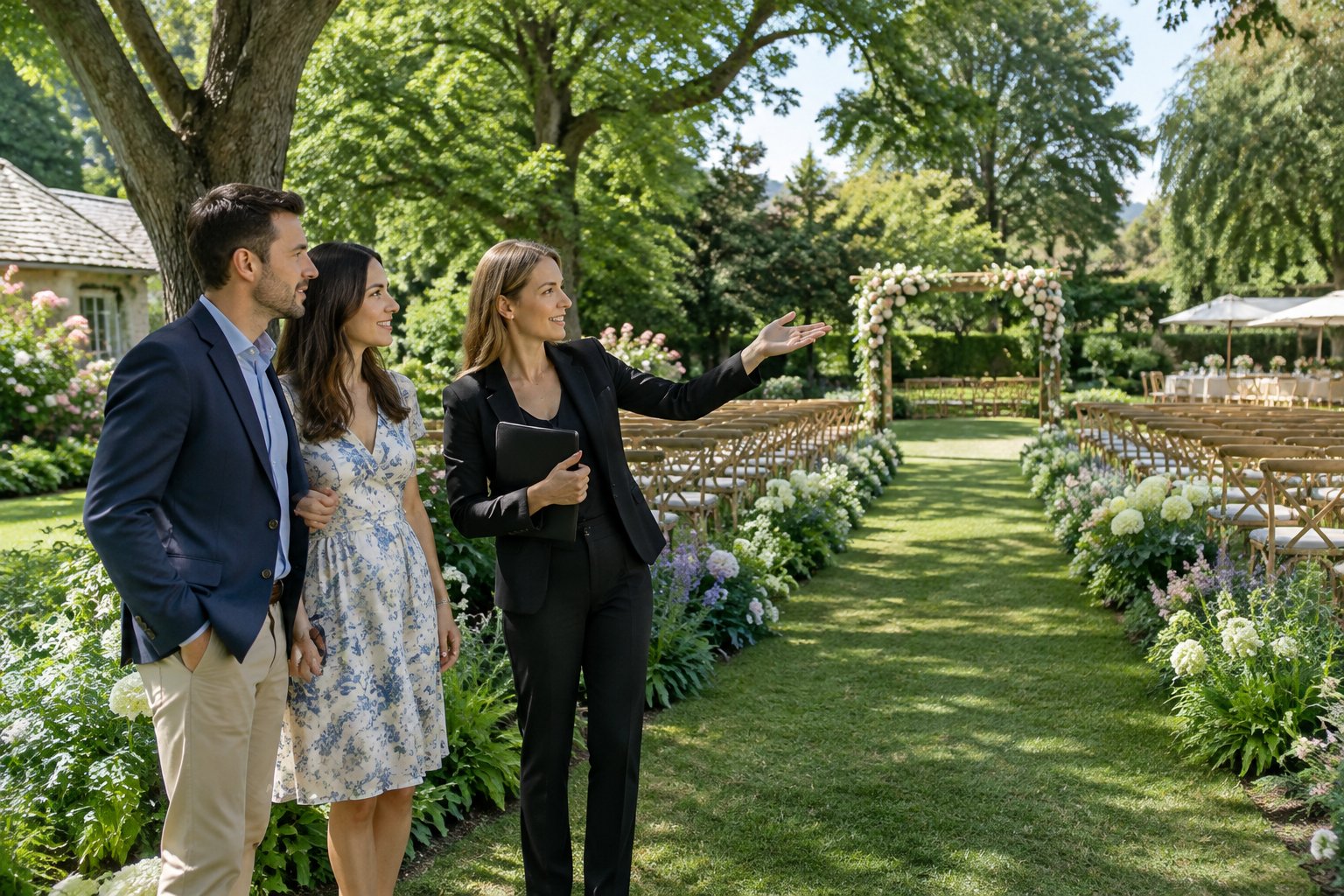
The right choice fits your guest list, budget, travel needs, and backup plan while giving you a setting you enjoy. Compare wedding venues using the same questions and cost categories so you can make a fair decision.
Guest Capacity, Location, and Accessibility
Start with your estimated guest count and ask for the capacity of each ceremony and reception space. Check whether the listed number allows room for a dance floor, dining tables, a band or DJ, and accessible paths. A layout that fits every guest comfortably will help the celebration flow.
Consider travel time from hotels, airports, or the places where most guests live. Ask about parking, drop-off areas, shuttle access, and paths for guests using mobility aids. During your tour, walk the main route from parking to the ceremony and reception so you can spot steep slopes, gravel, or other tricky surfaces.
Budget, Availability, and Vendor Policies
Compare the full cost, including rental fees, food, rentals, staffing, taxes, and add-ons. Ask which dates remain available and whether weekday or off-season bookings have different rates. Check deposit terms, payment dates, cancellation rules, and the cost of adding time.
Review vendor policies before you fall in love with a date. Ask whether you can bring your own team, whether the venue has preferred vendors, and whether vendor access or setup carries fees. Record each answer in your venue comparison notes so you can compare offers accurately.
Weather Plans and Indoor Alternatives
A solid weather plan names the backup space, the person who makes the call, and the time the decision must be made. Visit the indoor option during your tour and picture your ceremony or reception there. Check the room’s capacity, layout, lighting, and access to restrooms.
Ask how the venue handles heat, wind, and rain, including tent options and any related charges. Find out how vendors will be told about a change and how guests will learn where to go. Keep umbrellas, fans, or water available when the forecast calls for wet or hot conditions.
How Can You Plan a Smooth Wedding Day?
A smooth wedding day comes from clear routes, realistic timing, and a trusted point person who can manage details while you celebrate. Share the schedule with your vendors and wedding party, then confirm who will communicate changes.
Map the Guest Journey from Arrival to Reception
Plan each step from the parking area to the ceremony, cocktail hour, dinner, and dancing. Make signs easy to spot and give guests clear directions between outdoor and indoor spaces. If guests need transportation between locations, build in extra time for loading and arrival.
Check that the route works for older guests and anyone with mobility needs. Identify restrooms, shaded seating, and places to get water. Ask your venue contact who will guide guests and answer questions during arrival.
Build a Timeline Around the Venue
Set your ceremony time with the season, daylight, and the venue’s access hours in mind. Allow time for vendor setup, portraits, guest seating, and movement between spaces. Share the schedule with your coordinator and vendors, and use a wedding day itinerary to keep the timing clear.
Confirm when vendors can load in and when the space must be cleared. If your venue coordinator handles event-day logistics, agree on who will make announcements and approve timing changes. A written schedule helps each person know where to be and when.
Make Time to Enjoy the Celebration
Build a few quiet pauses into the day so you can greet guests, eat, and take in the celebration. Ask your coordinator to handle small questions and keep vendors updated while you spend time with your family and friends.
Set aside a short moment together after the ceremony before joining the reception. Before the wedding, give one trusted person a copy of the schedule and the venue contact’s details. That simple handoff lets you stay present while someone else keeps the next event moving.