
Typical Wedding Flower Cost: Budget and Price Guide
A typical wedding flower cost in the U.S. is about $2,800 as a broad benchmark, while a full-service floral plan can range from roughly $2,500 to $7,000 or more. Your guest count, flower choices, location, and design scale shape the final price.
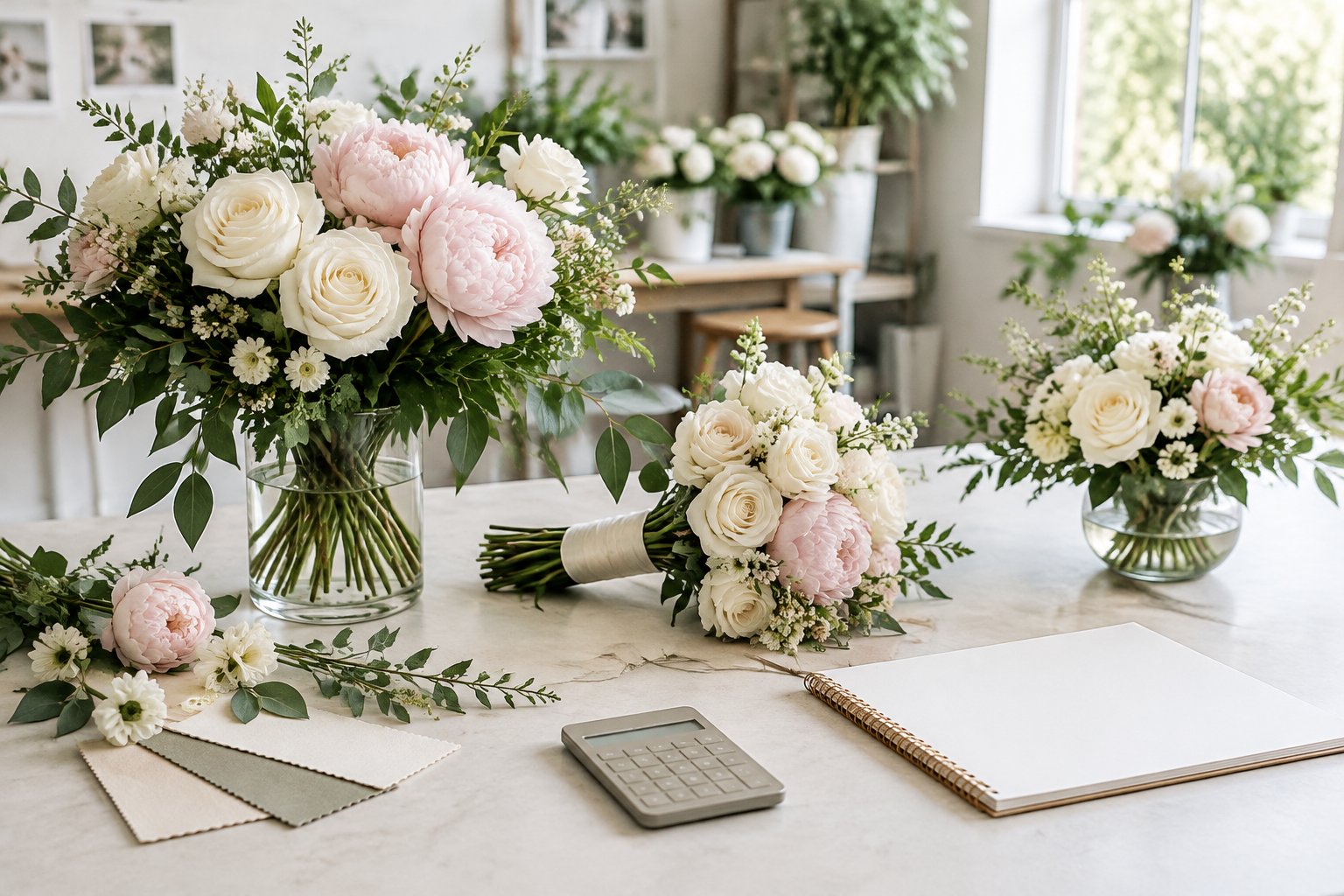
A smaller celebration with a few personal flowers can cost less, while a large wedding with centerpieces and a floral arch can push the total much higher. Set a spending limit that feels right for you, then bring that number to your first florist conversation.
What Do Couples Usually Spend on Wedding Flowers?
A practical starting point is $2,800, with many full-service weddings falling between $2,500 and $7,000 or more. Your floral priorities and guest count help determine where your budget lands within that range.
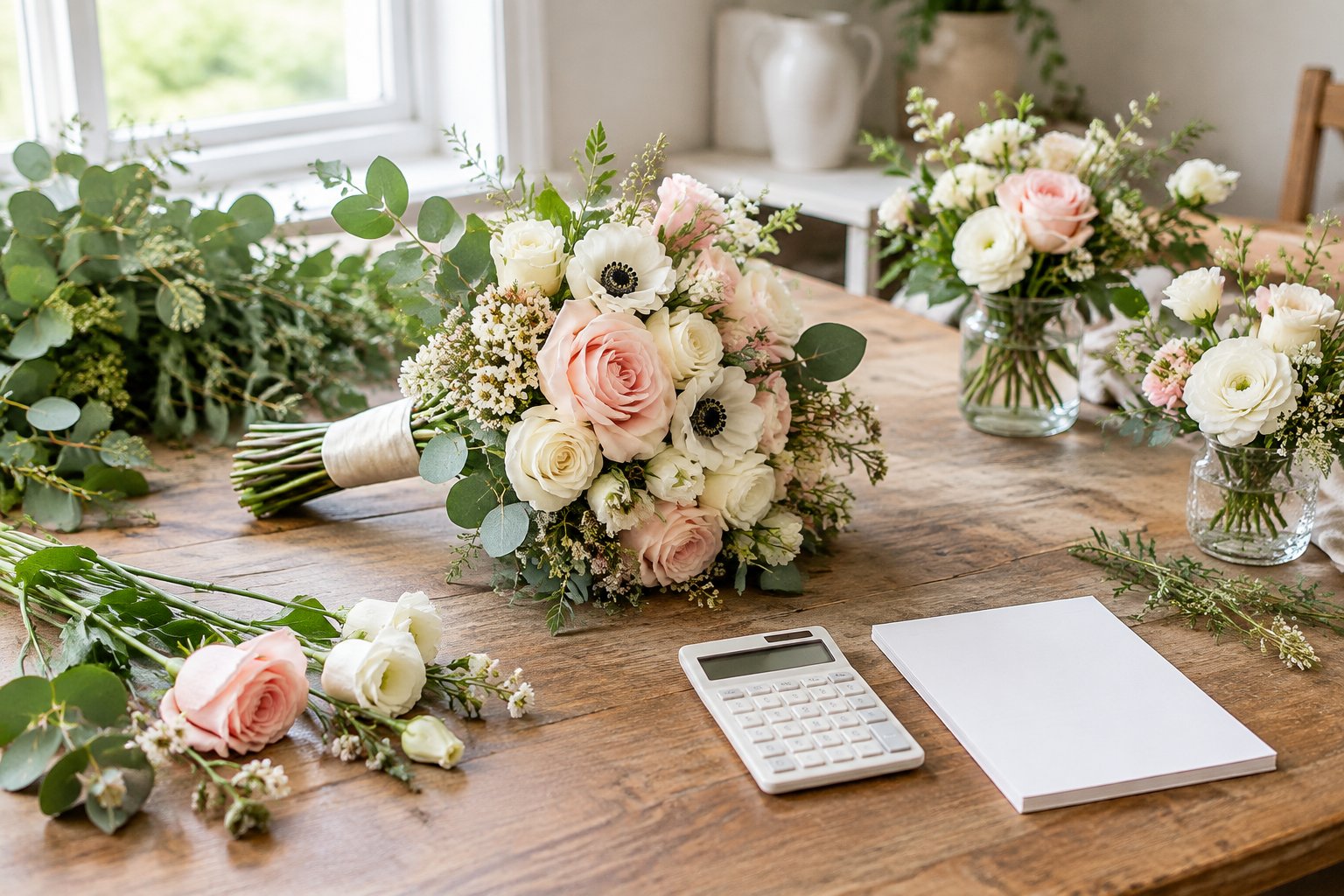
What Is the Average Cost of Wedding Flowers?
The Knot Real Weddings Study has reported an average wedding flower cost of about $2,800. Treat that figure as a reference point, not a guaranteed quote: one couple may order bouquets and a few table arrangements, while another may add a ceremony installation and extensive reception flowers.
For planning, a full-service floral budget of $2,500 to $7,000 or more gives you a useful range. Your florist’s proposal will reflect the pieces you request, the flower varieties available, and the labor needed to design and deliver them. You can use this average wedding flower cost estimate as another planning reference.
How Does Spending Vary by Budget and Guest Count?
Your guest count affects the total through the number of tables and centerpieces you need. For example, a centerpiece priced at $100 adds $1,000 across 10 tables and $2,000 across 20. A smaller guest list can leave more room for a statement bouquet or ceremony piece.
Your design goals also shape the budget. A plan focused on bouquets and simple table flowers can stay modest; large installations, premium blooms, or flowers across many parts of the venue raise the total. Decide which pieces you want guests to notice most before you request quotes.
What Share of Your Wedding Budget Should Go to Flowers?
A common planning guideline is to reserve about 8% to 10% of your total wedding budget for flowers. That share gives you a starting point, while your priorities determine the final amount. A floral-forward design with a large arch and abundant centerpieces may call for a higher share.
For a $40,000 wedding, 8% to 10% comes to $3,200 to $4,000. Use a wedding flower budget estimate to shape your own number, then include delivery, setup, rentals, and tax in your working total.
How Much Do Individual Floral Arrangements Cost?
Individual prices range from a few dollars for a simple accent to thousands for a large floral installation. Your total comes from the number, size, flower types, and service needs of the pieces you choose.
What Does a Bridal Bouquet Cost?
A wedding bouquet often costs about $150 to $350. A smaller design with readily available flowers can sit near the lower end, while a large bouquet with premium blooms or a cascading shape can reach $500 or more. The bridal bouquet cost reflects flower quantity, design detail, and the time needed to build it.
If you want a personal project, review the costs and steps involved in making a wedding bouquet on a budget. Keep in mind that a florist also handles sourcing, flower preparation, and timing for your wedding day.
How Much Are Boutonnières and Wedding Party Flowers?
Boutonnières commonly cost $15 to $40 each, and corsages often fall around $20 to $50. Bridesmaid bouquets can range from about $50 to $150 each, depending on their size and flower mix. Multiply those prices by the number of people in your wedding party to estimate this category.
A smaller wedding party or simpler attendant flowers can lower your personal-flower total. You can also ask your florist to use a few focal blooms with greenery or other lower-cost flowers for a coordinated look.
What Do Centerpieces and Ceremony Flowers Cost?
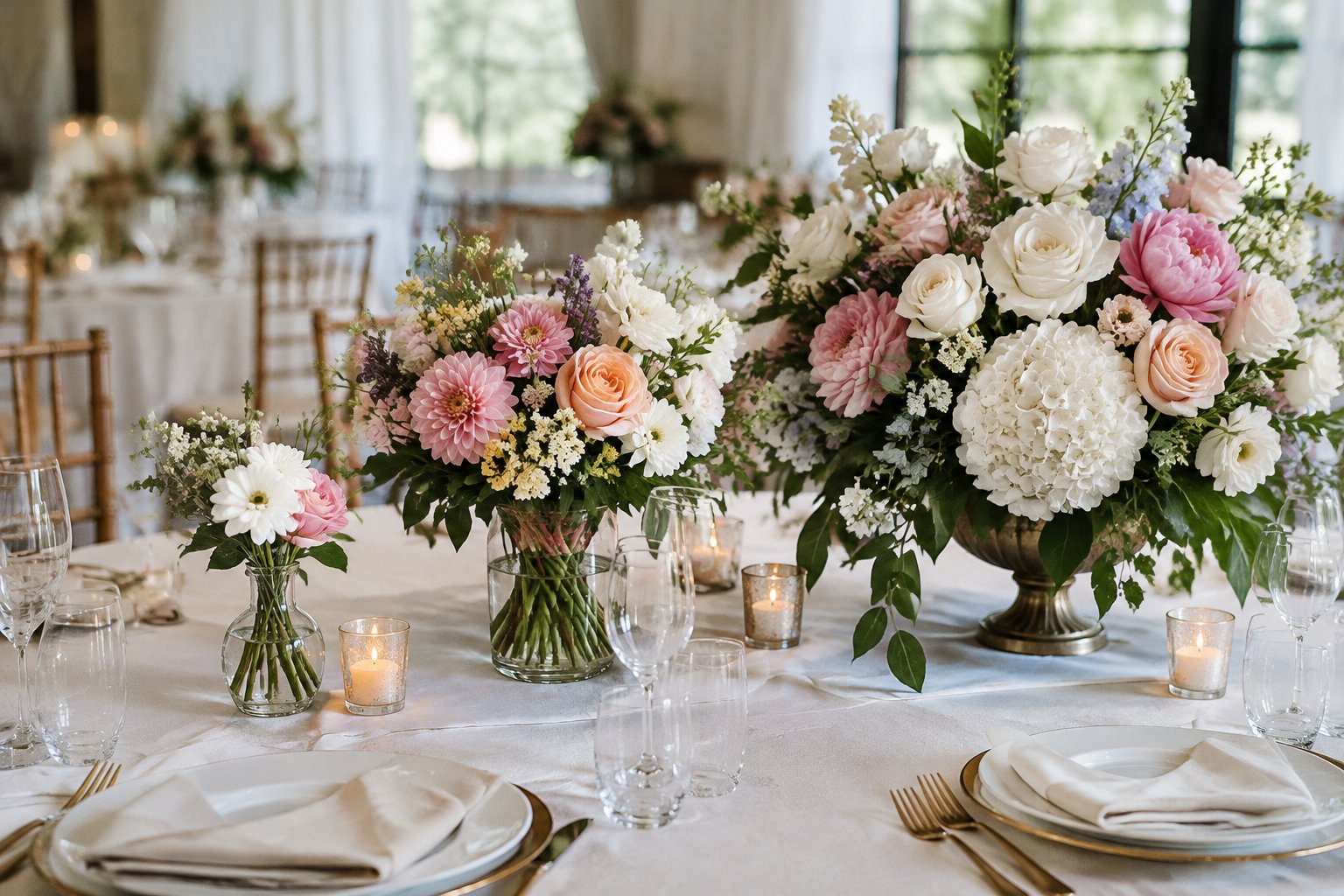
Low centerpieces often range from about $75 to $250 each. Tall designs can cost $200 to $600 or more per table because they need added flowers, structure, and setup time. Ceremony flowers, such as aisle arrangements or altar pieces, may range from about $100 to $500 or more per arrangement.
The number of tables makes a large difference. Multiply your preferred centerpiece price by the table count, then add ceremony arrangements and any flowers for the welcome area or head table. This gives you a more realistic estimate than looking at a per-piece price alone.
How Much Can a Floral Arch or Installation Add?
A floral arch can add about $500 to $2,500 or more to your quote. A light design with limited flowers sits toward the lower end; a full arch or custom installation requires more stems, support materials, design work, and on-site labor.
Ask whether the price includes the frame, delivery, installation, and removal. A florist may also recommend a design that highlights selected parts of the structure, which can create a strong focal point with fewer flowers.
What Drives Wedding Flower Costs Up or Down?
Flower availability, design labor, and venue logistics all shape wedding flower costs. Your choices around season, location, and arrangement scale help explain why two proposals with similar colors can have very different totals.
How Do Flower Choices and Season Affect Prices?
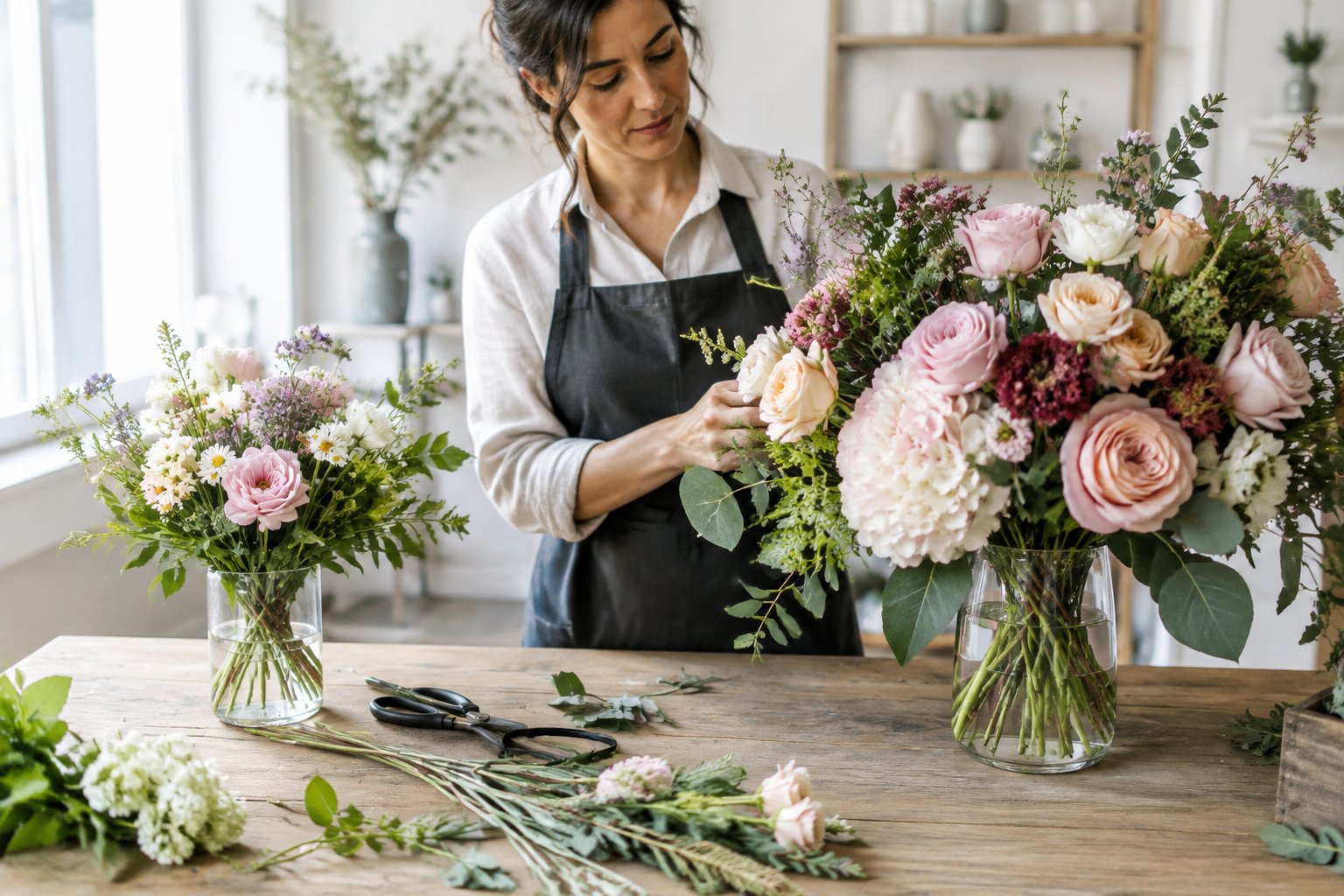
Flowers in season are often easier to source and can cost less than blooms that need to travel from far away. Your florist can suggest seasonal alternatives that fit your color palette and preferred style. For more flexibility, consider choosing wedding flowers for your date and style.
Availability can shift with weather and supply, so share the flowers you love while staying open to substitutions. A short list of preferred colors, shapes, and textures gives your florist room to select suitable blooms.
How Do Location, Labor, and Setup Affect the Quote?
Your location affects delivery distance, local labor rates, and the time needed to reach the venue. A remote venue, restricted loading hours, or a tight setup window can add work to the order. Large pieces also require extra hands and careful installation.
Your quote covers more than the stems. It may include design planning, flower processing, containers or mechanics, packing, delivery, setup, and cleanup. Ask your florist to list each service so you know what the price includes.
Which Flowers Tend to Be More Expensive?
Peonies, garden roses, orchids, and other specialty blooms can cost more because of demand, limited availability, or delicate handling. Their price can rise when your wedding date falls outside their main season.
Carnations, many rose varieties, daisies, and greenery can help fill out designs at a lower cost. Your florist can combine a few premium focal blooms with more affordable flowers to create depth without using high-cost stems throughout every arrangement.
How Can You Make Your Floral Budget Go Further?
You can stretch your wedding flower budget by focusing spending on high-visibility pieces, choosing flexible blooms, and planning arrangements for more than one use. A clear priority list helps your florist suggest changes that preserve the look you value.
Can You Repurpose Ceremony Flowers at the Reception?
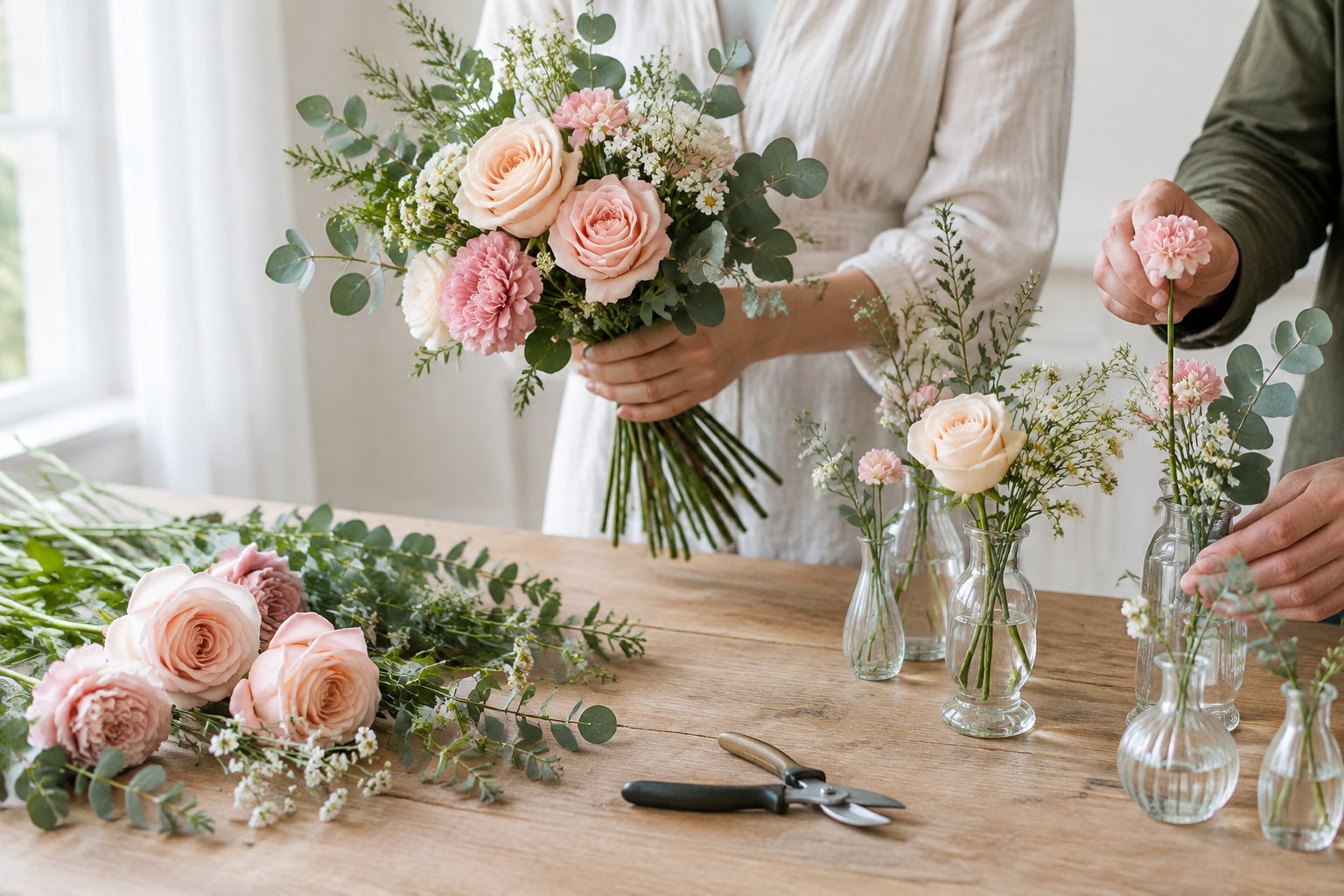
Yes, you can move ceremony arrangements to the reception when the design and schedule allow it. Altar flowers can decorate a sweetheart table, and aisle arrangements can accent the bar or entrance. Bridesmaid bouquets can also sit in vases on the head table.
Plan the move with your florist and venue team before the wedding. Moving pieces takes time and may require staff, so confirm the labor cost and who will handle each arrangement.
Where Can You Simplify Without Losing Impact?
Choose a few focal areas for fuller flowers, such as your ceremony backdrop and reception tables. Keep less prominent areas simple with greenery, candles, or a small number of bud vases. A mix of centerpiece styles can also create a layered look across the room.
Set a firm spending cap and share your priorities with your florist. These wedding flower budget tips can help you decide which pieces to protect and where a simpler design will work.
When Does DIY Make Sense?
DIY can suit you when you have a small order, access to flowers, and enough time to prepare arrangements close to the wedding. It also works best when you have a cool place to store blooms and people available to help with setup.
Compare the cost of supplies, flower waste, transport, and your time with the florist’s quote. A DIY wedding bouquet cost comparison can help you assess the trade-offs. For a larger wedding or a complex installation, professional design and setup can make the schedule easier to manage.
How Should You Plan and Compare Florist Quotes?
You can compare florist quotes fairly when each proposal covers the same arrangements, quantities, and services. A clear brief and itemized prices help you spot differences before you book.
What Should You Include in Your Floral Brief?
Give your wedding florist your date, venue, guest count, and table count. Share your color palette, favorite flower styles, and any flowers you want to avoid. Include inspiration images and list the pieces you need, such as bouquets, boutonnieres, centerpieces, or ceremony flowers.
State your budget as a total amount and identify your top priorities. A prepared wedding florist meeting checklist can help you organize those details before the consultation.
Which Fees and Services Should You Check?
Review each quote for flower and arrangement prices, delivery, setup, rentals, breakdown, and tax. Check whether vases, stands, and arch frames are rented or included in the price. Confirm the deposit, payment schedule, and rules for changes or cancellations.
Ask for an itemized proposal with quantities and sizes. If one florist quotes a package and another lists every piece, request matching details before comparing totals.
What Questions Should You Ask a Wedding Florist?
Ask which flowers are planned for your date and how substitutions will be handled if a bloom is unavailable. Confirm delivery and setup times, who will move repurposed pieces, and whether cleanup is included.
You can also ask what changes would bring the proposal closer to your budget. A useful answer should name specific adjustments, such as reducing centerpiece size or simplifying a low-priority area.