
Unique Wedding Venues in the South: Distinctive Ideas
A distinctive Southern wedding venue gives your celebration a strong sense of place, from a garden beneath moss-draped oaks to a Gulf Coast shoreline or a restored historic building. You can find unique wedding venues in the South in gardens, coastal towns, mountain settings, art spaces, and historic estates.
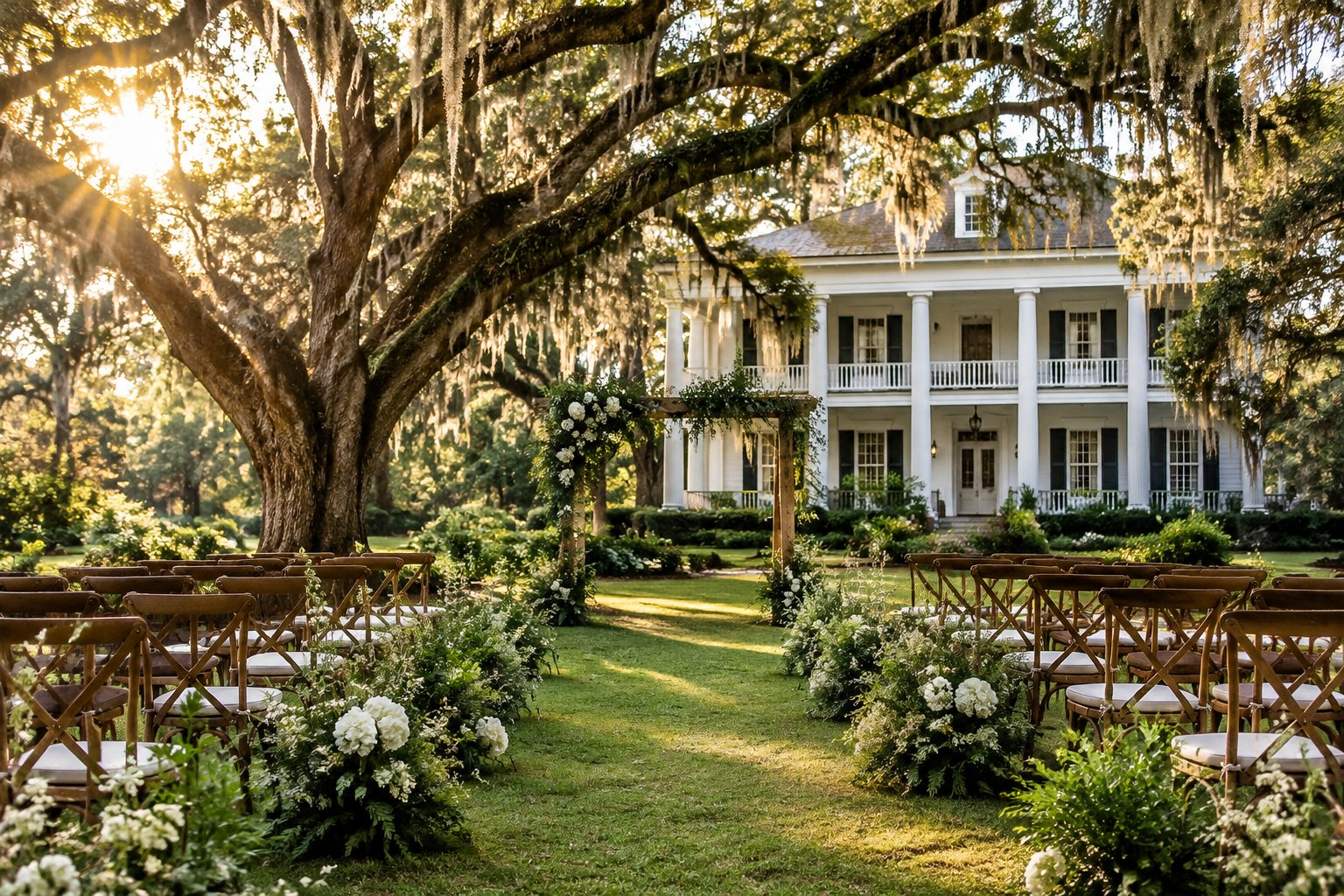
Choose a setting that reflects your style and works for your guest count, budget, and plans for the day. Start by saving a few locations that feel right, then ask each venue about dates, access, and what its rental includes.
What Makes a Southern Wedding Venue Feel Unique?
A Southern venue feels distinctive when its architecture, landscape, or local character gives your day a clear sense of place. Historic details and outdoor surroundings can shape the mood before you add a single decoration.
How Do Local History and Architecture Shape the Experience?
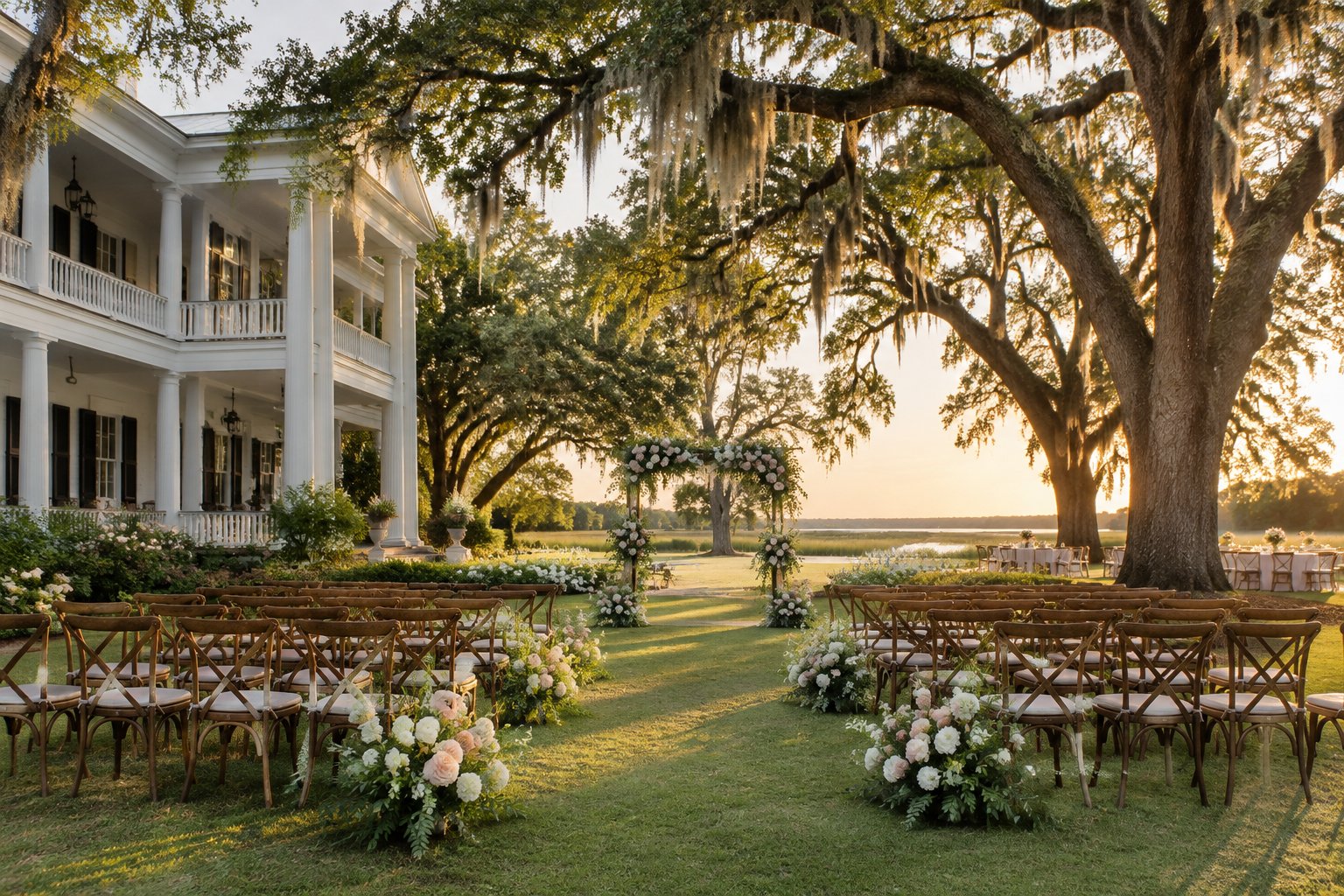
Historic homes, courthouses, and former plantations offer details that give your celebration a strong visual identity. White columns, brick courtyards, wraparound porches, and original woodwork create a setting with character built in.
As you compare historic properties, ask how the venue shares its history and what spaces are open to guests. You can also look for places with a mix of indoor and outdoor areas, such as a courtyard for cocktails and a hall for dinner. A venue with existing style can help you focus your décor on a few personal touches.
Which Natural Settings Create a Memorable Backdrop?
Southern landscapes include shaded gardens, open fields, pine forests, rivers, and lakes, each with its own feel. A garden gives you leafy paths and flowers, while a waterfront setting brings open views and the sound of moving water. Browse garden-style wedding venues if you want plants and blooms to shape the setting.
Consider how your ceremony spot will look at the time of day you plan to marry. Shade can make an afternoon ceremony more comfortable, while a sunset view gives you a warm evening backdrop. For an outdoor celebration, review more beautiful outdoor wedding venues as you narrow your style.
Which Southern Regions Offer Standout Settings?
The South offers a wide range of wedding settings, from Gulf Coast beaches to mountain overlooks and Lowcountry gardens. Your choice of region can shape the scenery, travel plans, and season you select.
What Makes the Gulf Coast Appealing for a Wedding?
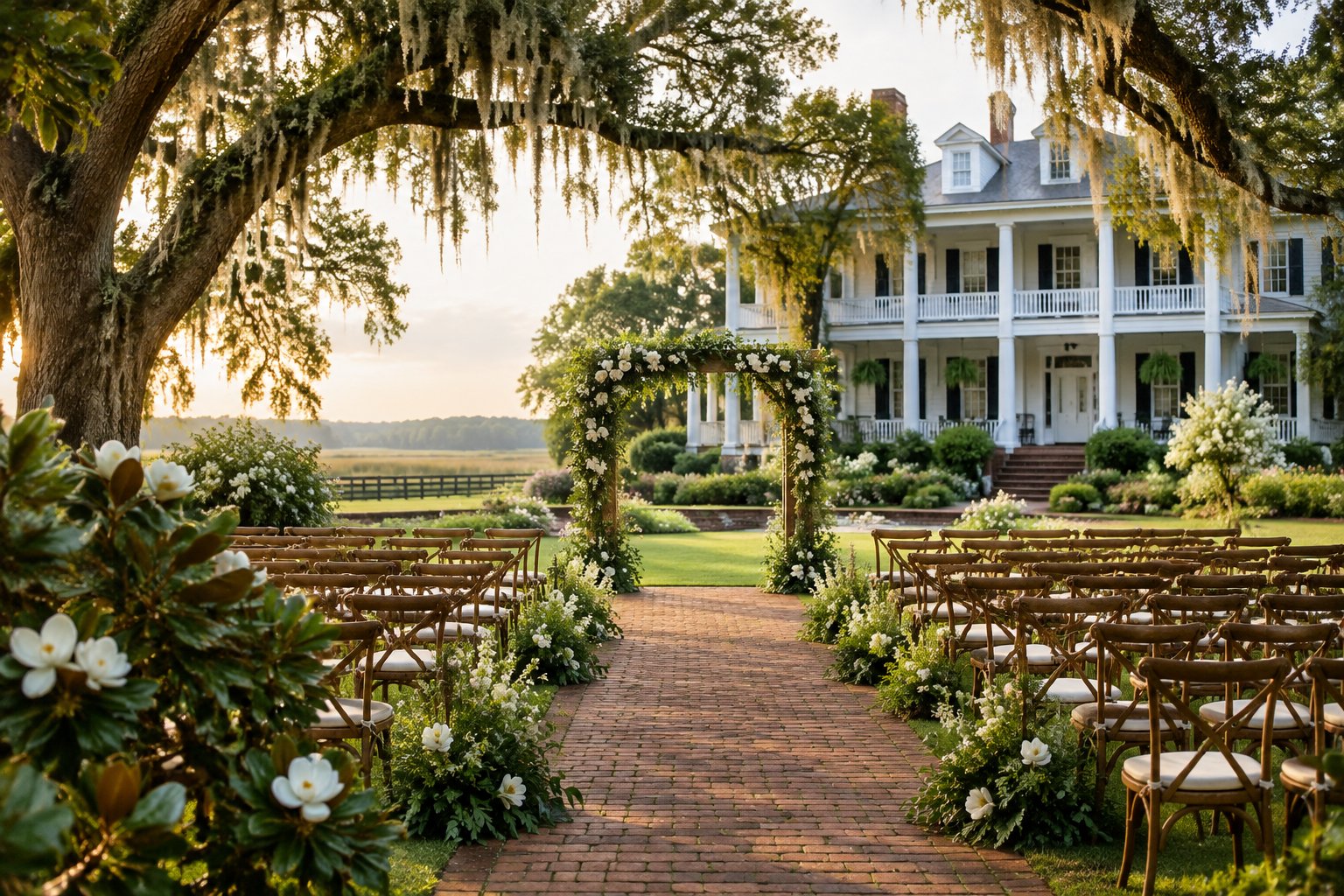
The Gulf Coast pairs warm light and coastal scenery with the relaxed feel of seaside towns. You might choose a beachfront ceremony, a waterfront inn, or a garden venue a short drive from the shore. Explore beach wedding venues in the Southeast for ideas that bring the coast into your plans.
When you compare coastal locations, ask about wind, rain plans, and guest access to the ceremony site. Check whether the venue has indoor space nearby, and confirm any rules for ceremonies on public beaches. A private property can offer more control over timing and setup.
Where Can Couples Find Mountain, Garden, and Lowcountry Scenery?
For mountain views, look to the Blue Ridge and Smoky Mountain regions, where you can find lodges, vineyards, and properties with overlooks. A lakeside setting offers a different kind of open view, with calm water and tree-lined shores; browse lakeside wedding venues in the South if that suits your plans.
The Lowcountry, including coastal areas of South Carolina and Georgia, is known for marshes, oak-lined lanes, and historic gardens. You can also find formal estates and intimate courtyards near towns such as Charleston and Savannah. For mountain scenery, compare wedding venues near the mountains with the travel time your guests can manage.
What Unexpected Spaces Can Host a Wedding?
Art venues, museums, and converted commercial spaces give you a distinctive setting with built-in character. Their layouts and rules can differ from traditional event spaces, so check what the rental covers before you book.
Can Art Galleries and Museums Make Intimate Wedding Venues?
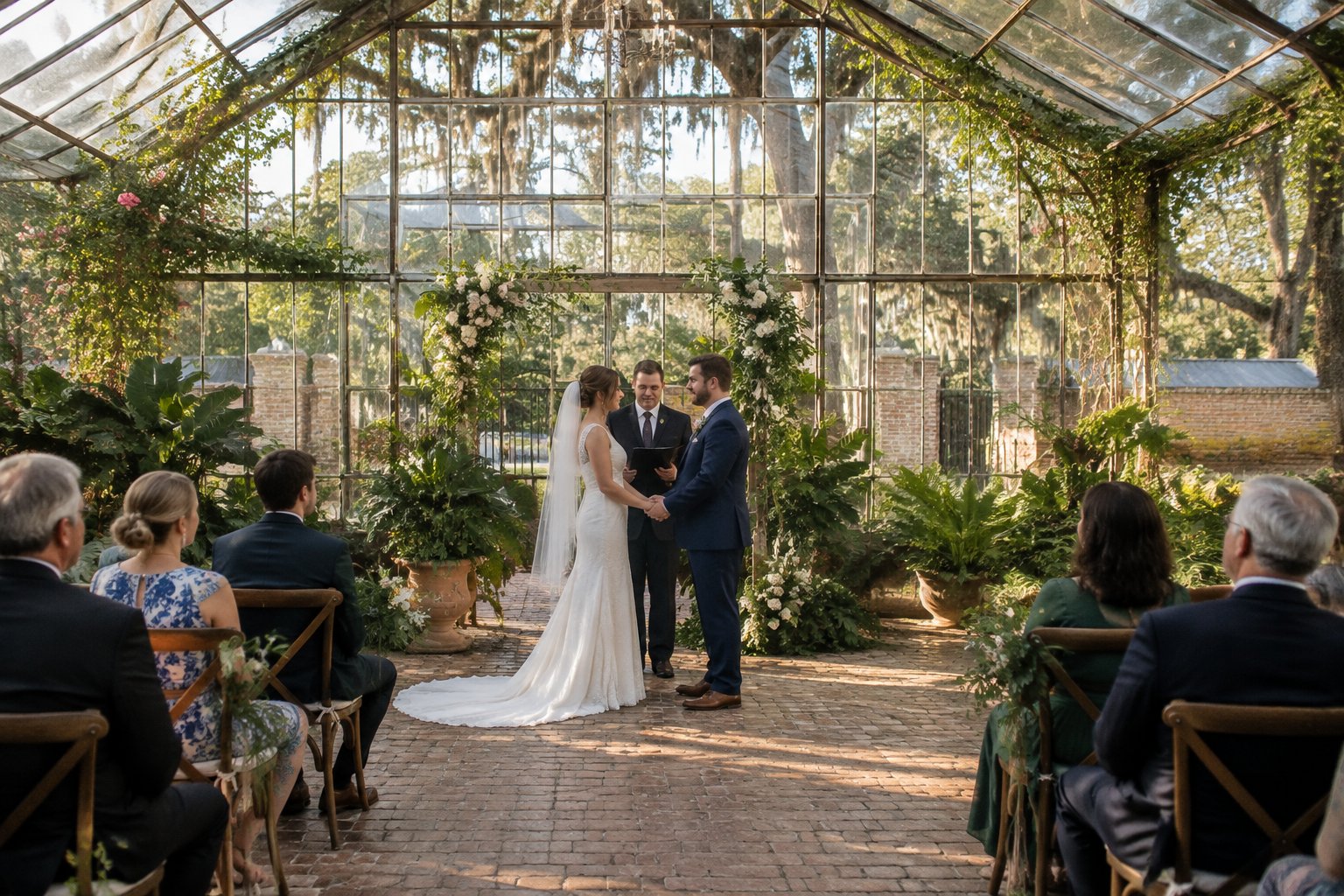
An art gallery or museum can bring color, history, and visual interest to a smaller celebration. You might exchange vows beside a sculpture, host dinner in a gallery room, or use a museum courtyard for cocktails. Ask about guest capacity, event hours, photography rules, and whether you can move furniture or bring in décor.
These spaces may have special requirements for food and drinks near exhibits. Confirm where vendors can set up and what surfaces or displays guests need to avoid. If your guest list is compact, a gallery’s scale can help the event feel close and personal.
Are Historic Commercial Buildings and Distilleries Worth Considering?
A restored warehouse, old market, or distillery can give your wedding an industrial look with exposed brick, timber beams, or original equipment. These spaces can also connect your celebration to local business and craft traditions. Browse industrial wedding venues on a budget as you compare venue styles and costs.
Ask how the room works for a ceremony, dinner, and dancing, since an open floor may need a full furniture setup. For a distillery, confirm which production areas are open to guests and how alcohol service is handled. Check lighting, heating or cooling, and restroom access during your visit.
What Should You Budget for a Distinctive Venue?
Your venue budget should account for the full event setup, including services and rentals beyond the room or property fee. A distinctive space can require extra planning for furniture, lighting, transportation, or weather protection.
Which Costs Commonly Go Beyond the Venue Fee?
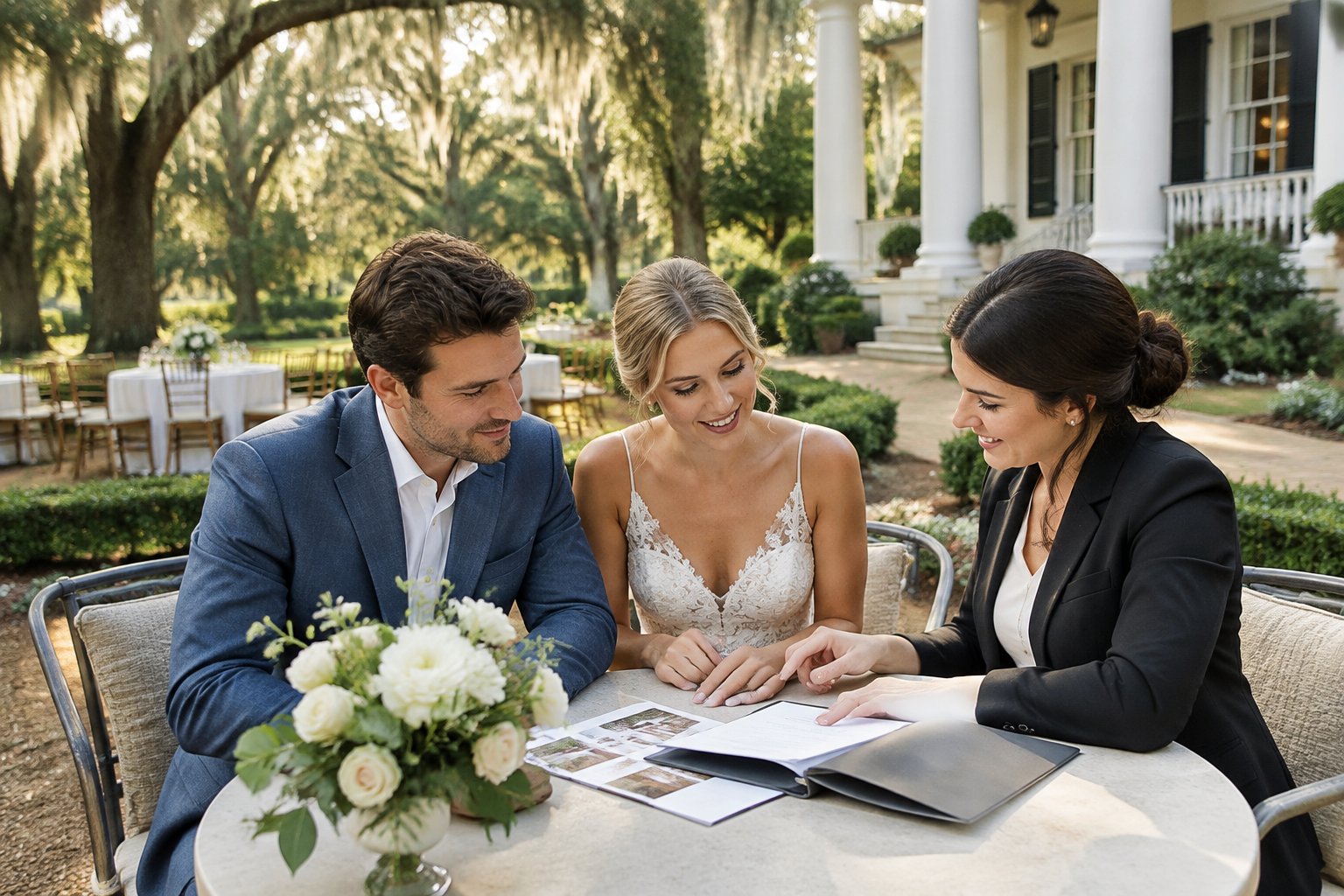
Your estimate should include any required rentals, staffing, cleanup, security, and vendor fees. Outdoor spaces may need a tent, portable lighting, or extra seating. Historic or unconventional venues may have rules about setup, deliveries, and where vendors can work.
Ask for an itemized quote and check whether tables, chairs, linens, and basic lighting are included. Food and drink costs can also change with your guest count and service style, so talk with your caterer early. For a deeper look at venue spending, review how much of your wedding budget to spend on a venue.
How Do Season and Guest Count Affect Your Options?
Your date and guest count affect which spaces fit your plans and how much setup you need. Popular weekends and mild-weather months can fill quickly in sought-after regions. A weekday or off-season date may give you more availability, while a smaller guest list can open up intimate spaces.
Compare the venue’s seated capacity with your full event plan, including the ceremony, dinner, and dancing. Ask whether the rental price changes by date or guest count, and whether the venue has a minimum spend. Check what most wedding venues cost to help you build a starting estimate.
How Can You Choose and Book the Right Venue?
Choose a venue that fits your guest list, desired setting, and practical needs, then confirm the details in writing before you pay a deposit. A careful visit can reveal how the space will work during each part of your wedding day.
What Should You Confirm During a Site Visit?
Walk through the full event route, from arrival and ceremony to dinner and dancing. Check the size and condition of each space, the distance between areas, and the locations of restrooms and parking. If your ceremony is outdoors, ask to see the backup space and how quickly the venue can switch plans.
Take notes on lighting at your planned ceremony time, noise from nearby roads or businesses, and any access limits for older guests. Confirm the guest capacity for your chosen layout, not just the maximum listed number. Use a wedding location checklist to keep your questions organized.
Which Rules, Access Needs, and Vendor Details Matter?
Review the contract for event hours, setup and cleanup windows, cancellation terms, payment dates, and restrictions on décor or sound. Ask which vendors you can choose and whether the venue requires insurance or a preferred vendor list.
If catering is flexible, ask how the kitchen and loading areas work; these details help your vendors plan. Check that guests can reach the venue easily, with clear directions, accessible paths, and enough parking or shuttle space.
If your celebration spans multiple locations, plan the travel time between them and share transportation details with guests. Before you book, make sure the written agreement matches the schedule, spaces, and services you discussed.