
Unique Wedding Venues: Memorable Places Across the U.S.
Unique wedding venues give you a setting that shapes the celebration from the moment guests arrive. You can make your wedding memorable by choosing a place with character, such as a museum, rooftop, treehouse, historic estate, beach, or winery.
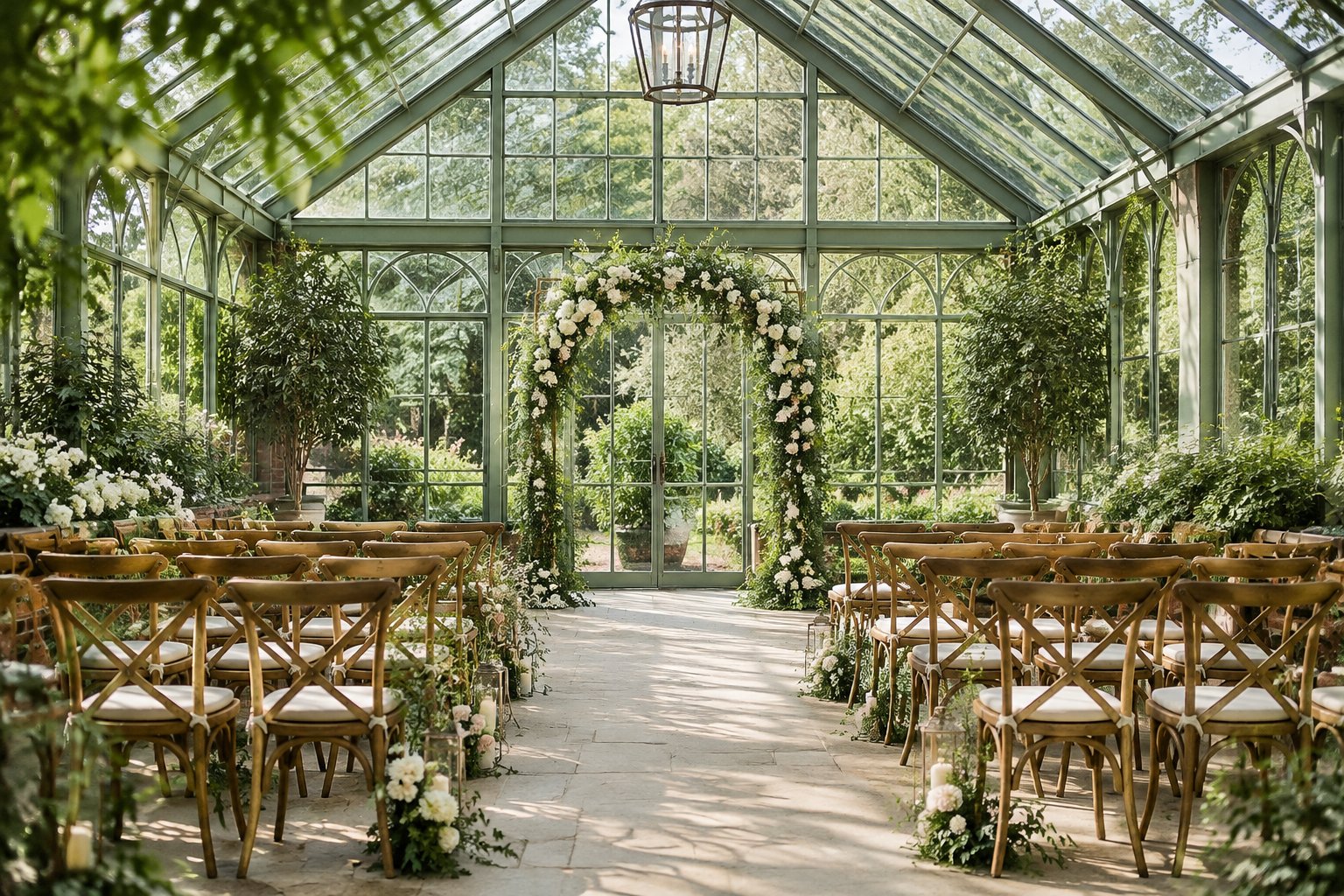
The best fit reflects your style and works for your guest count, budget, and plans for the day. Explore these wedding venue ideas with your partner, then choose a few favorites to tour.
What Makes a Venue Truly Unconventional?
An unconventional venue gives your celebration a distinct sense of place, whether it comes from the building’s history, its setting, or the way you use the space. Your choice also shapes the practical details, from décor and guest comfort to vendor access.
Distinctive Spaces vs. Traditional Ballrooms
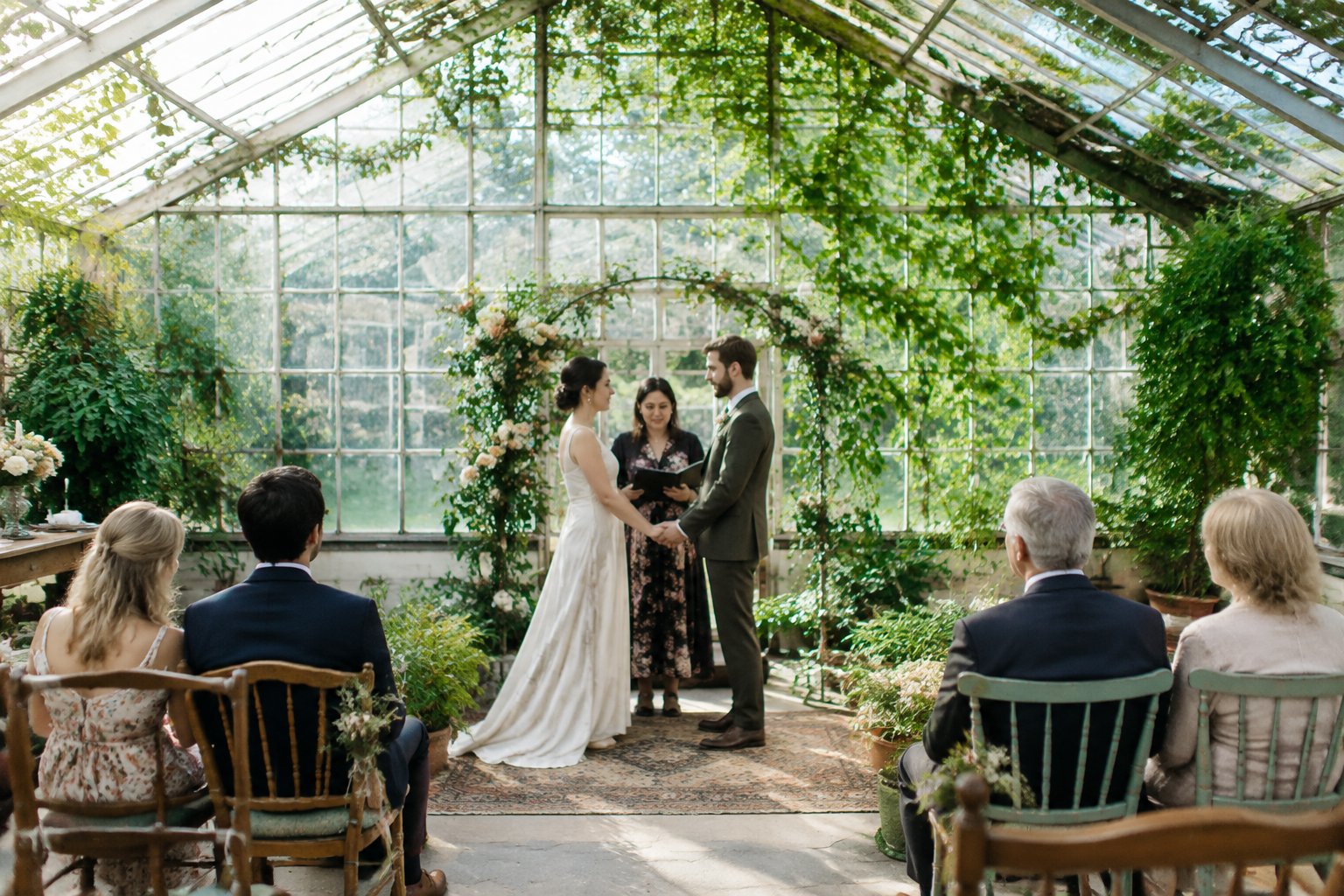
A ballroom offers a familiar layout with room for dining and dancing, while unusual wedding venues bring character you can build your celebration around. A greenhouse surrounds you with greenery, a gallery puts art in the background, and a former factory gives you exposed brick or industrial details.
Creative wedding venues also invite personal touches that connect the location to your relationship. You might choose a favorite museum, a botanical setting, or an architectural space that suits your style. A distinctive backdrop can guide your color palette and décor choices, while a blank loft gives you more room to shape the look.
The Trade-Offs of a One-of-a-Kind Setting
A unique space can come with extra planning because its layout and facilities may differ from a full-service event venue. Ask how guests will move between ceremony, dining, and dancing areas, and confirm access to restrooms, electricity, parking, and a prep space.
Some locations have special rules for catering, alcohol, décor, music, or photography. A raw industrial space may need tables, chairs, lighting, and a catering setup brought in.
Before you book, check whether those needs fit your budget and timeline, including setup and cleanup hours. If a warehouse or loft appeals to you, compare its rental and setup costs with industrial wedding venues on a budget.
Which Standout Settings Could Suit Your Celebration?
The right standout setting matches the feeling you want while supporting the way you plan to celebrate. Museums and landmarks bring built-in character, rooftops add city views, and treehouses offer a woodland escape; historic properties give you a sense of place and a range of backdrops.
Museum Weddings and Cultural Landmarks
A museum wedding can surround your vows with art, history, science, or architecture. In Minneapolis, Mill City Museum connects an event with the city’s flour-milling history. Las Vegas’s Neon Museum offers a striking outdoor setting filled with vintage signs, while San Francisco’s California Academy of Sciences brings together exhibits and distinctive architecture.
Each institution sets its own event policies and available spaces. Ask which galleries or public areas you can use, when guests can arrive, and whether the event includes access to exhibits. Check rules for food, décor, and photography early so your plans suit the site.
Rooftops and City Views
A rooftop wedding gives you an open-air city setting and a memorable skyline backdrop. In Miami Beach, 1111 Lincoln Road is known for its architectural parking structure and event spaces. In New York City, 620 Loft & Garden pairs a rooftop garden with views near Rockefeller Center.
When you tour, look at the ceremony and reception layouts, then ask about elevators, guest access, and weather plans. A rooftop can feel breezy and bright, so confirm how shade, wind, and temperature will be handled during your event.
Treehouses and Forest Retreats
Treehouses and forest venues suit couples who want a nature-centered celebration with a tucked-away feel. Treehouse Point in Issaquah, Washington, and the Mohicans Treehouse Resort & Wedding Venue in Ohio offer settings among trees that feel far removed from a city ballroom.
Ask how guests will reach the ceremony site, especially if the path includes hills, steps, or uneven ground. Confirm the venue’s capacity, lodging options, restroom access, and plans for rain. For guests with mobility needs, request a clear description of routes between the parking area and event spaces.
Historic Estates and Repurposed Spaces
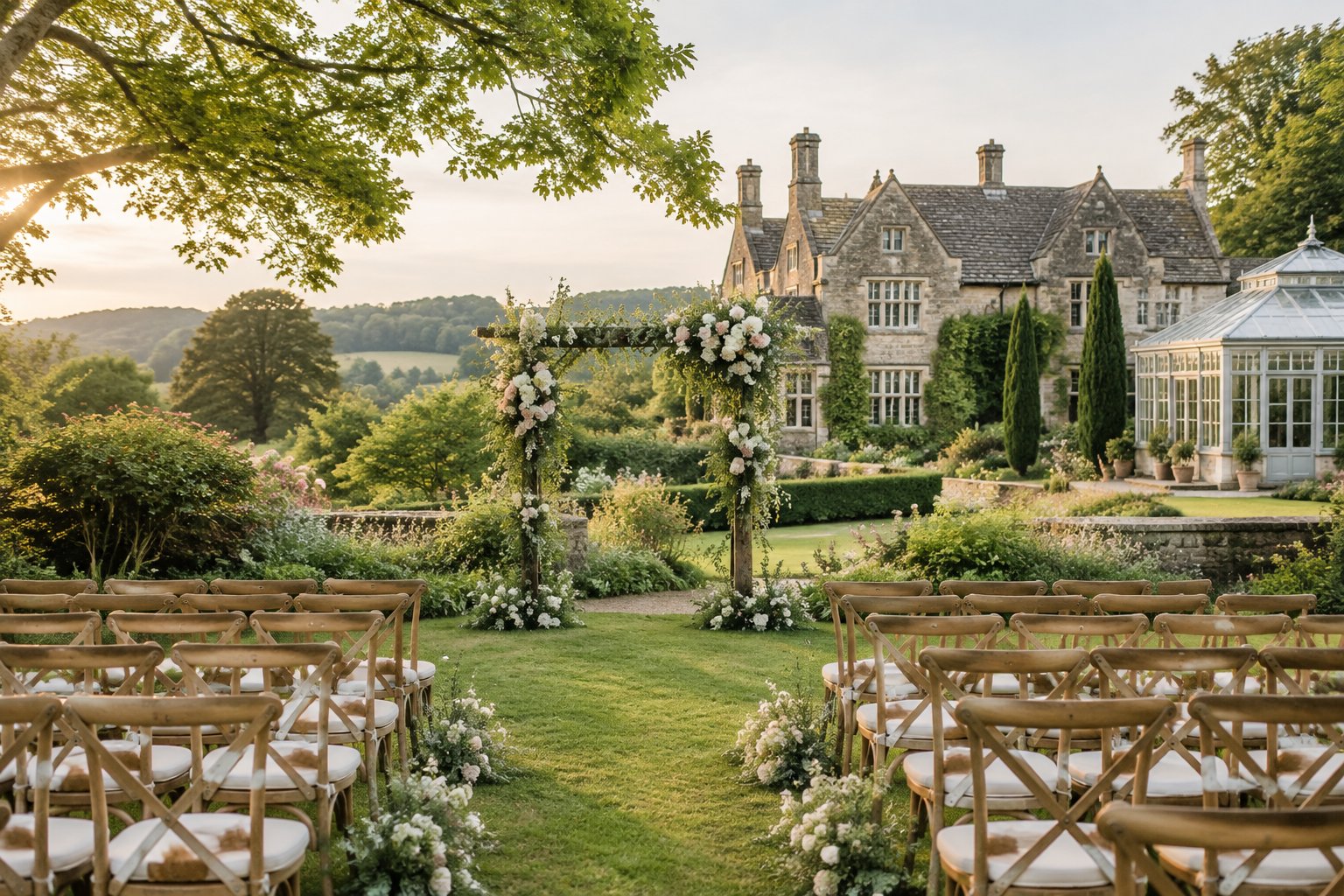
Historic estates give you architecture, landscaped grounds, and rooms with a strong sense of place. Biltmore in Asheville, North Carolina, is one well-known estate setting. In Seattle, The Ruins offers an event space with historic character, while the TWA Hotel at New York’s John F. Kennedy International Airport brings guests into a landmark aviation setting.
These properties can have specific rules for preserving their buildings and grounds. Ask which rooms are included, where guests can gather, and what restrictions apply to décor and setup. If garden views are part of your vision, explore beautiful garden wedding venues as you compare estates.
Could a Beach or Winery Setting Be Right for You?
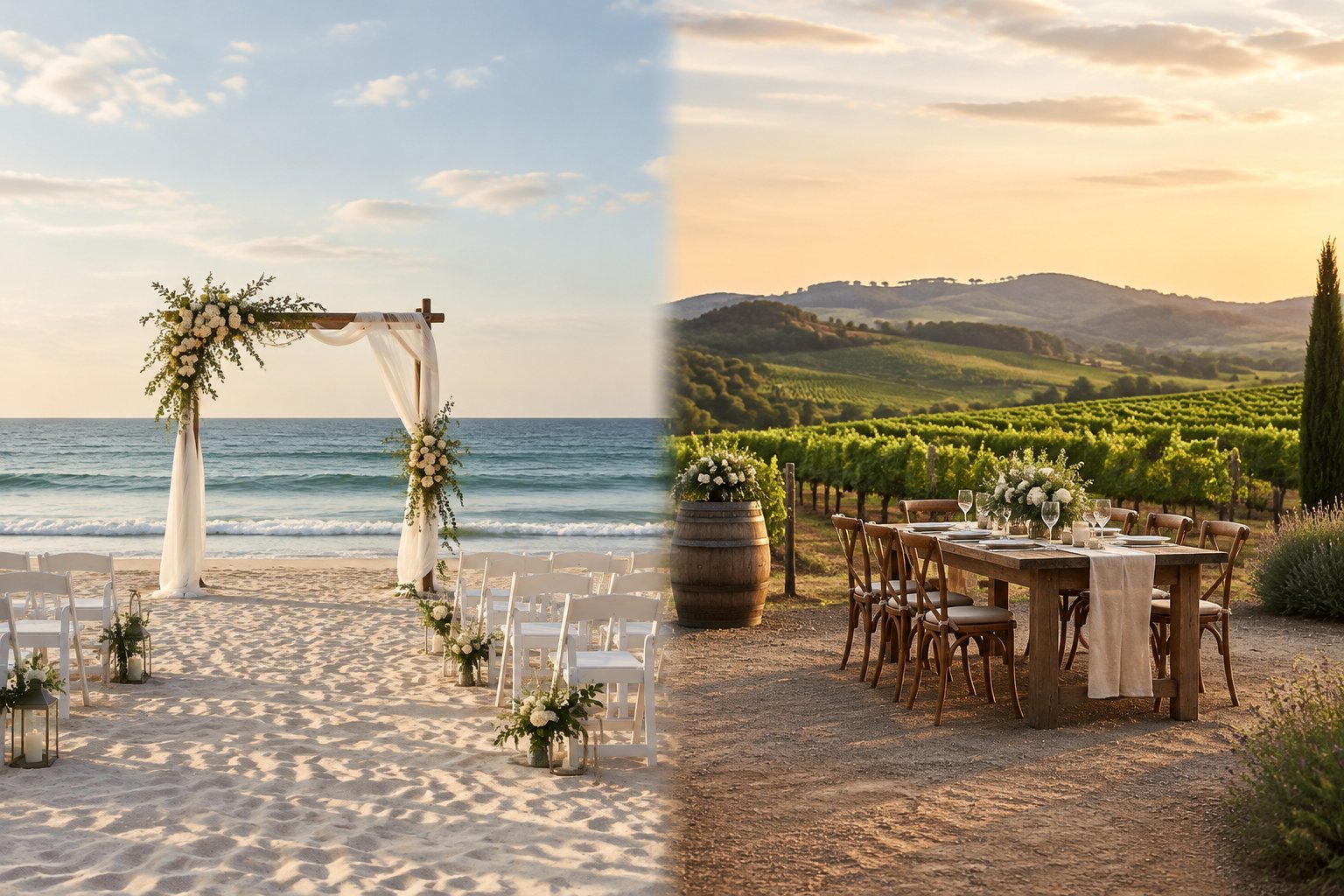
A beach wedding suits you if you want a coastal backdrop and an open-air celebration, while a winery wedding pairs vineyard scenery with a relaxed country setting. Each option calls for careful planning around weather, access, and the needs of your guests.
Coastal Ceremonies and Beach Receptions
A beach wedding can place your ceremony beside the water, with the shoreline setting the tone for the day. Public beaches may require permits, and event rules can cover sound, alcohol, tents, or the number of guests. Confirm who handles applications and what the venue provides before you choose a date.
Think about guest comfort as you plan. Sand can affect footwear and mobility, while wind and sun can shape seating, sound equipment, and décor.
Ask about nearby restrooms, parking, and indoor or covered spaces for a change in weather. Browse beach venues for weddings to compare coastal settings and event options.
Vineyards and Winery Celebrations
A winery wedding gives you vineyard views and a setting that can feel both scenic and intimate. The ceremony might take place outdoors among the vines, with dinner and dancing in a tasting room or event space.
Ask whether your package includes food, beverages, tables, chairs, and staff. Check whether the venue allows outside vendors and how guests will travel between ceremony and reception areas. A vineyard’s season and grounds affect the look of the event, so visit at a time of year close to your planned date when possible.
What Do These Venues Cost—and What Might They Lack?
The cost of a distinctive venue depends on its location, date, guest count, and included services. Compare complete estimates, since a low rental fee can come with added costs for equipment, staffing, permits, or weather protection.

Rental Fees, Catering, and Extra Charges
Ask each venue for an itemized quote that lists the rental fee and every required charge. Some wedding venues bundle catering and service into a package; others charge separately for the space and leave you to arrange food, drinks, and rentals. Use the same guest count and event hours when comparing quotes. For context on venue pricing, review how expensive most wedding venues are.
Check for charges tied to setup time, cleanup, overtime, cake service, or bringing in outside vendors. Public locations may also require permits or insurance. Ask about taxes, service fees, and payment deadlines, then compare the full total with your budget. If your date has flexibility, ask whether a weekday or off-season booking changes the price.
Staffing, Rentals, and Weather Backup Plans
A distinctive location may need extra items to support the event. Ask whether the venue supplies tables, chairs, lighting, sound equipment, and a dance floor. For outdoor or remote spaces, get clear estimates for tents, portable restrooms, generators, heaters, or guest transportation.
Confirm who will manage vendor arrival, event setup, and cleanup. Then ask for the weather backup plan in writing, including when you’ll make a decision to move indoors or under a tent. If several costs are still unclear, compare them with affordable venues for weddings before you commit.
How Can You Find and Evaluate a Venue Near You?
You can find a venue near you by starting with your guest count, preferred setting, and travel needs, then checking each finalist in person. A practical shortlist helps you focus your wedding planning on places that suit your vision and event logistics.
Search Locally and Match the Space to Your Guest List
Search for “wedding venues near me” alongside a setting you like, such as a museum, garden, rooftop, or winery. Ask recently married friends and local planners for recommendations, and check venue reviews for details about communication, event flow, and guest experience.
Estimate your guest count before booking tours. Confirm the venue’s capacity for your planned layout, including dining, dancing, and any ceremony seating. A room’s listed maximum may not reflect the space you need for tables and a dance floor. If you’re hosting a smaller celebration, compare options for local small wedding venues.
Check Policies, Accessibility, and Available Amenities
During a visit, walk the route your guests will take from arrival through the ceremony and reception. Ask about accessible entrances, restrooms, parking, public transit, and nearby lodging. For outdoor locations, check the walking surface and distance between spaces.
Review policies for catering, alcohol, music, décor, candles, and end times. Confirm which amenities are included and whether you can bring your own vendors. Ask how the venue handles power needs for a band or DJ, plus any sound limits that could affect the reception.
Confirm the Contract and Build Your Planning Timeline
Before signing, read the contract for the date, event hours, payment schedule, cancellation terms, included services, and extra fees. Confirm the final guest count deadline and the venue’s rules for deposits, insurance, and vendor access.
Once your booking is set, make a timeline for vendor decisions, menu selection, rentals, and final layout approval. Keep a written list of venue contacts and deadlines, then schedule a final walkthrough to confirm setup details and the weather plan. If you’re still weighing locations, use this guide to pick a wedding location and narrow your search.