
Which Arm Does a Bride Walk On? A Guide to Traditional Wedding Etiquette
As you prepare for your wedding day, you might wonder about the small details that make the ceremony special. Traditionally, the bride walks down the aisle on her father’s right arm, symbolizing his protection as she approaches her groom. This memorable moment sets the tone for the love and commitment you’ll be celebrating.
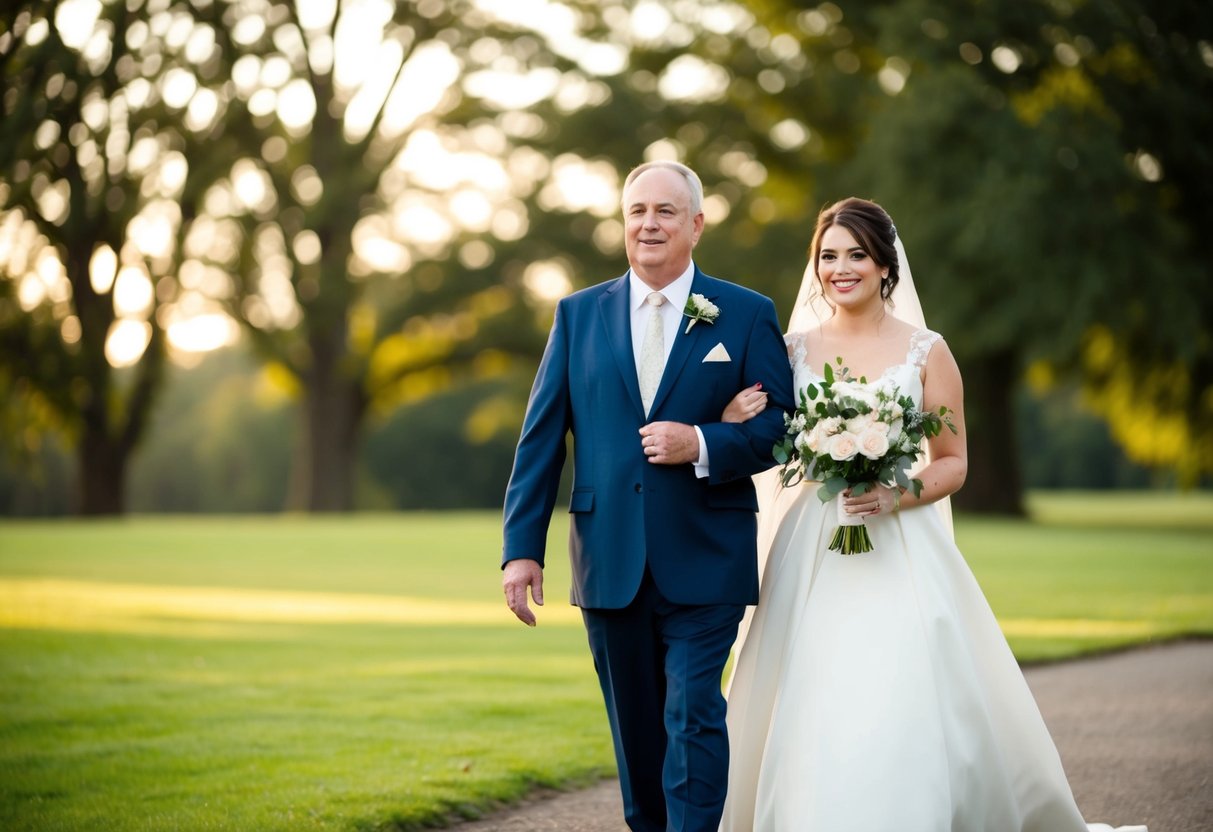
Understanding this tradition can help you decide how to include important family members in your ceremony. Whether you choose to follow this custom or create your own unique processional, knowing where you and your escort stand can add meaning to your walk down the aisle.
Every wedding is personal, and your choices will reflect your story and values.
Exploring these traditions not only enriches your wedding experience but also connects you to generations of couples before you. As you plan each detail, consider how these moments will resonate in the memories you’ll create together.
Historical Significance and Traditions
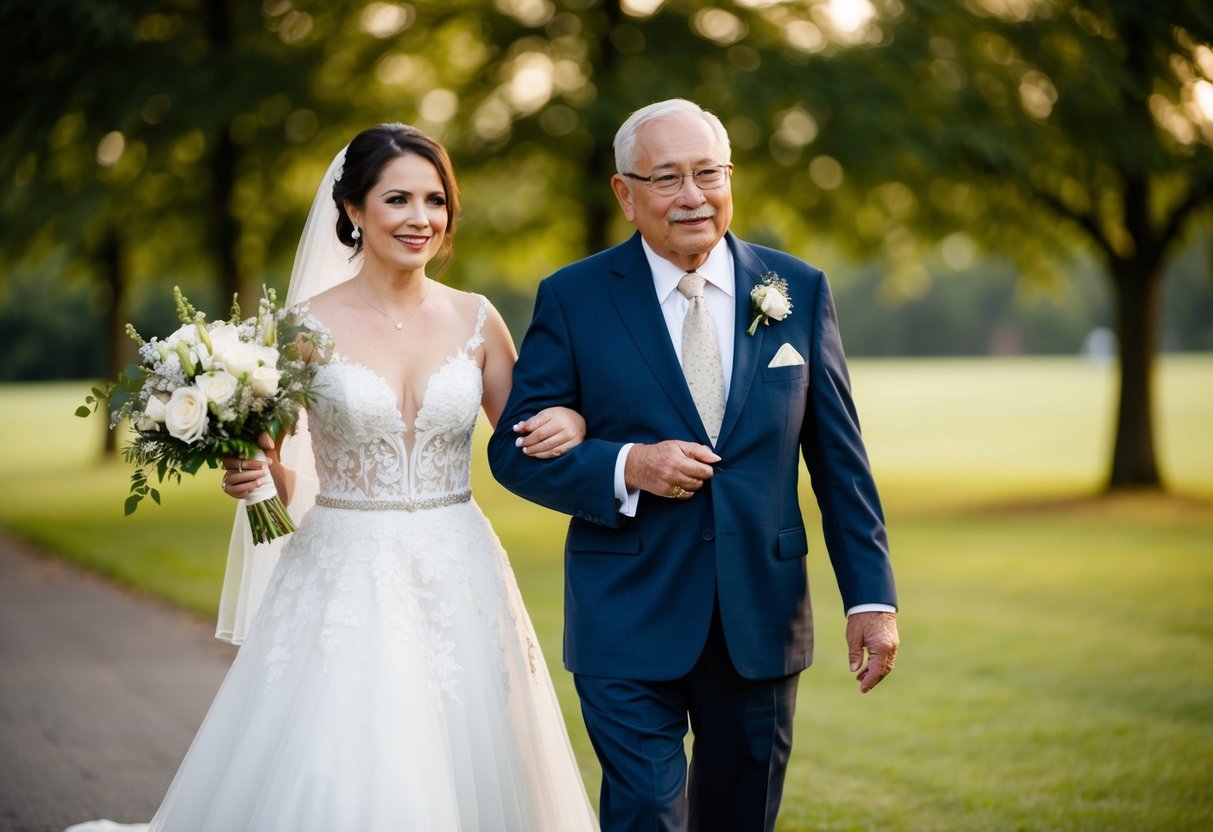
When it comes to weddings, the question of which arm the bride walks on has deep roots in various traditions. Each culture has its own customs that reflect important values.
In many Christian weddings, the bride typically walks on the left side of her father. This positioning symbolizes her being under his protection. The groom stands ready to defend her, keeping his sword arm free.
In Jewish weddings, similar customs apply. The bride often walks to the chuppah with her father, showing the family support for the union. The focus here is on the importance of family during this significant journey.
For traditional Hindu wedding processions, the groom walks to the bride’s home, symbolizing the beginning of their life together. The families join in a meaningful celebration, emphasizing their shared values.
You might notice different practices in non-denominational weddings and military weddings as well. While these ceremonies can vary greatly, the act of walking together often signifies unity and commitment.
Customs about arm placement remind us of the importance of support during marriage. Whether you choose to follow these traditions or create your own, each reflects the values that bind you and your partner.
The Wedding Processional Order

The wedding processional order is an important part of your ceremony. It sets the tone for the event and helps everyone understand who walks in and when. Each person in your wedding party has a special role to play in this sequence.
The Role of the Bride and Groom
You and your partner are the stars of the show. Traditionally, the groom stands at the front before the guests arrive. Once the ceremony begins, the bride makes a grand entrance, often walking down the aisle with her father or another significant figure. This moment is emotional and marks the start of your union in front of family and friends.
In some cultures, like Jewish or Hindu weddings, the processional may include special rituals, such as walking under a canopy. This can add depth and tradition to your ceremony, making it even more memorable.
Family Members and Their Positions
Family members play a key role in your wedding procession. Typically, the groom’s parents are seated first, followed by the bride’s parents. Grandparents often walk down the aisle next, showing their importance and support for your marriage.
If you have a blended family, consider how to incorporate all parents. You might want to have them walk in pairs or choose special music that reflects your family’s unique dynamics. This inclusion helps create a warm, inviting atmosphere for everyone involved.
The Bridesmaids, Maid of Honor, and Flower Girls
Your bridesmaids, Maid of Honor, and flower girls add beauty and joy to the wedding processional. The bridesmaids follow the family members, walking down the aisle in pairs or singles, depending on your preference.
The Maid of Honor usually walks last among the bridesmaids, getting ready to support you during the ceremony. Flower girls often precede you, scattering petals or carrying small bouquets. Their sweet presence brings extra charm to the moment, delighting guests and adding a festive touch.
Groomsmen, Best Man, and Ring Bearers
The groomsmen and Best Man play a crucial role in the processional as well. The groomsmen typically walk in pairs to the front, often taking their places on either side of the groom. The Best Man stands beside the groom, ready to provide support during the ceremony.
The ring bearer, usually a younger relative, follows shortly. He carries the rings down the aisle, often in a special box or pillow. This charming tradition captures everyone’s attention and adds a playful element to your wedding procession.
The Role and Significance of Ceremony Participants
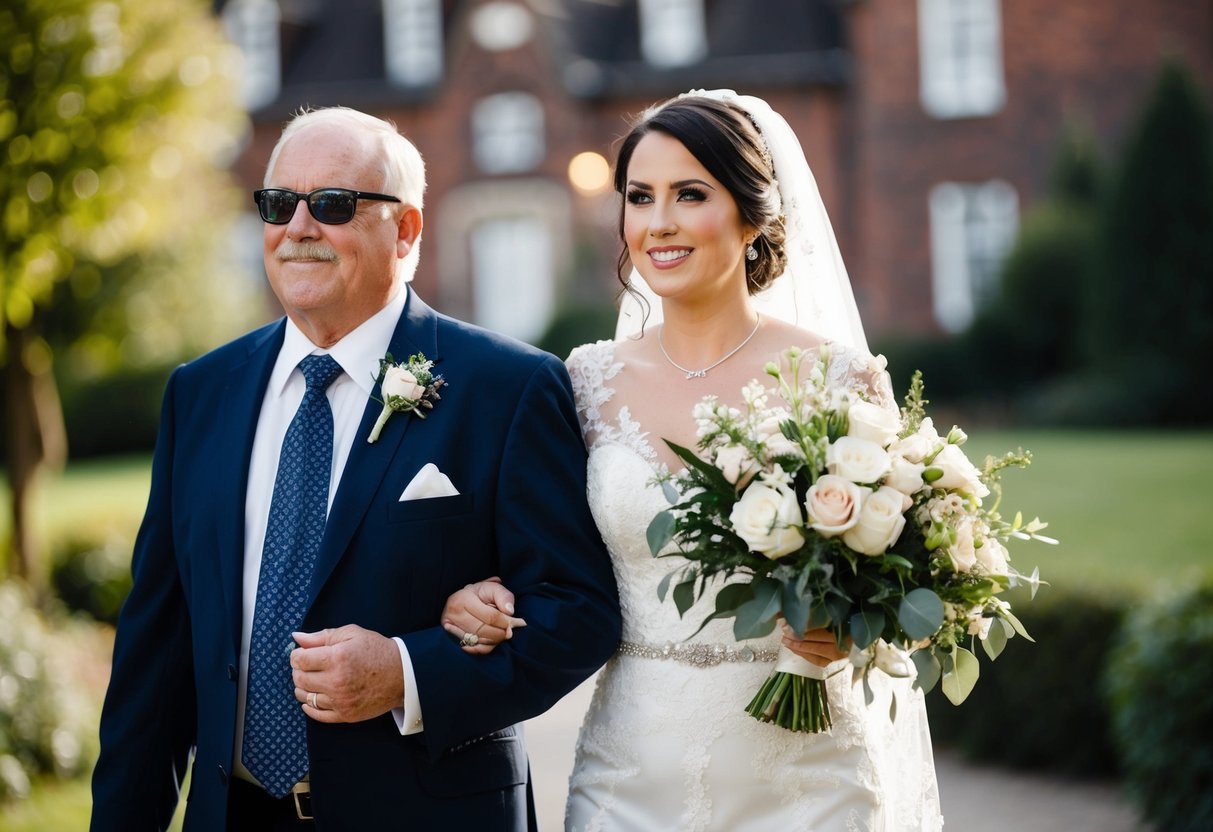
In any wedding ceremony, the participants each have unique roles that hold significant meaning. Understanding these roles can enhance your appreciation of the event and help you plan accordingly.
Officiants and Wedding Canopies
The officiant is a crucial figure in a wedding. They lead the ceremony, ensuring it runs smoothly and that the vows are exchanged appropriately. The officiant can be a religious leader, a friend, or a family member who is legally able to marry you.
If you’re having a traditional ceremony, you might have a chuppah, especially in Jewish weddings. This canopy symbolizes the home you will build together. The officiant often stands beneath this canopy, marking an important focal point.
Parents and Grandparents of the Couple
The parents and grandparents of both partners have significant roles. Typically, the father of the bride escorts her down the aisle, symbolizing protection and support. This moment is often filled with emotion as they prepare to pass her into the care of her partner.
The mother of the bride often plays a supportive role, helping with planning and organization. The groom’s parents may also participate in welcoming guests or lighting candles during the ceremony, ensuring that family connections are honored.
Special Roles: Escort and Supporters
Besides the primary participants, there are other special roles to consider. Throughout the ceremony, you might have escorts like the best man or maid of honor who support the couple. They assist with rings and ensure everything is in place.
Bridesmaids and groomsmen also play essential roles. They stand beside you, offering emotional support and helping to manage the wedding day tasks. Each participant enhances the overall experience, making it memorable and meaningful.
Symbolism and Positioning in the Ceremony
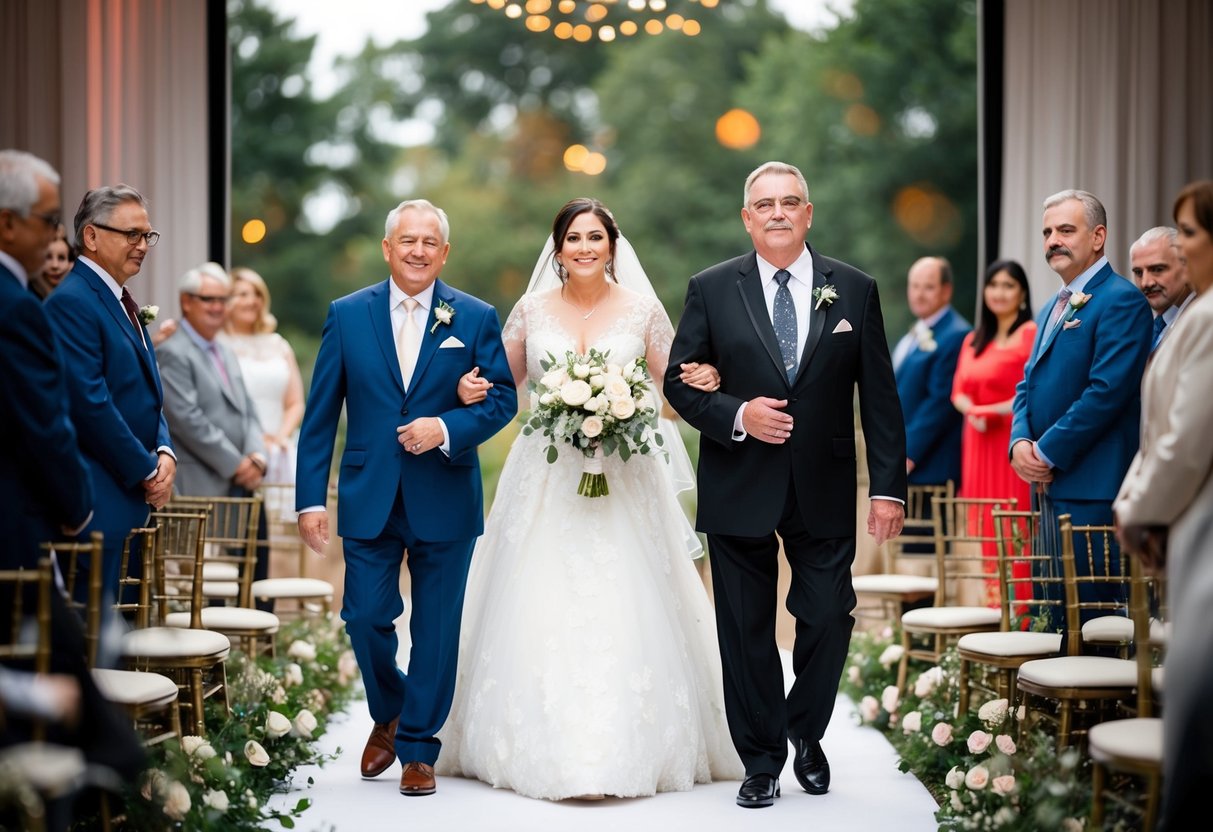
The bride’s position on the left side of the altar has significant meaning. Traditionally, the groom stands to the right, keeping his right hand free. This symbolizes his role as the protector, ready to defend the bride if needed, much like a knight with his sword arm.
In different cultures, such as a Jewish wedding ceremony, the placement holds the same importance. The couple often stands under a chuppah, where the positioning further emphasizes their partnership.
In Hindu ceremonies, you may find the bride and groom at a mandap, a decorated canopy. Family members often surround them, highlighting the emotional impact of this union.
For outdoor or nondenominational ceremonies, your choices might change. You can still reflect tradition by placing the bride on the left side.
It’s essential to consider how your chosen setting affects the ceremony’s flow.
Your wedding music can enhance the mood as you walk down the aisle. It can also align with the traditional processional order, where the bride’s entrance is momentous.
Throughout wedding planning, keep in mind the significance of wearing wedding rings. This simple act, alongside how you position yourselves, reinforces your commitment.
Remember, every detail—like the bridal hairstyle—adds a personal touch to your celebration!