
Typical Cost of Flowers for a Wedding: 2026 Guide
If you’re estimating the typical cost of flowers for wedding celebrations, plan on roughly $2,500 to $5,000 for a full floral plan, with a smaller design costing less and elaborate installations costing more. A commonly reported U.S. average is about $2,800, though your wedding flower cost will depend on the number of arrangements, your location, and the design you choose.
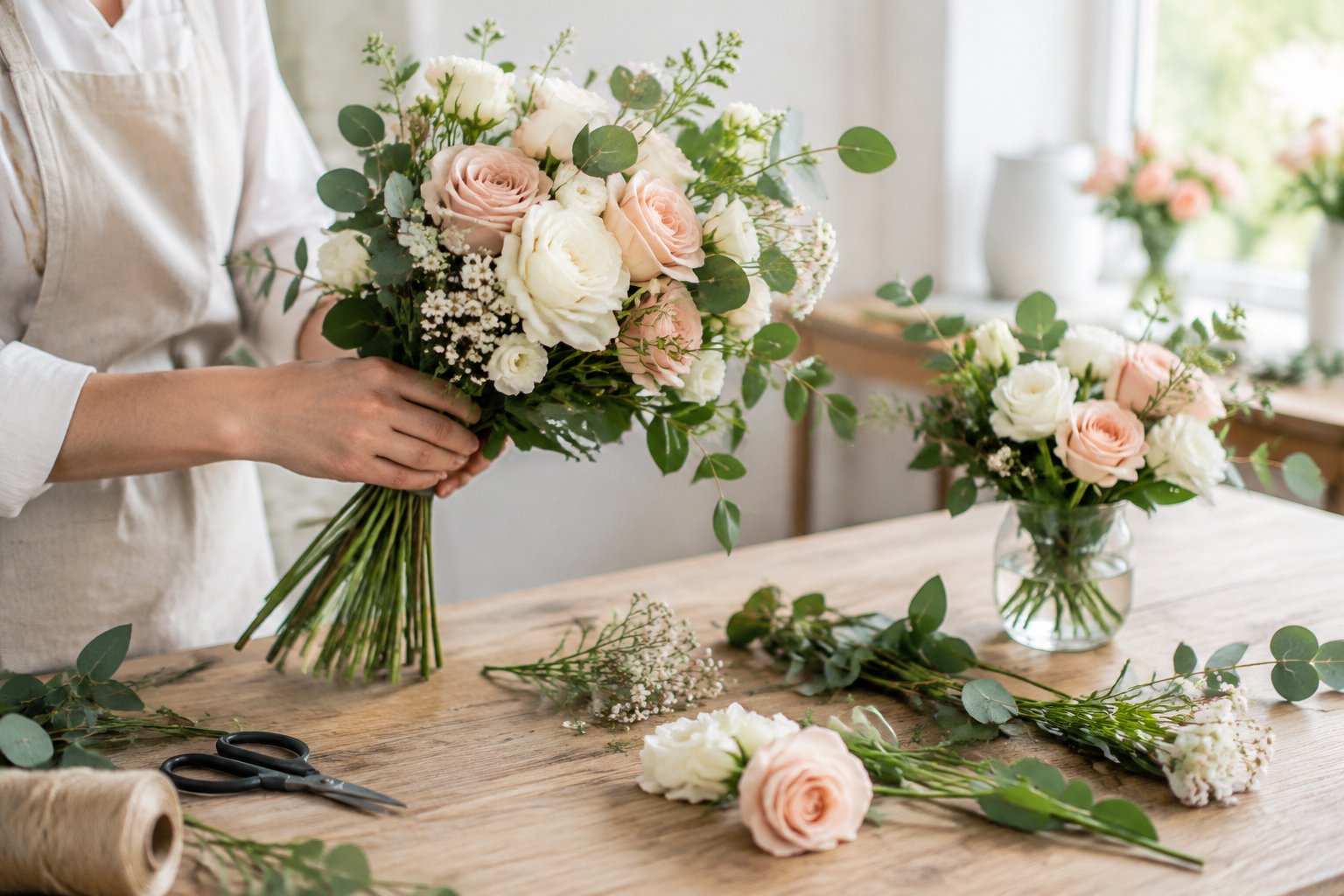
Your wedding flower budget feels easier to manage when you set a total limit before choosing specific blooms. Start with a comfortable spending range, then bring your priorities to a wedding florist so you can shape a plan around them. You can use this cost of flowers for a wedding as a starting point for your estimate.
What Should You Budget for Wedding Flowers in 2026?
For many U.S. weddings, a practical starting budget for flowers is $2,500 to $5,000. Your final amount can fall below or above that range based on how much floral decor you want and what your florist’s proposal includes.
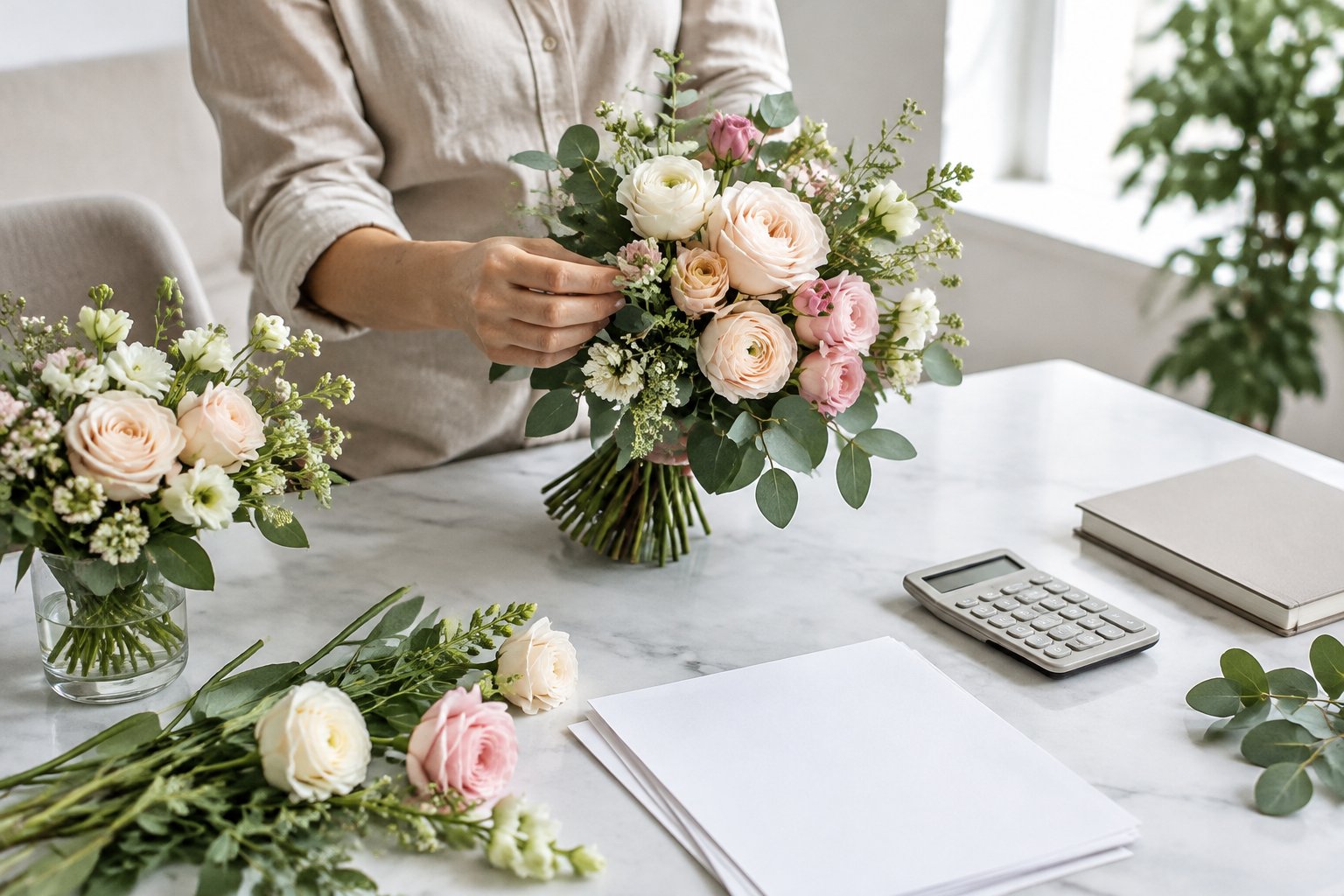
What Is the Average Wedding Flower Cost?
The average cost of wedding flowers is often reported near $2,800, while a full-service plan with flowers for the ceremony and reception can reach several thousand dollars more. Treat the average wedding flower cost as a reference point, not a price you should expect every florist to quote.
A smaller wedding with a bouquet, a few personal flowers, and simple table arrangements could cost less. A larger guest list, premium blooms, or custom floral installations can push the average cost of wedding flowers in 2026 above the common range. Regional labor and delivery costs also affect your estimate. For another general pricing reference, compare your plans with this guide to the cost of wedding flowers in 2026.
How Does The Knot Real Weddings Study Measure Spending?
The Knot Real Weddings Study surveys couples about their wedding spending, including what they spent on flowers. That makes its figure a useful snapshot of reported costs, while your own quote reflects your date, location, guest count, and selected services.
When you compare a study average with a florist’s proposal, check which floral items the proposal includes. A total that covers personal flowers and reception centerpieces will differ from one that also includes delivery, setup, and ceremony decor.
What Share of Your Wedding Budget Goes to Flowers?
A common starting point is to reserve about 8% to 10% of your total wedding budget for flowers. If floral design is a major feature of your day, you might set aside more; a focused plan with a few standout arrangements can use less.
Use the percentage to make an initial estimate, then list the pieces you want and price them separately. This guide to how much you should spend on flowers for a wedding can help you compare your starting figure with your priorities.
Which Floral Items Make Up the Total?
Personal flowers, ceremony decor, and reception arrangements form most wedding flower costs. The number and size of each item affect the total, especially when you add a centerpiece for every guest table.
How Much Does a Bridal Bouquet Cost?
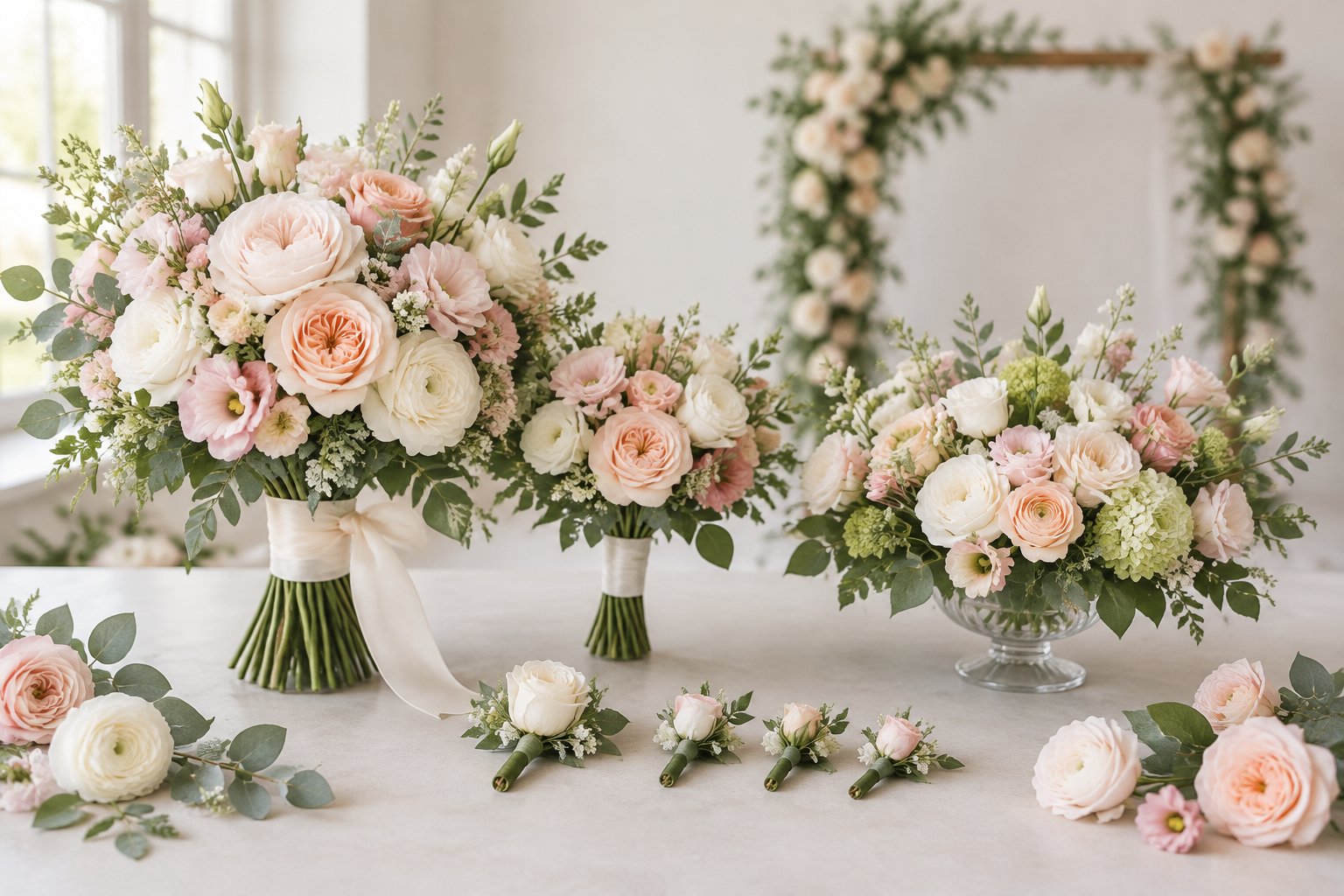
A bridal bouquet can cost about $150 to $500 or more. A compact design with widely available flowers falls toward the lower end, while a large bouquet with premium blooms or detailed construction costs more.
Your bouquet is a personal flower with a lot of visibility, so decide its size and style early. A flexible flower list gives your florist room to suggest blooms that fit your colors and budget. For a closer look at how much real flowers cost for a wedding, compare the arrangement types you’re considering.
What Do Wedding Party Flowers Cost?
Bridesmaid bouquets often cost around $65 to $200 each. Boutonnieres can range from about $15 to $50, and corsages often fall between $25 and $75. A flower girl’s petals, crown, or small bouquet adds another line item.
The count adds up quickly. Four bridesmaid bouquets priced at $100 each add $400 before you include flowers for other members of the wedding party. You can ask about flower packages for weddings with prices to see whether a bundled set fits your needs.
How Much Should You Set Aside for Ceremony Flowers?
A ceremony floral plan might cost around $400 to $2,500 or more. A few aisle arrangements use fewer flowers, while a floral arch or altar feature requires more blooms, structure, and setup time.
Ask your florist to separate the cost of the main focal arrangement from aisle markers and petals. That breakdown helps you scale the design while keeping the ceremony area cohesive.
What Do Centerpieces and Floral Installations Cost?
Centerpieces can range from about $75 to $400 or more per table, depending on their size and design. For 12 tables, even a $100 centerpiece adds $1,200 to your estimate. Tall arrangements and large floral installations can raise the total further because they need added materials and labor.
Count your tables before settling on a centerpiece style. You can mix fuller arrangements at key tables with simpler designs elsewhere, as long as the overall look feels connected.
What Makes Wedding Flower Costs Rise or Fall?
Flower choice, quantity, and labor have the biggest effect on your wedding flower costs. Season and guest count shape how many blooms your florist needs to source, while delivery and setup add work beyond the arrangements themselves.
How Do Flower Variety and Season Affect Prices?
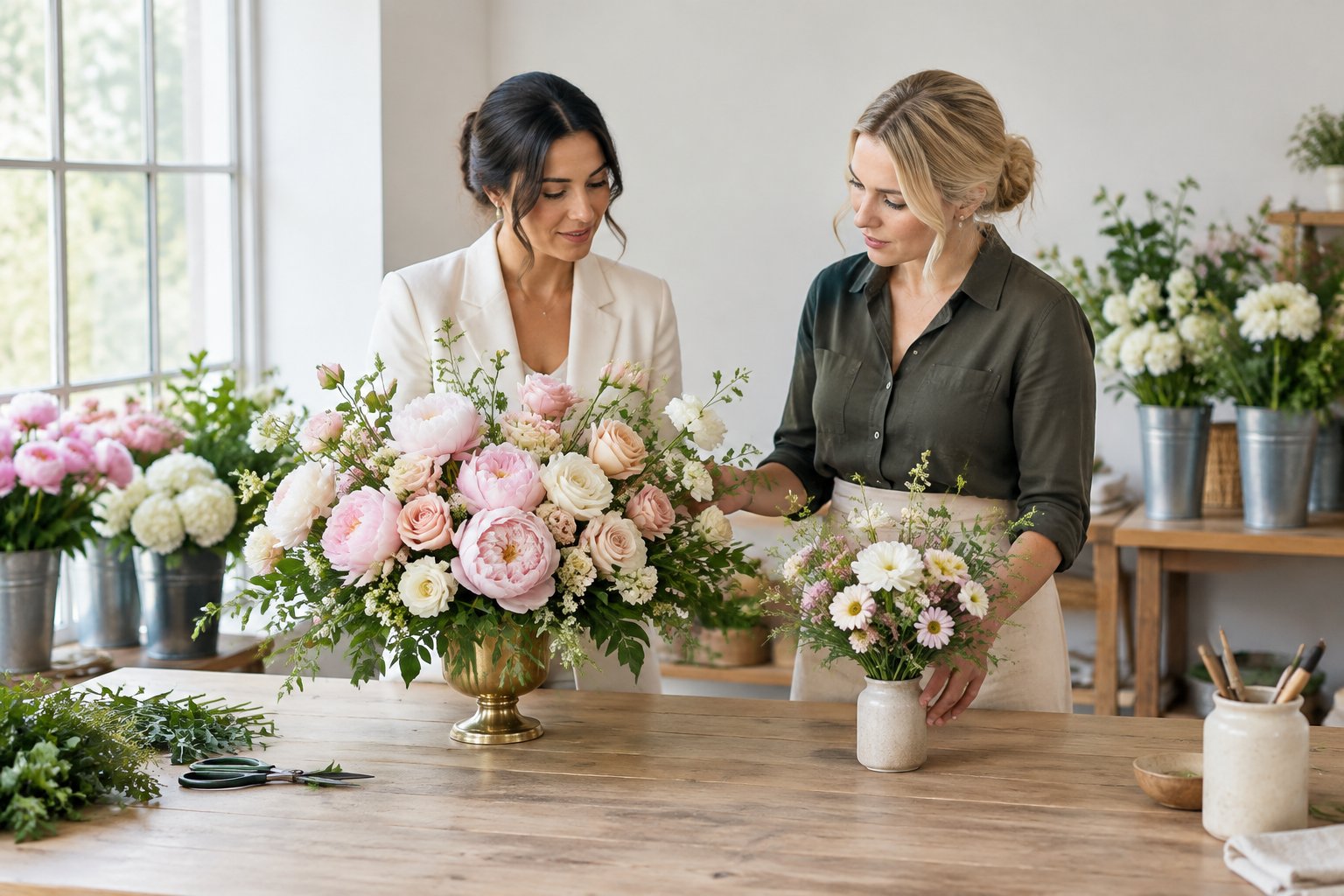
In-season flowers are often easier to source and can cost less than blooms that need special ordering. Peonies, dahlias, and ranunculus have seasons when they are more readily available, while specific varieties outside their local growing window may carry higher prices.
Share your wedding date and preferred colors with your florist, then stay open to similar blooms. A florist can suggest options with a similar shape or feel if your first choice is scarce or expensive. This can help you keep a consistent look while giving your design more flexibility.
How Do Guest Count and Table Count Change the Total?
More guests often mean more tables, and each added table can increase your centerpiece budget. The guest count also affects quantities for personal flowers if you plan to provide corsages or boutonnieres for additional family members or attendants.
Your venue’s seating plan gives you a better estimate than the guest count alone. A 120-person reception with fewer, larger tables needs fewer centerpieces than the same number of guests seated at many smaller tables.
What Do Florist Labor and Logistics Add?
Your florist’s proposal may include design time, flower prep, delivery, setup, and breakdown. Large installations take extra planning and on-site work, and your venue’s access rules or setup window can affect the labor required.
Before you approve a proposal, ask what the service fees cover and whether rentals, taxes, and teardown are listed separately. A clear quote helps you compare the full cost of a wedding florist with the floral items you want.
What Can Different Floral Budgets Cover?
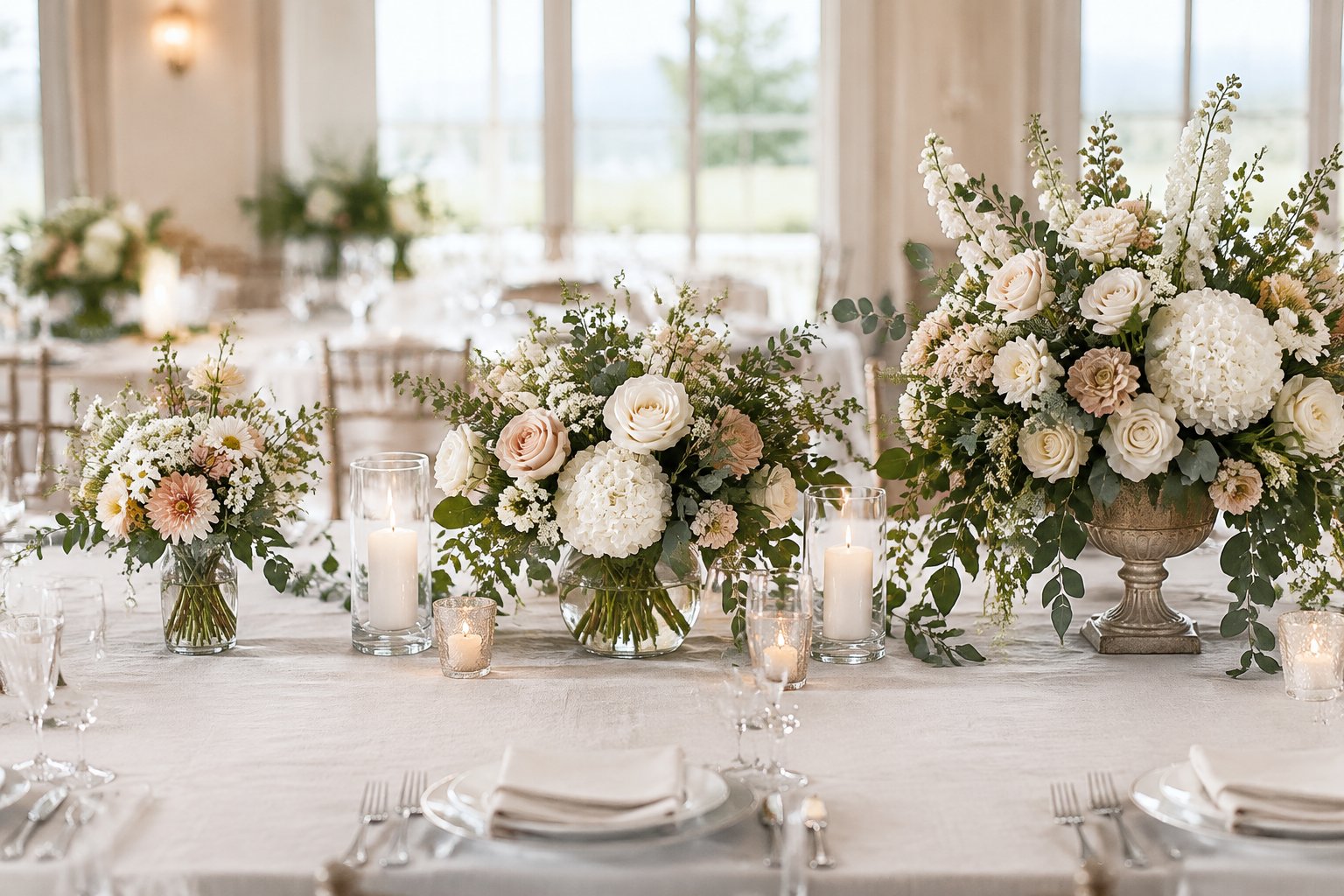
A lean floral budget can cover personal flowers and a few simple arrangements, while a mid-range plan can add fuller ceremony and reception decor. A high-end floral plan can support premium blooms and larger floral installations across several parts of the venue.
What Does a Lean Floral Budget Include?
A budget of about $500 to $1,500 can cover a small set of personal flowers and a limited number of simple arrangements. You might choose a bridal bouquet, a few boutonnieres, and modest table decor, or focus the spend on one ceremony feature.
Keep the flower varieties and design details straightforward, and confirm which items matter most to you. A smaller plan works best when you choose specific focal points instead of spreading the budget across every area.
What Can a Mid-Range Budget Add?
With about $2,000 to $5,000, you can often add professional design for both the ceremony and reception. Your plan could include personal flowers, table centerpieces, and a ceremony arrangement, with room for extra details based on your guest count and flower choices.
The final mix depends on how much you assign to each area. A dozen centerpieces can take up a large share, while a simpler table plan leaves more room for ceremony flowers or personal arrangements. These wedding flower budget tips can help you set priorities before you request a quote.
What Does a High-End Floral Plan Make Possible?
A budget of $5,000 to $10,000 or more can support premium blooms, fuller centerpieces, and more complex floral installations. Larger arches or statement arrangements also need structural materials and a team to install them safely.
If you’re considering this level of design, ask for a proposal that lists each major arrangement and its service costs. That detail helps you choose where to invest and where a simpler design will still suit the space.
How Can You Save Without Losing the Look?
You can lower floral costs by choosing seasonal blooms, reusing arrangements, and directing your budget toward the details guests will notice most. A clear budget and a practical conversation with your wedding florist help turn those choices into a workable plan.
Can You Repurpose Ceremony Flowers at the Reception?
Yes, ceremony arrangements can decorate reception spaces after the vows. Aisle flowers can move to the head table, and altar arrangements can frame a sweetheart table or entry area.
Plan the move with your florist and venue team before the wedding day. The quote should account for the staff time and transport needed to reposition each piece, especially when the ceremony and reception are in separate locations.
Which Flowers and Arrangements Are Worth Prioritizing?
Start with the arrangements that matter most to you, such as your bouquet, ceremony focal point, or guest-table flowers. Then use greenery, candles, or fewer flower varieties to add texture without adding many premium blooms.
In-season flowers give your florist more sourcing options. If you’re planning a spring event, browsing spring wedding ideas on a budget can help you think through seasonal colors and decor choices.
How Can a Wedding Budget Calculator Help You Plan?
A wedding budget calculator helps you set a floral spending limit alongside your other wedding expenses. Enter your total budget, choose a percentage or dollar amount for flowers, and adjust the figure as you receive quotes.
Use the result as a planning target, then list the pieces you want and compare them with your florist’s itemized estimate. Leave room for delivery, setup, and any rentals so those costs are part of your plan from the start.