
Price for Wedding Photographer: What Couples Should Budget
Wedding photography in the U.S. commonly costs a few thousand dollars, with price shaped by your location, coverage time, and package details. You can use $3,000 to $4,400 as a national average budgeting reference, while many couples find quotes between $2,500 and $6,500.
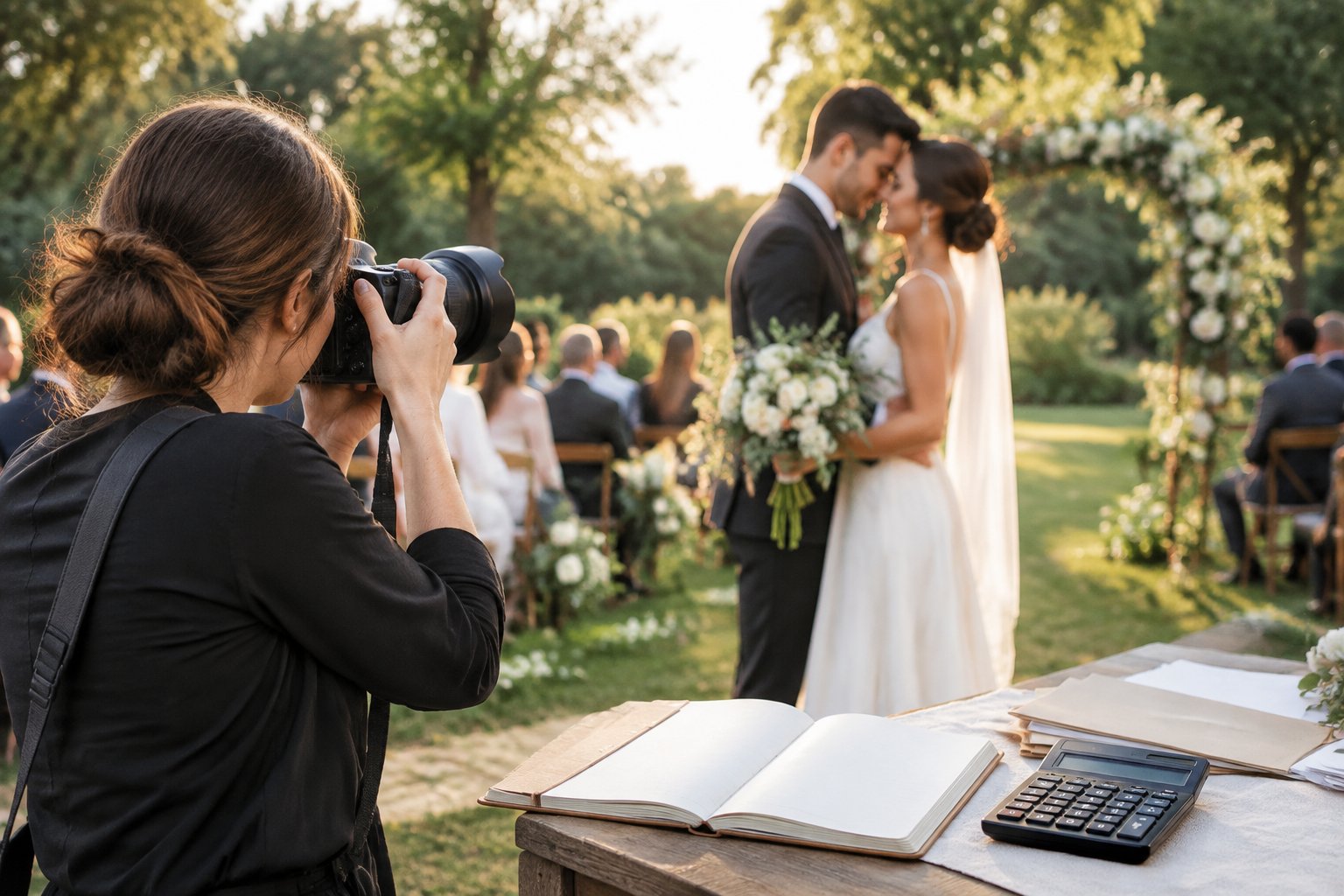
A search for “price for wedding photographer” brings up a wide range because a short, local celebration and a full-day event with a photography team require different services. Set a comfortable budget, then request quotes that spell out the hours, deliverables, and fees you care about.
How Much Does a Wedding Photographer Cost?
A useful starting point is $3,000 to $4,400, with a common planning range of about $2,500 to $6,500. Where you marry and what your package includes can move your quote above or below that range.
Typical Price Ranges by Region
Wedding photography prices differ across the country, in part because local living costs and demand affect rates. One nationwide regional snapshot lists average spending from $2,600 in the Southwest to $3,800 in the Mid-Atlantic.
| Region | Average cost |
|---|---|
| Northeast/New England | $3,700 |
| Mid-Atlantic | $3,800 |
| Midwest | $2,900 |
| South/Southeast | $2,700 |
| Southwest | $2,600 |
| West | $2,900 |
Treat these numbers as budgeting benchmarks, not fixed local prices. A major city, a popular venue, or a high-demand date can bring quotes above a regional average.
To compare the going rate for a wedding photographer near your venue, collect several quotes with similar coverage and deliverables. You can also review how wedding photography costs fit into your total budget.
Hourly Rates vs. Full-Day Packages
Most wedding photographers quote a flat package price that covers a set number of hours. Some offer hourly bookings, though the hourly figure alone does not account for planning, travel, editing, or delivery after your wedding.
For a simple point of comparison, a $3,000 package with eight hours of coverage works out to $375 per coverage hour. That calculation is not the photographer’s take-home hourly pay: the fee also supports work before and after the event, equipment, insurance, and business costs. Ask whether extra coverage is billed by the hour and what rate applies if your schedule runs late.
What Affects Wedding Photography Prices?
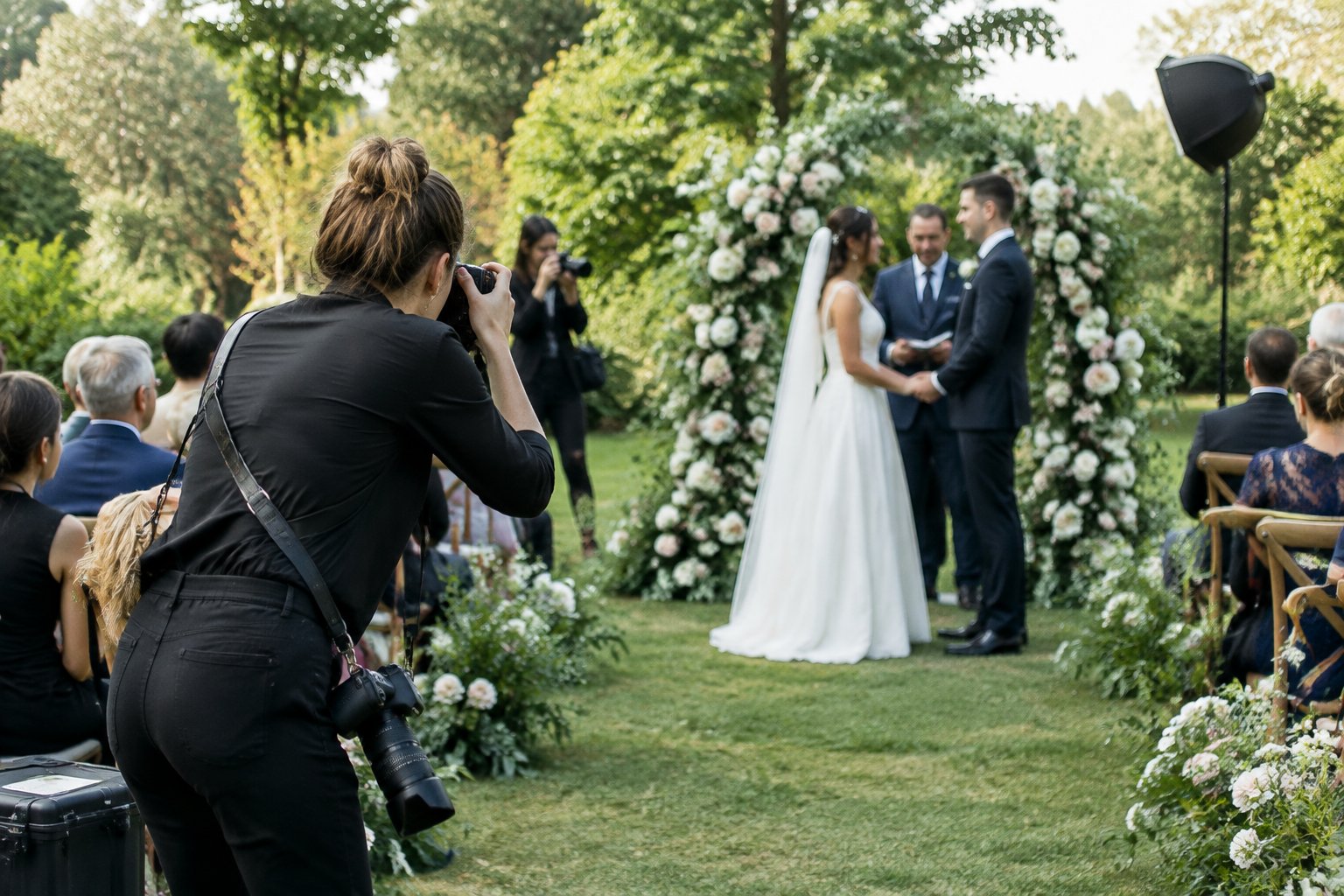
Your quote reflects the photographer’s experience, the length and size of your event, and the logistics of reaching your venue. These details help explain why two packages with similar hours can have different prices.
Experience and Demand
A photographer with years of wedding experience, a strong portfolio, and a sought-after style may charge more than someone building a portfolio. You’re paying for their creative approach as well as their ability to work through changing light, tight timelines, and fast-moving moments.
Busy dates also influence availability and rates. Saturdays during peak wedding season often draw more demand, while weekday or off-season dates may offer more flexibility.
As you compare experience and style, use a full wedding gallery to see how a photographer handles the ceremony, portraits, and reception. These details can help you pick a photographer for your wedding whose work fits your taste and needs.
Coverage Hours and Wedding Size
More coverage hours raise the package price because they add time on the wedding day and often more editing afterward. A six-hour booking could cover the ceremony, portraits, and part of the reception; an eight- to ten-hour package may include getting-ready photos and later reception events.
Guest count can affect staffing and scheduling. A large celebration, multiple locations, or overlapping events may call for a second photographer to cover moments happening at the same time. If your event includes several days or a remote venue, compare the travel details in destination wedding photography packages as well.
Location, Travel, and Season
Local rates reflect the cost of doing business and demand in your wedding area. A photographer based far from your venue may add mileage, airfare, lodging, or meal costs to the quote. Ask for travel charges in writing, especially if your event ends late or requires an overnight stay.
Your date can affect the price, too. If you have room to choose, ask whether a Friday, Sunday, or off-season wedding changes the package rate. A local photographer may reduce travel costs, while a specialist whose style you love may be worth the added expense of bringing them in.
What Is Usually Included in a Photography Package?
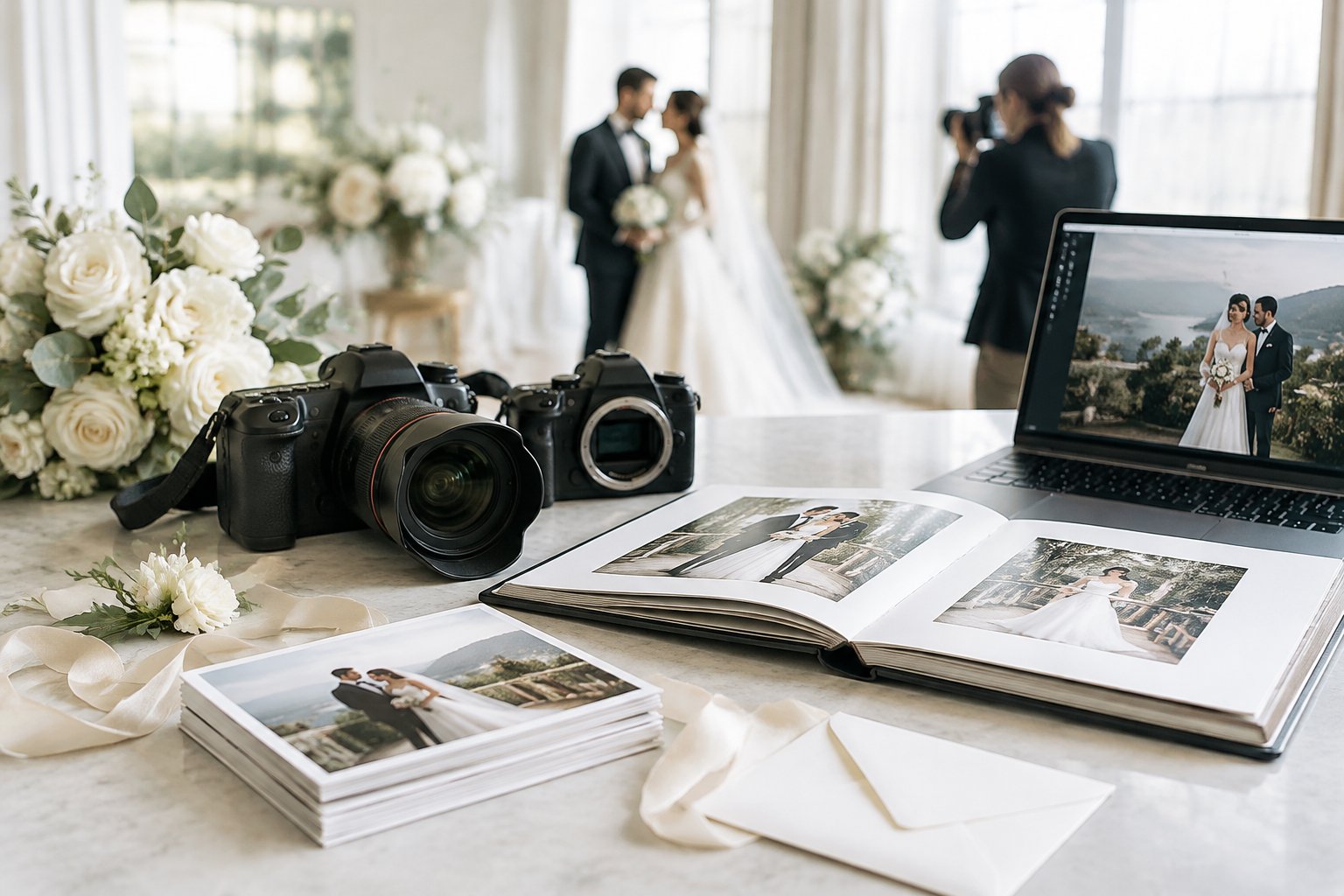
A photography package usually combines a set period of wedding-day coverage with edited digital images and an online gallery. Planning help, a second photographer, prints, and albums vary by photographer, so check each item before comparing prices.
Planning, Coverage, and Editing
Your package should state the number of coverage hours and the planned start and end times. Wedding-day coverage is continuous, so build your timeline carefully if you want both getting-ready photos and late reception moments.
The photographer’s work also includes planning and post-production. After your wedding, they review and select images, edit the final set, and prepare it for delivery.
Ask how many edited photos you can expect and when you’ll receive them. A package with fewer hours may suit a smaller event; basic wedding photography packages can give you a reference point as you review inclusions.
Second Photographers, Albums, and Prints
A second photographer adds another perspective and helps cover separate locations or simultaneous events. That extra coverage raises the price, so consider your timeline and guest count before adding a second shooter.
Albums, wall art, and printed photos may be included or sold as add-ons. Some packages also bundle an engagement session, which lets you get comfortable in front of the camera before the wedding. If you want both sessions, compare the price of engagement and wedding photography packages with booking each service separately.
Delivery Timelines and Image Rights
Your contract should give a delivery estimate and explain how you’ll access your finished images. Many photographers provide a private online gallery with high-resolution digital files. Ask how long the gallery stays available and whether you can download the full set.
Clarify your image-use rights, too. A personal-use or print release allows you to share and print your photos under the terms in your contract. Copyright usually remains with the photographer, and raw, unedited files are not always part of a package.
Ask how many finished images you can expect; typical delivery counts differ by coverage time and event details, as explained in this guide to how many photos wedding photographers give you.
How Can You Compare Photographer Quotes?

Compare quotes by matching the coverage hours, number of photographers, final deliverables, and fees. A lower price can reflect a shorter booking or fewer included products, so review the details alongside the portfolio.
Questions to Ask Before Booking
Ask each photographer the same questions so you can compare their answers clearly:
- How many hours of coverage does the package include?
- Who will photograph the wedding, and is a second photographer included?
- How many edited images will you receive, and when will they arrive?
- Are an engagement session, album, or prints included?
- What travel, overtime, or other fees could apply?
- Can you view full wedding galleries from events similar to yours?
Also ask how the photographer handles backup equipment and an emergency absence. A clear conversation about the service and final images helps you choose a wedding photographer with confidence.
Contracts, Deposits, and Extra Fees
Read the contract before paying a deposit. It should list the event date, coverage window, total price, payment schedule, cancellation terms, delivery estimate, and image-use rights. Check whether the deposit is refundable and when the remaining balance is due.
Look for possible extra charges, including overtime, travel, lodging, additional editing, album upgrades, or rush delivery. Ask the photographer to explain any fee you don’t recognize and confirm the final amount in writing. Keep the signed agreement and payment records with your other wedding documents.
How Can You Keep Photography Costs Manageable?
You can control photography spending by booking the coverage you need and choosing add-ons that fit your plans. A clear timeline helps you avoid paying for hours that add little value to your day.
Adjusting Coverage Without Losing Key Moments
Start by listing the moments you most want photographed, such as getting ready, the ceremony, family portraits, and the first dances. Then build your coverage window around those priorities. If you’re comfortable handling some casual reception photos with guests’ phones, a shorter professional booking may fit your budget.
Talk through the schedule with your photographer before trimming hours. Travel between locations, family portraits, and delays can all affect how much coverage you need. Ask about a shorter package or a weekday date, and check whether the minimum booking length suits your plans.
Choosing Add-Ons That Matter to You
Choose extras based on how you plan to enjoy your images. An engagement session can help you feel at ease in front of the camera, while a printed album gives you a finished keepsake.
If you prefer digital files, ask about a package without print products and confirm your personal-use rights. You can also compare nearby photographers whose style and experience fit your needs, then weigh any travel fees against the package price.
For more room in your budget, review ways to keep wedding costs down and decide which photography features you want to protect.